Bull’s Head Tavern — History & Facts
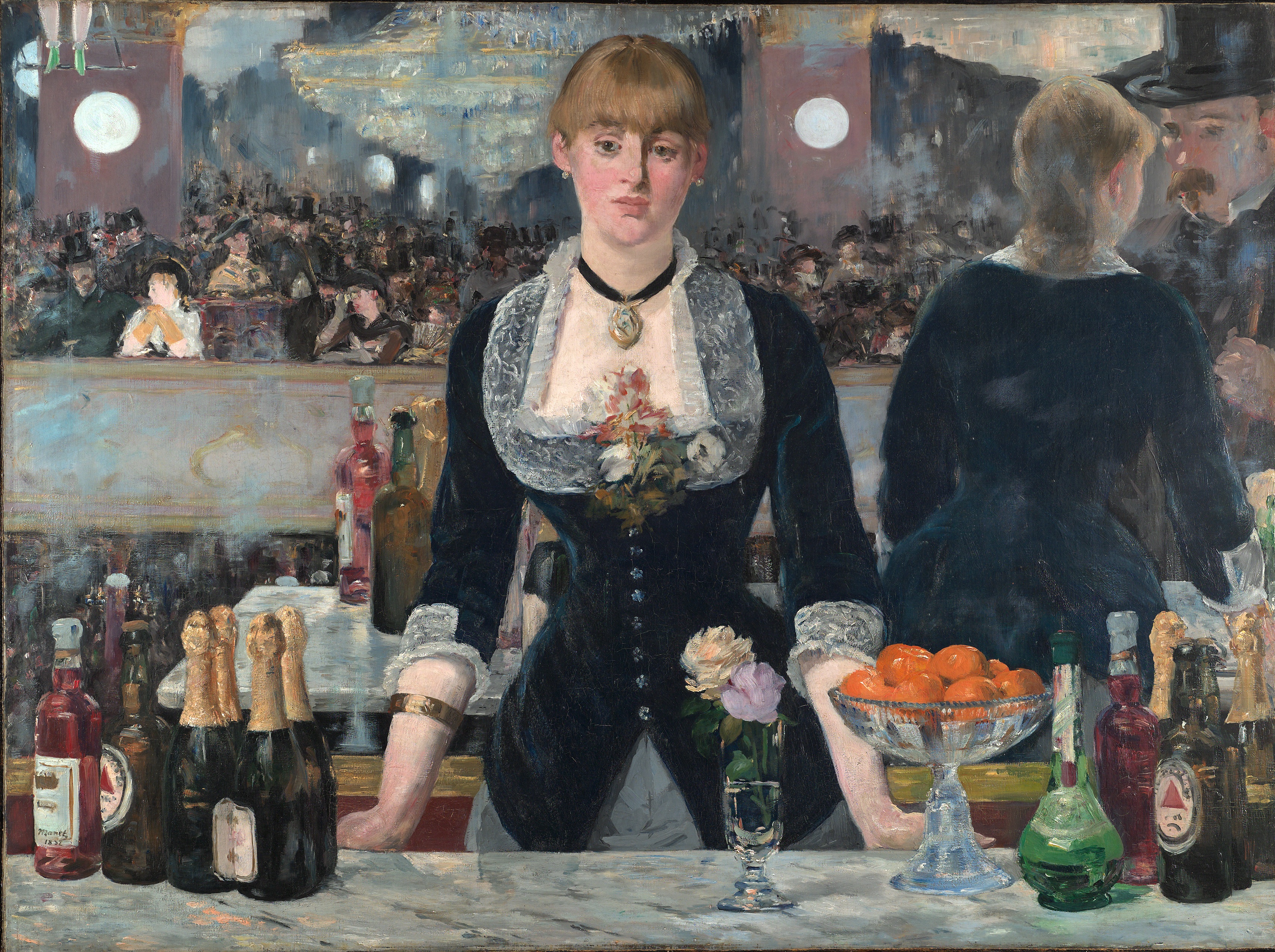
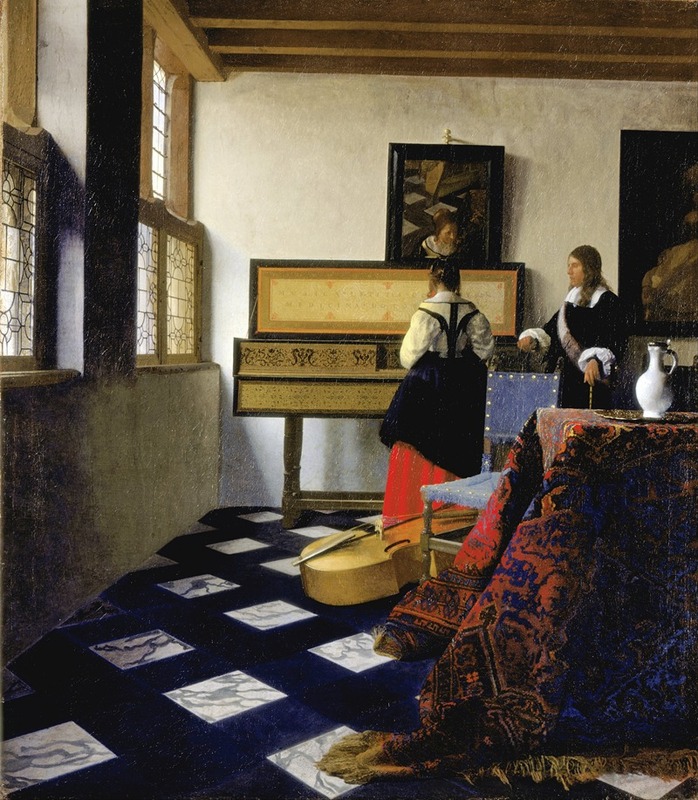
In the stillness of a tavern, the air thickens with unspoken stories and the weight of unacknowledged moments, where each glance and gesture holds the promise of movement, yet remains tethered in quietude. Focus on the interplay of light and shadow that dances across the wooden bar, illuminating the weathered faces of patrons lost in thought. Notice how the warm hues of amber and brown envelop the space, creating an inviting yet contemplative atmosphere. The arrangement of figures, some leaning into conversation while others sit in solitude, guides your eye through a narrative woven with both camaraderie and isolation. The juxtaposition of movement and stillness is striking; the painting captures fleeting expressions, revealing the complexity of human connection.
In the background, a half-emptied glass reflects the passage of time, symbolizing both shared revelry and personal introspection. These details hint at the transient nature of relationships, where moments of laughter may quickly dissolve into silence, each face telling a story of longing or regret. William P. Chappel painted Bull’s Head Tavern in the 1870s, during a period when the realism movement was gaining traction in America.
He sought to depict the everyday lives of ordinary people, often drawing from his experiences in mid-19th century New York. The tavern served as a microcosm of society, reflecting the social dynamics and cultural shifts of post-Civil War America, a time marked by both prosperity and profound change.
More Artworks by William P. Chappel
Browse all →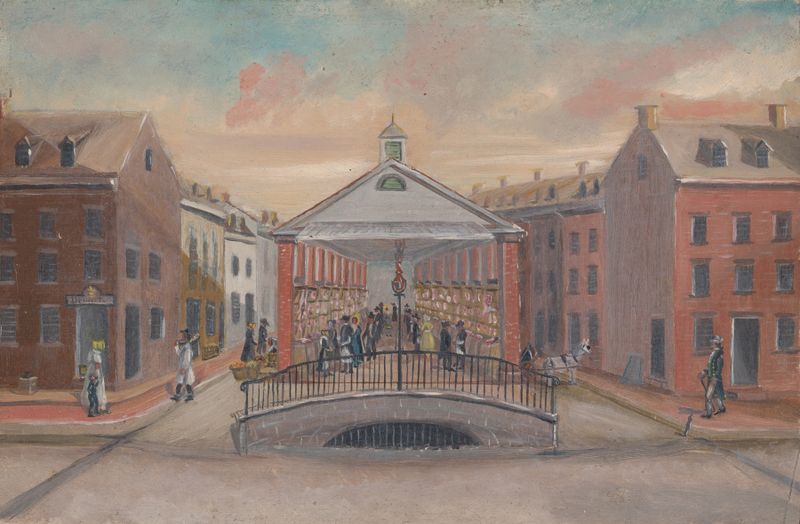
Fly Market
William P. Chappel
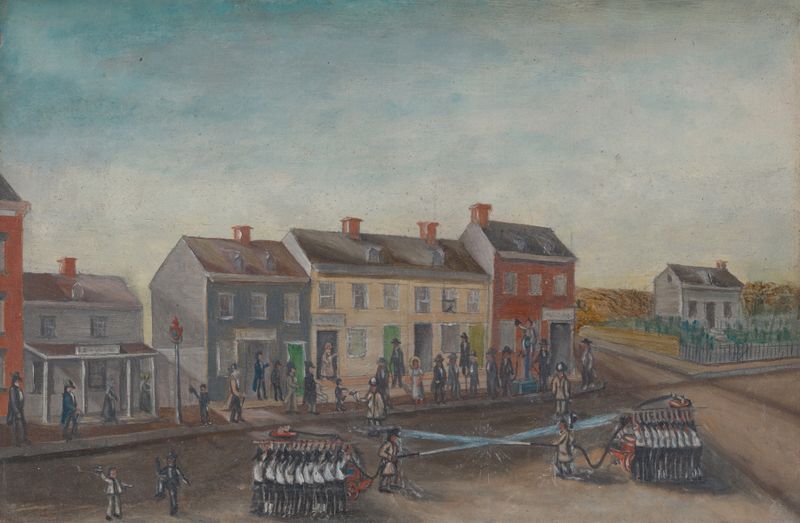
Firemen’s Washing Day
William P. Chappel
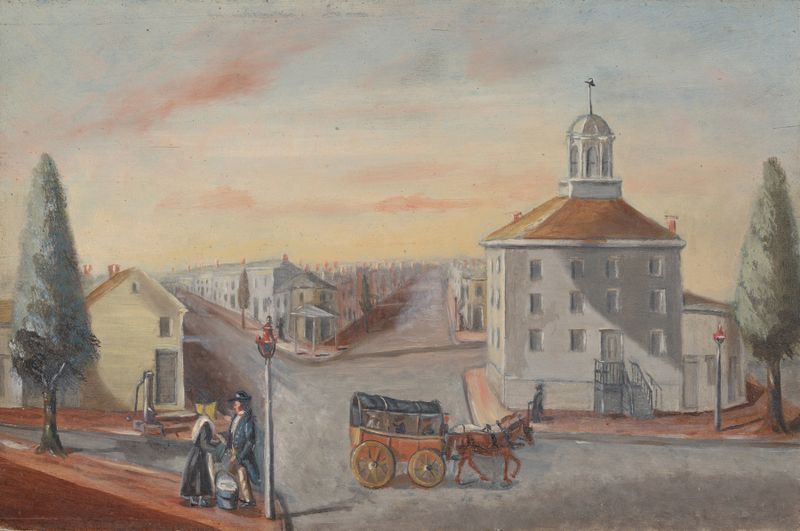
Hot Corn Seller
William P. Chappel
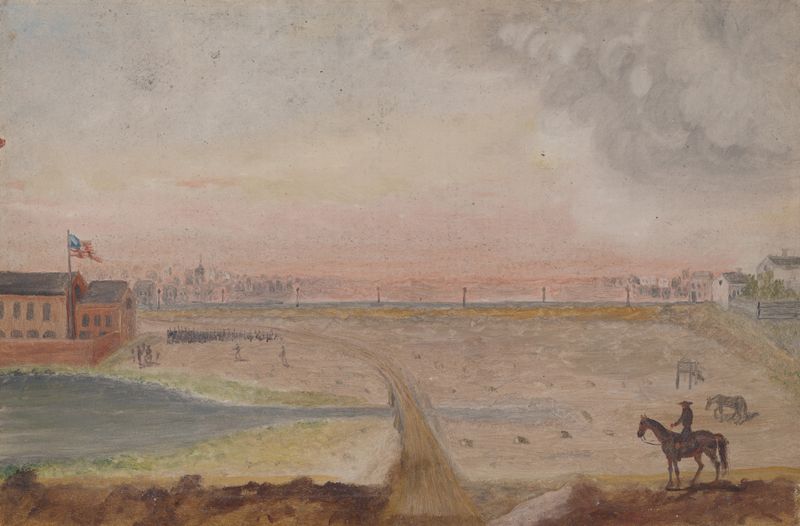
Militia Drilling
William P. Chappel
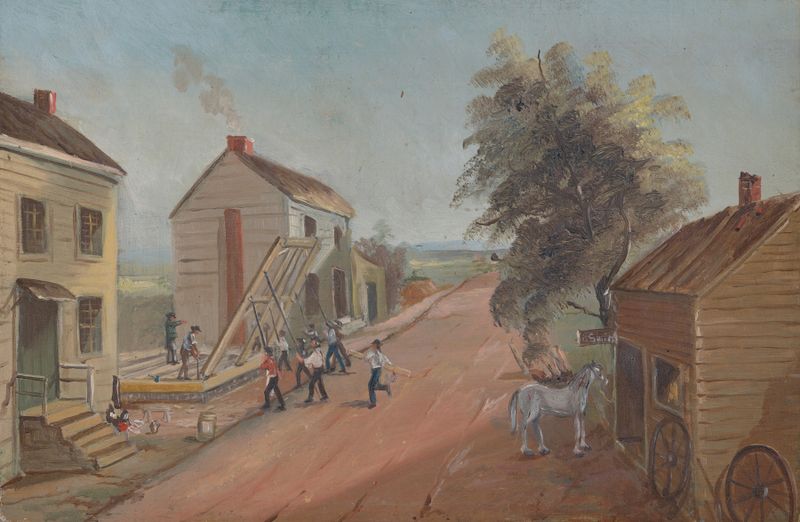
House Raising
William P. Chappel
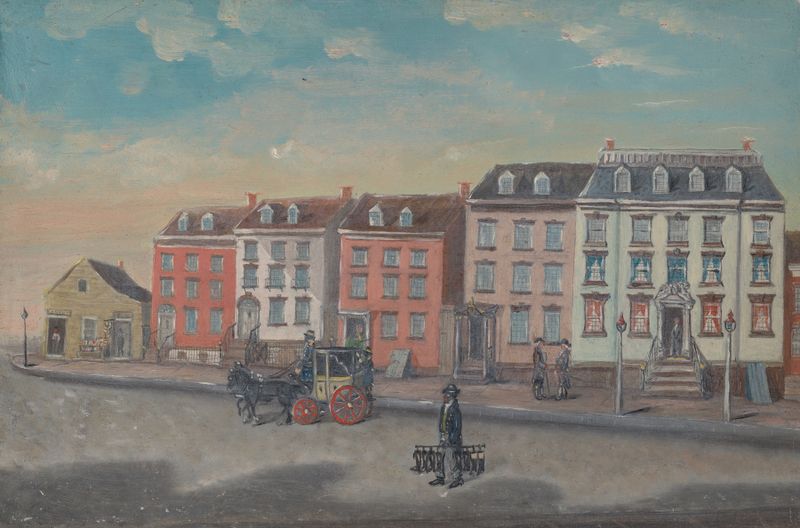
The Boot Black
William P. Chappel
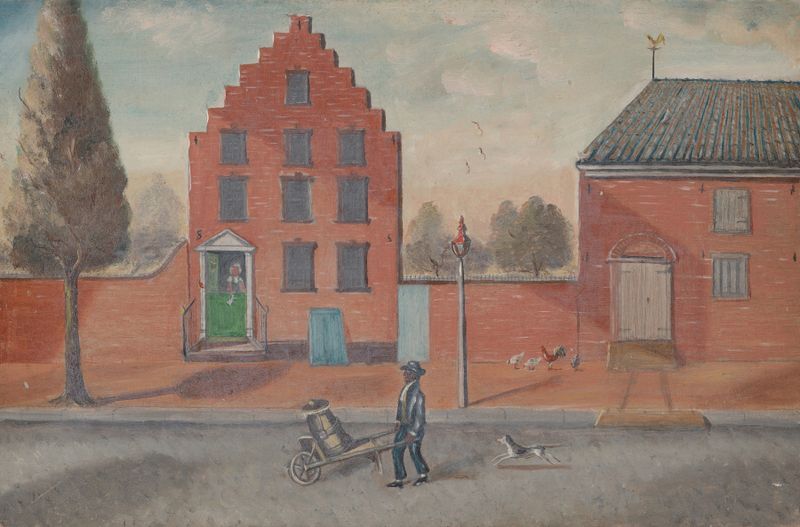
Buttermilk Pedlar
William P. Chappel
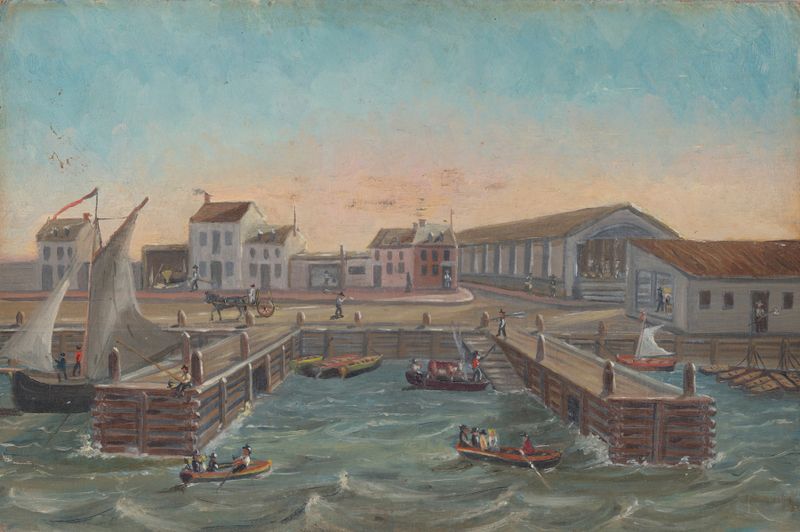
Old Ferry Stairs
William P. Chappel
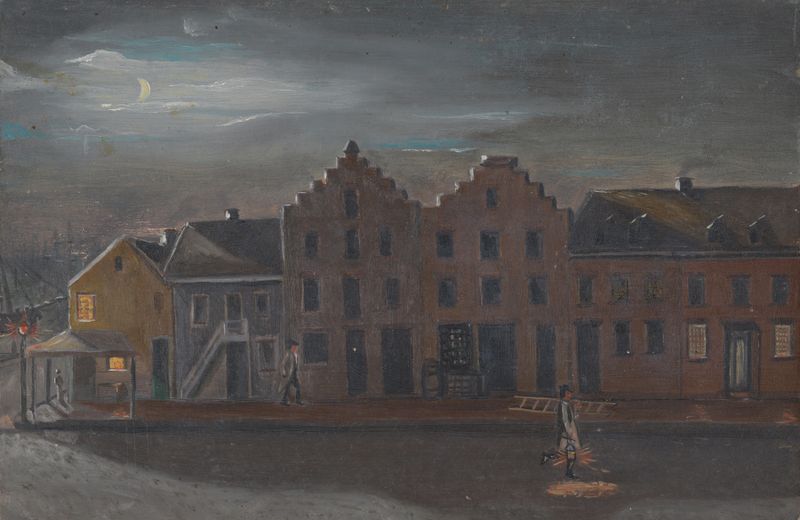
The Lamp Lighter
William P. Chappel
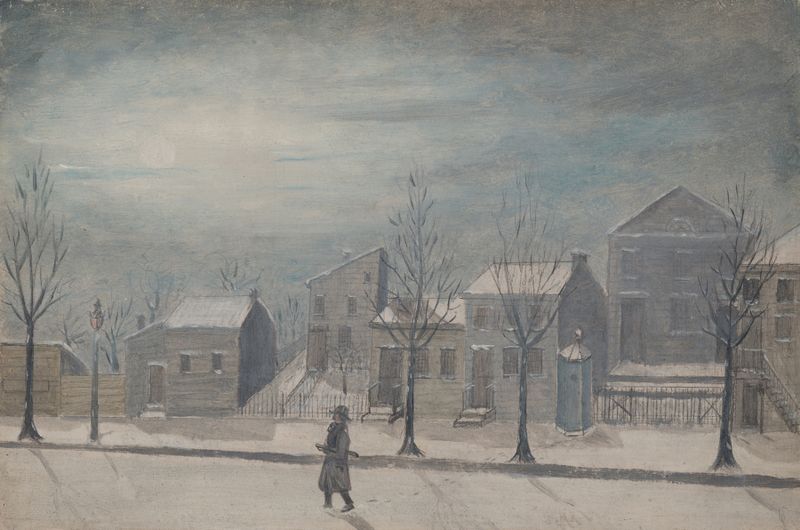
City Watchman
William P. Chappel