
The Boot Black — History & Facts
What if silence could speak through light? In The Boot Black, a moment of yearning is beautifully encapsulated, inviting a profound reflection on the human experience. Focus on the young boy in the foreground, his small hands gripping the leather of an unpolished boot. Notice how the light cascades softly upon his worn cap, illuminating his youthful face yet casting shadows that hint at the weight of his humble existence. The muted color palette of browns and grays adds a somber tone, suggesting an atmosphere thick with unexpressed hopes and dreams.
The careful detailing of the boot—scuffed and dulled—contrasts sharply with the boy’s innocent gaze, anchoring the viewer’s attention. Within this simple act of polishing shoes lies a deeper narrative of aspiration and class struggle. The boy's posture, slightly hunched, conveys both determination and vulnerability, while the absent figure of the boot's owner looms large—an unseen judge of worth and ambition. The interplay of light and shadow throughout the painting further emphasizes this tension, revealing a world where the promise of a better tomorrow flickers dimly amid the struggles of today. William P.
Chappel painted The Boot Black in the 1870s during a period when American art was grappling with themes of realism and social consciousness. As the country navigated the aftermath of the Civil War, artists sought to reflect the truths of everyday life, portraying the dignity of labor and the silent aspirations of those on society’s margins. Chappel’s work stands as a poignant reminder of the human spirit’s quiet resilience amid adversity.
More Artworks by William P. Chappel
Browse all →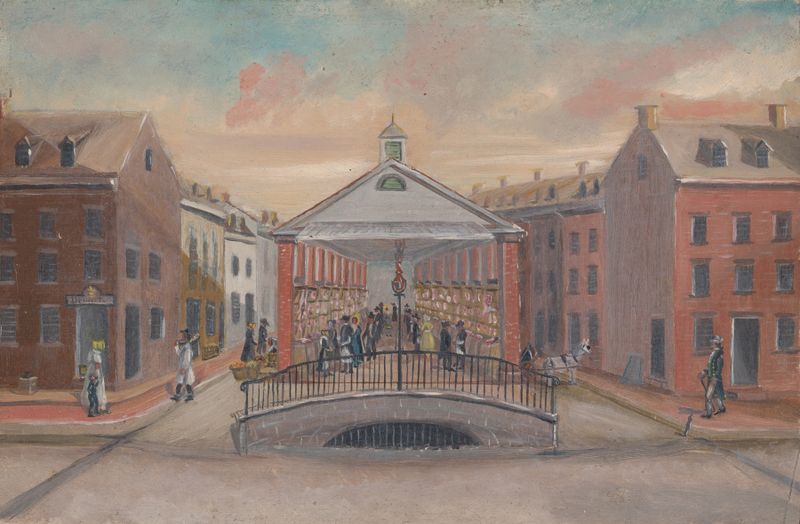
Fly Market
William P. Chappel
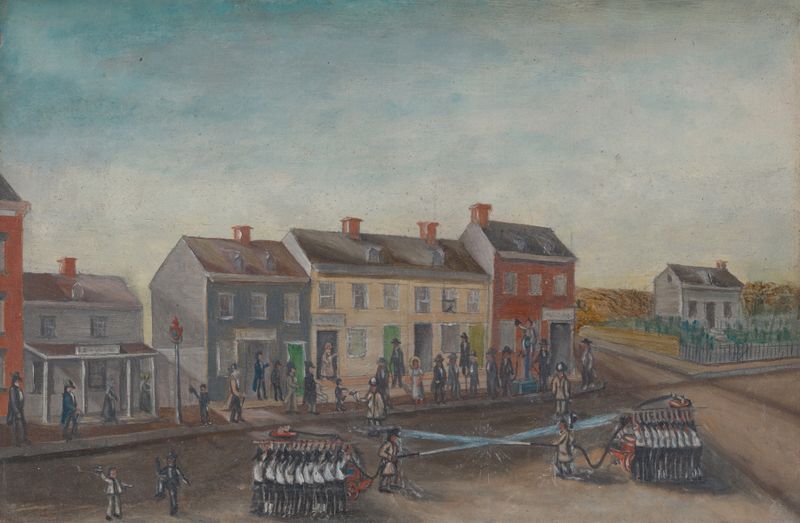
Firemen’s Washing Day
William P. Chappel
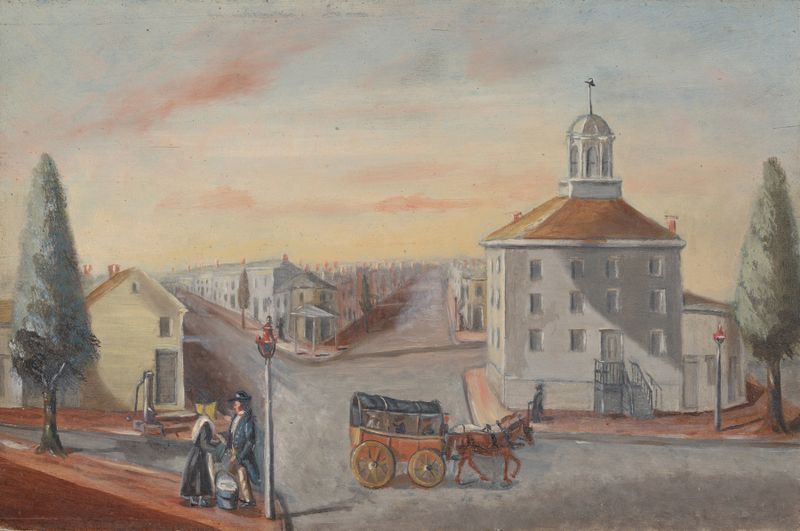
Hot Corn Seller
William P. Chappel
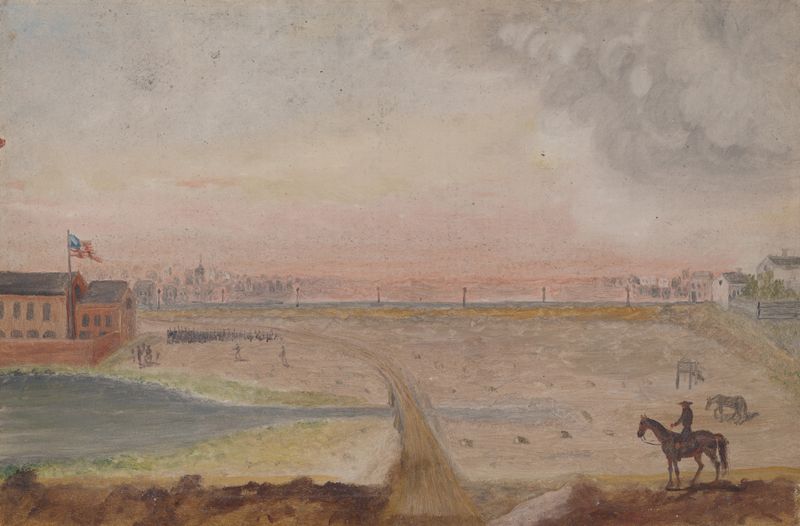
Militia Drilling
William P. Chappel
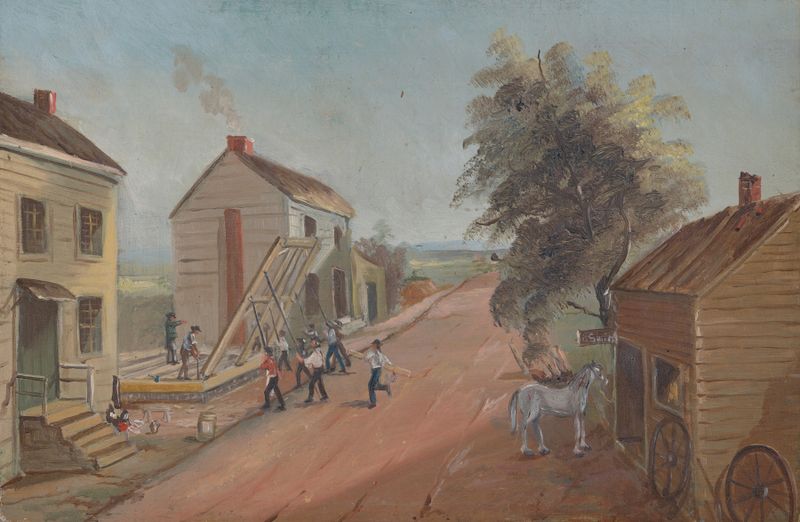
House Raising
William P. Chappel
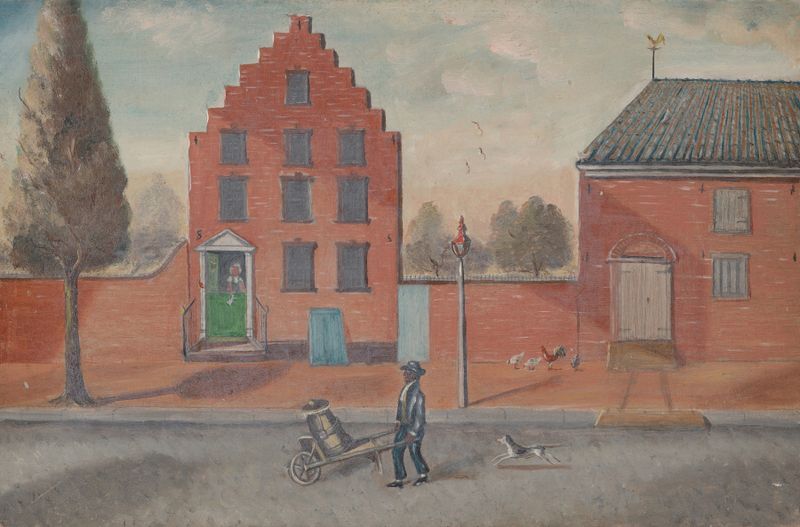
Buttermilk Pedlar
William P. Chappel
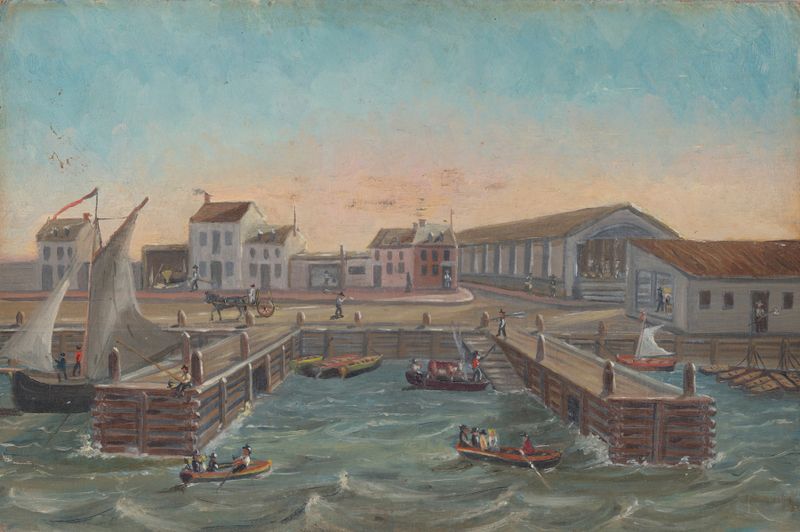
Old Ferry Stairs
William P. Chappel
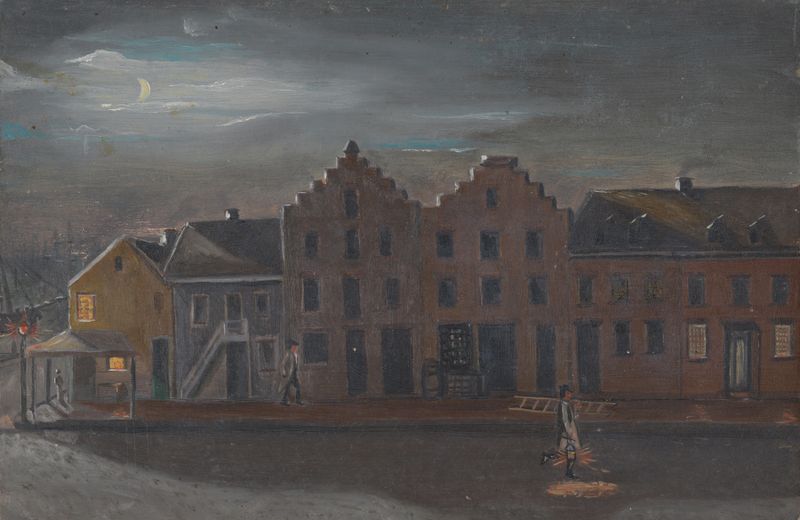
The Lamp Lighter
William P. Chappel
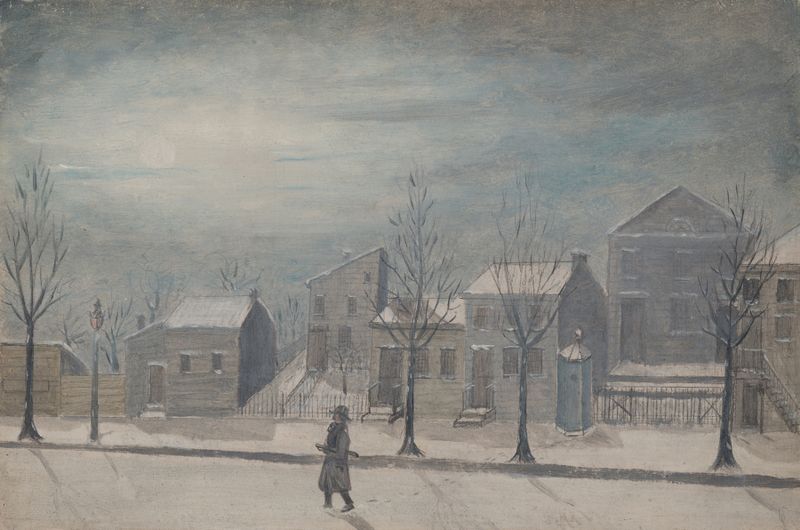
City Watchman
William P. Chappel
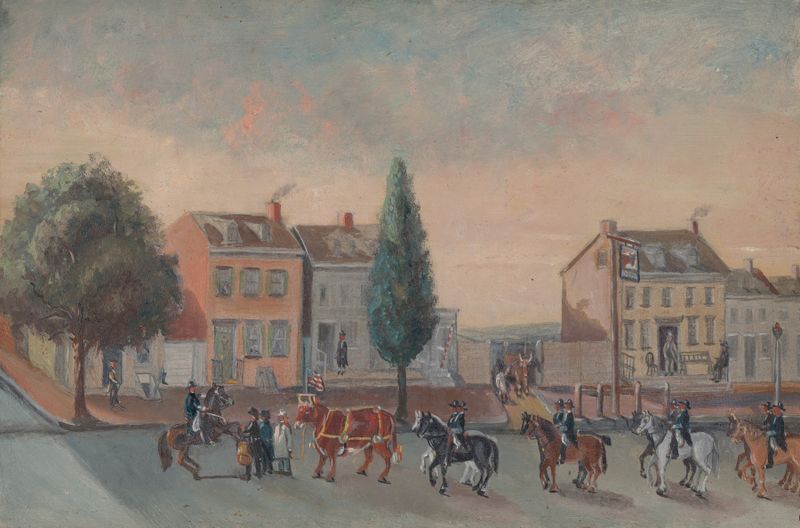
Bull’s Head Tavern
William P. Chappel





