
Buttermilk Pedlar — History & Facts
In the serene simplicity of everyday life, the act of awakening emerges, both for the artist and the observer, illuminating the beauty hidden in routine. Look closely at the center of the canvas where a figure clad in humble clothing stands, cradling his wares with a quiet pride. The soft hues of ochre and pale greens envelop him, enhancing the intimate atmosphere of the scene. The careful brushwork reveals not just the texture of the buttermilk churns but also the gentle interplay of light and shadow, illuminating the figure’s weathered face and drawing the viewer’s gaze to his thoughtful expression. Beneath this placid exterior lies a profound tension between labor and dignity.
The juxtaposition of the bustling surroundings against the stillness of the pedlar evokes a sense of isolation within the community. The gentle smile hints at resilience, inviting contemplation on the value of simple pleasures and the unseen struggles of those who provide them. Each element, from the rustic cart to the distant figures, whispers a story of hard work and the quiet joy found in everyday tasks. In the 1870s, *William P.
Chappel* painted this work during a time when American art was beginning to embrace realism, capturing the authenticity of life. Living in a period marked by rapid industrialization and societal change, Chappel sought to document the lives of ordinary people, reflecting both the struggles and the beauty inherent in their day-to-day existence. His choice of subject matter showcases a commitment to portraying the heart of the American experience.
More Artworks by William P. Chappel
Browse all →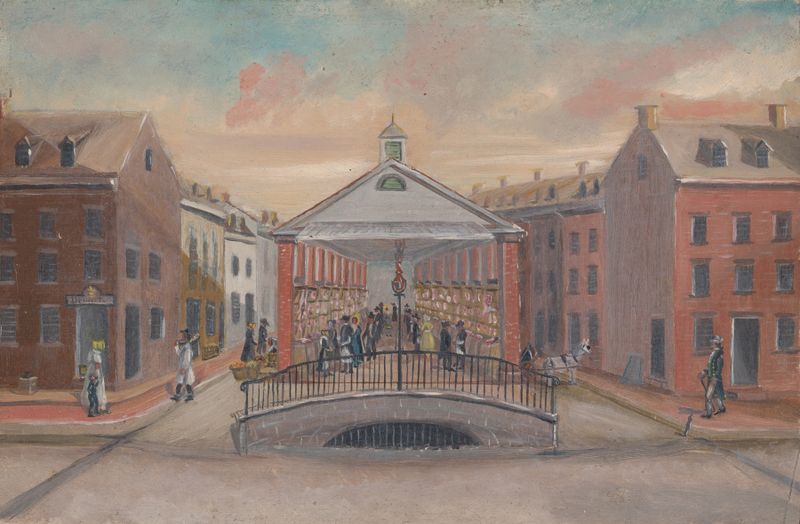
Fly Market
William P. Chappel
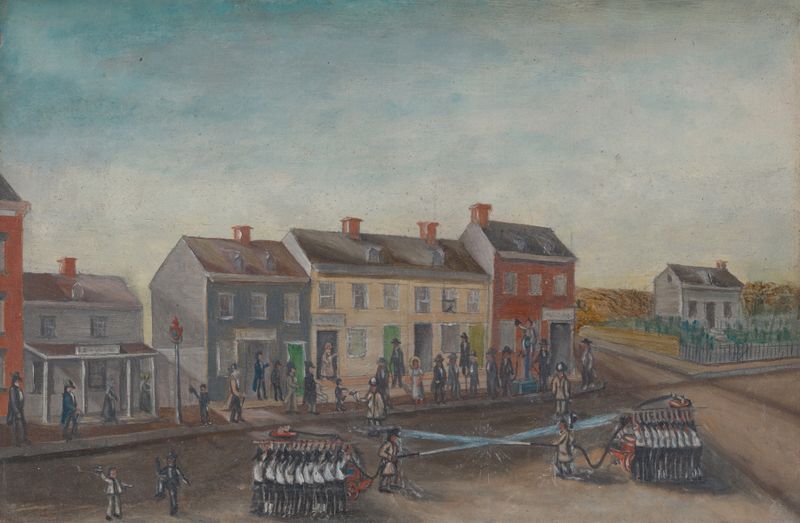
Firemen’s Washing Day
William P. Chappel
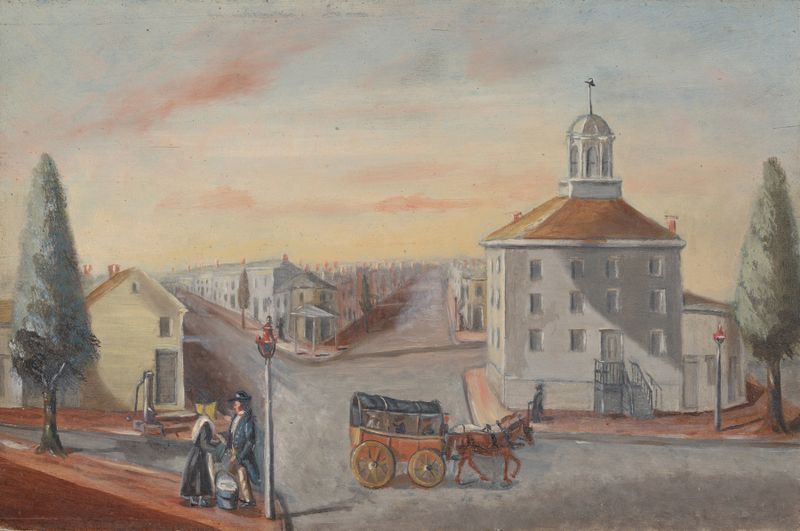
Hot Corn Seller
William P. Chappel
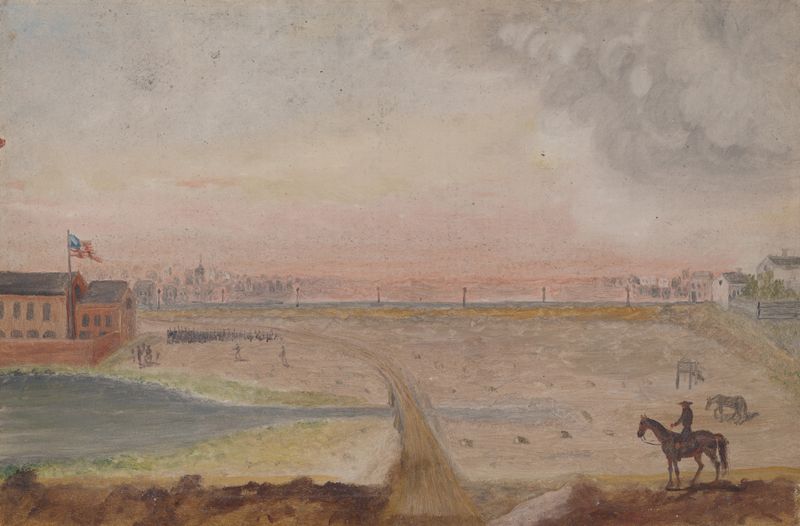
Militia Drilling
William P. Chappel
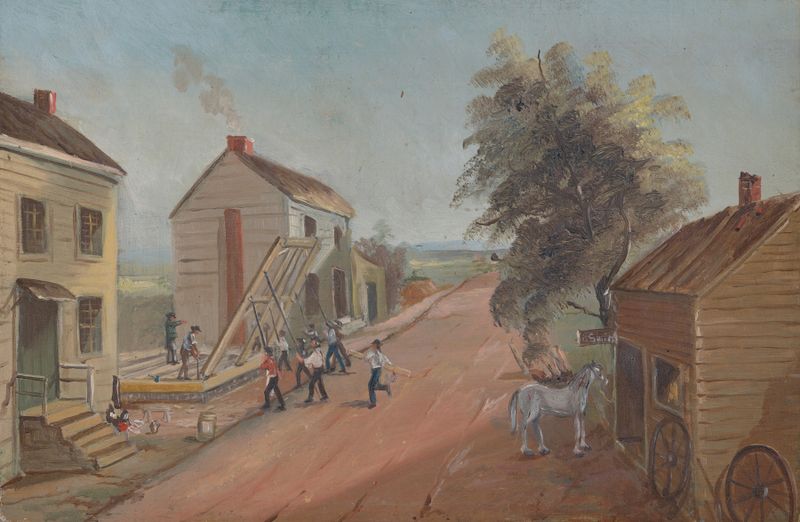
House Raising
William P. Chappel
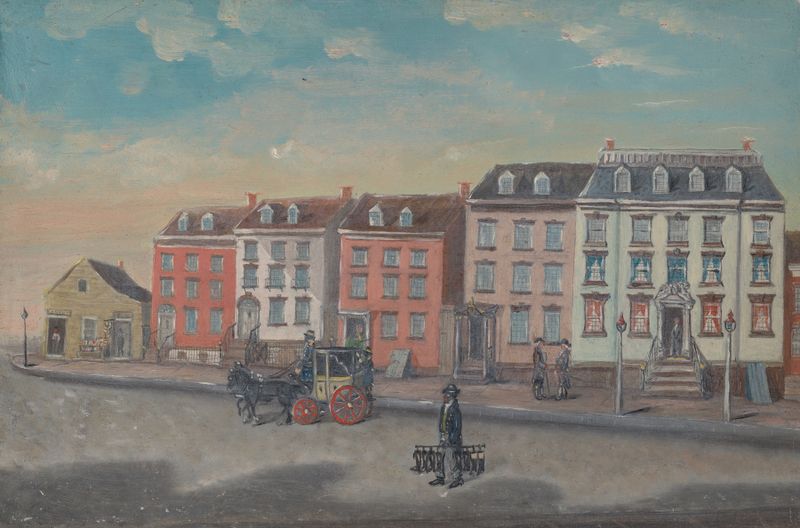
The Boot Black
William P. Chappel
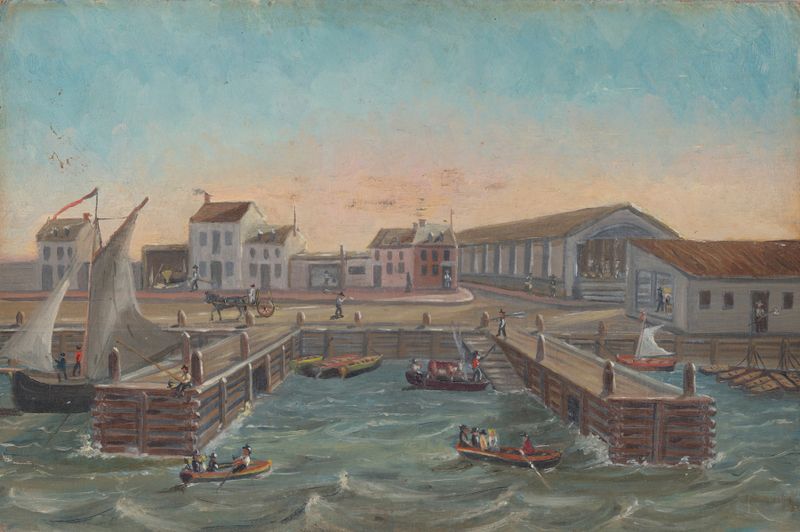
Old Ferry Stairs
William P. Chappel
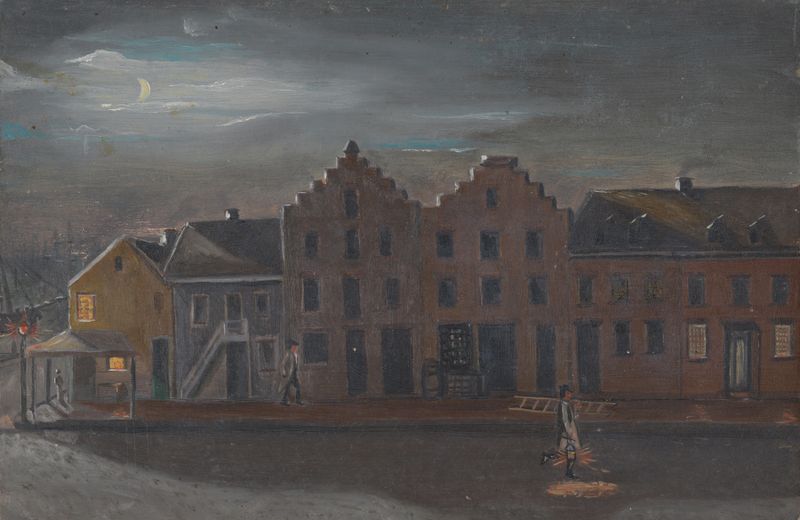
The Lamp Lighter
William P. Chappel
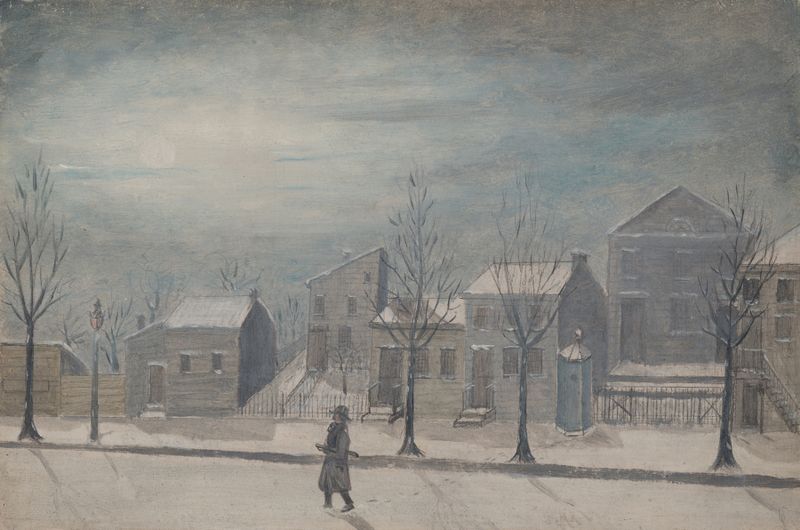
City Watchman
William P. Chappel
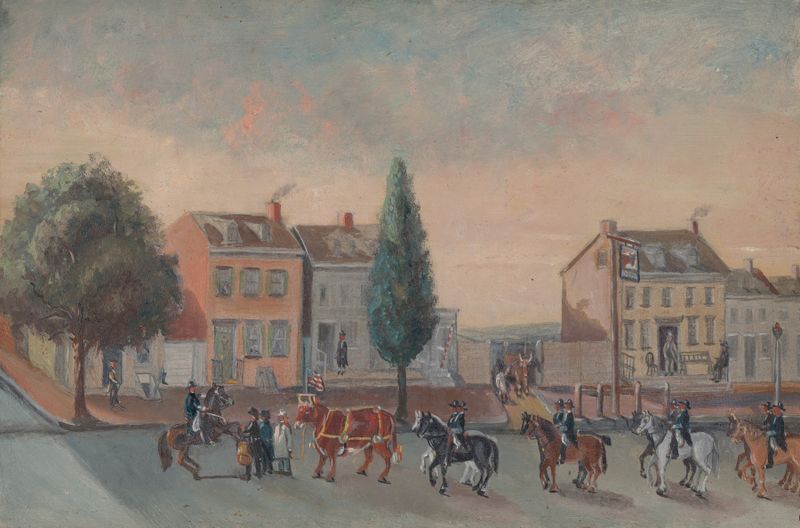
Bull’s Head Tavern
William P. Chappel





