
Hot Corn Seller — History & Facts
Who listens when art speaks of silence? In Hot Corn Seller, a cacophony of chaos sits at the heart of bustling life, inviting contemplation amid the noise. Look to the center of the canvas, where the corn seller stands confidently, his posture a blend of poise and weariness. Notice how the light catches the glistening kernels, their yellow hue almost radiant against the darker palette surrounding him. The artist employs a rich tapestry of browns and grays, evoking the grit of the urban environment, while the strategic placement of figures around the seller creates a sense of movement and urgency that draws the eye immediately. Within this lively scene, deeper tensions emerge.
The seller’s expression carries an air of solemnity, contrasting sharply with the commotion surrounding him, hinting at the struggle beneath the surface of industrious life. The figures nearby, lost in their own pursuits, paint a picture of isolation even in the midst of a crowd, suggesting that amidst chaos, individual stories remain unheard. This juxtaposition serves as a poignant reminder of the human experience—full of noise yet often painfully solitary. In the 1870s, during the height of the Industrial Revolution, William P.
Chappel painted Hot Corn Seller as a reflection of urban life in America. At this time, cities were expanding rapidly, and the art world was undergoing significant changes, grappling with realism and the shifting cultural landscape. Chappel’s work captures this moment, revealing the interplay between the individual and the collective, highlighting the rich vibrancy of street life while acknowledging the silent struggles that often go unnoticed.
More Artworks by William P. Chappel
Browse all →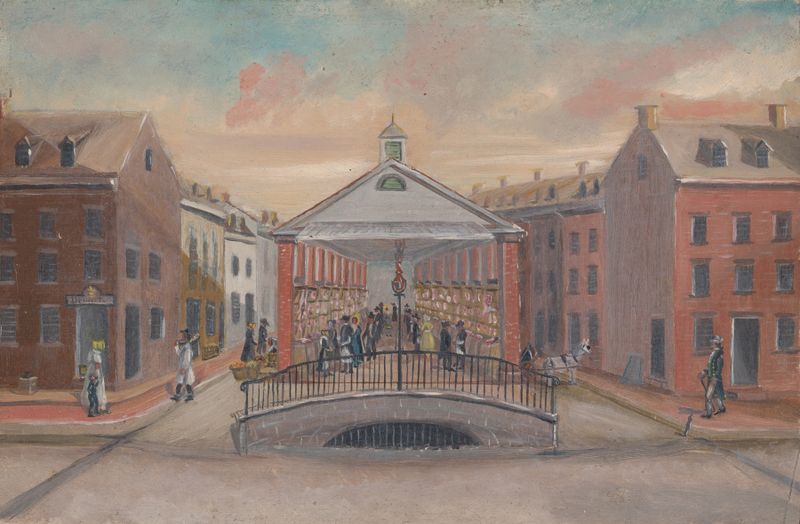
Fly Market
William P. Chappel
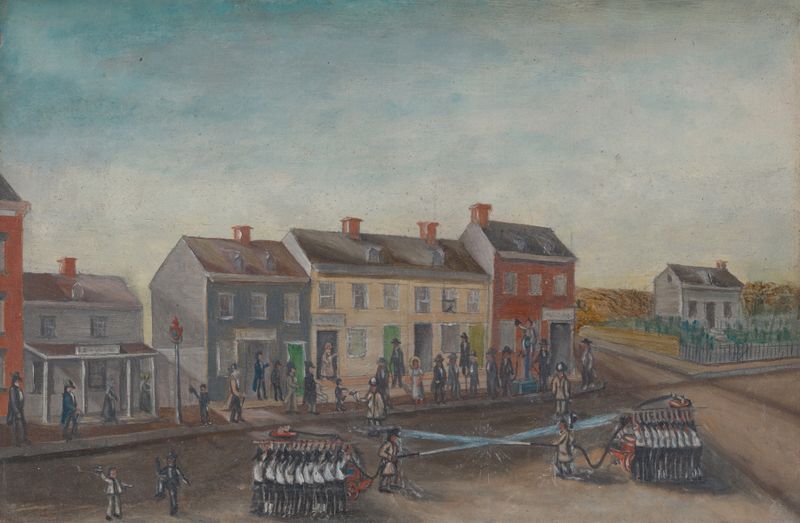
Firemen’s Washing Day
William P. Chappel
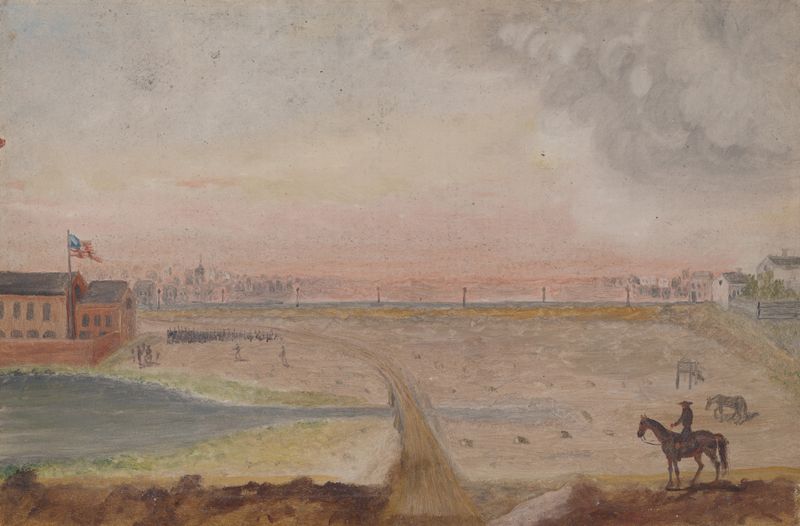
Militia Drilling
William P. Chappel
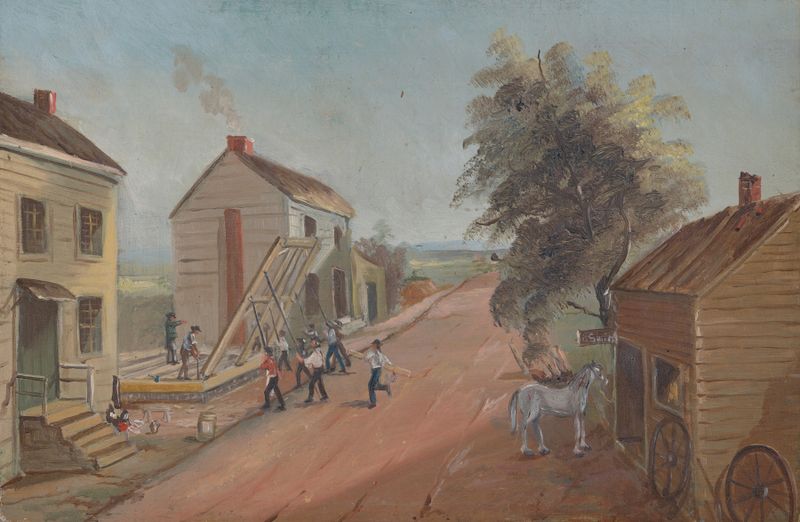
House Raising
William P. Chappel
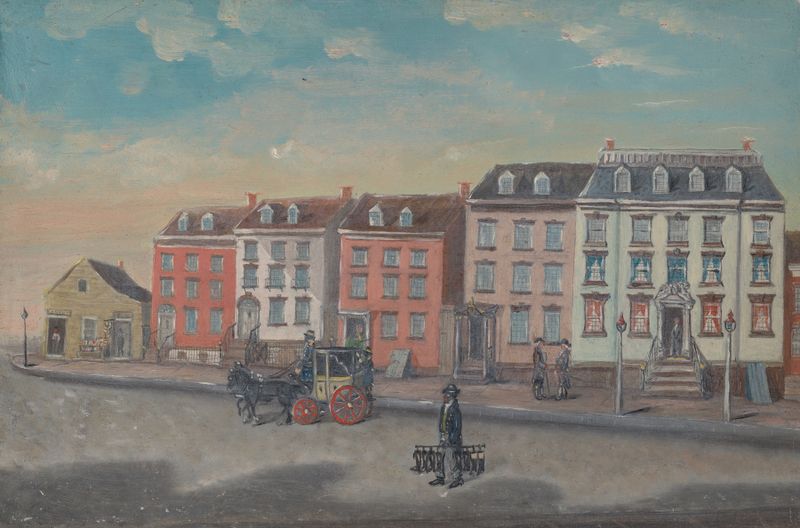
The Boot Black
William P. Chappel
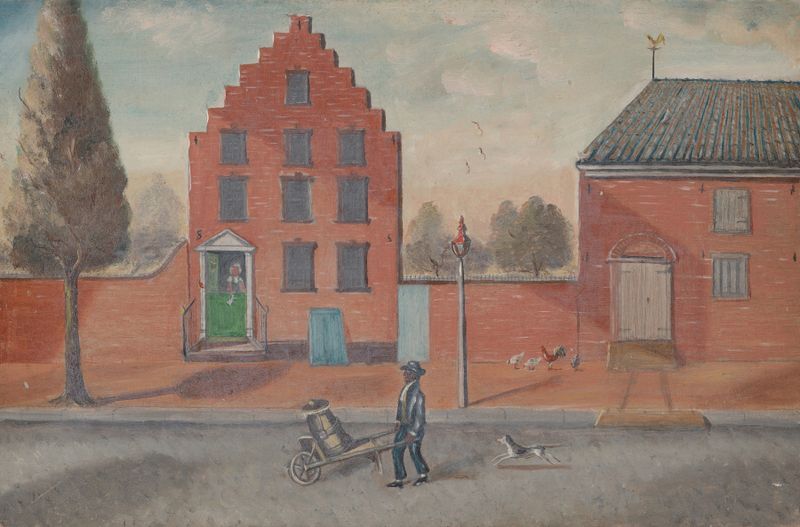
Buttermilk Pedlar
William P. Chappel
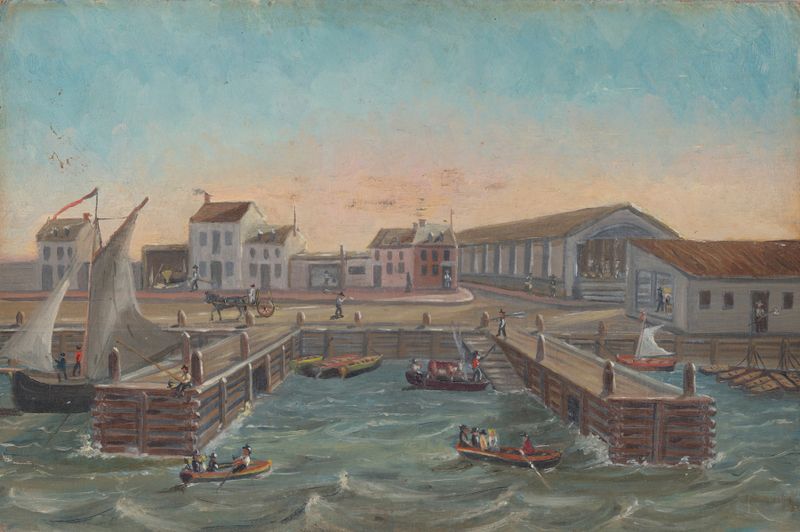
Old Ferry Stairs
William P. Chappel
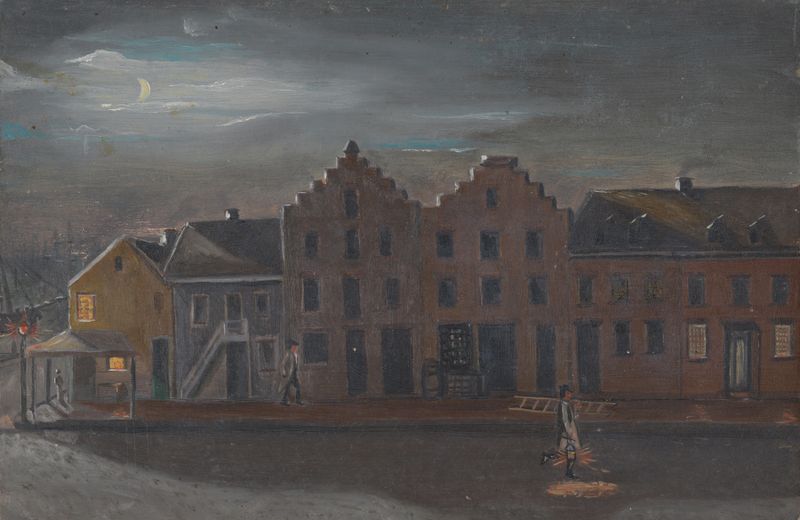
The Lamp Lighter
William P. Chappel
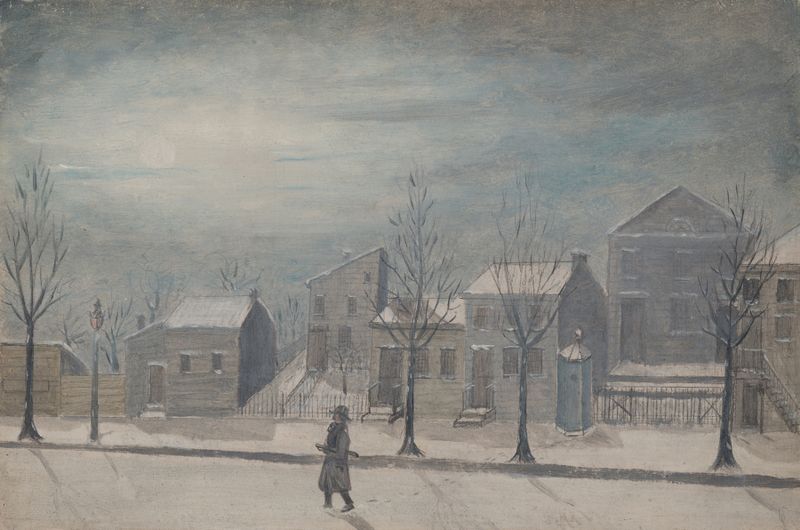
City Watchman
William P. Chappel
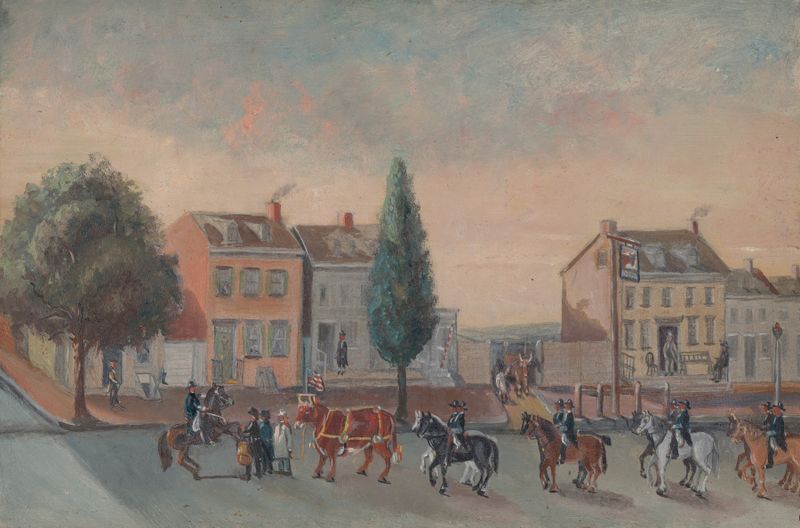
Bull’s Head Tavern
William P. Chappel





