
Militia Drilling — History & Facts
Can paint confess what words never could? In Militia Drilling, the canvas unfolds a complex tapestry of human struggle and divine aspiration, capturing the essence of dedication and sacrifice. Look to the center, where the soldiers, clad in period uniforms, stand rigidly in formation, their faces a mix of resolve and uncertainty. The artist employs a muted palette, with earthy tones harmonizing to reflect the somber atmosphere of a civil duty. Notice how the play of light falls delicately on their polished weapons, casting reflections that hint at the duality of their purpose — to protect and to confront.
The composition draws the eye to the commanding figure at the forefront, whose assertive stance signifies leadership amid a sea of eager recruits. Deeper insights reveal the emotional current beneath the surface. Each soldier’s expression tells a story of personal sacrifice, evoking the tension between individual hope and collective responsibility. The juxtaposition of the stillness of the drill against the undercurrent of anxiety about impending conflict underscores the brutal reality of war.
Small details, such as the scuffed boots and worn uniforms, suggest that these men are not merely figures of duty, but part of a larger narrative of resilience and devotion. In the 1870s, Militia Drilling emerged during a transformative period in American history, as the nation grappled with the aftermath of the Civil War. William P. Chappel, known for his focus on military themes, created this work while living in an era marked by a redefinition of patriotism and duty.
As the nation sought to heal, his portrayal of the militia served as a poignant reminder of the sacrifices made in the name of freedom, reflecting both the personal and collective struggles of a society in transition.
More Artworks by William P. Chappel
Browse all →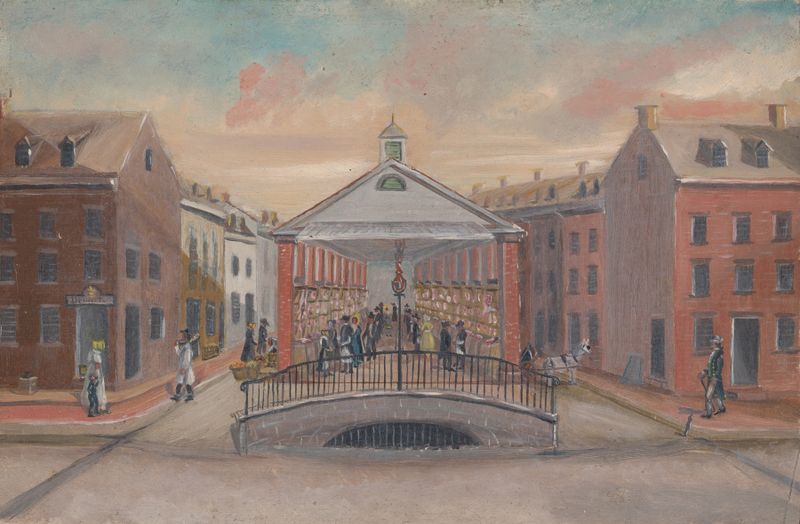
Fly Market
William P. Chappel
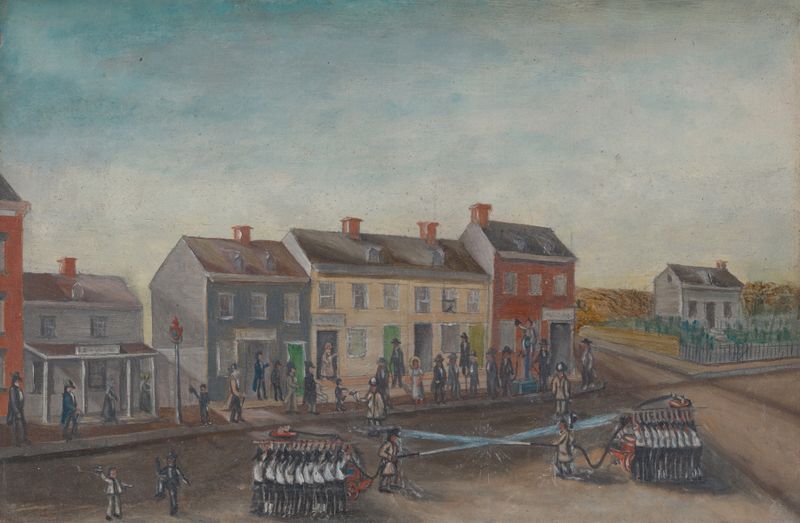
Firemen’s Washing Day
William P. Chappel
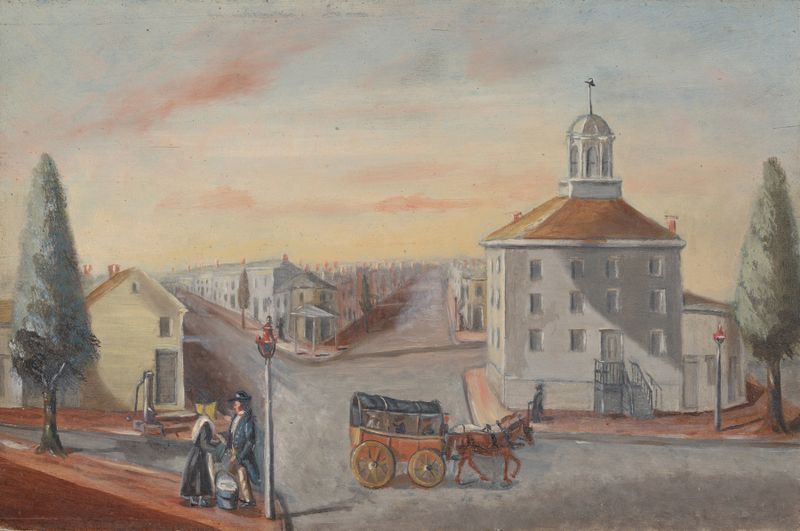
Hot Corn Seller
William P. Chappel
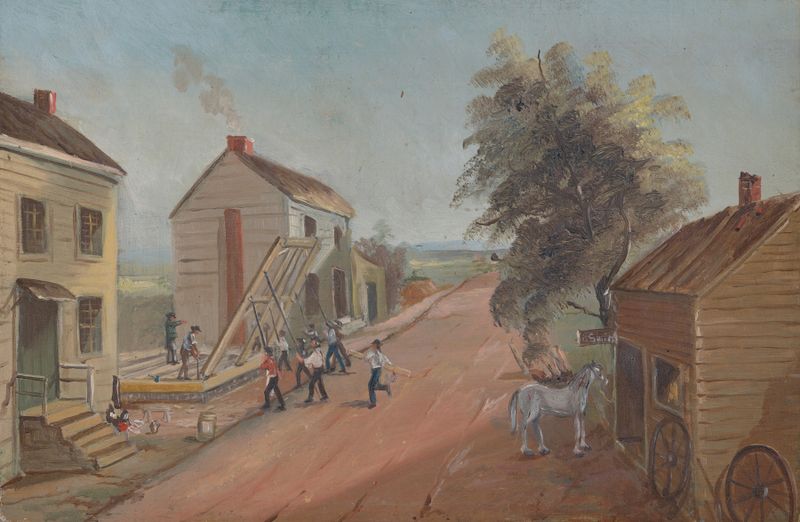
House Raising
William P. Chappel
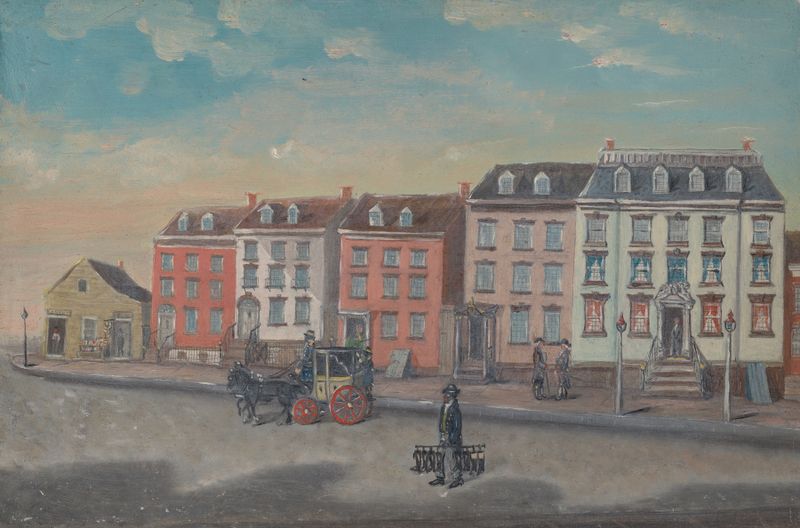
The Boot Black
William P. Chappel
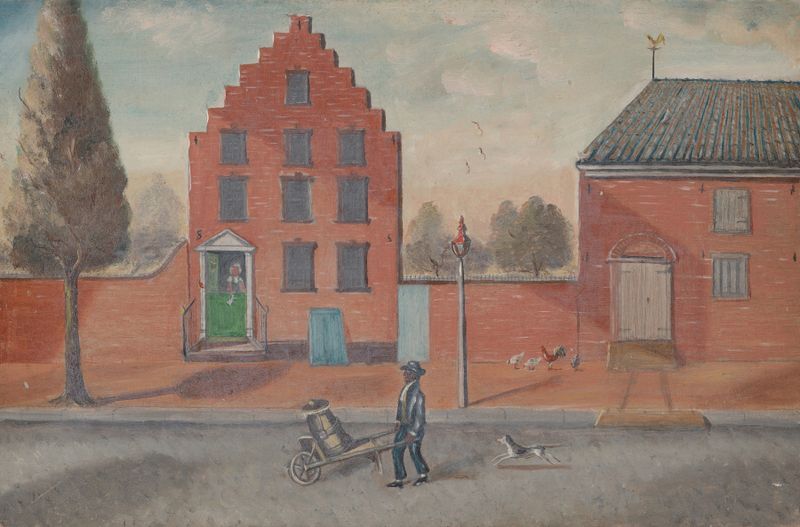
Buttermilk Pedlar
William P. Chappel
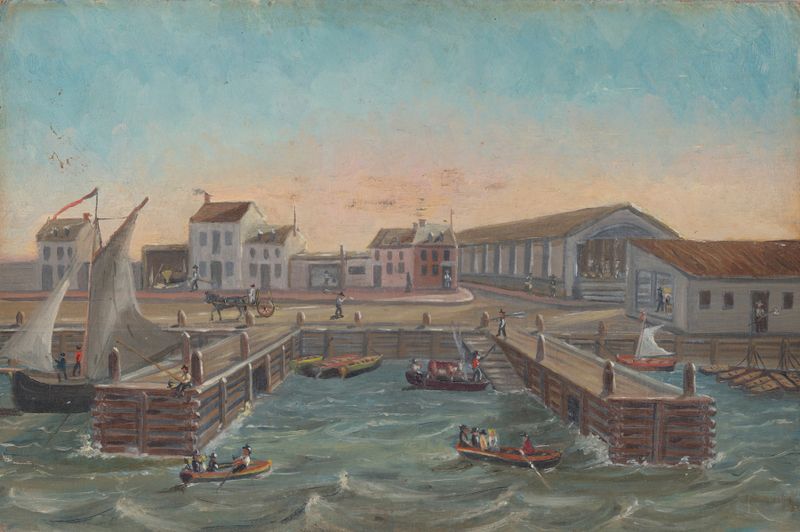
Old Ferry Stairs
William P. Chappel
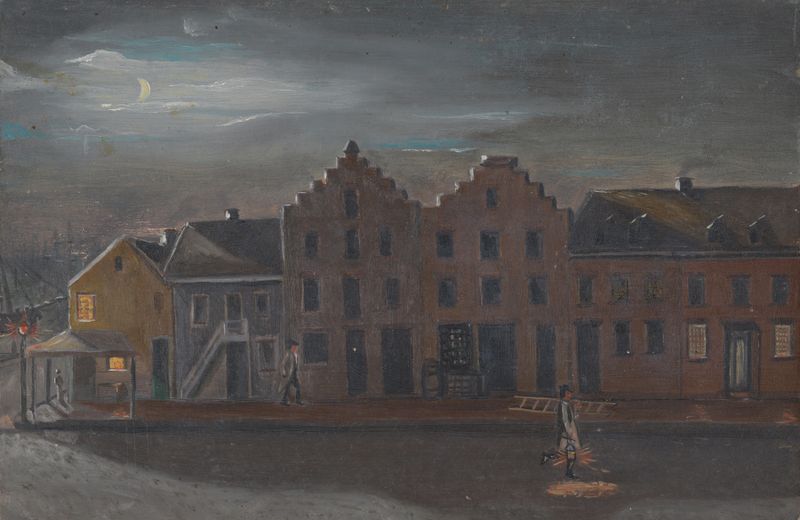
The Lamp Lighter
William P. Chappel
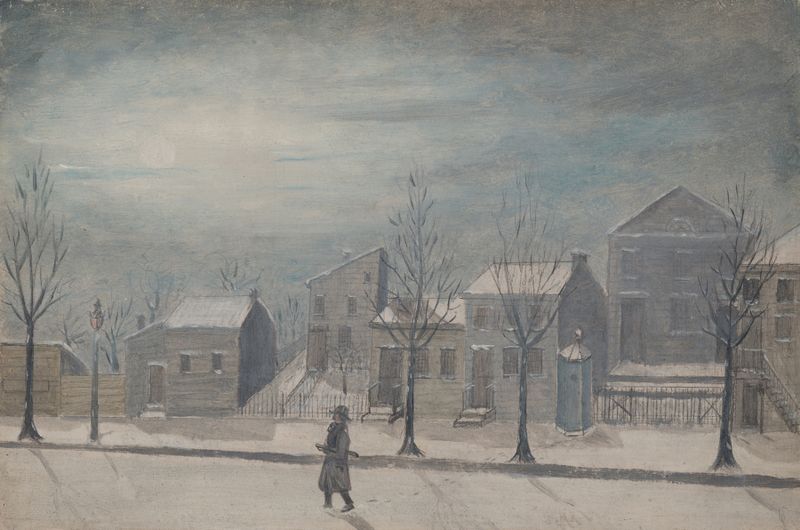
City Watchman
William P. Chappel
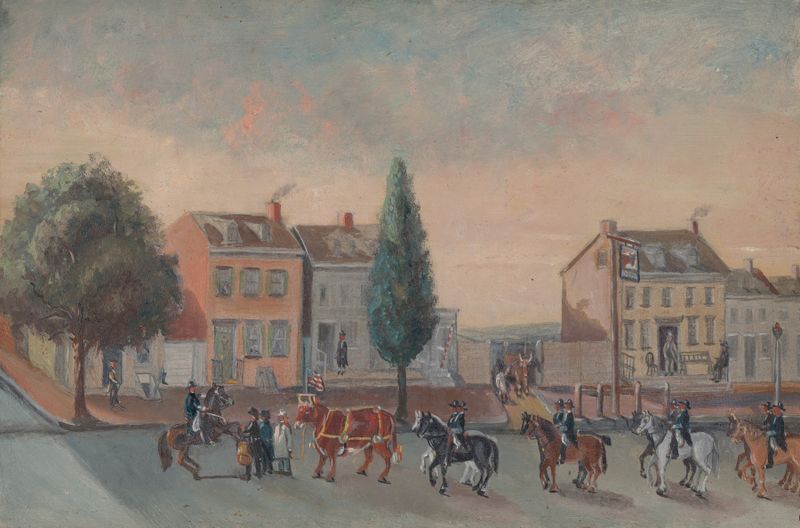
Bull’s Head Tavern
William P. Chappel
More Historical Art
Browse all →
The Night Watch Militia Company of District II under the Command of Captain Frans Banninck Cocq
Rembrandt van Rijn
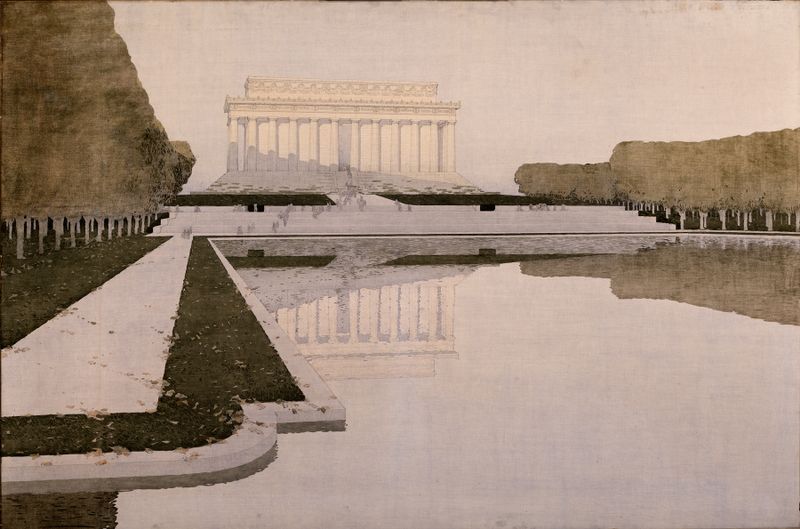
Lincoln Memorial
Henry Bacon
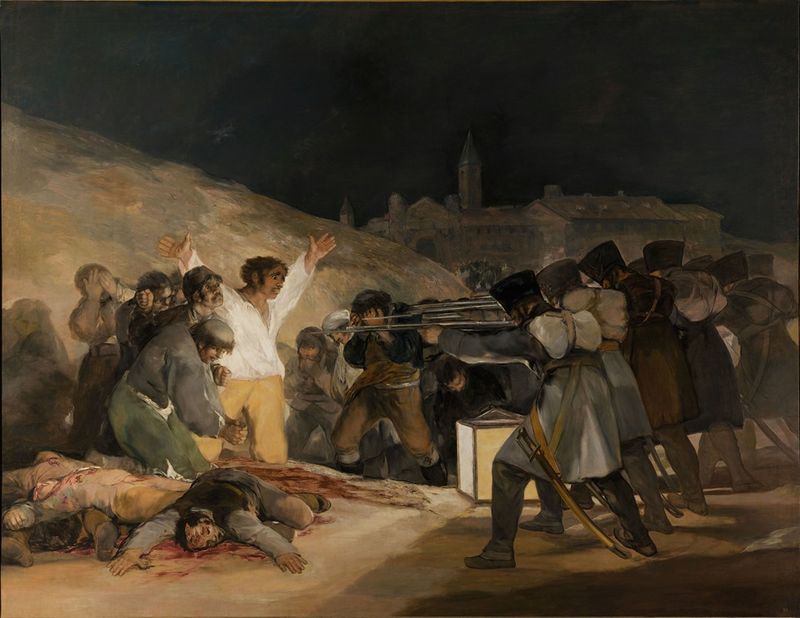
The Third of May 1808
Francisco de Goya

Isaac and Rebecca, Known as ‘The Jewish Bride’
Rembrandt van Rijn
The Charge of the Mamelukes (1814)
Francisco de Goya

De vier ruiters van de apocalyps
Albrecht Dürer