
Old Ferry Stairs — History & Facts
In a world where solitude often prevails, how do we capture the essence of loneliness on canvas? Look to the left at the weathered wooden stairs, steep and leading into an uncertain abyss. The muted palette blends earthy browns and grays, evoking a sense of melancholy that envelops the viewer. Notice the gentle play of light as it filters through a shroud of mist, casting a soft glow that hints at distant memories yet to be uncovered.
Each step appears uneven, a testament to the passage of time and the weight of forgotten journeys. Delve into the subtle contrasts within the composition—the worn texture of the wood against the smoothness of the water, the solidity of the stairs contrasted by the ethereal quality of the mist. Each element seems to whisper stories of those who once traversed this path, leaving behind traces of their presence while simultaneously marking the loneliness of abandonment. The silent water below mirrors the sky’s uncertainty, suggesting a longing that transcends mere absence. In the 1870s, while creating this piece, the artist found himself navigating both personal and societal changes.
Chappel was part of a burgeoning art movement that began to question traditional subjects and embrace more introspective themes. As he painted Old Ferry Stairs, he grappled with the realities of his own existence, reflecting the broader struggles of a society yearning for connection amidst the inevitable isolation of modern life.
More Artworks by William P. Chappel
Browse all →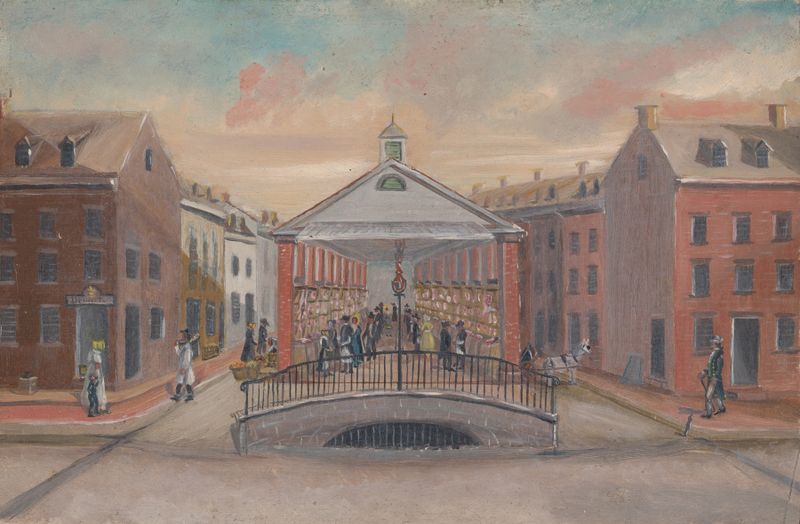
Fly Market
William P. Chappel
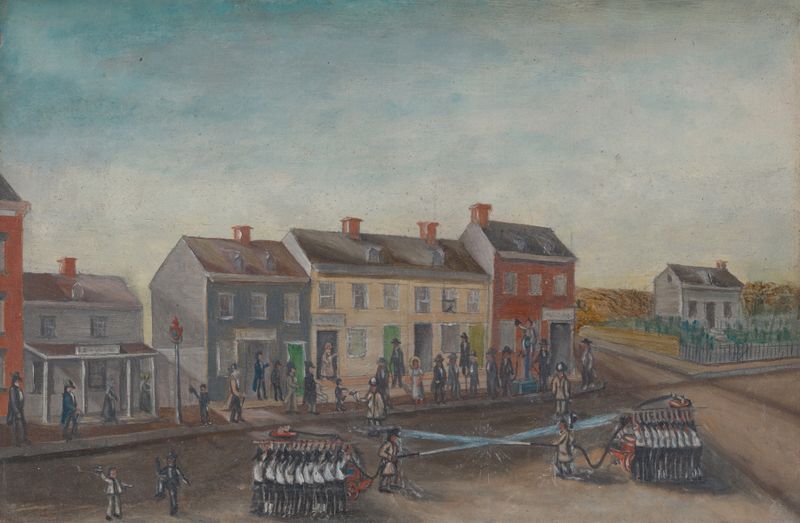
Firemen’s Washing Day
William P. Chappel
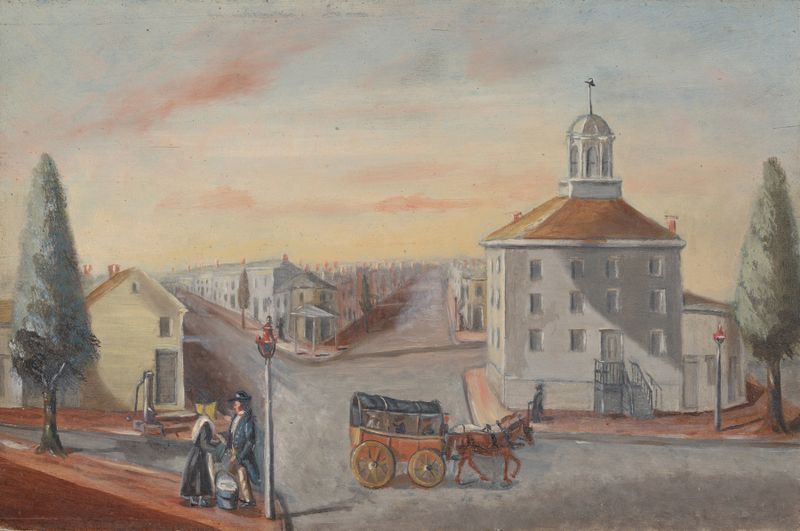
Hot Corn Seller
William P. Chappel
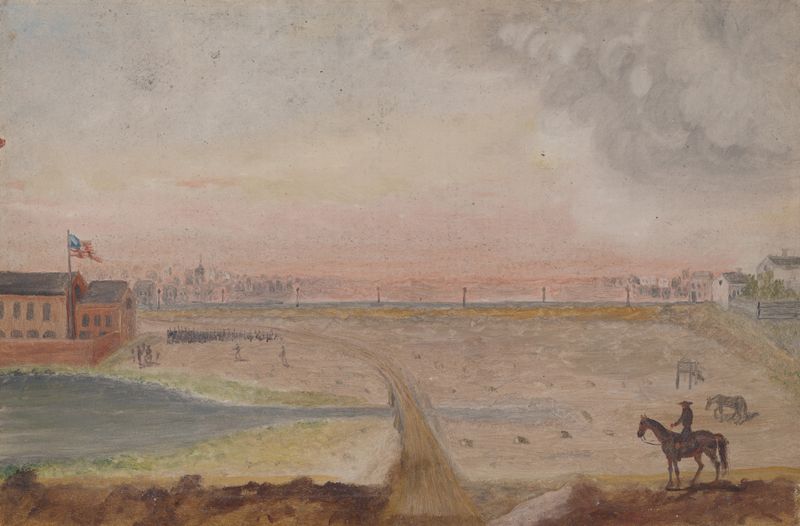
Militia Drilling
William P. Chappel
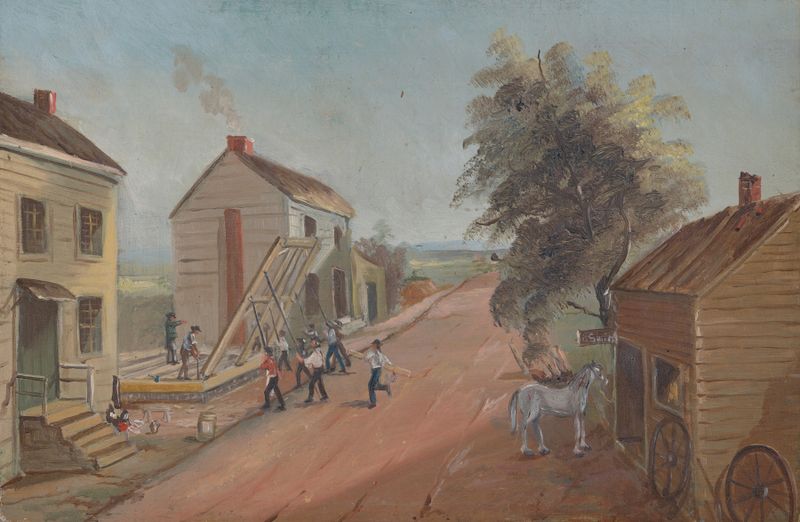
House Raising
William P. Chappel
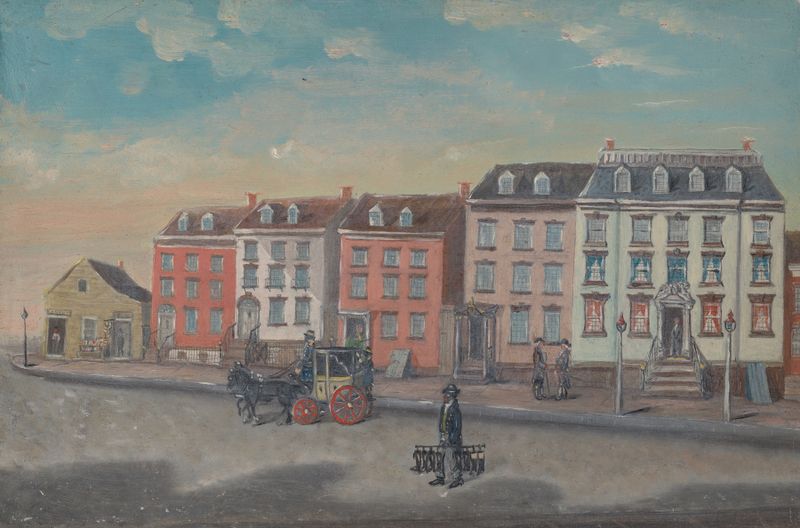
The Boot Black
William P. Chappel
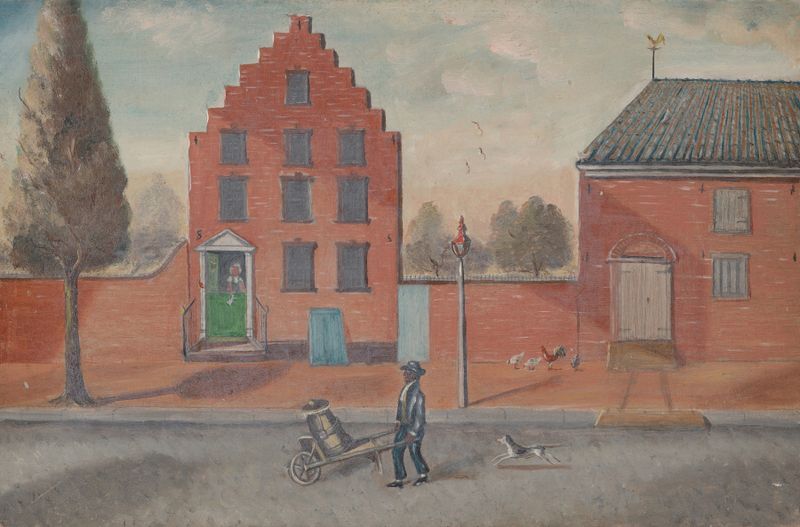
Buttermilk Pedlar
William P. Chappel
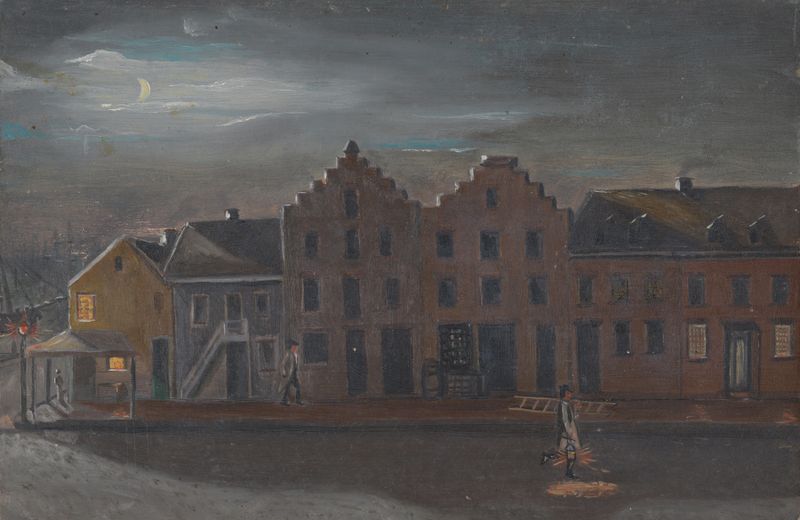
The Lamp Lighter
William P. Chappel
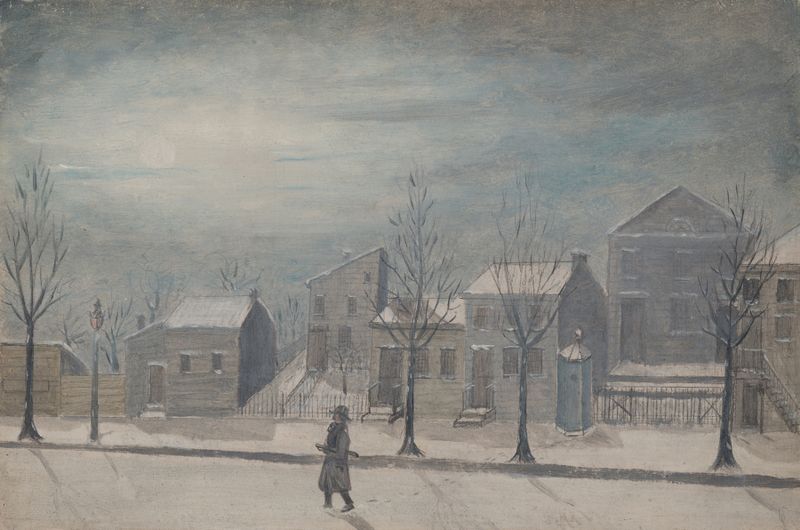
City Watchman
William P. Chappel
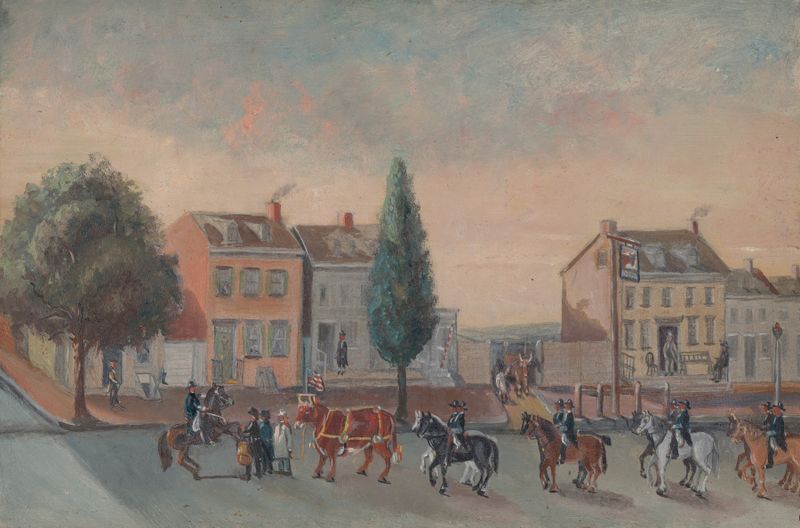
Bull’s Head Tavern
William P. Chappel





