
City Watchman — History & Facts
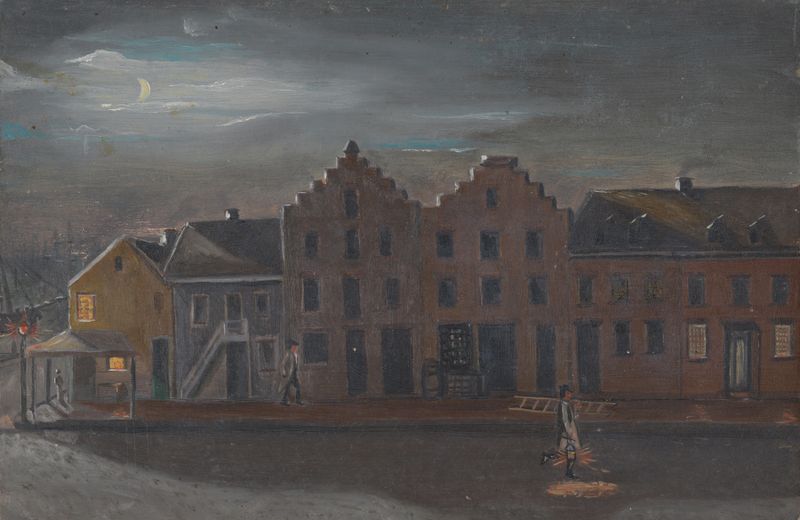
In this stillness lies a profound awe, revealing the heartbeat of a city suspended in time. Look to the center of the painting and identify the watchman, cloaked in the muted colors of his uniform, standing vigil against the backdrop of a dusky skyline. His posture is resolute, yet contemplative, as he surveys the intricate tapestry of urban life unfolding around him. Notice the soft glow of street lamps casting a halo around him, illuminating the delicate brushwork that brings to life the textures of his clothes and the cobblestone street beneath his feet. Yet, beyond the surface of the scene, one can sense an underlying tension.
The watchman embodies a silent guardian, his role bridging the gap between chaos and order, hope and despair. The shadows falling behind him hint at stories left untold — the whisper of the city’s pulse, echoing with both vibrancy and a longing for peace. Every stroke of paint captures fleeting moments, an invitation to ponder the complexities of duty and solitude amid the hustle of city life. During the 1870s, while creating City Watchman, Chappel was immersed in the dynamic world of urban development and societal change in America.
Having settled in Ohio, he was influenced by the rise of cities and the growing demand for public safety, reflecting a broader cultural fascination with the roles individuals play in communal life. This painting, among others of its time, emphasizes the delicate balance between vigilance and vulnerability, capturing a moment in the ever-evolving narrative of modernity.
More Artworks by William P. Chappel
Browse all →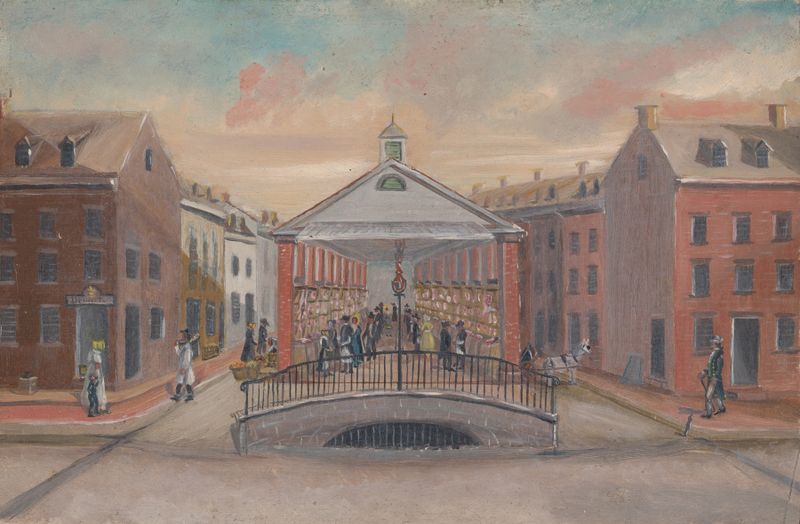
Fly Market
William P. Chappel
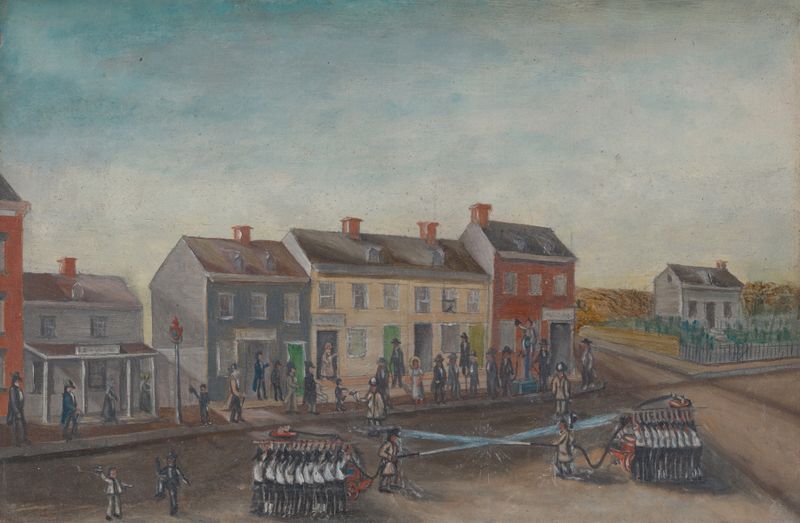
Firemen’s Washing Day
William P. Chappel
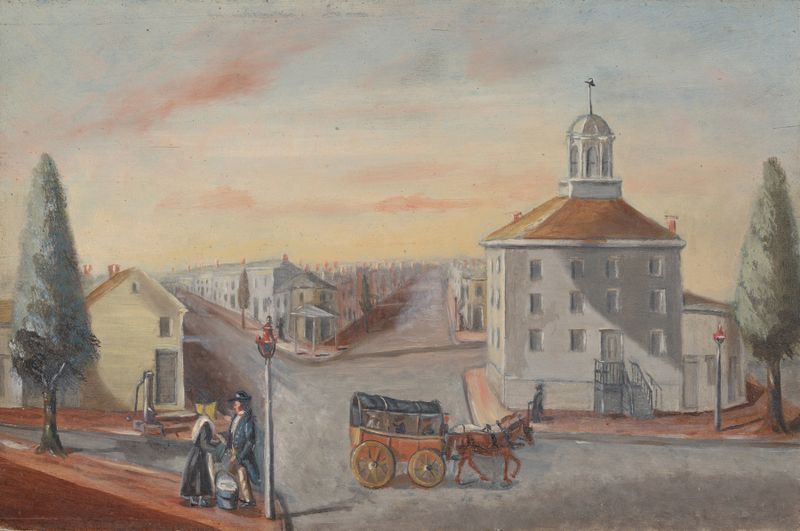
Hot Corn Seller
William P. Chappel
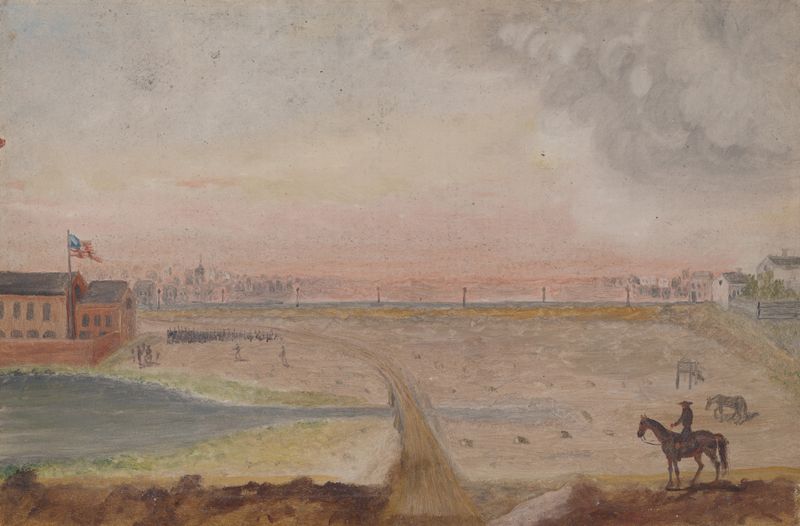
Militia Drilling
William P. Chappel
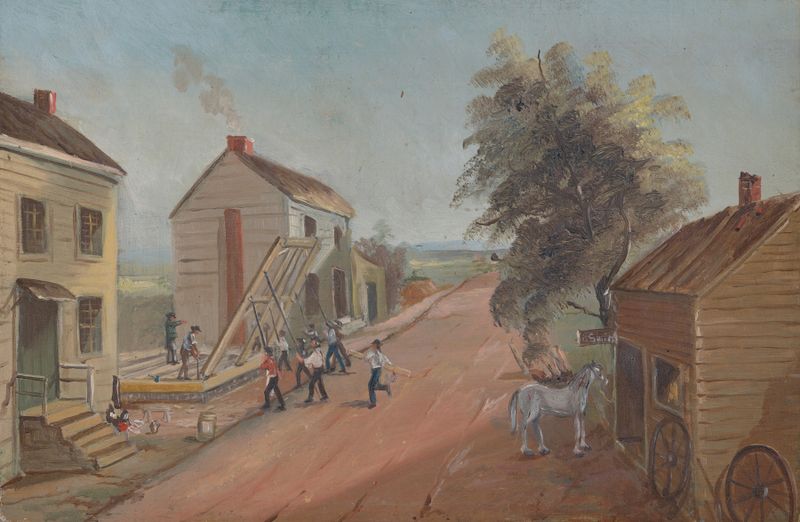
House Raising
William P. Chappel
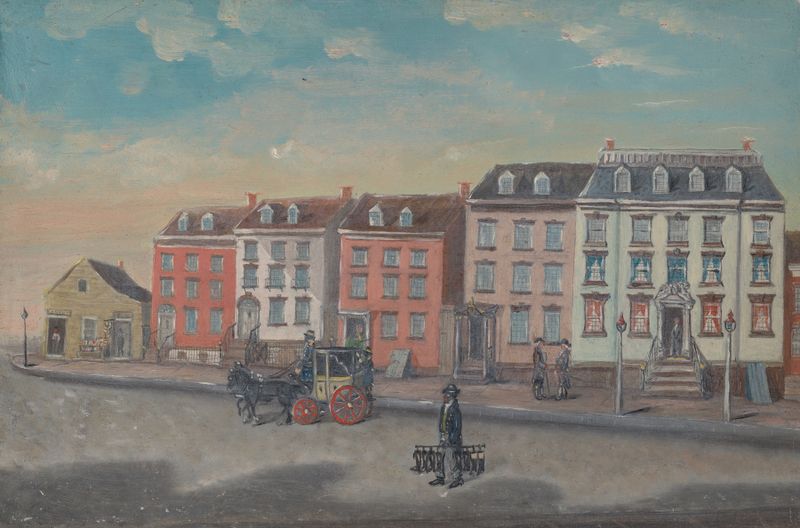
The Boot Black
William P. Chappel
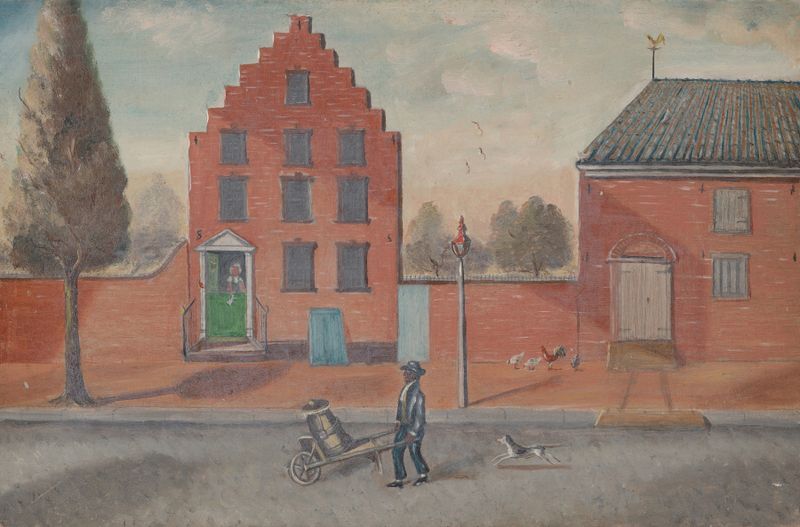
Buttermilk Pedlar
William P. Chappel
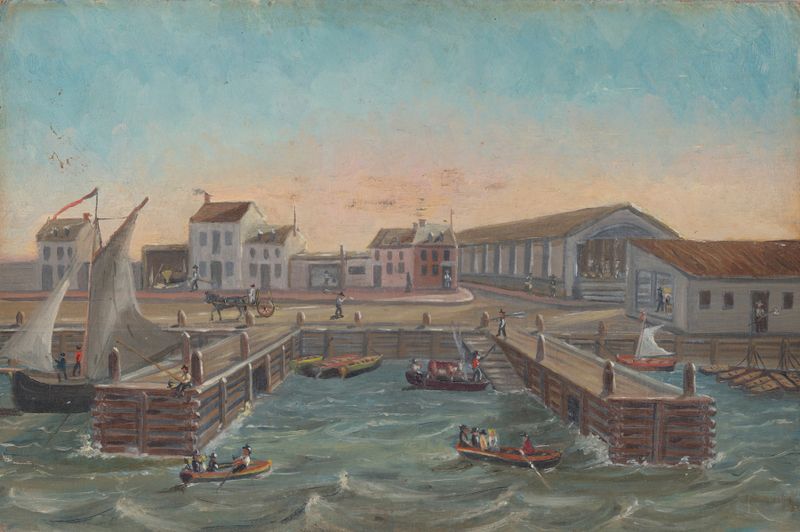
Old Ferry Stairs
William P. Chappel
The Lamp Lighter
William P. Chappel
Bull’s Head Tavern
William P. Chappel





