
Fly Market — History & Facts
In the silence of a bustling marketplace, where life thrums just beyond the canvas, the stillness of Fly Market beckons with an almost ethereal call. It captures a quiet moment amid the chaos, inviting reflection on what lies beneath the surface of everyday life. Look to the left where a group of figures huddles, their faces etched with stories untold, each expression caught in a fleeting glance. Notice how the light filters through the spectral canopy, casting dappled shadows that dance across the cobblestones.
The deft brushwork and muted color palette create a sense of intimacy, drawing the viewer’s gaze deeper into the scene, sharpening focus on the emotions that linger in the air. The interplay of light and shadow not only delineates space but reveals an emotional undercurrent—perhaps a sense of longing or connection among the gathered souls. The juxtaposition of vibrant voices existing in muted expression prompts contemplation on the unvoiced thoughts of those captured within the frame. Here, the vibrancy of life contrasts with the tranquil silence that envelops the gathering, evoking a poignant sense of nostalgia. In the 1870s, William P.
Chappel created Fly Market during a period marked by societal change and artistic evolution. Living in New York, he was influenced by the burgeoning realism movement that sought to depict life as it was, stark and unapologetic. This painting reflects his artistic pursuit to capture the essence of humanity amidst the clamor of the world, presenting a rare moment of introspection in the heart of urban life.
More Artworks by William P. Chappel
Browse all →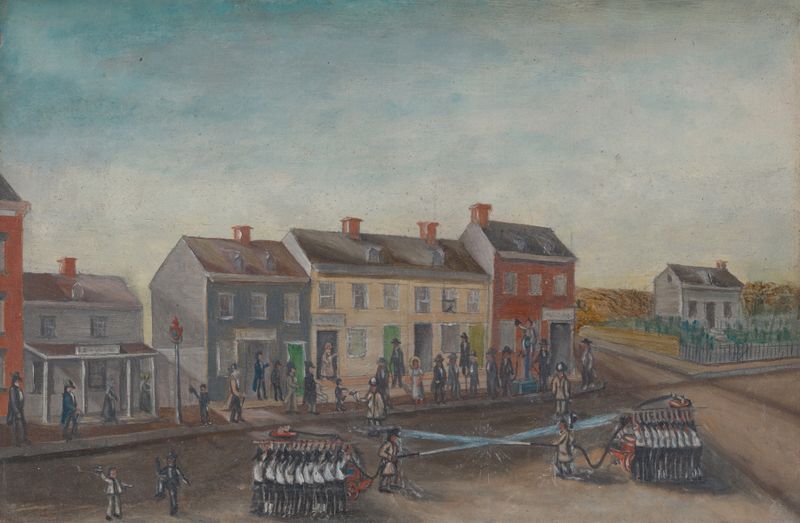
Firemen’s Washing Day
William P. Chappel
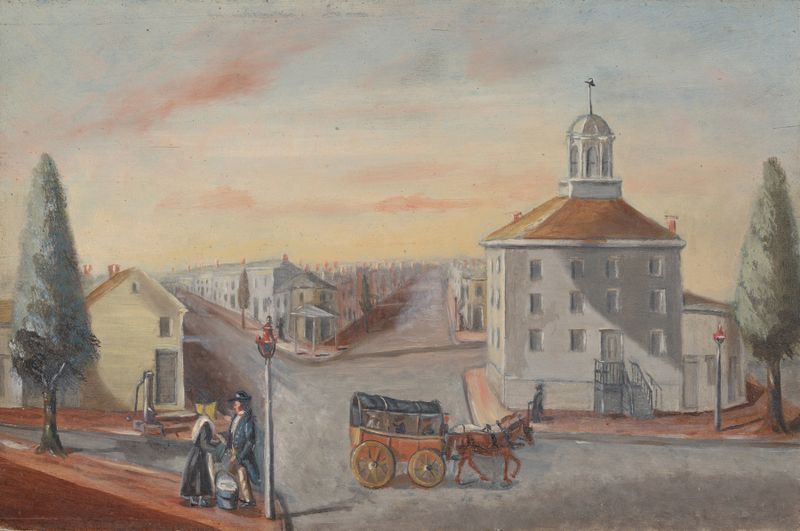
Hot Corn Seller
William P. Chappel
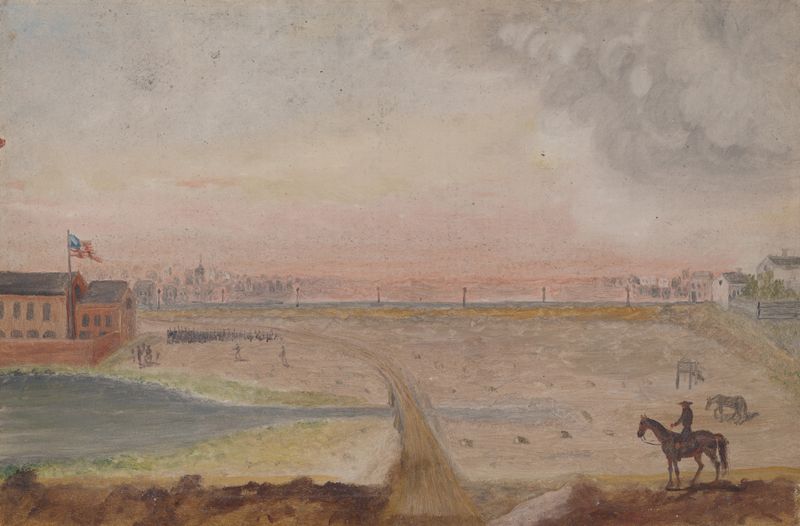
Militia Drilling
William P. Chappel
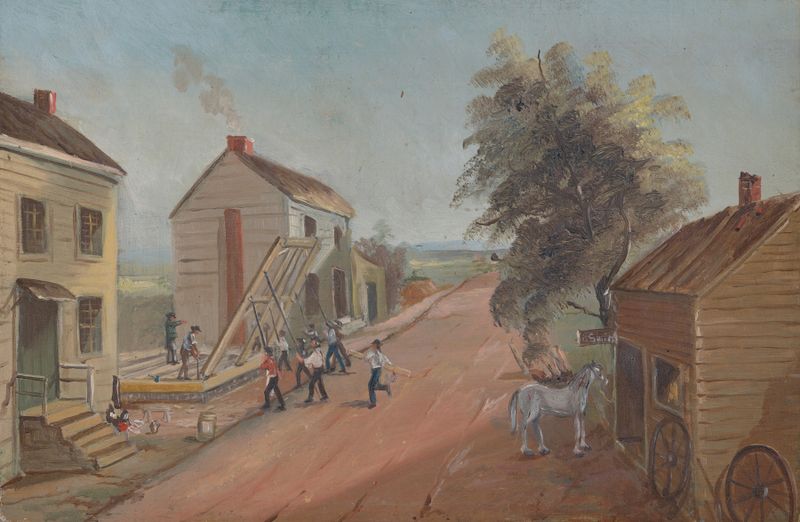
House Raising
William P. Chappel
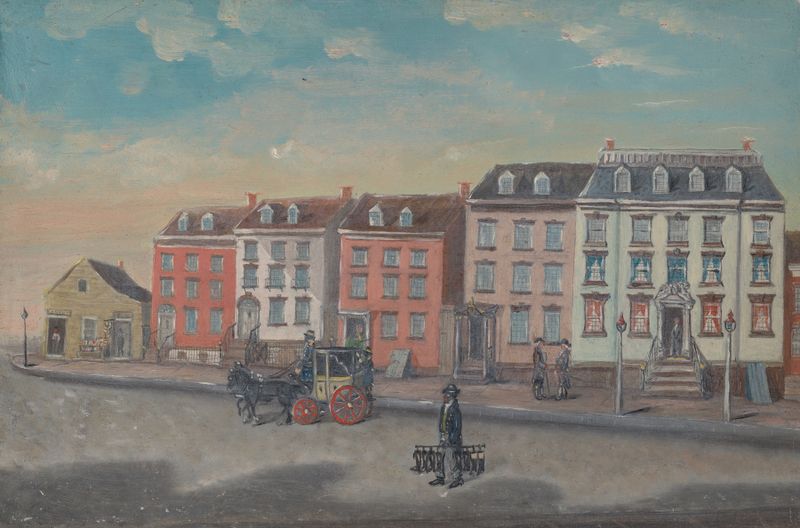
The Boot Black
William P. Chappel
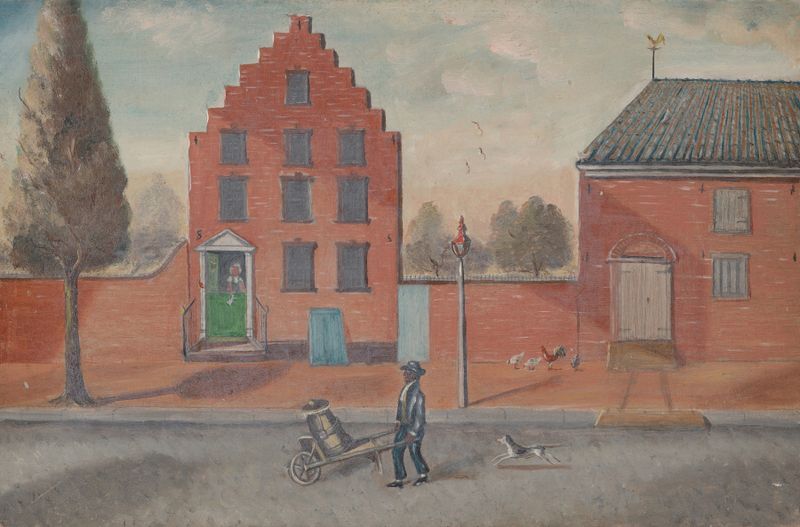
Buttermilk Pedlar
William P. Chappel
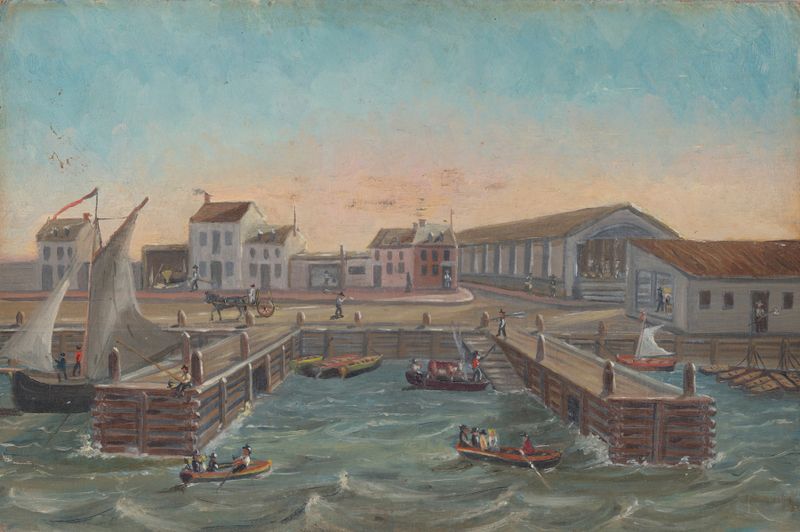
Old Ferry Stairs
William P. Chappel
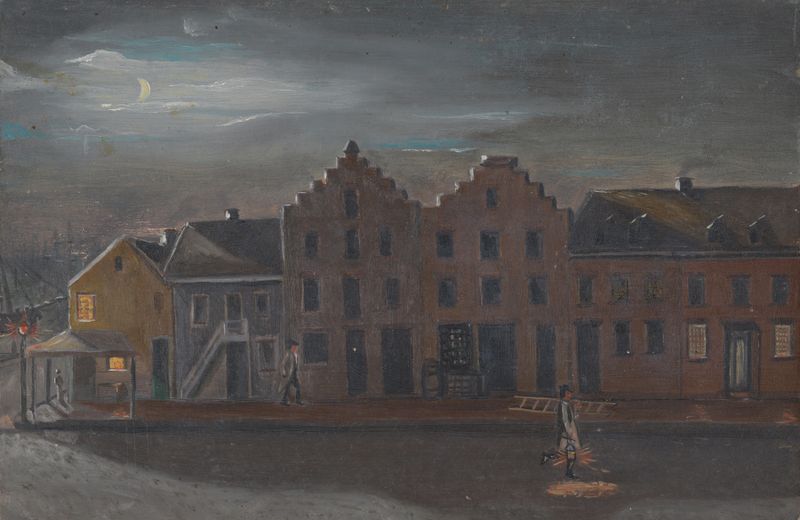
The Lamp Lighter
William P. Chappel
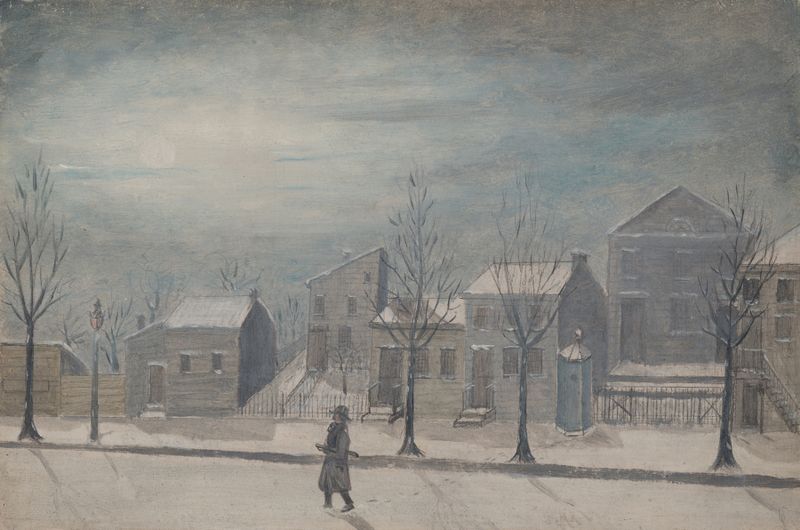
City Watchman
William P. Chappel
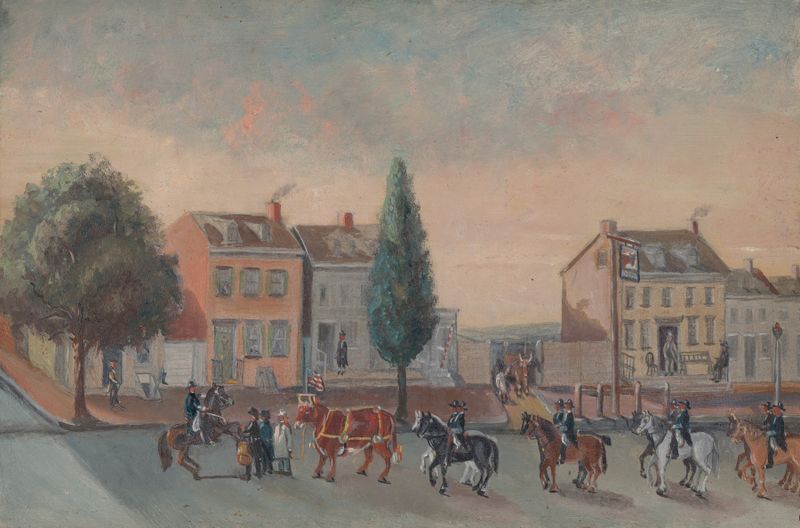
Bull’s Head Tavern
William P. Chappel





