
Baptism of Saint Zenobius — History & Facts
In the closing years of the fifteenth century, Sandro Botticelli turned his attention to the life of Florence’s own patron saint, Zenobius, at a time when the city was riven by political and religious turmoil. The Baptism of Saint Zenobius, painted around 1500, stands out as one of the rare Renaissance depictions of this local figure, whose conversion to Christianity in the fourth century marked a turning point for Florentine religious identity. Botticelli’s choice to paint Zenobius’s baptism, rather than his more famous miracles, reflects the artist’s late-career fascination with spiritual rebirth—a theme that resonated deeply in Florence after the fall of Savonarola. In the painting, Botticelli captures the moment the young Zenobius, draped in a luminous white robe, kneels before the bishop, water streaming from the shell held above his bowed head.
The gathered crowd, rendered with Botticelli’s characteristic linear grace, includes Zenobius’s mother, whose clasped hands and downcast eyes speak of both hope and anxiety for her son’s new faith. The bishop’s gesture, gentle yet commanding, signals the sanctity of the rite, while the golden light that bathes the scene hints at divine approval. Unlike Ghirlandaio’s bustling narrative frescoes of Florentine saints, Botticelli’s composition is spare, almost meditative, focusing the viewer’s eye on the inward transformation rather than outward spectacle. The precise patron of Baptism of Saint Zenobius remains unknown, though it was likely commissioned for a private chapel or as part of a cycle celebrating the saint’s life.
The painting’s medium, now uncertain, has led to ongoing scholarly debate about its original appearance and intended setting. Over the centuries, the work has passed quietly through collections, overshadowed by Botticelli’s more famous mythological scenes but valued by connoisseurs for its rare subject and introspective mood. Today, it stands as a testament to Botticelli’s late style and his engagement with the spiritual currents that shaped Florence at the dawn of the sixteenth century.
More Artworks by Sandro Botticelli
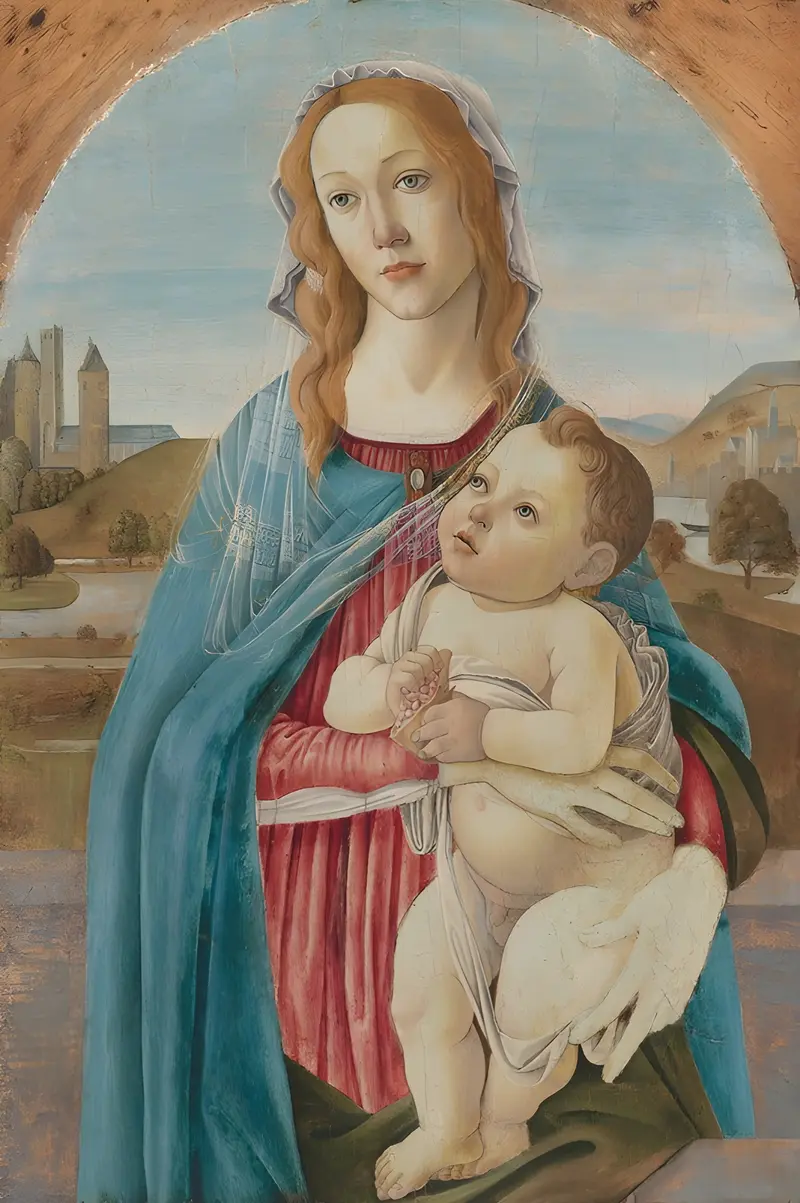
Virgin and Child
Sandro Botticelli
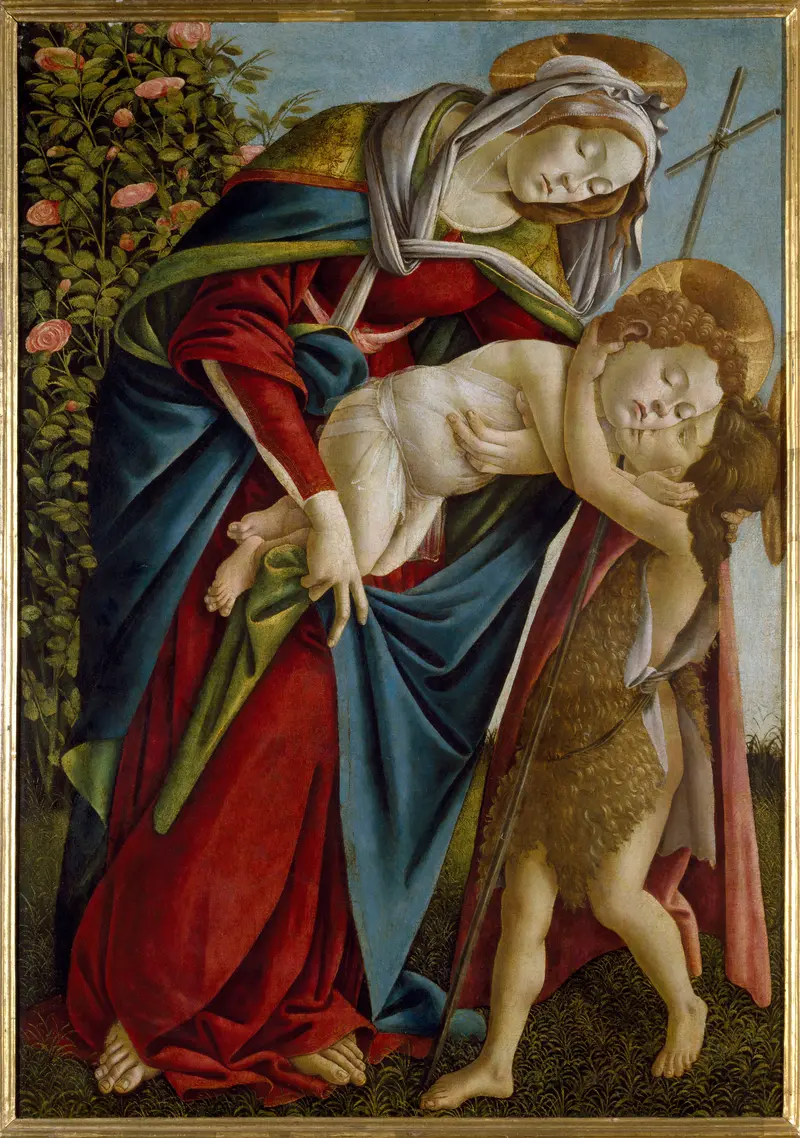
Madonna and Child and the Young St John the Baptist
Sandro Botticelli
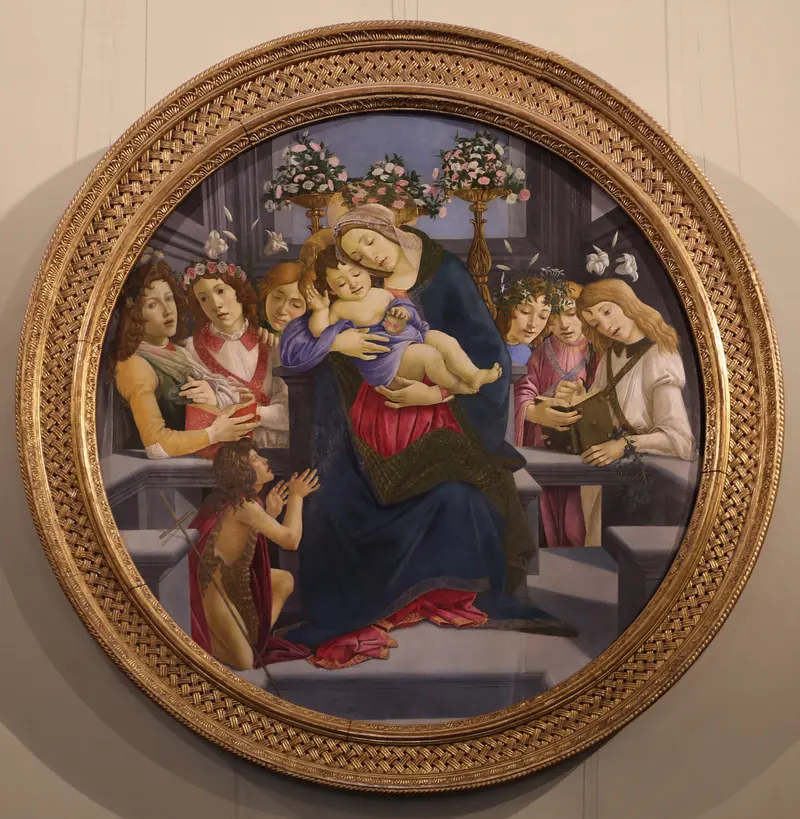
Madonna and Child with six angels and Saint John the Baptist as Child
Sandro Botticelli
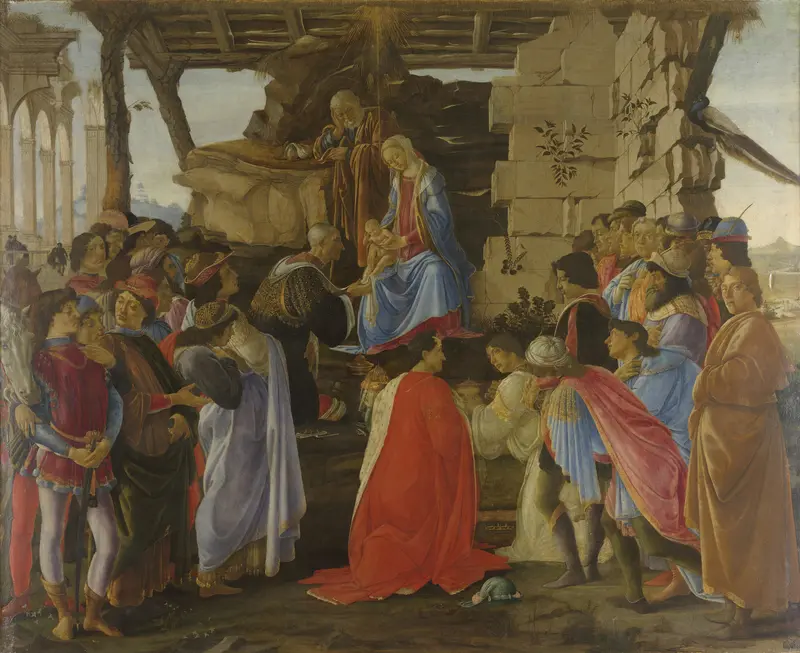
Adoration of the Magi
Sandro Botticelli

Virgin and Child with the Young Saint John the Baptist
Sandro Botticelli
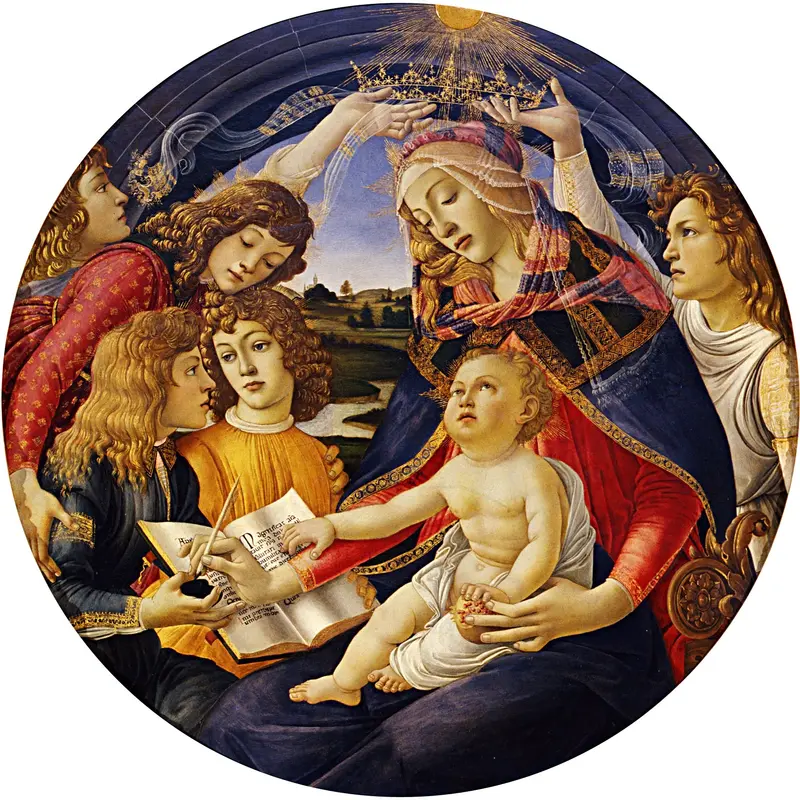
Madonna of the Magnificat
Sandro Botticelli
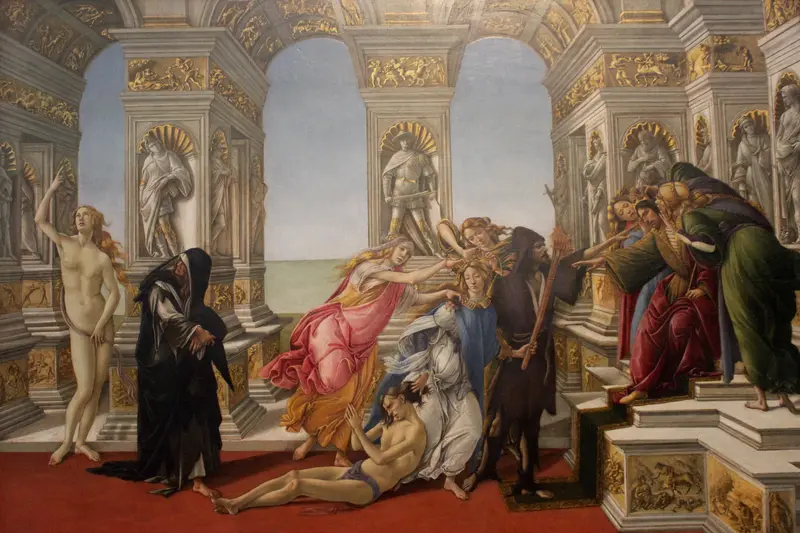
Calumny of Apelles
Sandro Botticelli
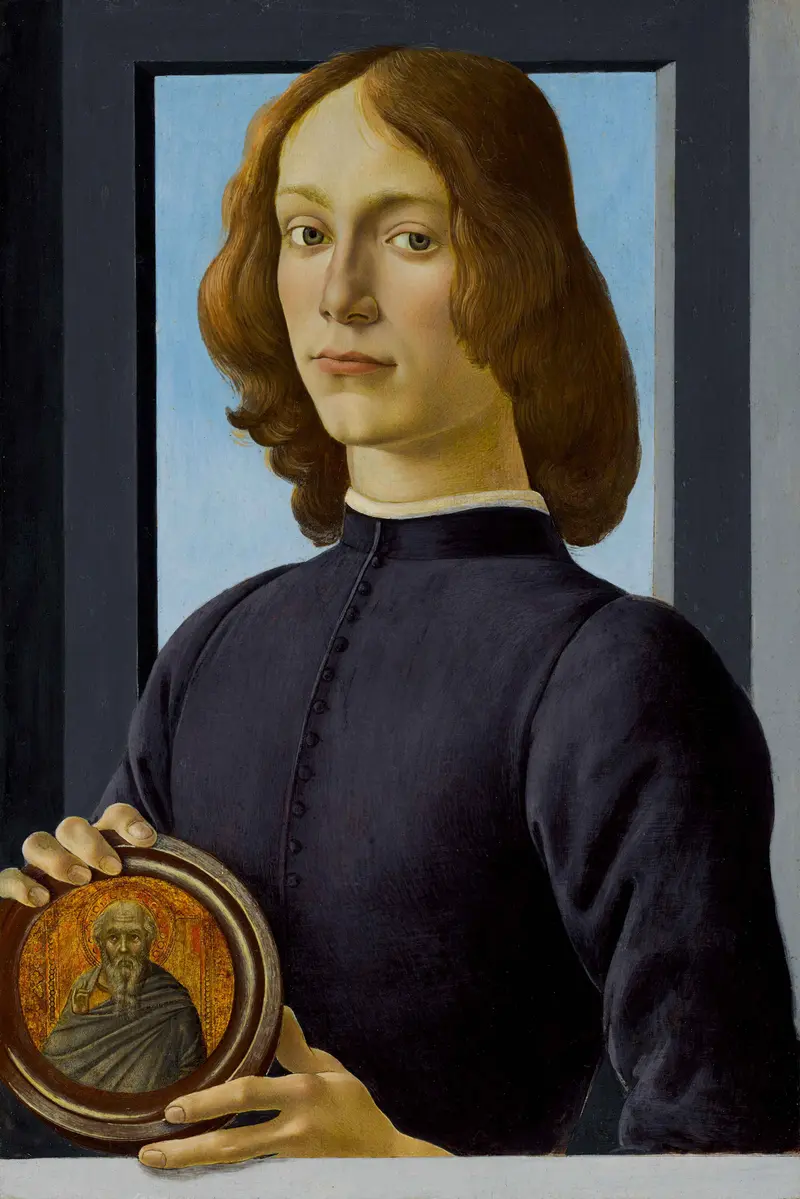
Portrait of a young man holding a roundel
Sandro Botticelli

The Trinity with Saint Mary Magdalene and Saint John the Baptist, the Archangel Raphael and Tobias
Sandro Botticelli
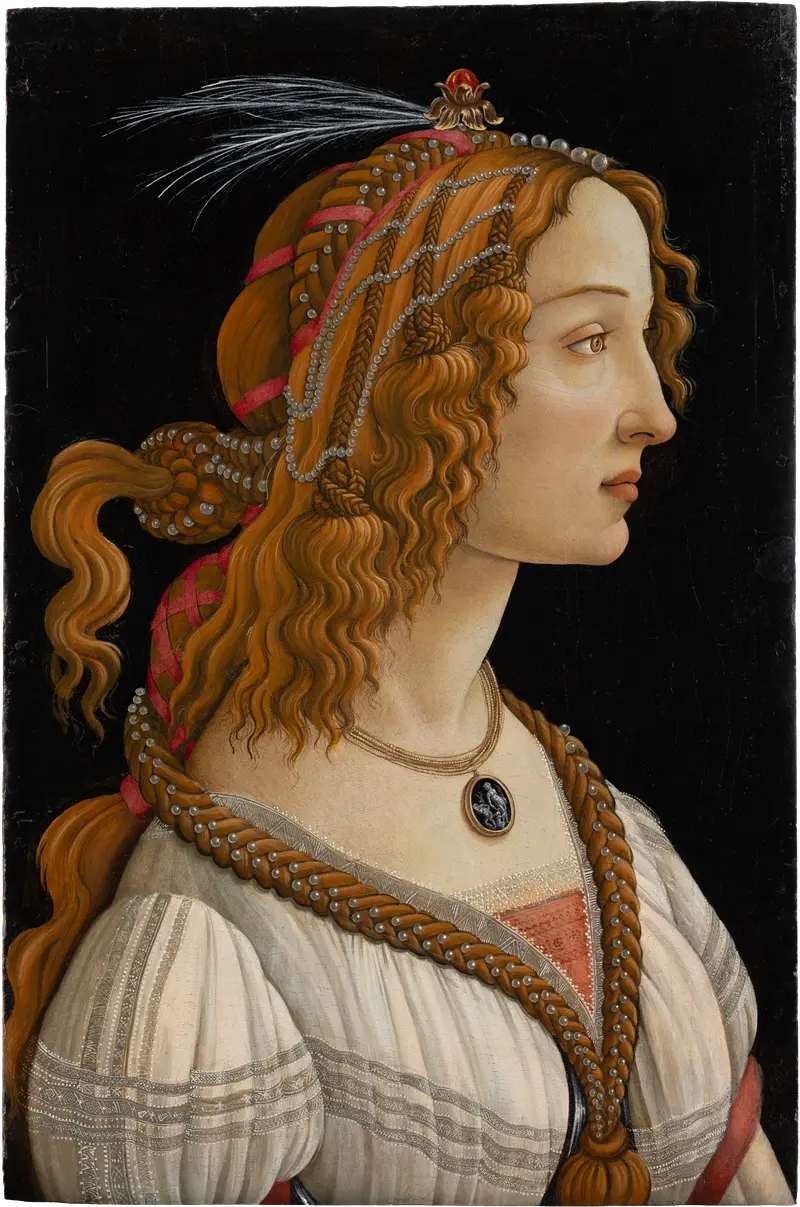
Idealized Portrait of a Lady (Portrait of Simonetta Vespucci as Nymph)
Sandro Botticelli





