
Barnard Castle — History & Facts
In the stillness of art, chaos often simmers beneath the surface, yearning to break free. Look to the center of the composition, where the imposing structure of Barnard Castle stands resolute against a tumultuous sky. Notice how Fielding employs a rich palette of grays and blues, employing brushstrokes that seem to quiver with a life of their own. The interplay of light and shadow captures the castle's rugged texture, as it emerges defiantly from a tangled landscape, drawing the viewer's gaze with an undeniable gravitas. Yet, the surrounding elements tell a different story.
The trees, their branches twisted and chaotic, convey an unsettling energy, whispering tales of nature’s unchecked power. The dark clouds looming overhead hint at an approaching storm, a metaphor for impending turmoil. This juxtaposition of the steadfast castle and the wild chaos enveloping it invites reflection on stability amidst uncertainty, where strength and vulnerability coexist. In 1825, Theodore Henry Adolphus Fielding created this work during a period when the Romantic movement was gaining momentum across Europe.
Living in England, he was captivated by the natural landscape, frequently depicting scenes that blended architecture with the wildness of nature. This piece reflects not only his personal artistic journey but also an era that sought to explore emotional depth and the sublime in the ever-changing world around him.
More Artworks by Theodore Henry Adolphus Fielding
Browse all →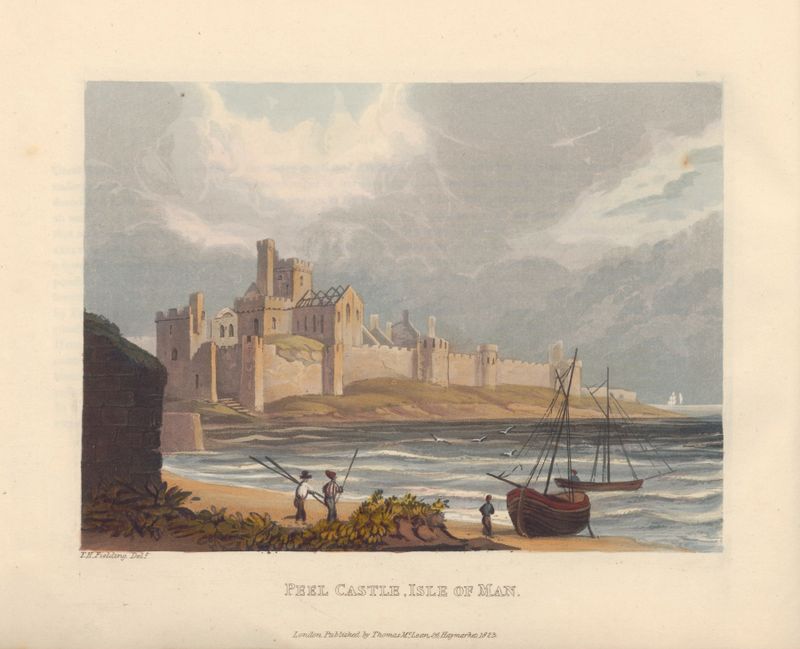
Peel Castle, Isle of Man
Theodore Henry Adolphus Fielding
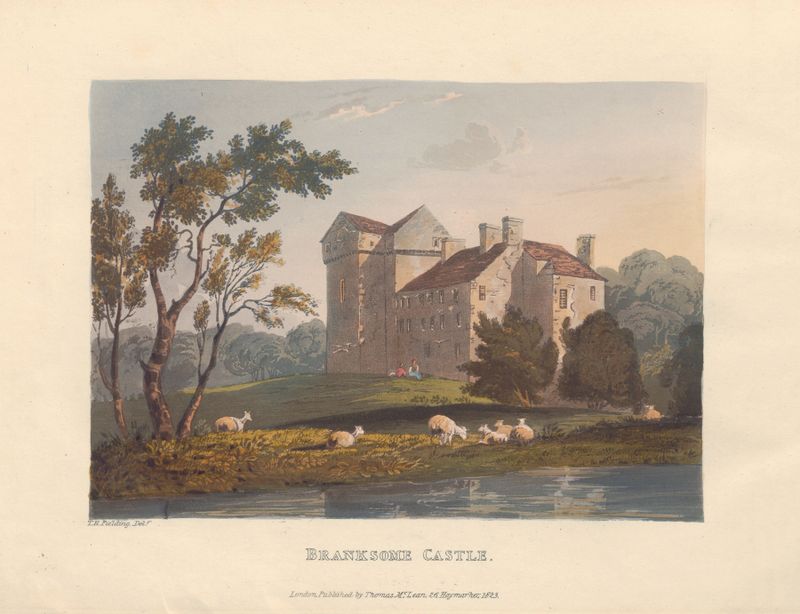
Branksome Castle
Theodore Henry Adolphus Fielding
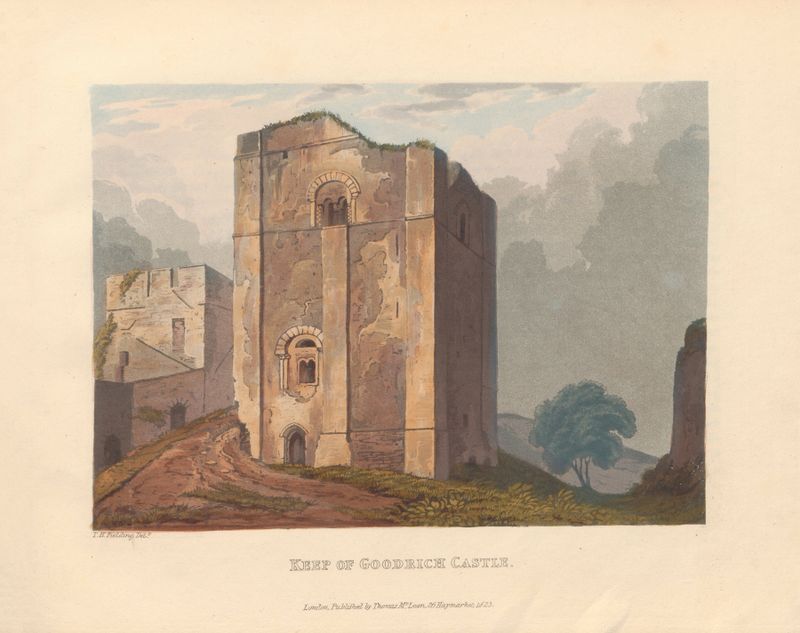
Keep of Goodrich Castle
Theodore Henry Adolphus Fielding
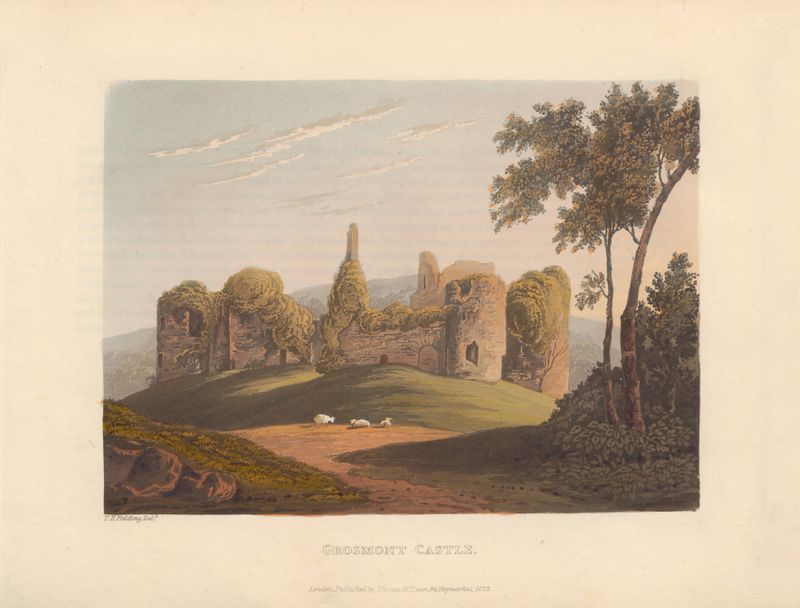
Grosmont Castle
Theodore Henry Adolphus Fielding
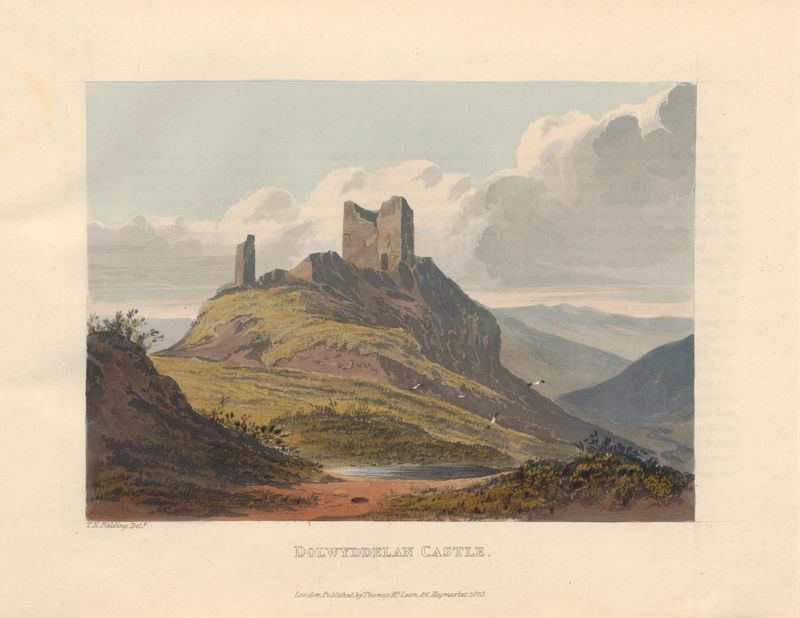
Dolwyddelan Castle
Theodore Henry Adolphus Fielding
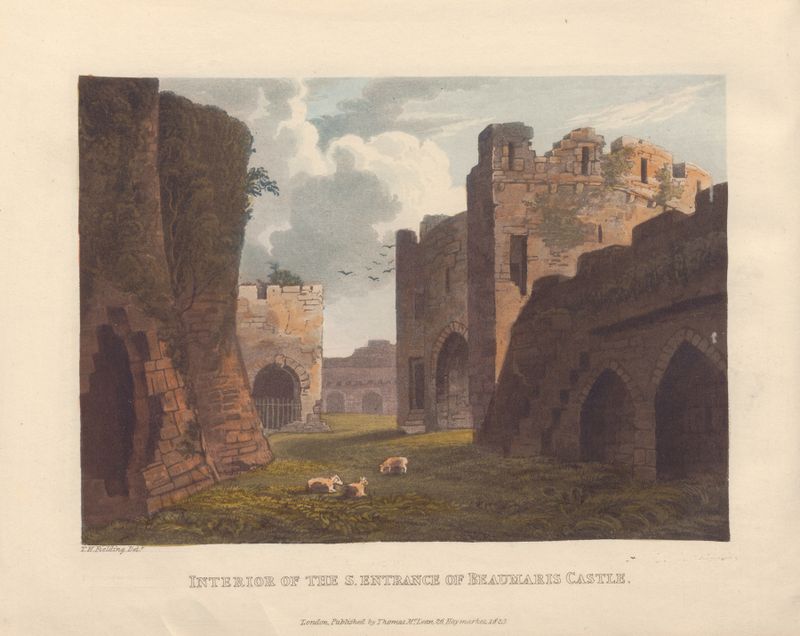
Interior of the south entrancce of Beaumaris Castle
Theodore Henry Adolphus Fielding
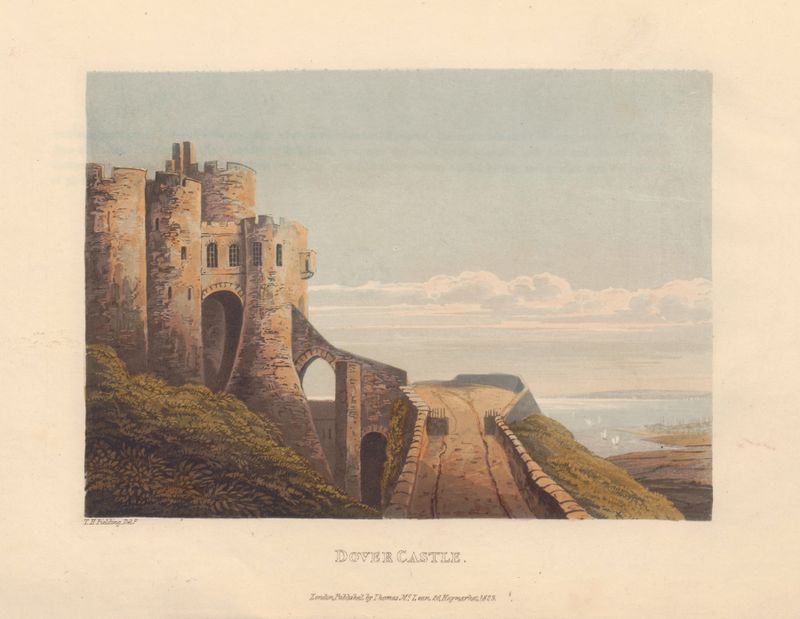
Dover Castle
Theodore Henry Adolphus Fielding
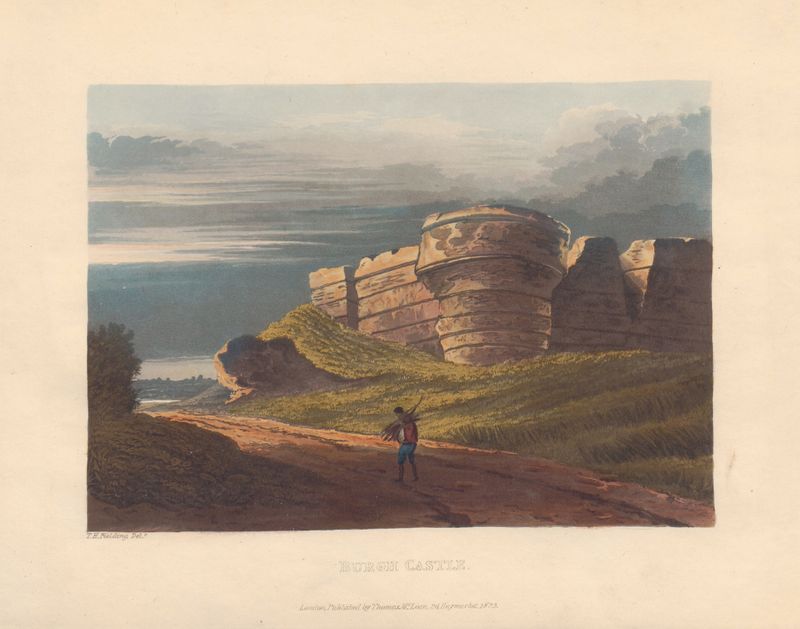
Burgh Castle
Theodore Henry Adolphus Fielding
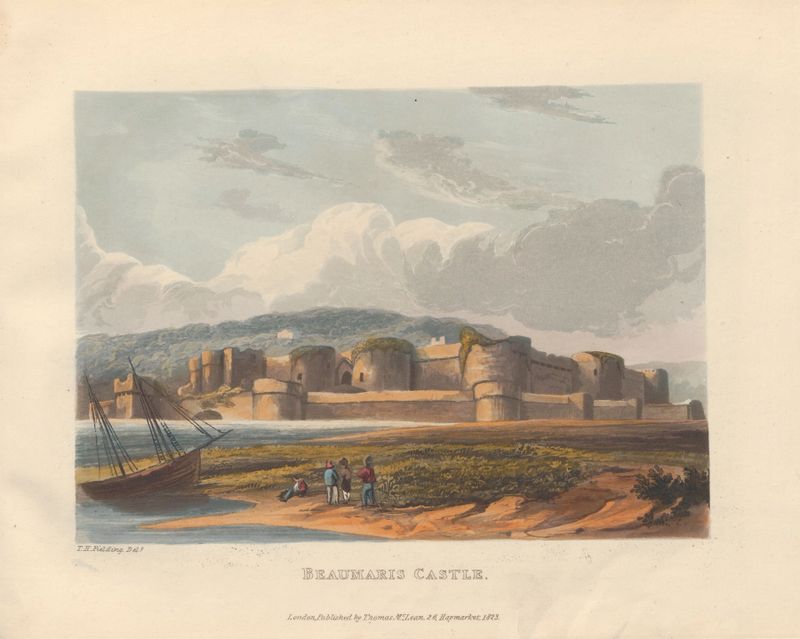
Beaumaris Castle
Theodore Henry Adolphus Fielding
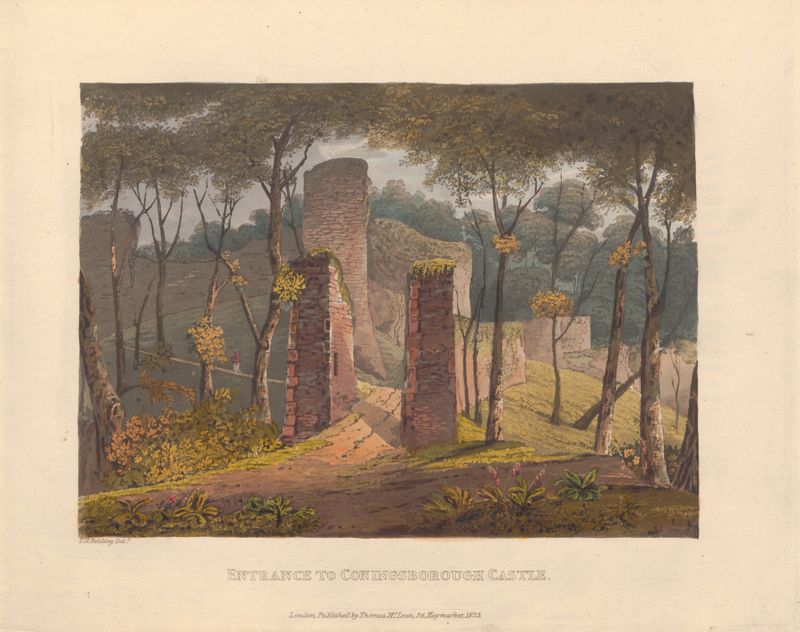
Entrance to Coningsborough Castle
Theodore Henry Adolphus Fielding
More Architecture Art
Browse all →
The statue of Liberty
Frédéric Auguste Bartholdi

View of Houses in Delft, Known as ‘The Little Street’
Johannes Vermeer

View of Houses in Delft, Known as ‘The Little Street’
Johannes Vermeer

The Cathedral in Rouen. The portal, Grey Weather
Claude Monet

The yellow house
Vincent van Gogh

The Church in Auvers-sur-Oise, View from the Chevet
Vincent van Gogh