
Dolwyddelan Castle — History & Facts
When did color learn to lie? The vivid allure of hues can sometimes obscure the truth, whispering sweet tales of memories crafted and moments long past. In Dolwyddelan Castle, the artist lays bare the tension between reality and recollection, inviting us to ponder the narratives that landscapes weave. Look to the left at the jagged silhouette of the castle, its stone edifice silhouetted against a tumultuous sky. The use of muted greens and deep grays captures the rugged Welsh terrain, while soft brush strokes convey a sense of nostalgia that hangs over the scene like morning mist.
The play of light and shadow brings the castle to life, anchoring it as a steadfast monument amidst the swirling emotional backdrop. Amidst the dramatic landscape, the contrast of light and dark speaks to the dichotomy of permanence and transience. The castle, steeped in history, stands resolute while the soft clouds drift—symbolizing memories that fade yet linger in the mind. The intricate details of the stonework evoke the passage of time, hinting at stories untold and lives once lived within those walls.
This tension invites reflection on the nature of memory itself, shaped by emotion and filtered through the lens of our experiences. Fielding painted Dolwyddelan Castle in 1825, during a period of increasing romanticism in art. Living in England, he found inspiration in the natural beauty of Wales and the stories embedded in its landscapes. This era was marked by a burgeoning appreciation for the sublime, as artists sought to connect with the emotional depth of their environments, a pursuit that resonated deeply within Fielding’s works.
More Artworks by Theodore Henry Adolphus Fielding
Browse all →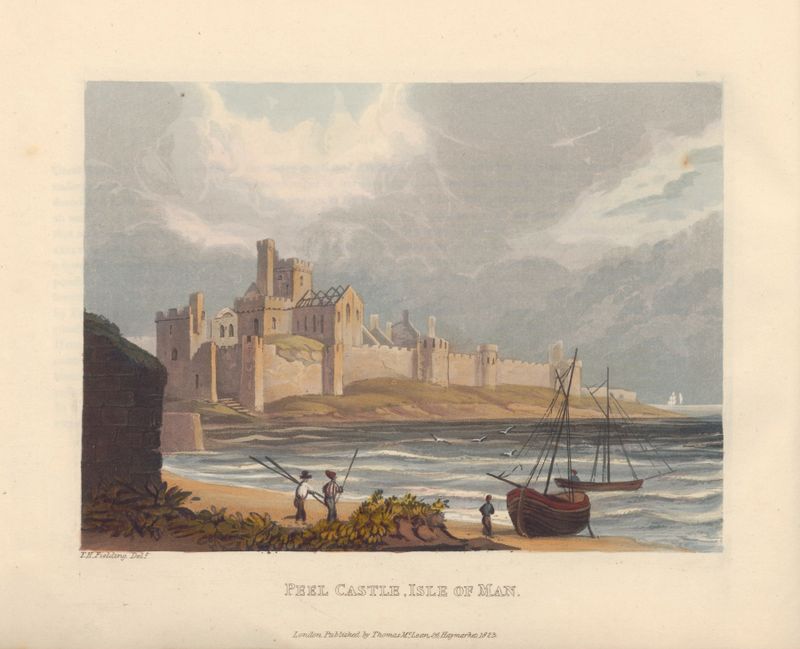
Peel Castle, Isle of Man
Theodore Henry Adolphus Fielding
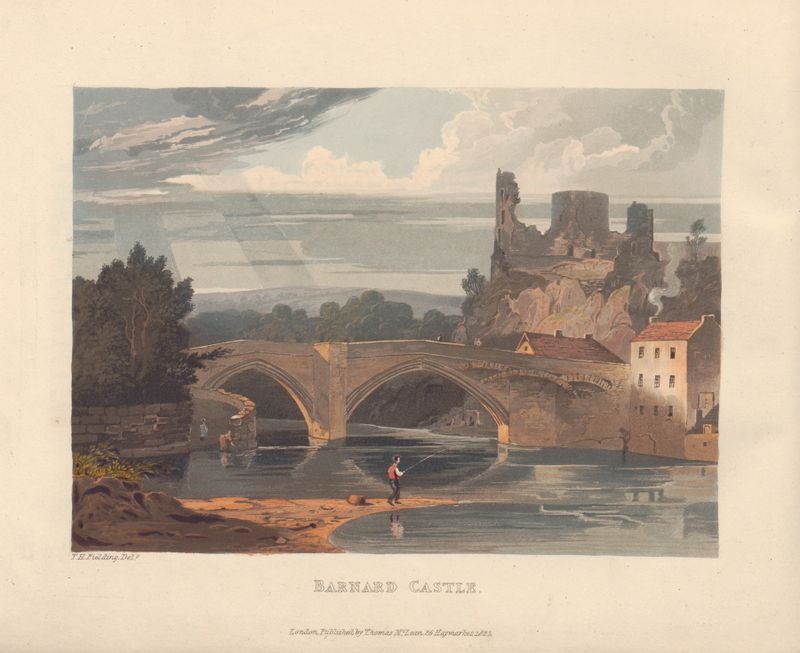
Barnard Castle
Theodore Henry Adolphus Fielding
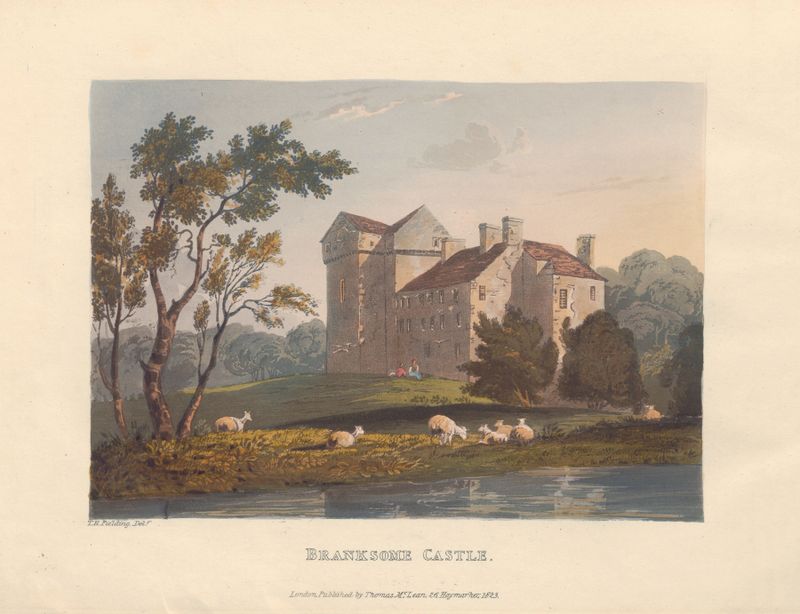
Branksome Castle
Theodore Henry Adolphus Fielding
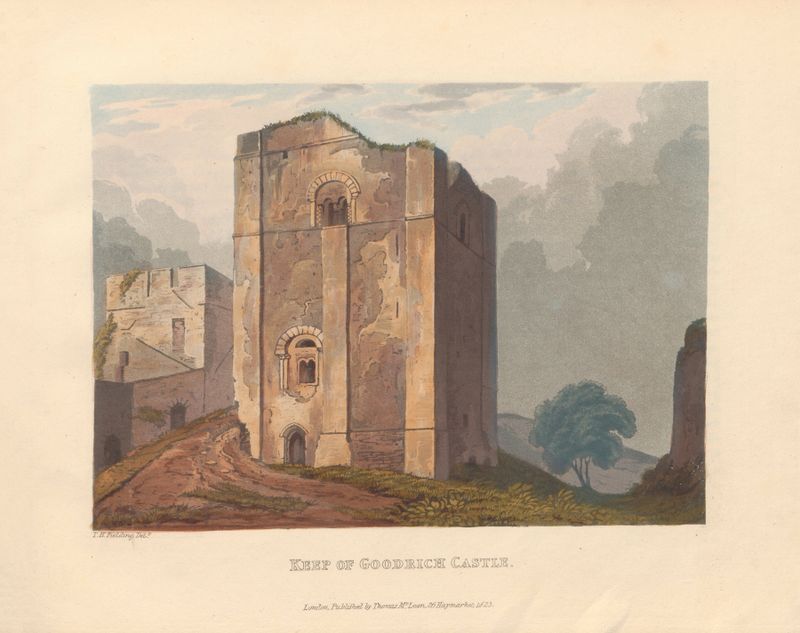
Keep of Goodrich Castle
Theodore Henry Adolphus Fielding
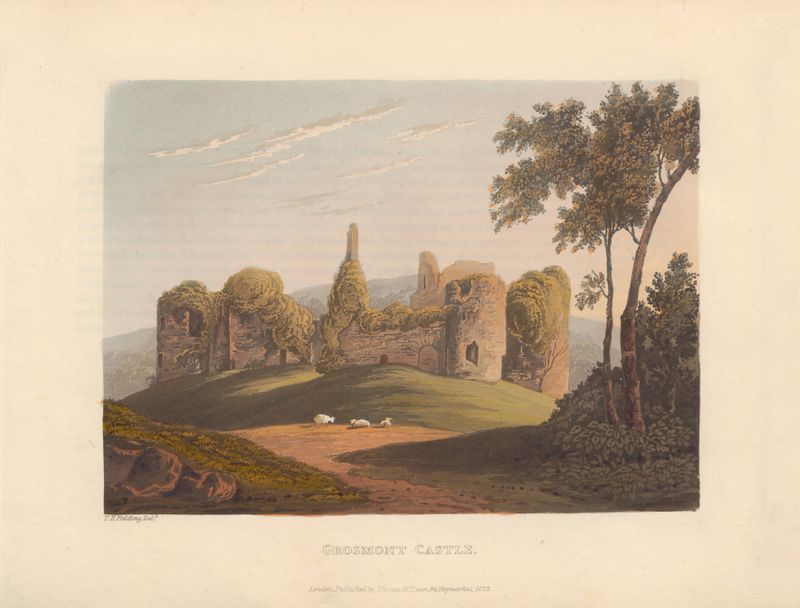
Grosmont Castle
Theodore Henry Adolphus Fielding
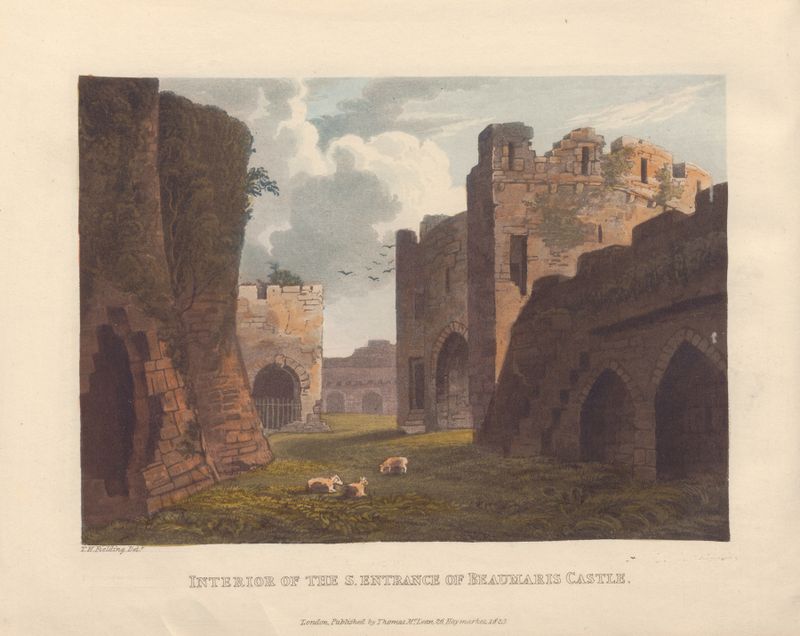
Interior of the south entrancce of Beaumaris Castle
Theodore Henry Adolphus Fielding
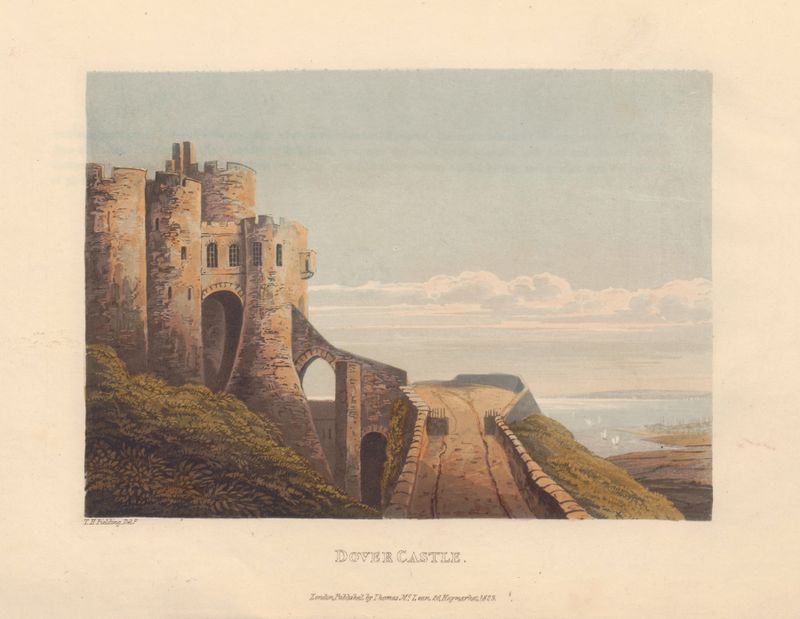
Dover Castle
Theodore Henry Adolphus Fielding
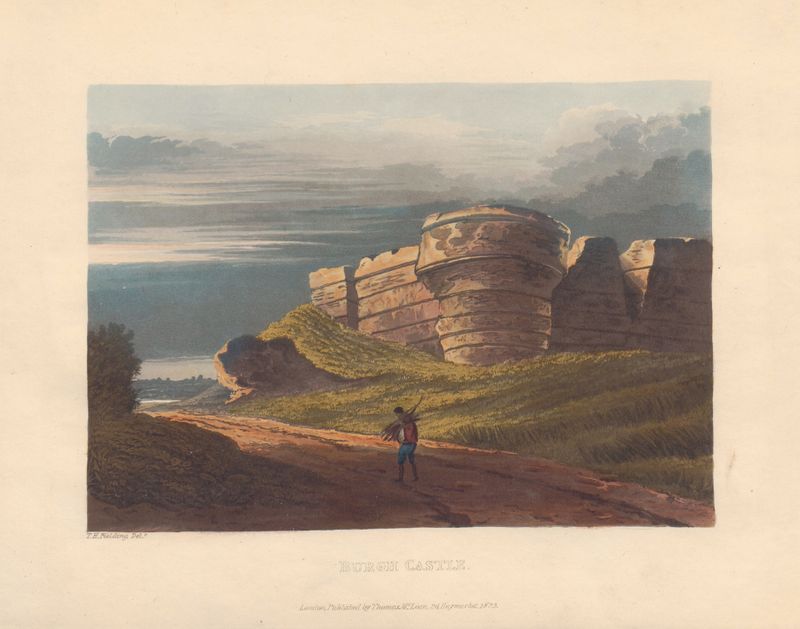
Burgh Castle
Theodore Henry Adolphus Fielding
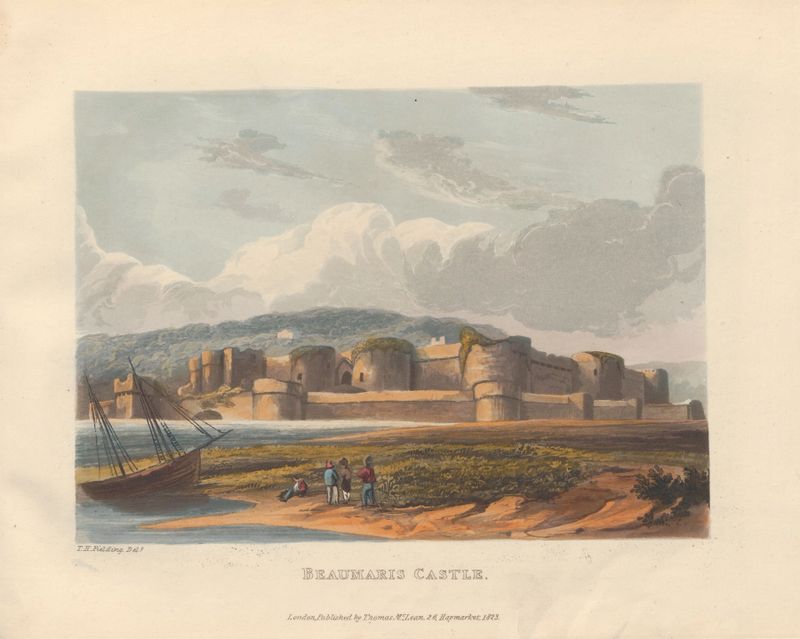
Beaumaris Castle
Theodore Henry Adolphus Fielding
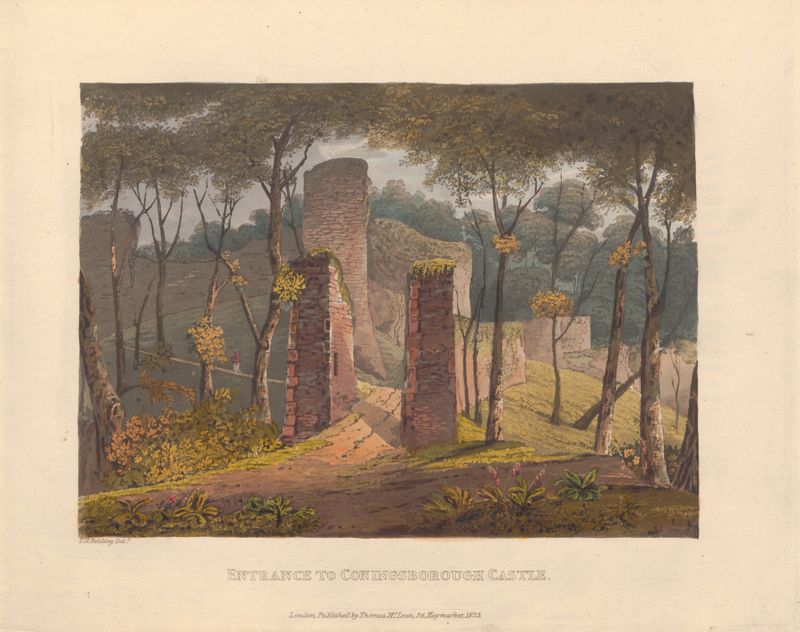
Entrance to Coningsborough Castle
Theodore Henry Adolphus Fielding





