
Dover Castle — History & Facts
Did the painter know this moment would outlive them? In Dover Castle, an eternal truth reverberates through the stone walls and the whispering winds, inviting us to ponder the weight of history encapsulated within its frame. Look to the left of the canvas, where the imposing structure of the castle stands resolute against the backdrop of a vast sky. Notice how the artist employs delicate brushstrokes to capture the texture of the stone and the interplay of light and shadow across the fortress, revealing the strength of its architecture. The warm hues of the setting sun spill across the landscape, lending a golden glow to the scene, while the soft blues of the sky evoke a sense of calm.
The careful composition draws the viewer’s eye to the castle, yet the surrounding landscape breathes life into the painting, reminding us of the world beyond those sturdy walls. In this artwork, contrasts emerge—a juxtaposition of permanence and transience, of man’s creations set against nature’s grandeur. The castle symbolizes resilience, a testament to human endeavor, while the airy clouds shift above, hinting at change and the passage of time. Each detail—the fluttering flag atop the castle, the distant boats gliding upon the water—whispers stories of lives lived, battles fought, and the enduring spirit of a community anchored by history. Theodore Henry Adolphus Fielding painted this masterpiece in 1825, during a period of transition in British art as Romanticism flourished.
Living in a time of burgeoning interest in landscape painting, he sought to capture not only the physical essence of his subjects but also their emotional resonance. It was an era marked by a growing appreciation for the sublime in nature, as artists moved toward expressing deeper truths through their works.
More Artworks by Theodore Henry Adolphus Fielding
Browse all →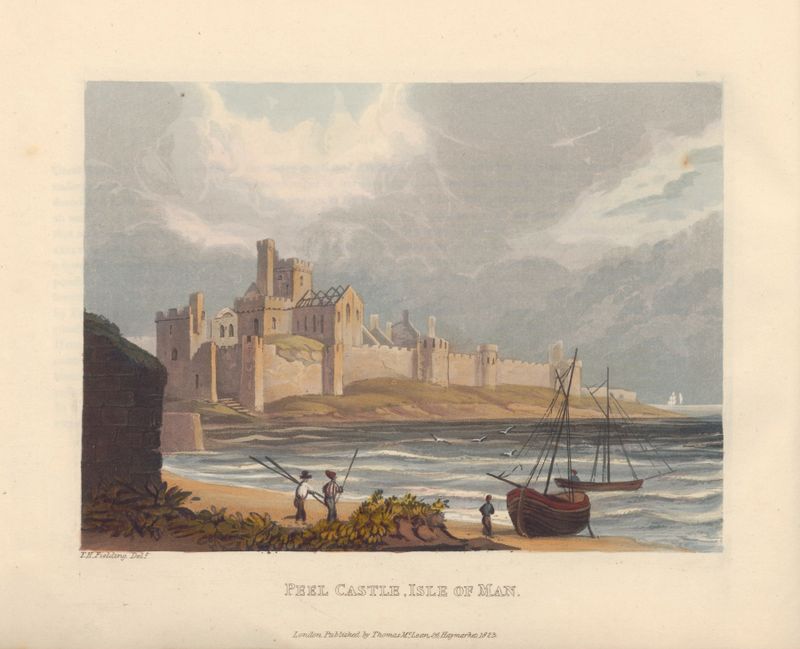
Peel Castle, Isle of Man
Theodore Henry Adolphus Fielding
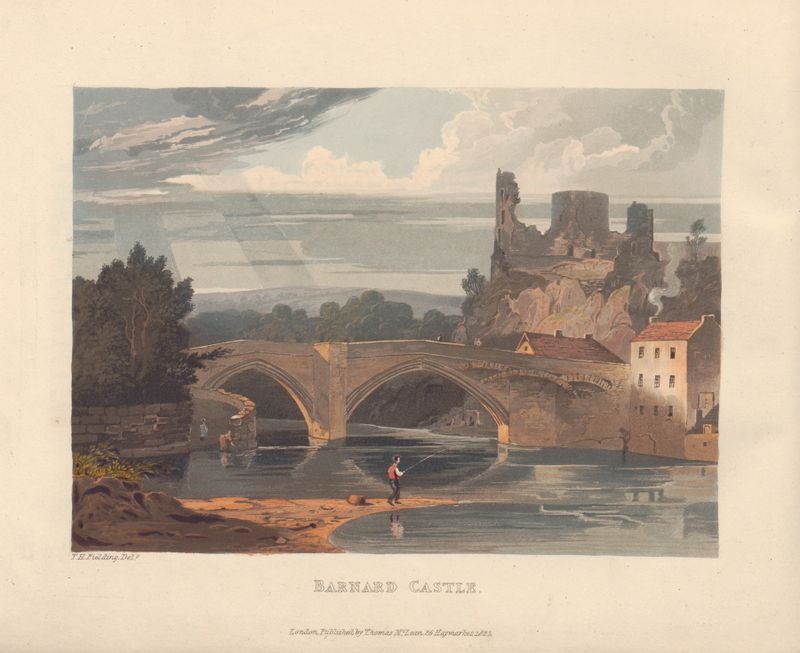
Barnard Castle
Theodore Henry Adolphus Fielding
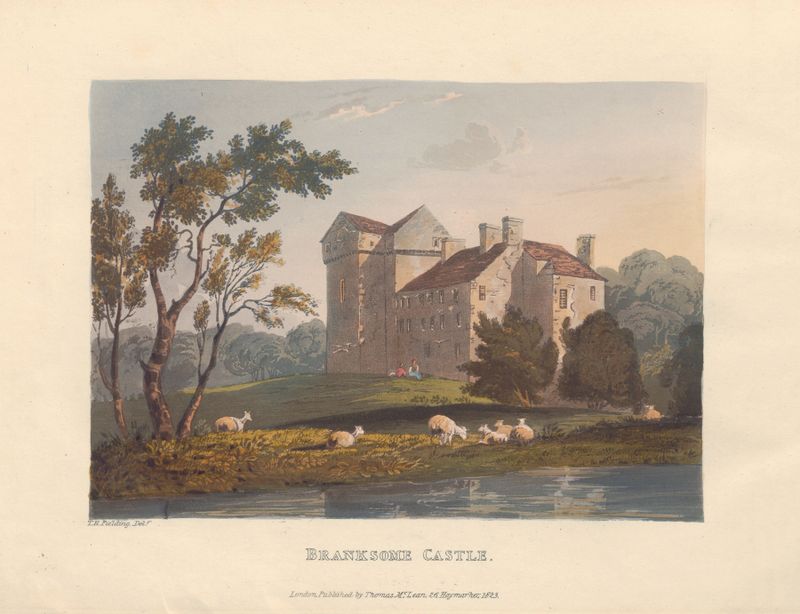
Branksome Castle
Theodore Henry Adolphus Fielding
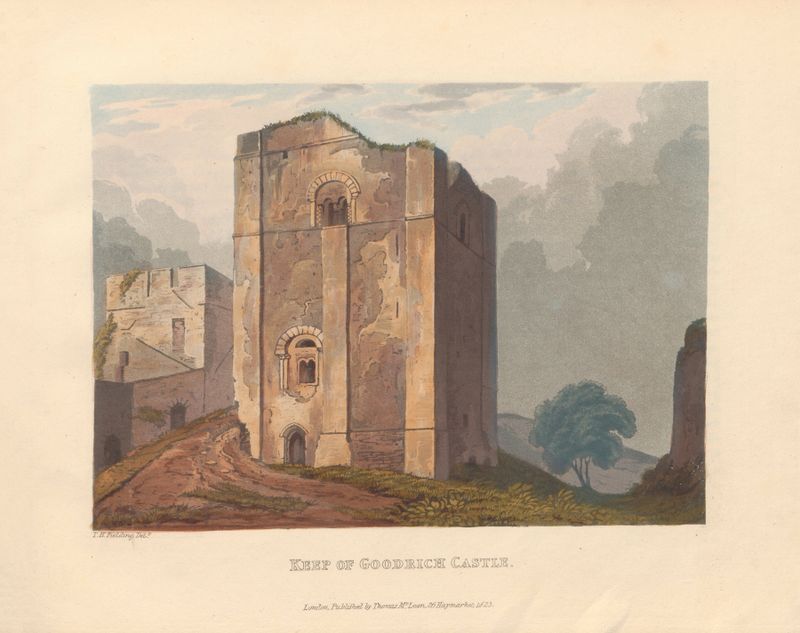
Keep of Goodrich Castle
Theodore Henry Adolphus Fielding
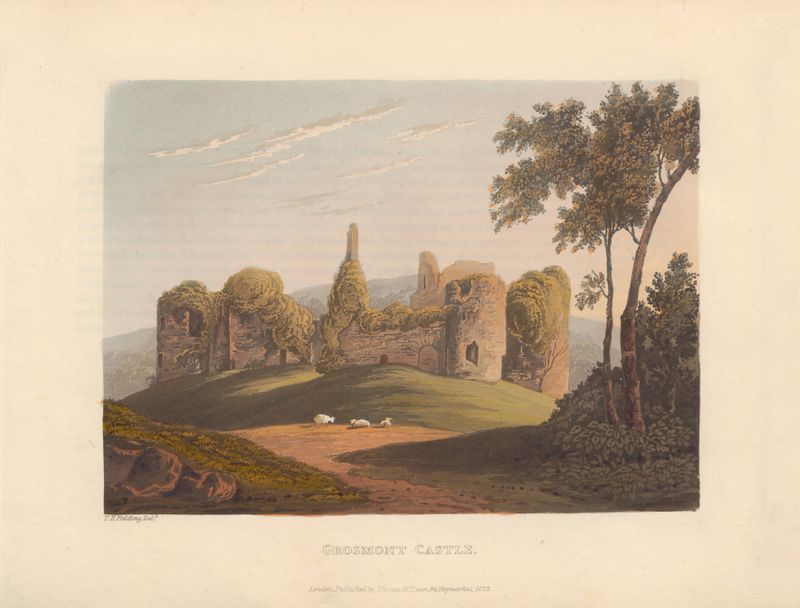
Grosmont Castle
Theodore Henry Adolphus Fielding
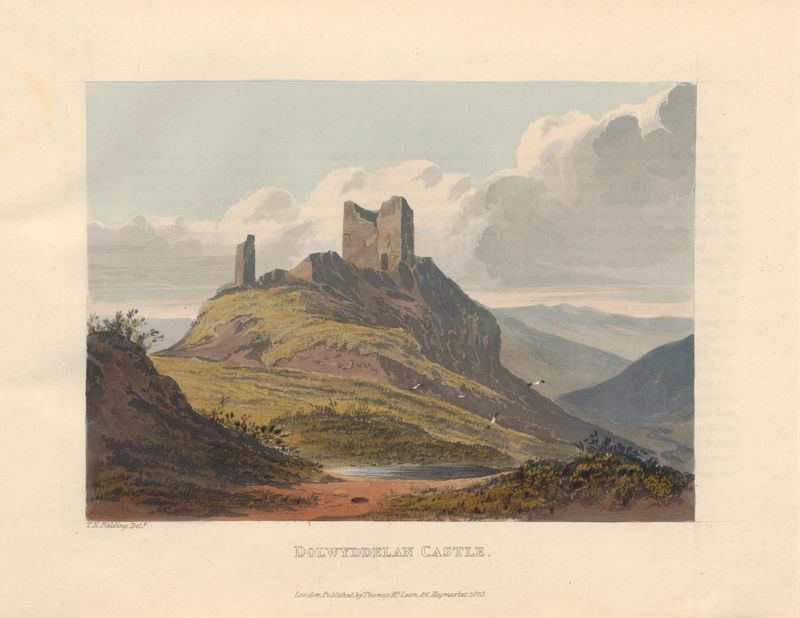
Dolwyddelan Castle
Theodore Henry Adolphus Fielding
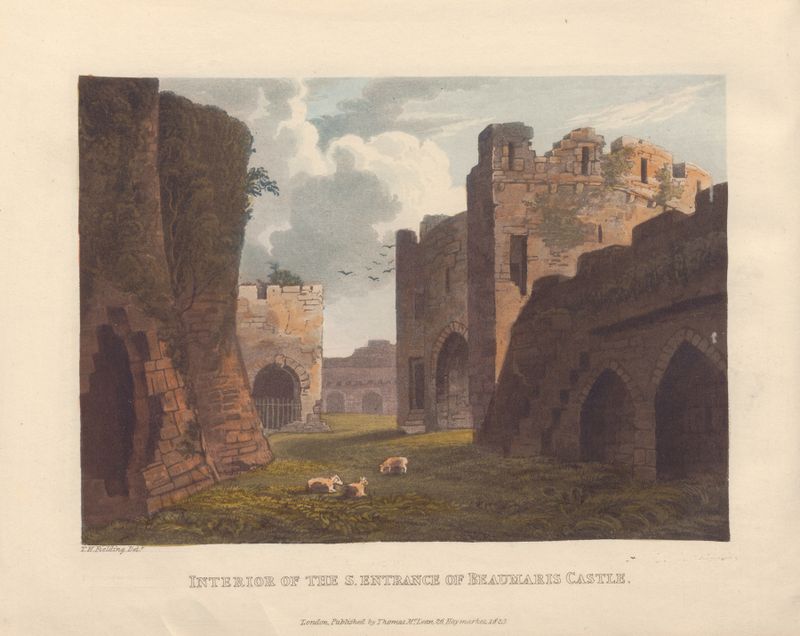
Interior of the south entrancce of Beaumaris Castle
Theodore Henry Adolphus Fielding
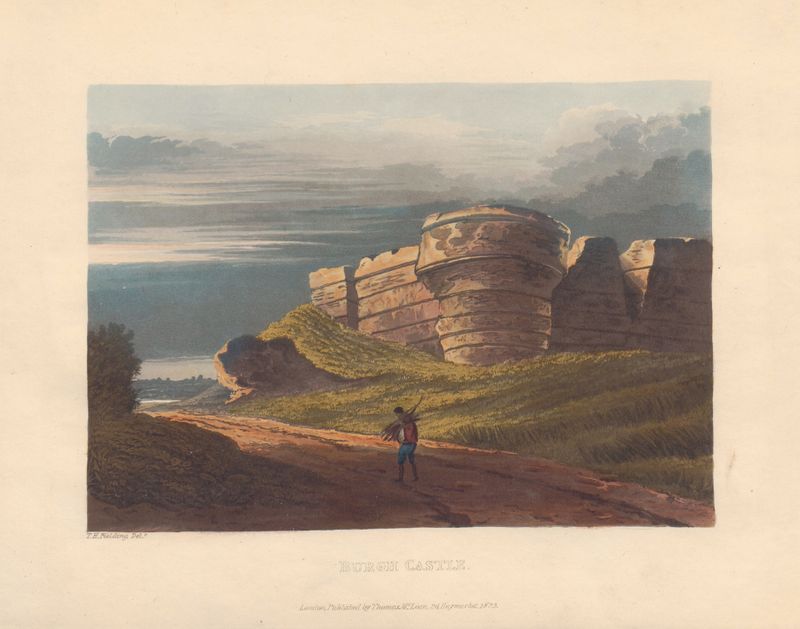
Burgh Castle
Theodore Henry Adolphus Fielding
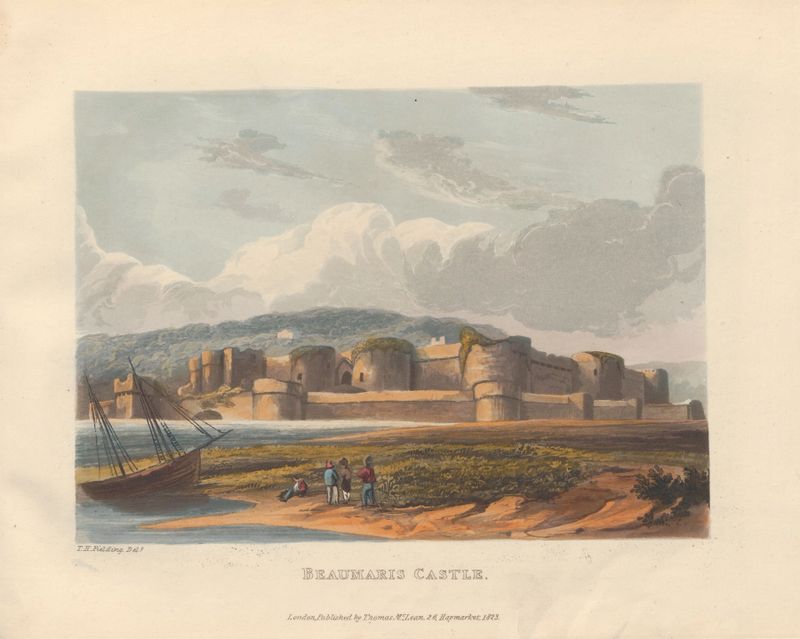
Beaumaris Castle
Theodore Henry Adolphus Fielding
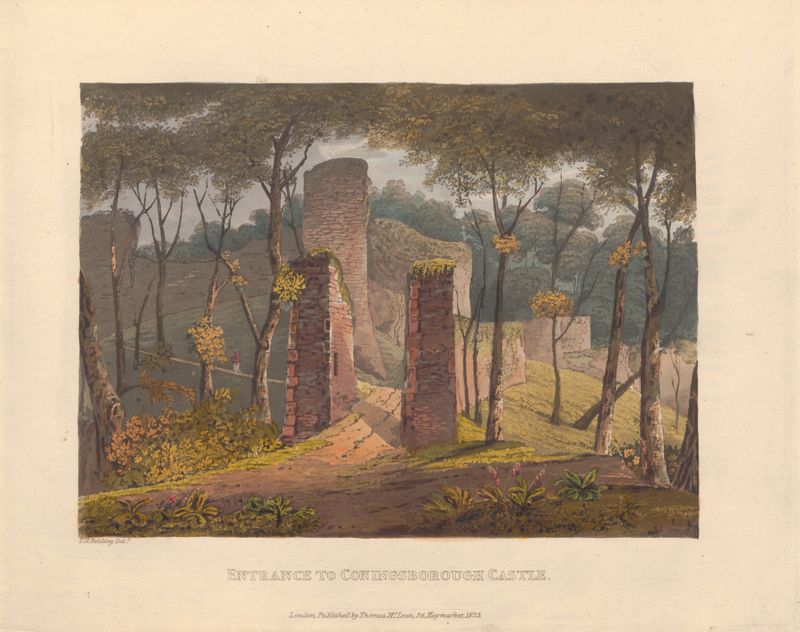
Entrance to Coningsborough Castle
Theodore Henry Adolphus Fielding
More Architecture Art
Browse all →
The statue of Liberty
Frédéric Auguste Bartholdi

View of Houses in Delft, Known as ‘The Little Street’
Johannes Vermeer

View of Houses in Delft, Known as ‘The Little Street’
Johannes Vermeer

The Cathedral in Rouen. The portal, Grey Weather
Claude Monet

The yellow house
Vincent van Gogh

The Church in Auvers-sur-Oise, View from the Chevet
Vincent van Gogh