
Beaumaris Castle — History & Facts
Did the painter know this moment would outlive them? The stillness of Beaumaris Castle evokes an aching loneliness, a feeling that resonates through the ages. In the cool embrace of twilight, the once-mighty stone walls seem to sigh under the weight of history, as if whispering secrets meant only for the passing clouds. Look to the left at the fortress's intricate battlements, their sharp lines softened by the warm hues of sunset washing over them. The foreground is dominated by a serene waterway, mirroring the castle's silhouette, creating a serene yet haunting symmetry.
Notice how the delicate brushstrokes define the play of light on the stones, giving life to the structure while simultaneously accentuating its isolation. The palette of muted oranges and deep blues conjures a mood that balances beauty with a sense of melancholy. As you delve deeper, observe the contrast between the fortress's grandeur and the barren landscape surrounding it. This juxtaposition speaks volumes about the passage of time; once a bastion of strength, now it stands alone, a monument to forgotten struggles.
The stillness of the water reflects not just the castle, but perhaps the solitude of its existence, inviting the viewer to contemplate the fragility of power and legacy. In 1825, Theodore Henry Adolphus Fielding painted this scene during a time when Romanticism was flourishing in art. Living in England, he was captivated by the dramatic landscapes and historical ruins that surrounded him. As an artist in this vibrant period, he sought to capture the sublime beauty of nature and human-made structures, reflecting his own fascination with both nostalgia and the inexorable passage of time.
More Artworks by Theodore Henry Adolphus Fielding
Browse all →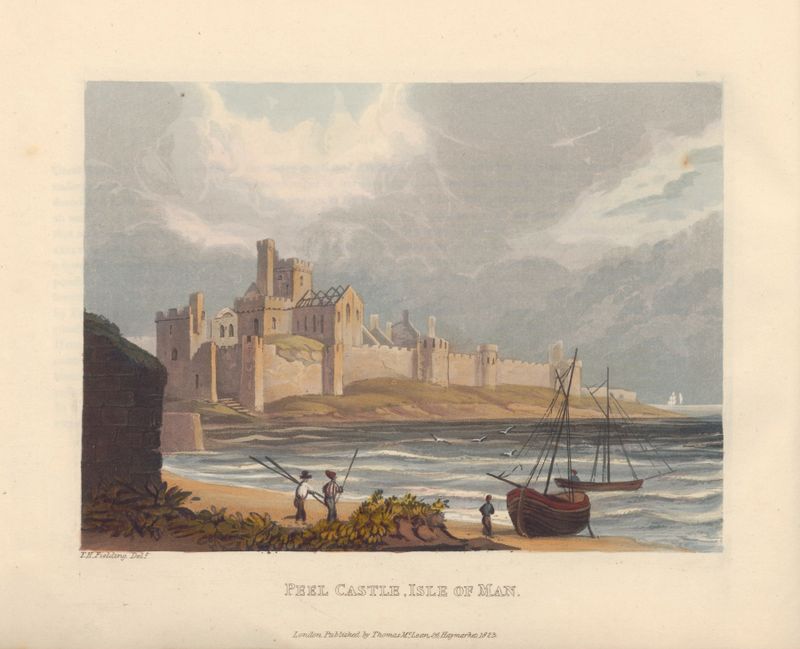
Peel Castle, Isle of Man
Theodore Henry Adolphus Fielding
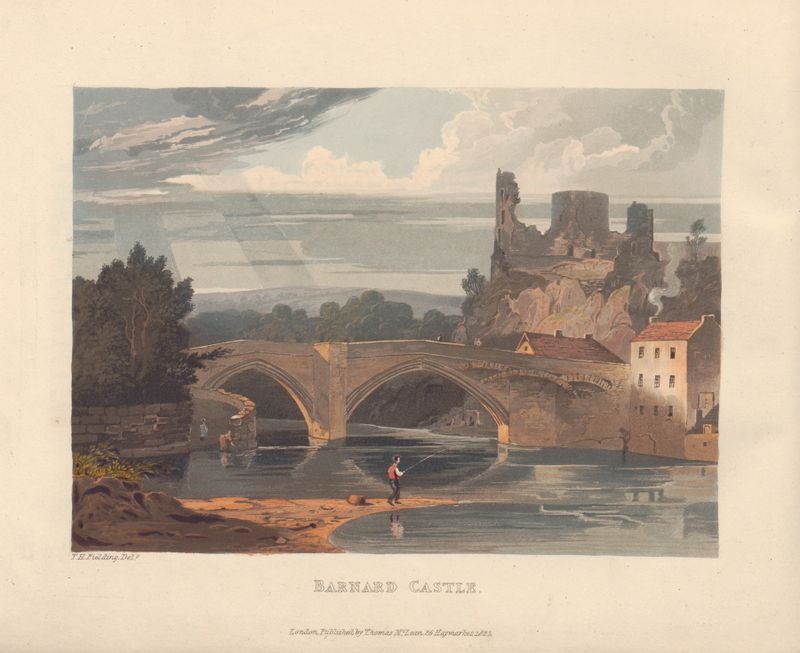
Barnard Castle
Theodore Henry Adolphus Fielding
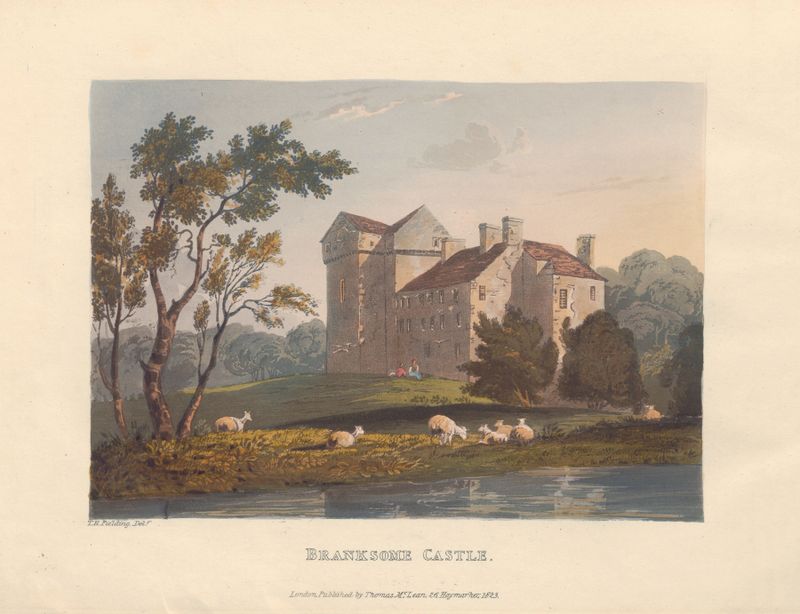
Branksome Castle
Theodore Henry Adolphus Fielding
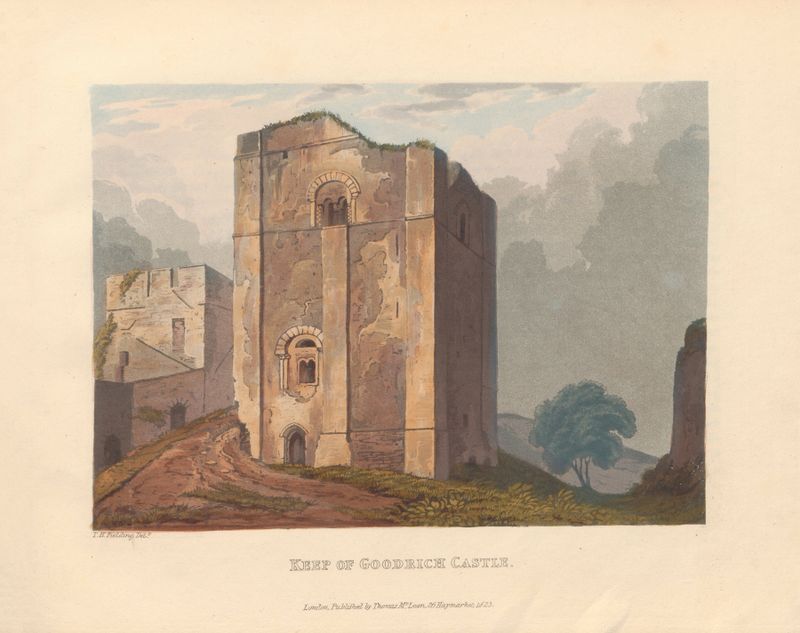
Keep of Goodrich Castle
Theodore Henry Adolphus Fielding
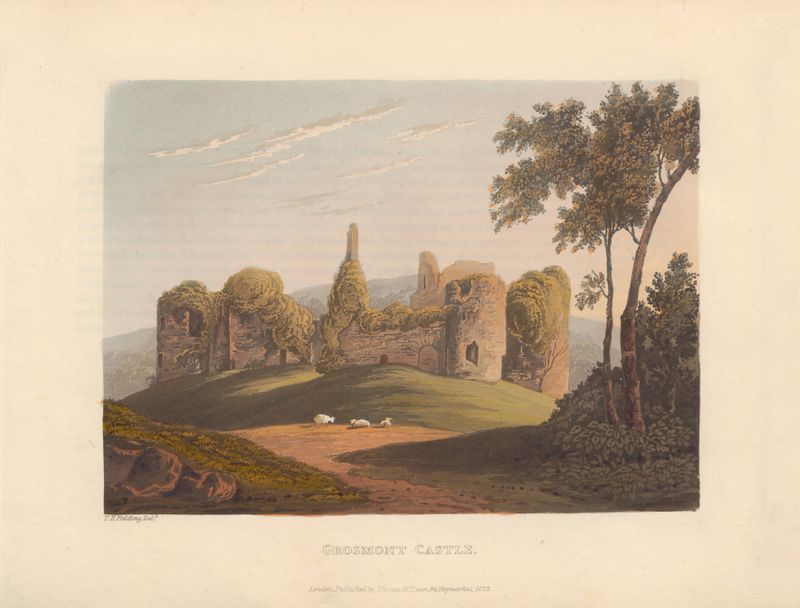
Grosmont Castle
Theodore Henry Adolphus Fielding
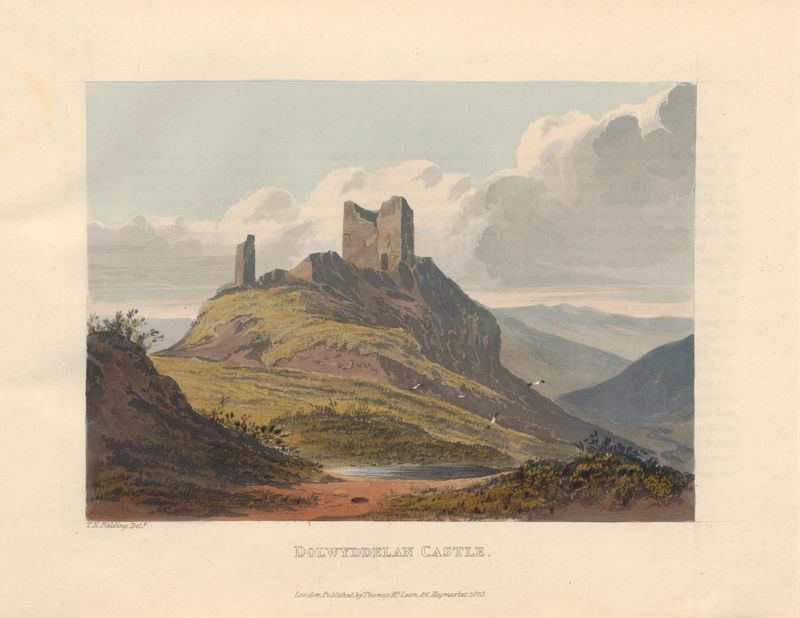
Dolwyddelan Castle
Theodore Henry Adolphus Fielding
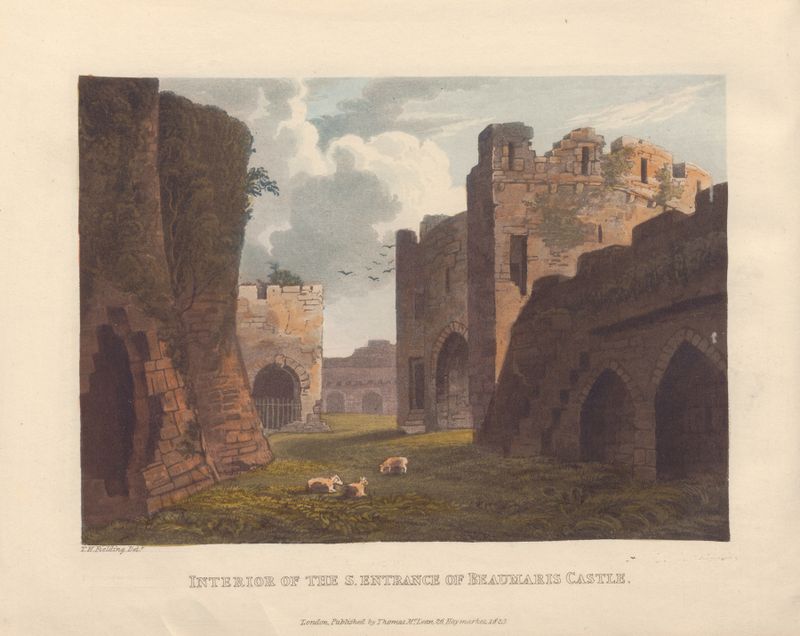
Interior of the south entrancce of Beaumaris Castle
Theodore Henry Adolphus Fielding
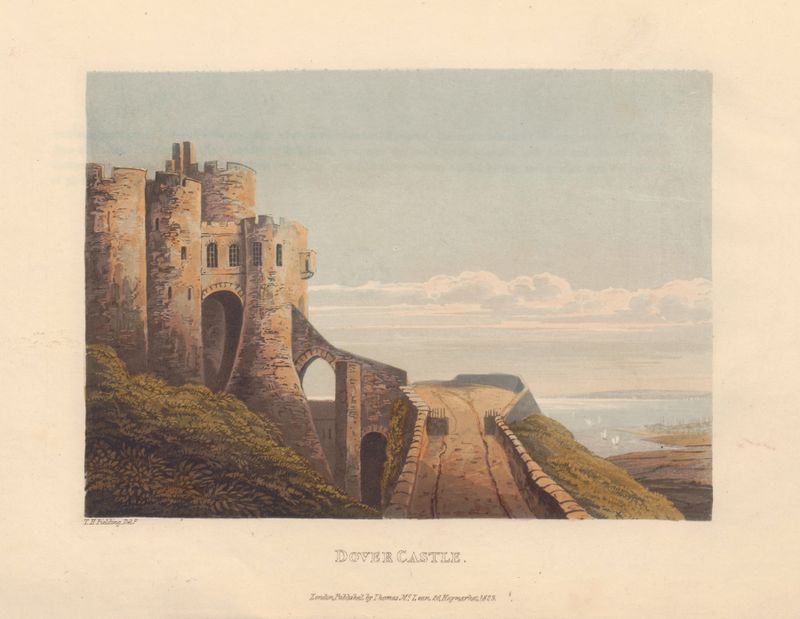
Dover Castle
Theodore Henry Adolphus Fielding
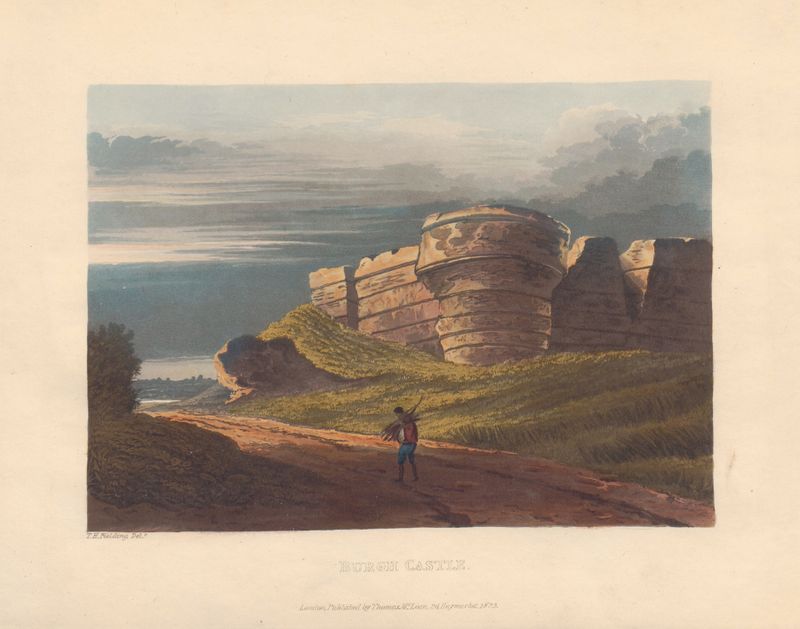
Burgh Castle
Theodore Henry Adolphus Fielding
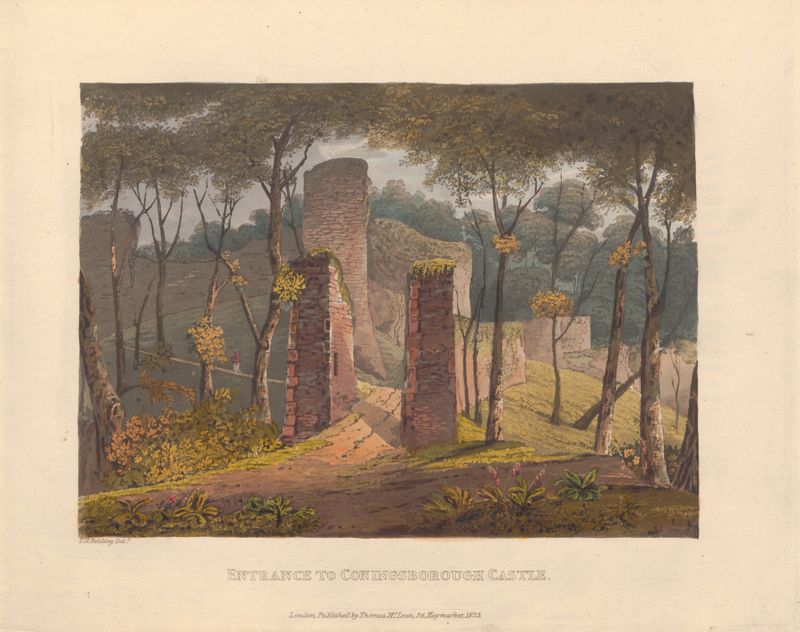
Entrance to Coningsborough Castle
Theodore Henry Adolphus Fielding
More Architecture Art
Browse all →
The statue of Liberty
Frédéric Auguste Bartholdi

View of Houses in Delft, Known as ‘The Little Street’
Johannes Vermeer

View of Houses in Delft, Known as ‘The Little Street’
Johannes Vermeer

The Cathedral in Rouen. The portal, Grey Weather
Claude Monet

The yellow house
Vincent van Gogh

The Church in Auvers-sur-Oise, View from the Chevet
Vincent van Gogh