
Branksome Castle — History & Facts
Can beauty exist without sorrow? In Branksome Castle, the duality of rebirth resonates through the soft hues and intricate details of this landscape, inviting contemplation of the intertwined nature of joy and melancholy. Look to the foreground, where a tranquil river glistens under the fading light. The gentle reflections shimmer like whispered secrets, guiding the eye toward the majestic castle perched atop the rugged cliff. Notice how the warm tones of the setting sun contrast with the cool shadows creeping across the landscape, as if the day itself mourns its inevitable end while cradling the promise of a new dawn. Delve deeper into the scene, where the castle, a symbol of strength, stands resilient against the encroaching shadows.
Its craggy facade hints at a history steeped in struggle and triumph, whispering tales of those who once sought refuge within its walls. The surrounding trees, swaying in the evening breeze, suggest a cycle of life and death—each leaf that falls nourishes the earth, paving the way for new growth, embodying the essence of rebirth even in decay. In 1825, the artist worked in an era marked by Romanticism, a movement celebrating the sublime beauty of nature and human emotion. Fielding, immersed in the artistic community of England, sought to capture the interplay of light and shadow, reflecting both the external landscape and the internal landscape of the soul, a quest that resonates in Branksome Castle.
More Artworks by Theodore Henry Adolphus Fielding
Browse all →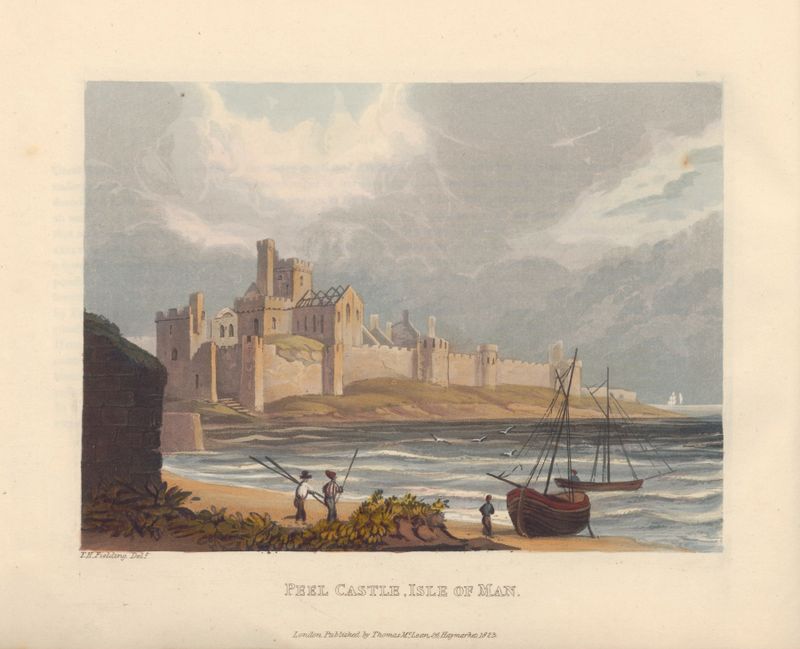
Peel Castle, Isle of Man
Theodore Henry Adolphus Fielding
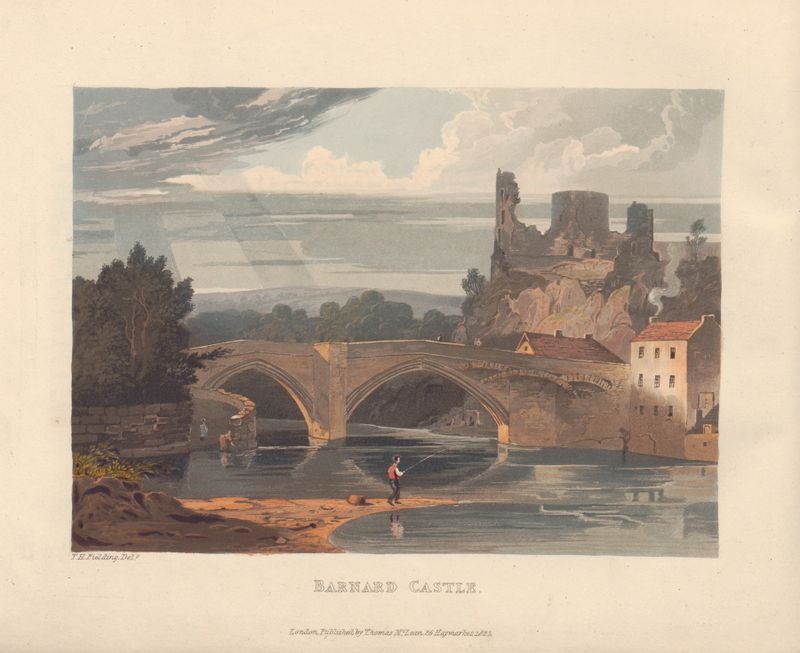
Barnard Castle
Theodore Henry Adolphus Fielding
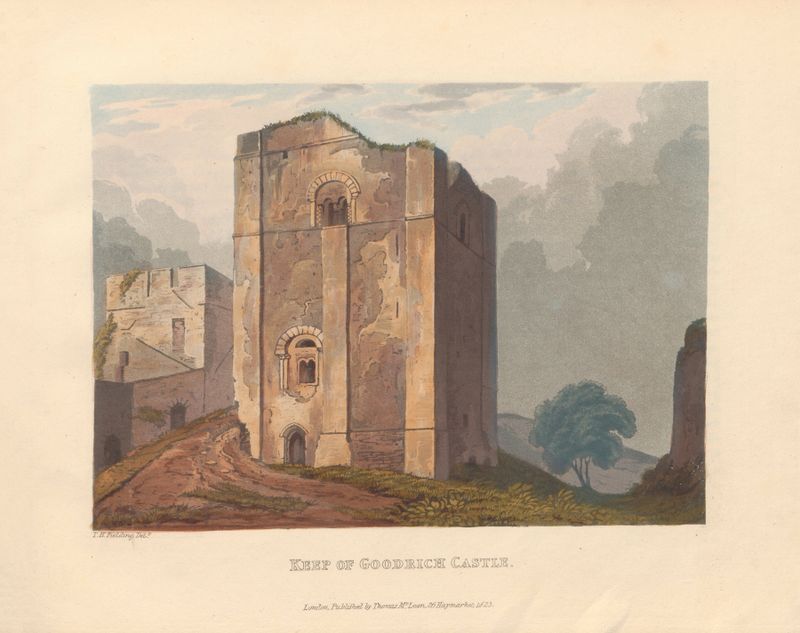
Keep of Goodrich Castle
Theodore Henry Adolphus Fielding
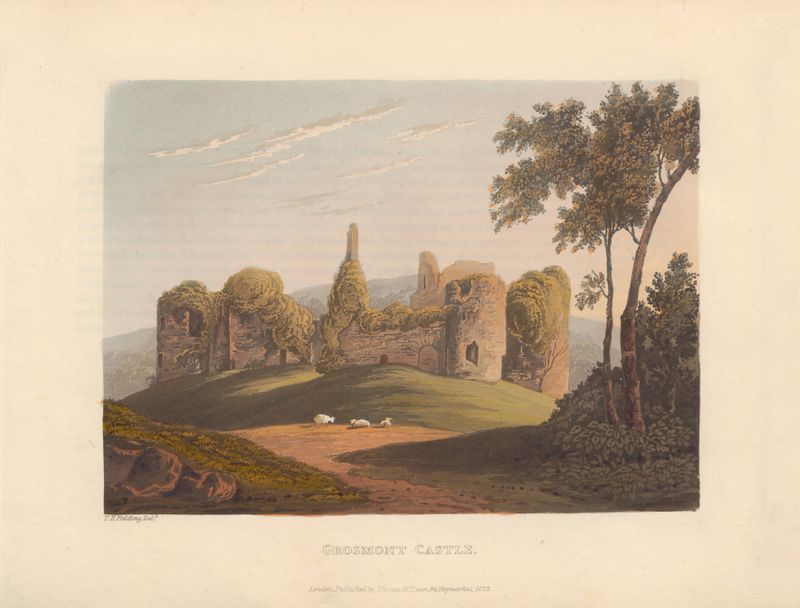
Grosmont Castle
Theodore Henry Adolphus Fielding
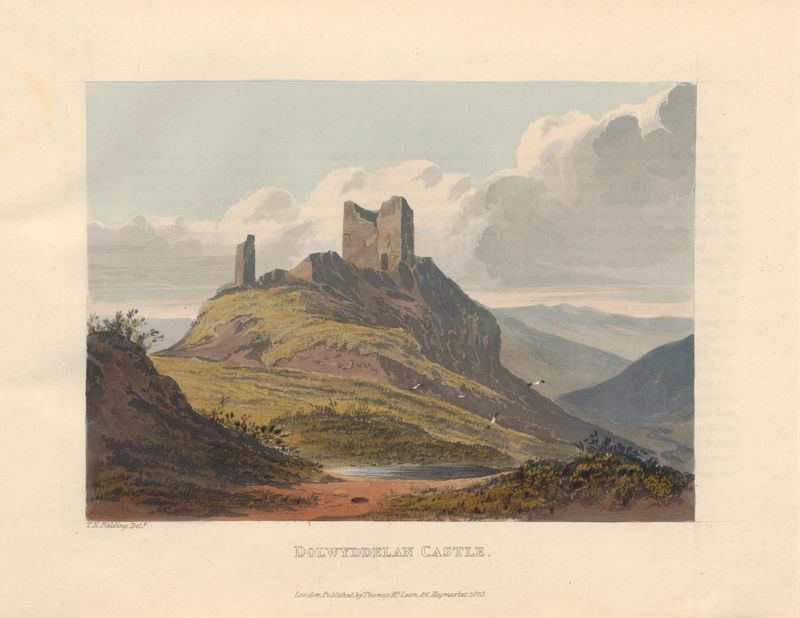
Dolwyddelan Castle
Theodore Henry Adolphus Fielding
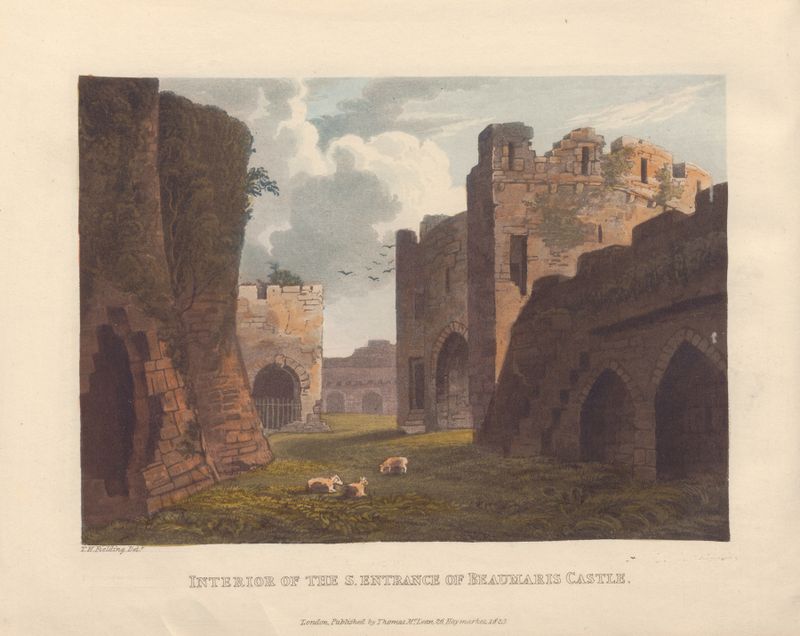
Interior of the south entrancce of Beaumaris Castle
Theodore Henry Adolphus Fielding
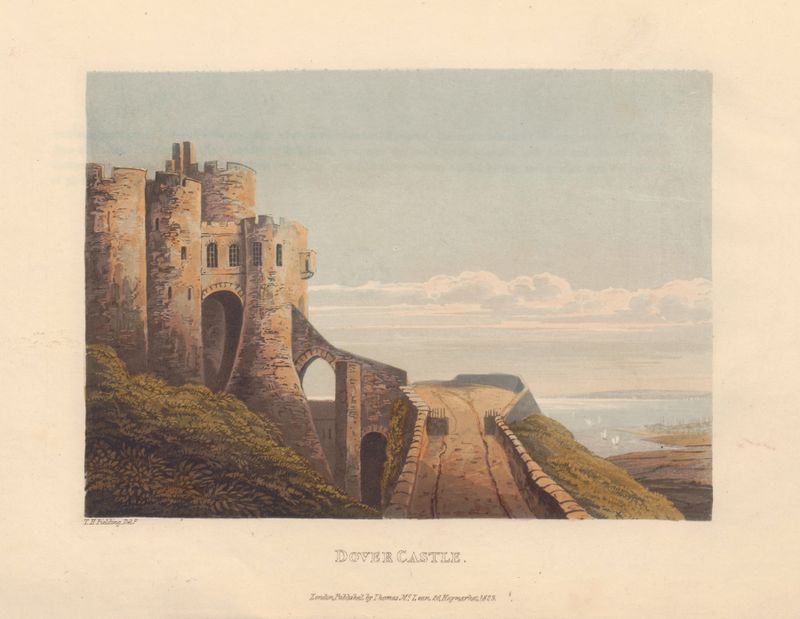
Dover Castle
Theodore Henry Adolphus Fielding
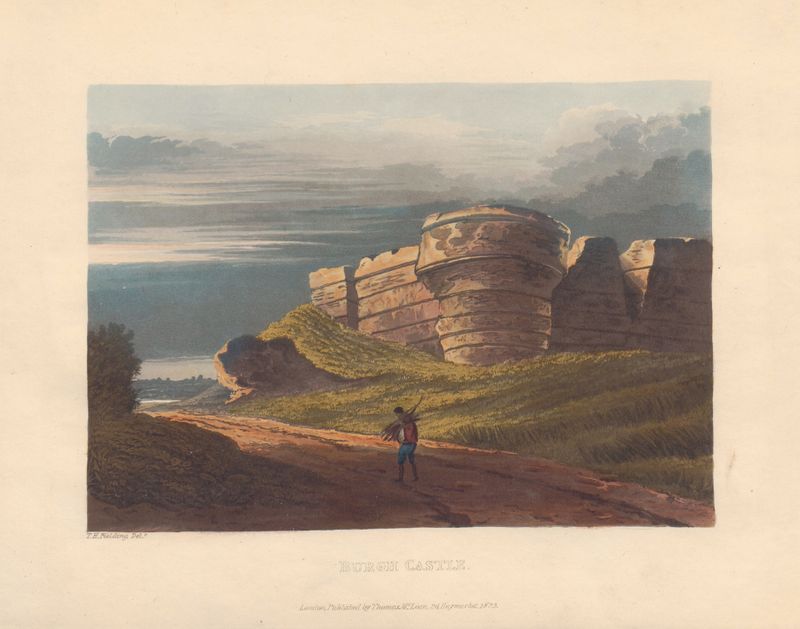
Burgh Castle
Theodore Henry Adolphus Fielding
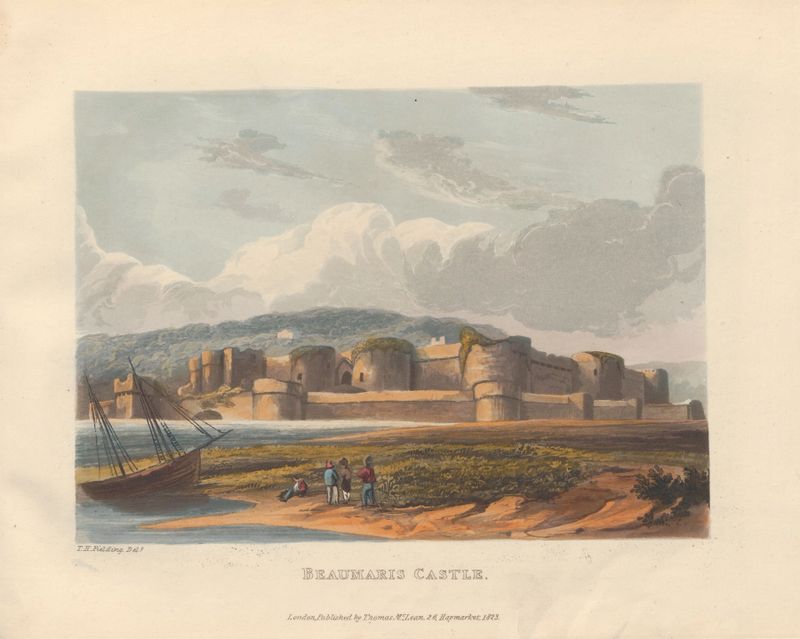
Beaumaris Castle
Theodore Henry Adolphus Fielding
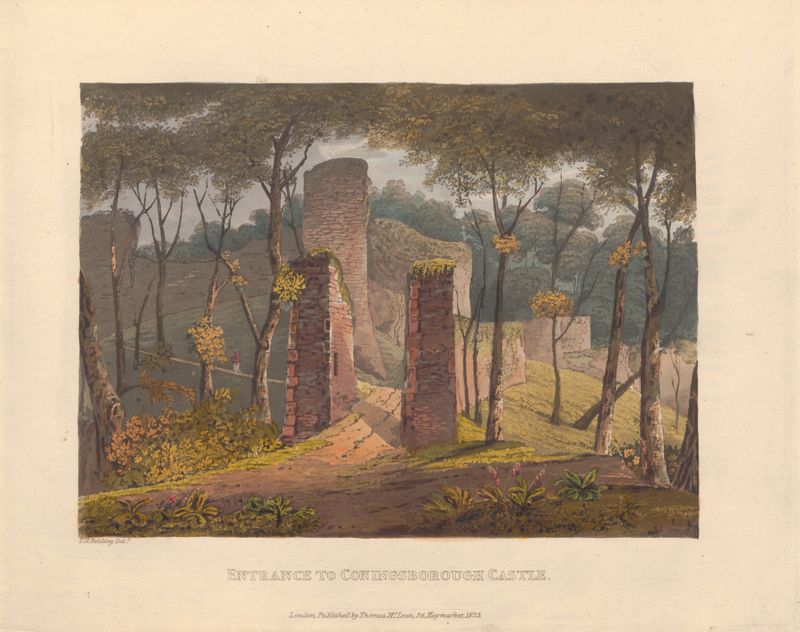
Entrance to Coningsborough Castle
Theodore Henry Adolphus Fielding





