
Burgh Castle — History & Facts
Can paint confess what words never could? In Burgh Castle, the essence of reflection is captured, inviting viewers to delve into the depths of contemplation and memory. Look to the foreground, where the tranquil waters mirror the crumbling ruins of the castle above. The light dances across the surface, creating a shimmering pathway that draws the eye toward the ancient stonework. Notice how the palette balances cool blues and warm earth tones, establishing a harmonious dialogue between the natural landscape and the vestiges of human history.
The gentle brushstrokes convey both the solidity of the structure and the ephemeral quality of the surrounding environment. Beyond the immediate beauty lies a poignant contrast between the enduring castle and the fluidity of water, suggesting themes of decay and resilience. The reflections create a duality, where the past merges with the present, evoking a sense of nostalgia intertwined with the inevitability of time. Each element—water, stone, and sky—holds significance, urging viewers to ponder the tension between permanence and transience in their own lives. In 1825, Theodore Henry Adolphus Fielding painted Burgh Castle during a period marked by Romanticism’s emphasis on nature and individual experience.
Working primarily in England, Fielding was inspired by the ruins that dotted the landscape, capturing not just the physical structures but the emotional weight they carried. This era reflected a growing fascination with the sublime in art, making his exploration of both place and memory resonate with his contemporaries and enduring audiences alike.
More Artworks by Theodore Henry Adolphus Fielding
Browse all →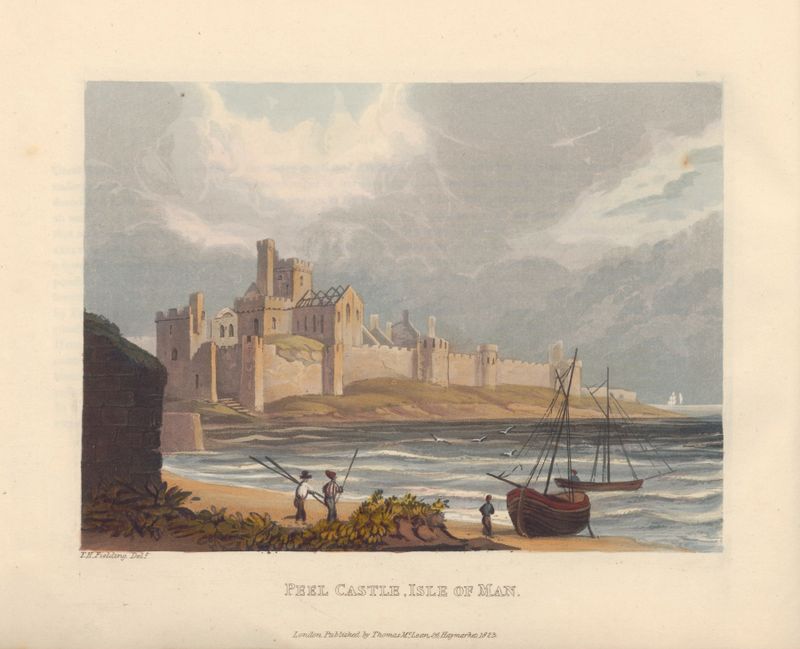
Peel Castle, Isle of Man
Theodore Henry Adolphus Fielding
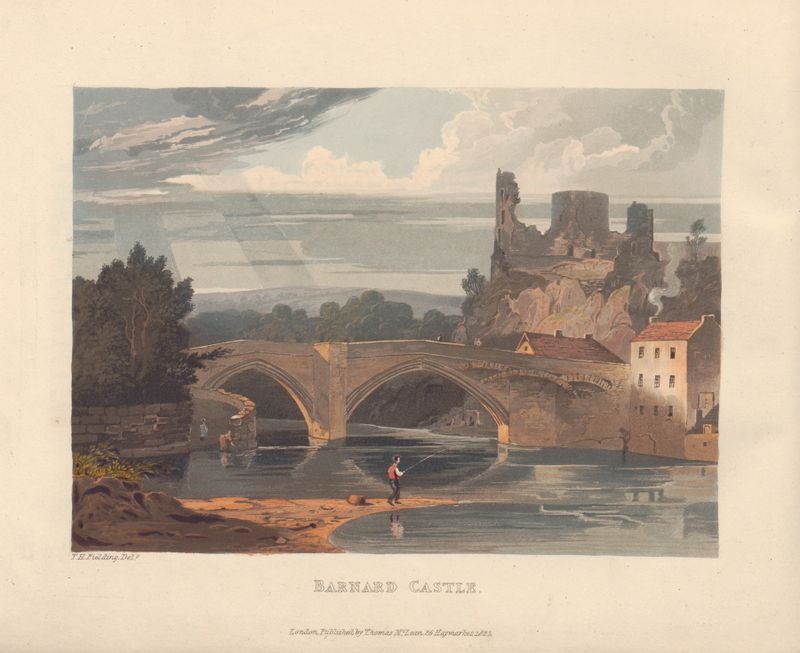
Barnard Castle
Theodore Henry Adolphus Fielding
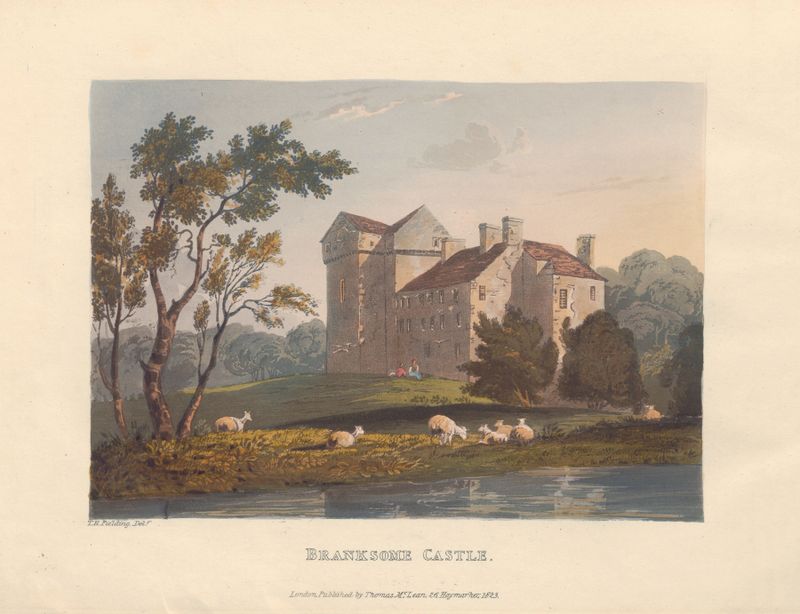
Branksome Castle
Theodore Henry Adolphus Fielding
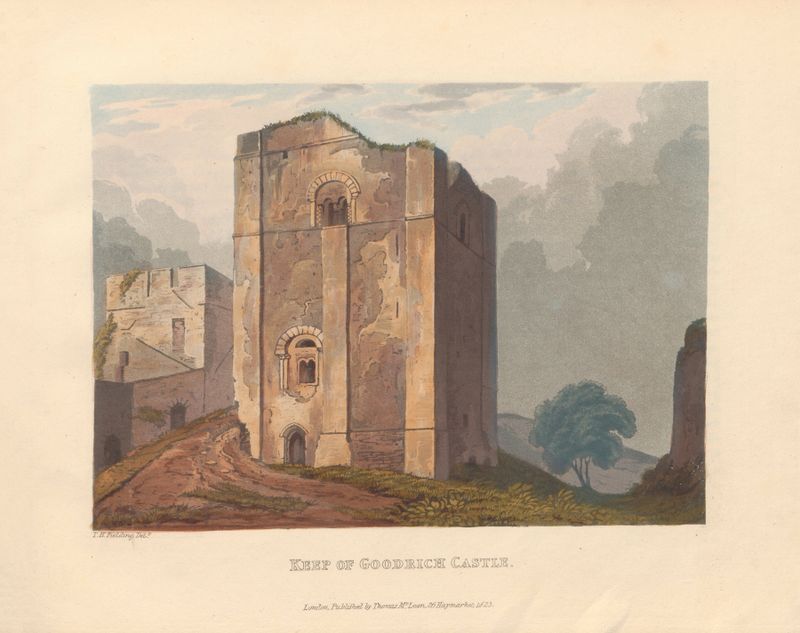
Keep of Goodrich Castle
Theodore Henry Adolphus Fielding
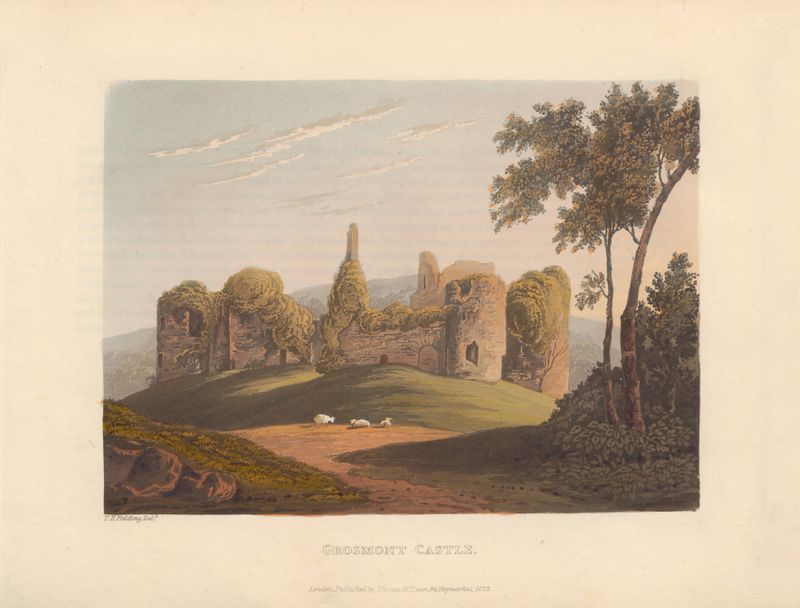
Grosmont Castle
Theodore Henry Adolphus Fielding
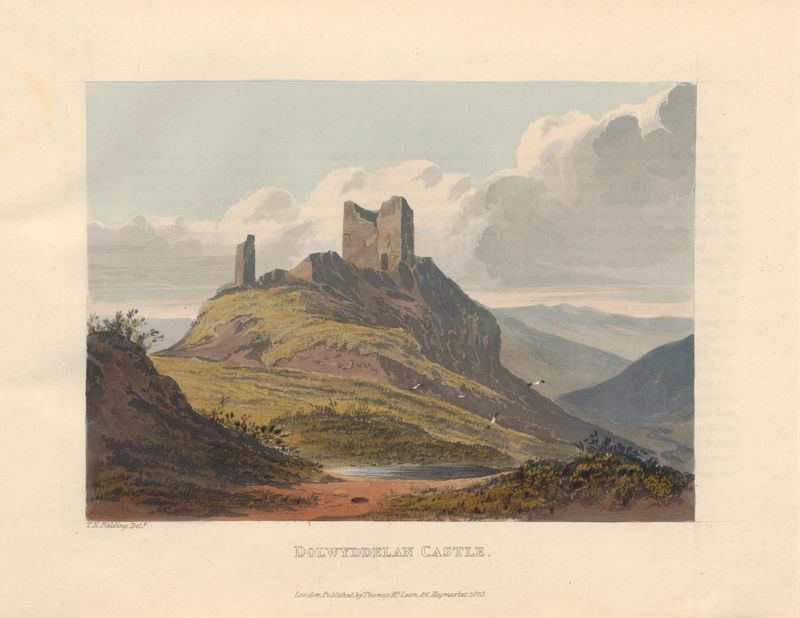
Dolwyddelan Castle
Theodore Henry Adolphus Fielding
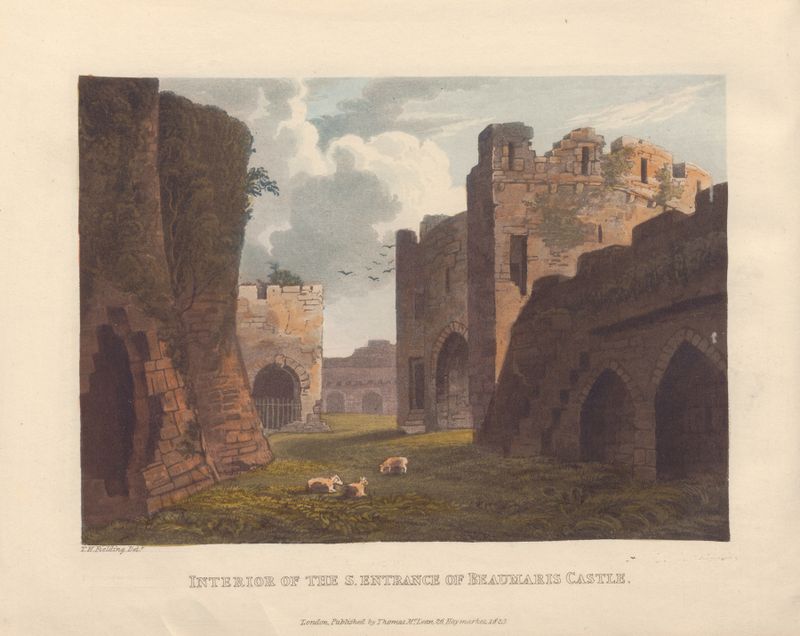
Interior of the south entrancce of Beaumaris Castle
Theodore Henry Adolphus Fielding
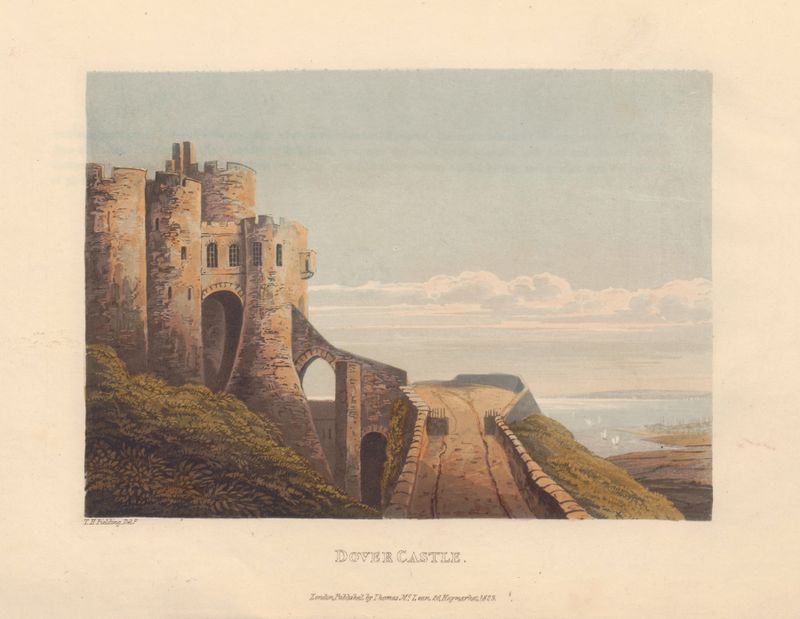
Dover Castle
Theodore Henry Adolphus Fielding
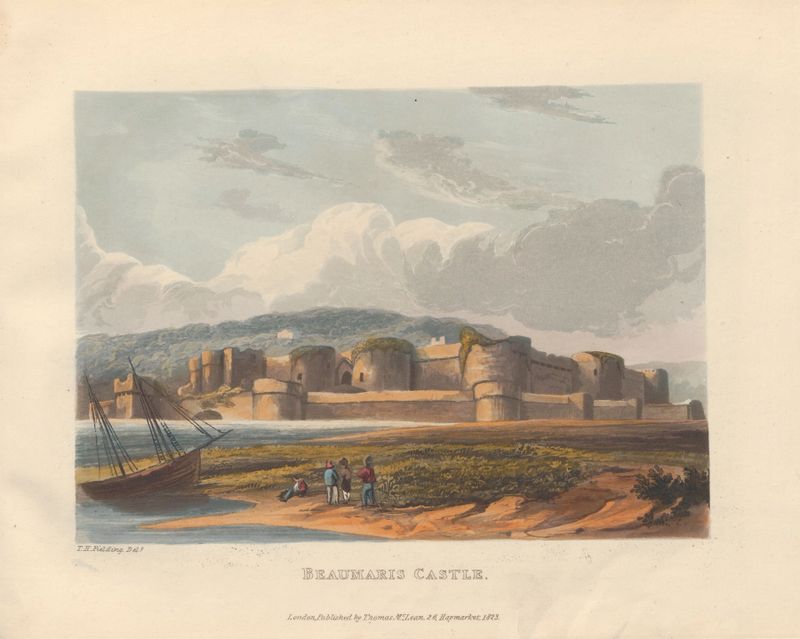
Beaumaris Castle
Theodore Henry Adolphus Fielding
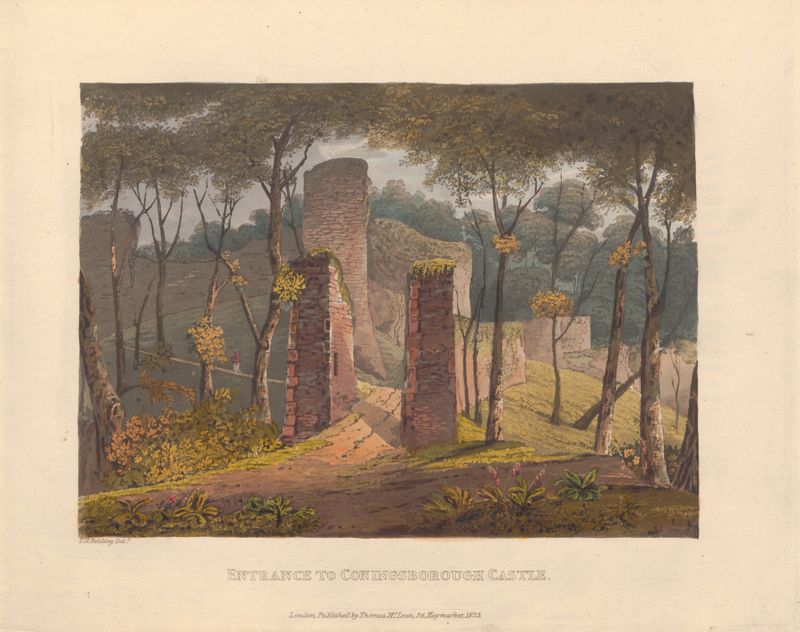
Entrance to Coningsborough Castle
Theodore Henry Adolphus Fielding





