
Keep of Goodrich Castle — History & Facts
In the quiet solitude of a castle, echoes of the past linger like whispers in the stone walls, each shade of gray concealing untold stories of loss and longing. Look to the left at the weathered stones, their rough texture juxtaposed against the smoothness of the lush greenery. The artist skillfully employs a muted palette, with subtle greens and browns that invite the viewer to explore the interplay of light and shadow. Notice how the gentle illumination highlights the castle's contours, casting a fragile beauty over its crumbling façade, evoking a sense of melancholic nostalgia. The emotional weight of the piece lies in its contrasts — the grandeur of the castle stands in stark opposition to its decay, suggesting a history filled with triumphs now overshadowed by grief.
The stillness of the landscape around the fortress amplifies this tension, offering a poignant reminder of time’s relentless passage. Each element, from the creeping vines to the distant horizon, contributes to a sense of mournful reverie, as if the very atmosphere mourns what once was. In 1825, Fielding painted this piece during a period marked by the Romantic movement, when artists began to explore themes of nature, memory, and emotion in new ways. Living in England, he was navigating a world caught between the industrial revolution and the remnants of an age steeped in history.
This backdrop influenced his depiction of the castle, a symbol of enduring strength now softened by the inevitable decay of time, echoing the broader human experience of grief and loss.
More Artworks by Theodore Henry Adolphus Fielding
Browse all →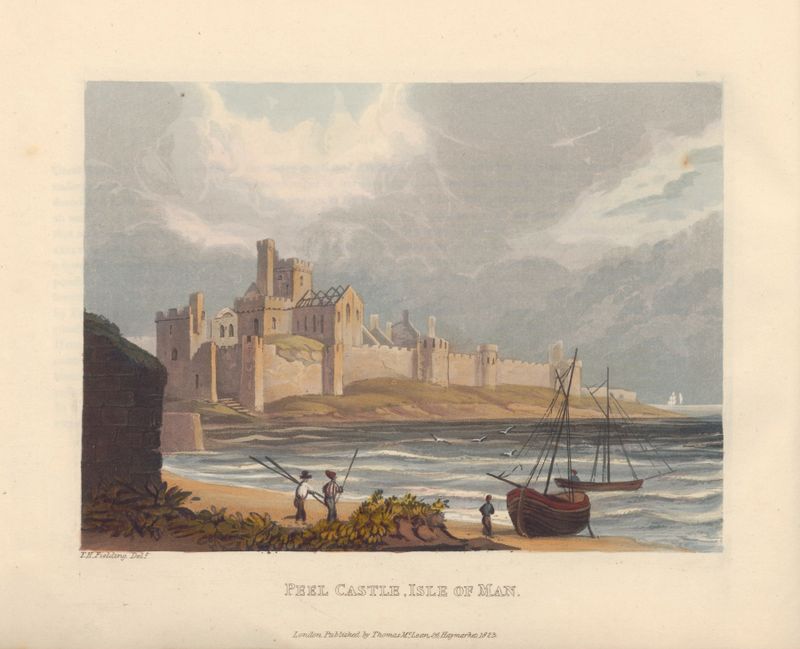
Peel Castle, Isle of Man
Theodore Henry Adolphus Fielding
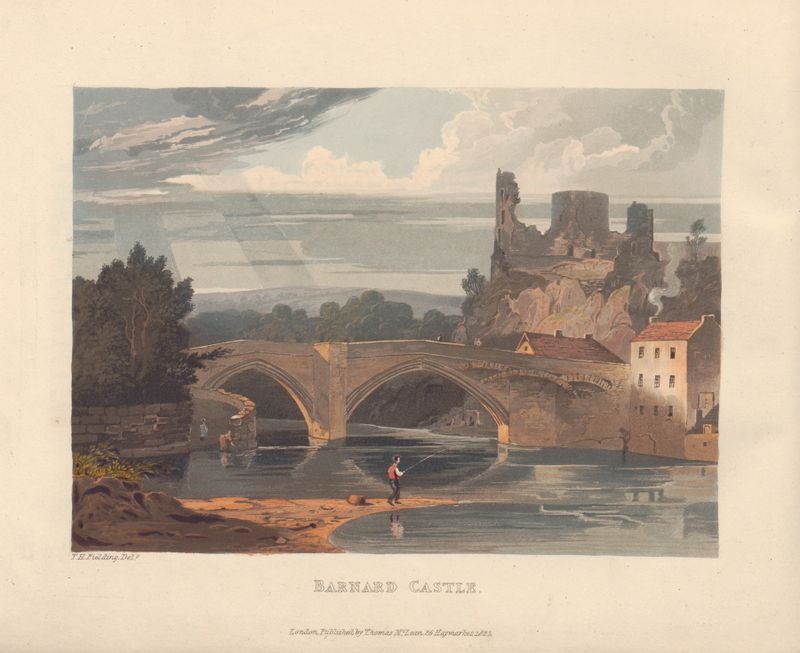
Barnard Castle
Theodore Henry Adolphus Fielding
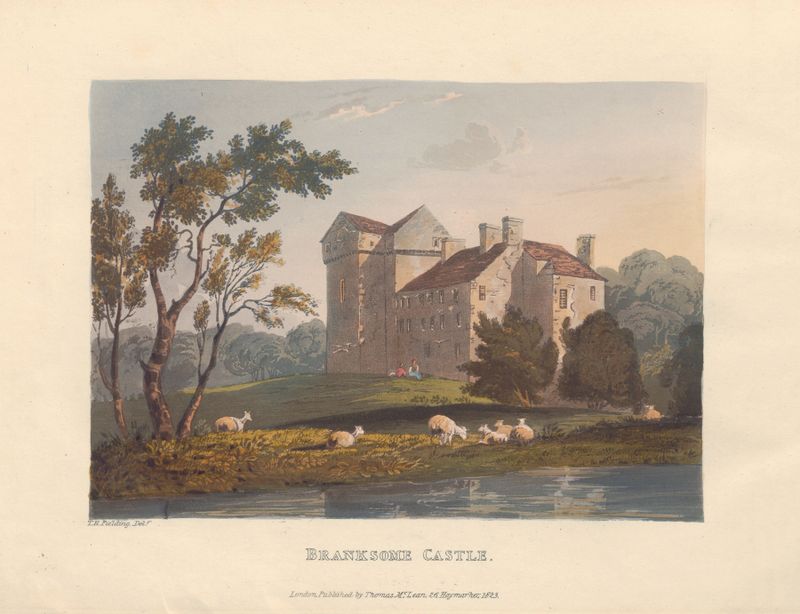
Branksome Castle
Theodore Henry Adolphus Fielding
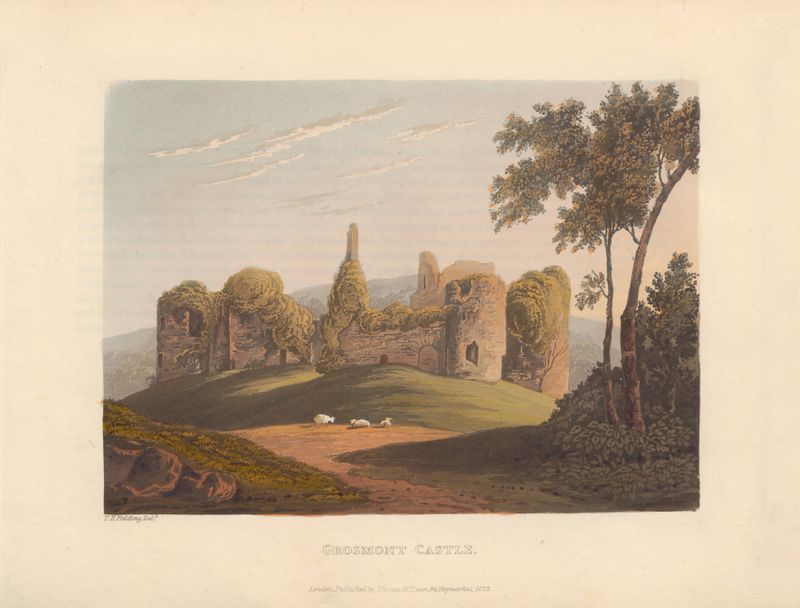
Grosmont Castle
Theodore Henry Adolphus Fielding
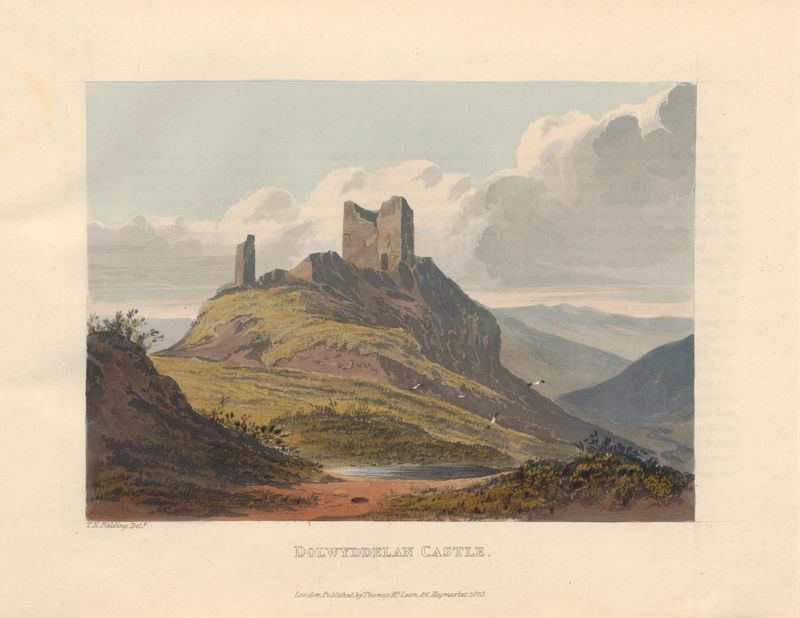
Dolwyddelan Castle
Theodore Henry Adolphus Fielding
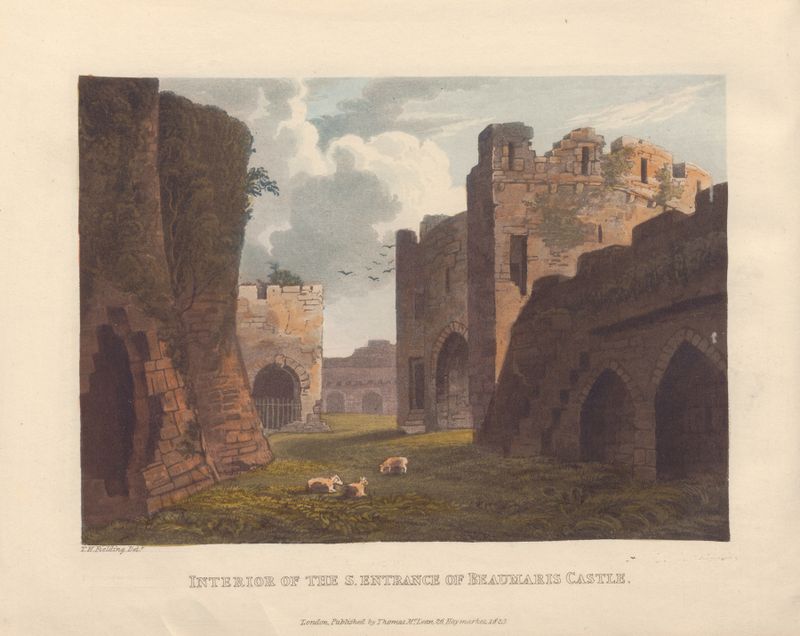
Interior of the south entrancce of Beaumaris Castle
Theodore Henry Adolphus Fielding
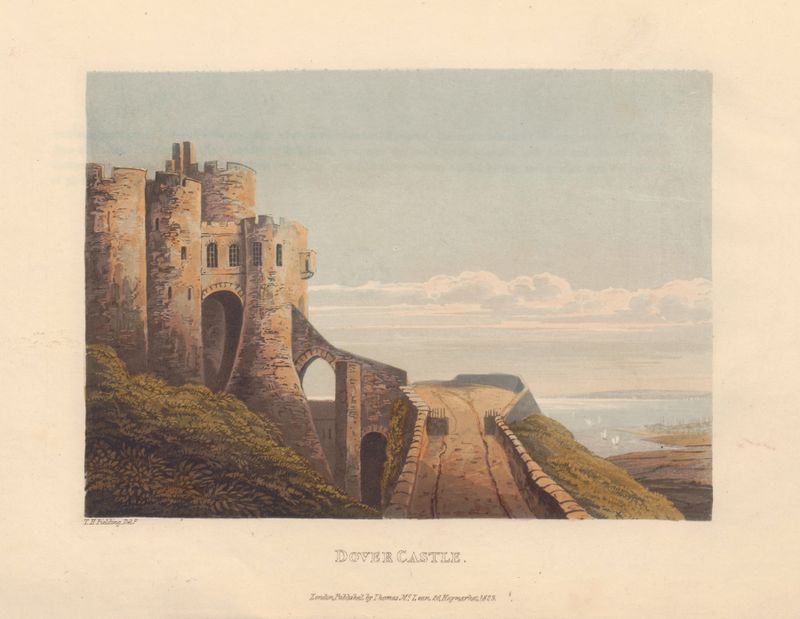
Dover Castle
Theodore Henry Adolphus Fielding
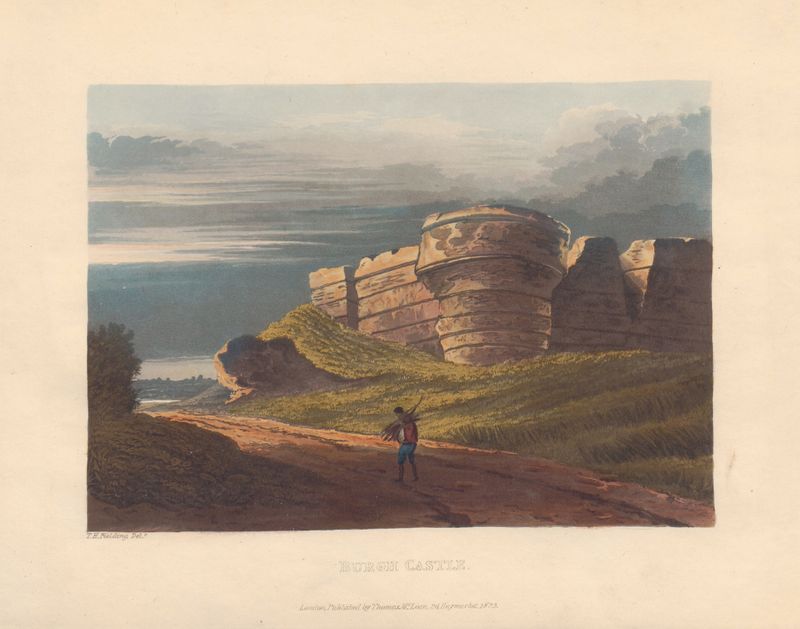
Burgh Castle
Theodore Henry Adolphus Fielding
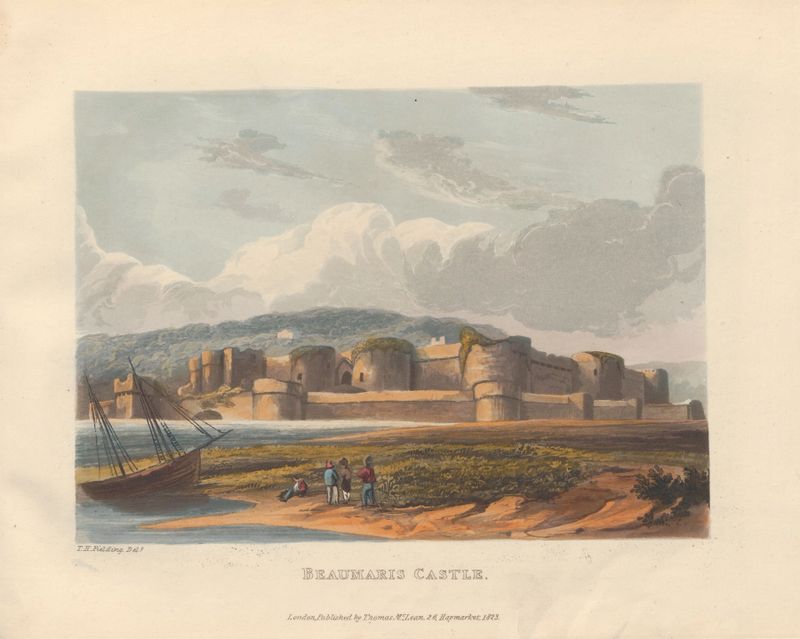
Beaumaris Castle
Theodore Henry Adolphus Fielding
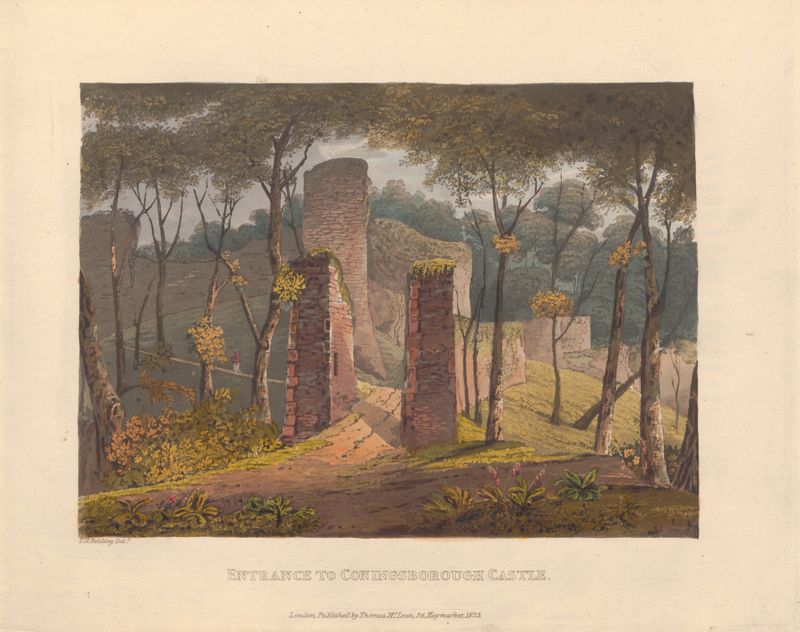
Entrance to Coningsborough Castle
Theodore Henry Adolphus Fielding





