
Peel Castle, Isle of Man — History & Facts
This truth resonates deeply in the haunting yet breathtaking landscapes captured throughout art history, revealing the core of human experience. In Peel Castle, Isle of Man, light dances across the rugged cliffs, hinting at the secrets hidden within the depths of nature’s grandeur. Look to the left at the silhouette of Peel Castle, its ancient stones standing resolute against the tumultuous sea. The artist employs a vivid palette of blues and greens, contrasting the warm hues of sunlight that lace the clouds overhead.
Notice how the brushstrokes create an almost restless energy in the waves, inviting you to feel their relentless crash against the shore. The composition is carefully balanced, drawing the viewer's eye from the solid, steadfast castle to the fleeting beauty of the ocean, as if to say that both endurance and transience coexist in this landscape. In the intricate play of light and shadow, there is a dialogue between history and nature, evoking feelings of solitude and nostalgia. The castle, a remnant of human endeavor, stands as a metaphor for the passage of time, a protector of secrets that may never fully be revealed.
Meanwhile, the turbulent sea captures the chaos of emotions, whispering tales of love, loss, and the weight of the past, leaving us to ponder what lies beneath the surface. When Peel Castle, Isle of Man was created in 1825, Fielding was immersed in a vibrant era of Romanticism, where nature’s grandeur was increasingly celebrated. Living in England, he was influenced by the picturesque landscapes around him and the growing appreciation for the sublime. Artists of the time were captivated by the emotional depth found in nature, a sentiment that resonates strongly in Fielding's work, blending beauty with a poignant sense of revelation.
More Artworks by Theodore Henry Adolphus Fielding
Browse all →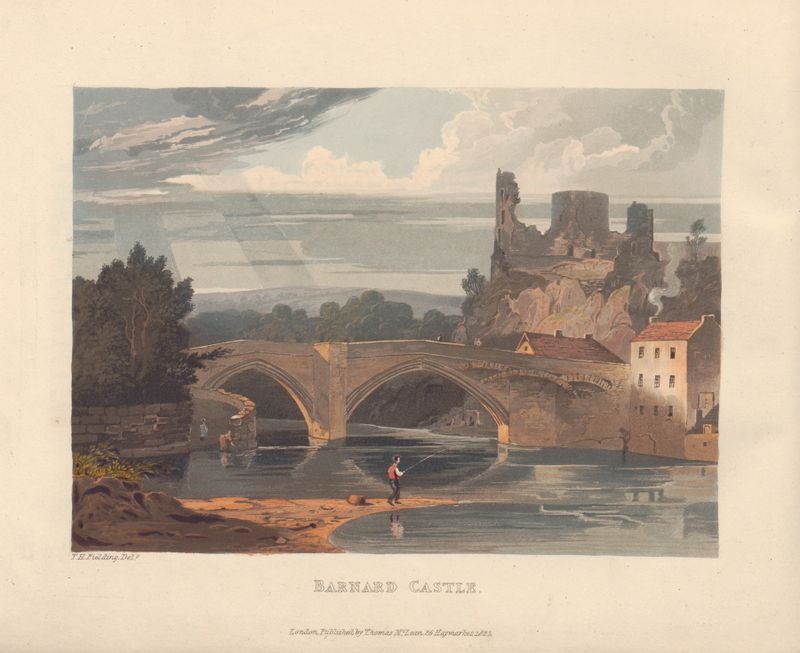
Barnard Castle
Theodore Henry Adolphus Fielding
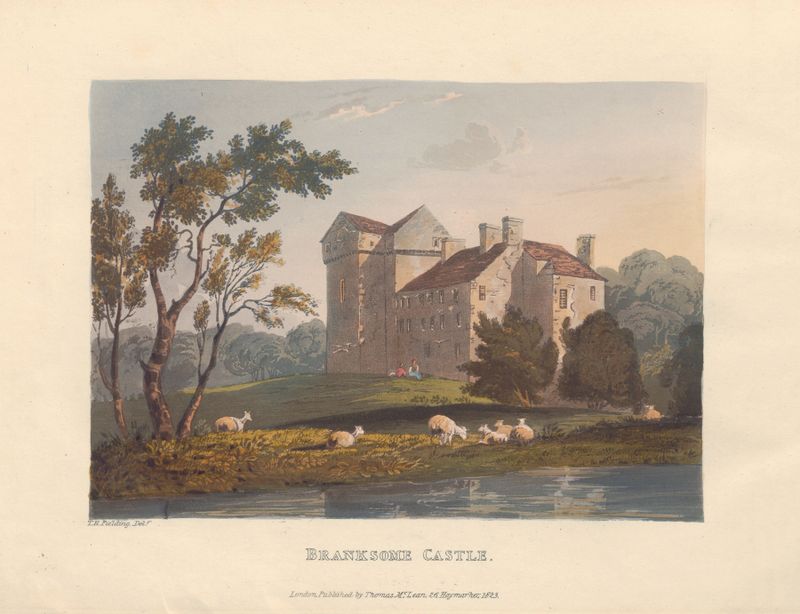
Branksome Castle
Theodore Henry Adolphus Fielding
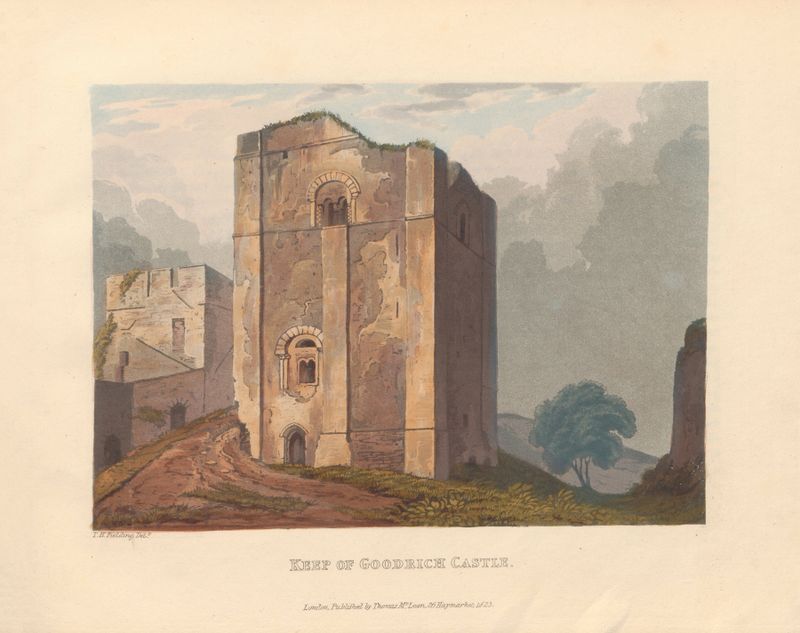
Keep of Goodrich Castle
Theodore Henry Adolphus Fielding
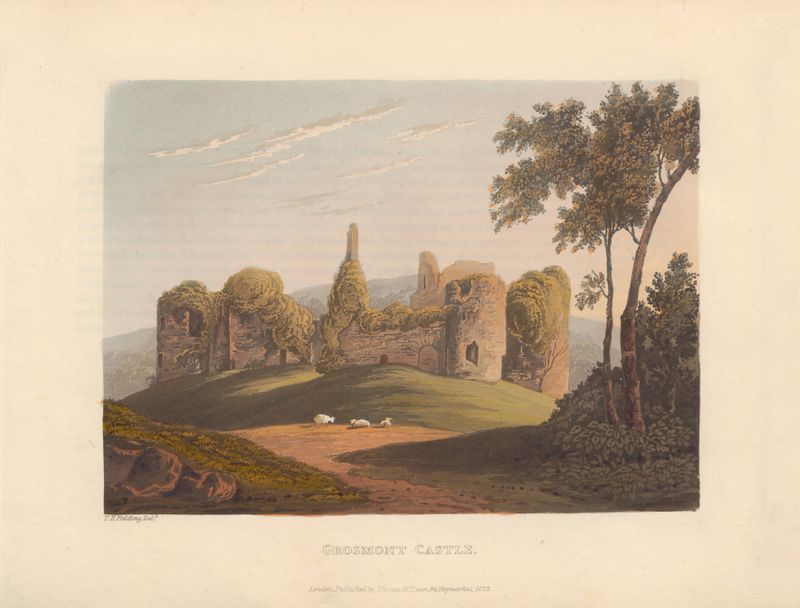
Grosmont Castle
Theodore Henry Adolphus Fielding
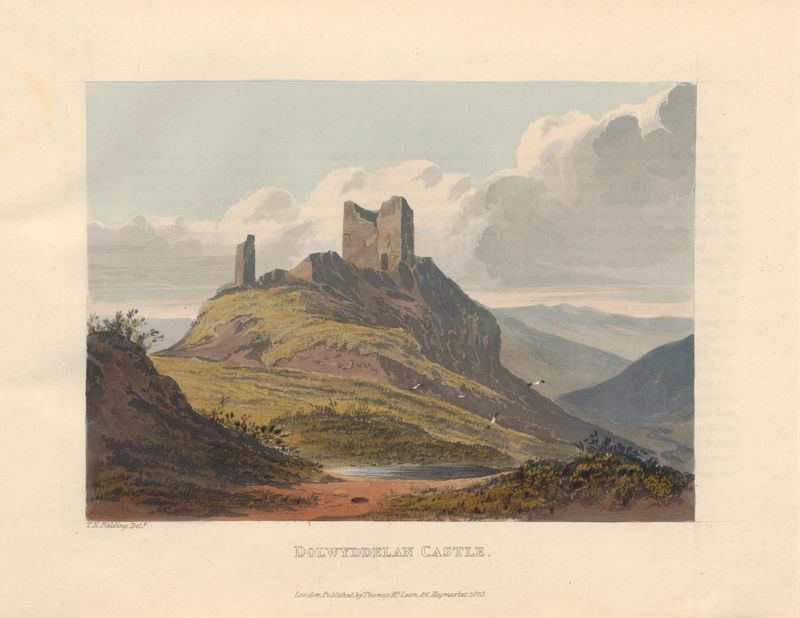
Dolwyddelan Castle
Theodore Henry Adolphus Fielding
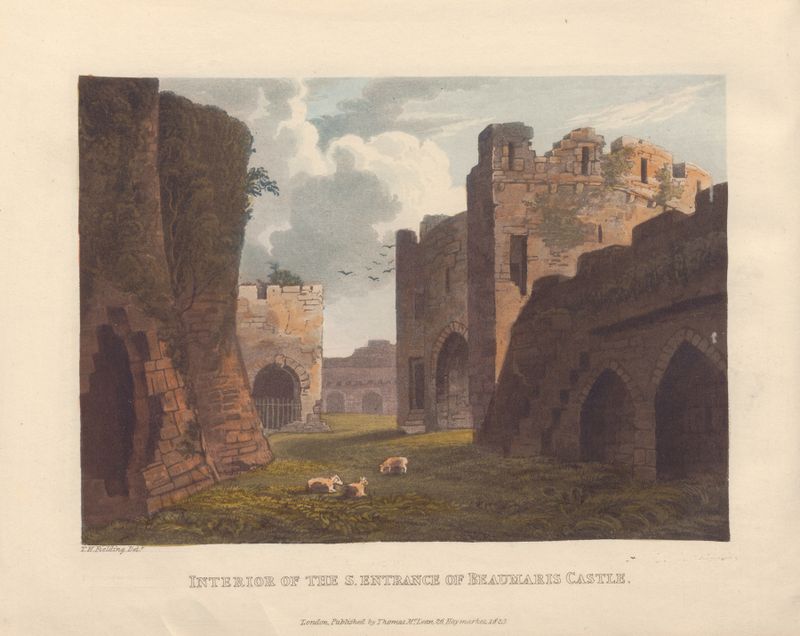
Interior of the south entrancce of Beaumaris Castle
Theodore Henry Adolphus Fielding
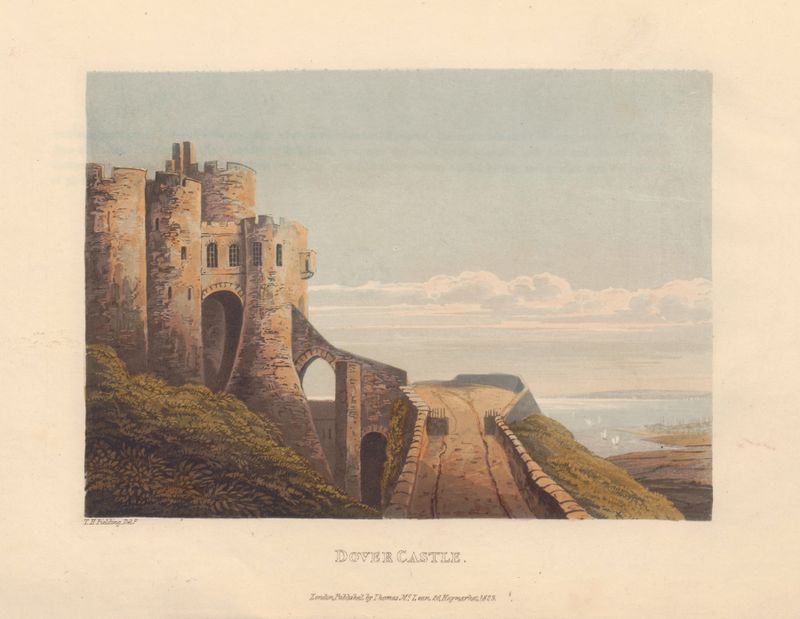
Dover Castle
Theodore Henry Adolphus Fielding
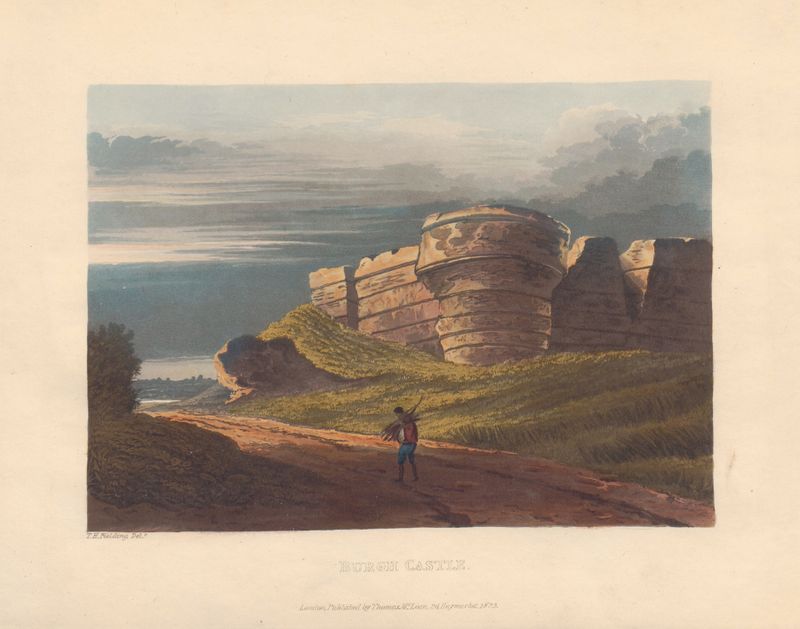
Burgh Castle
Theodore Henry Adolphus Fielding
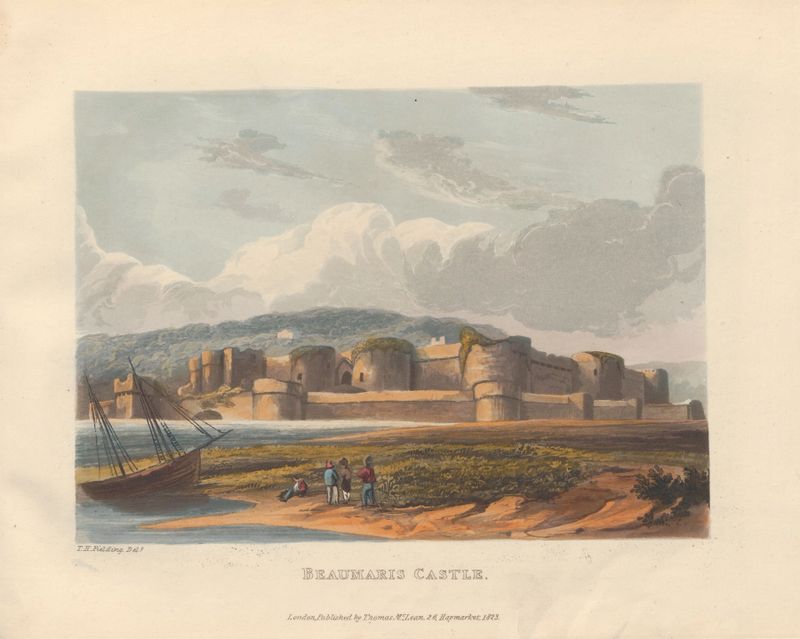
Beaumaris Castle
Theodore Henry Adolphus Fielding
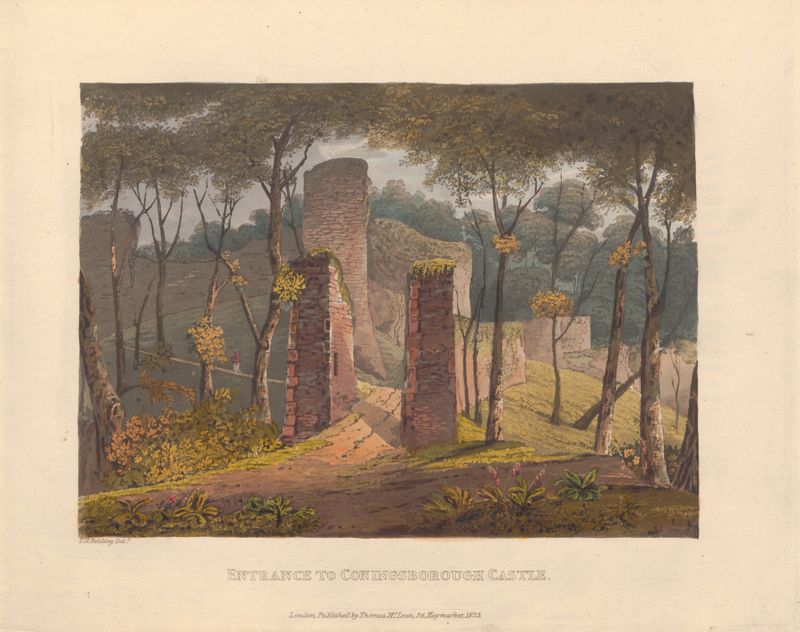
Entrance to Coningsborough Castle
Theodore Henry Adolphus Fielding





