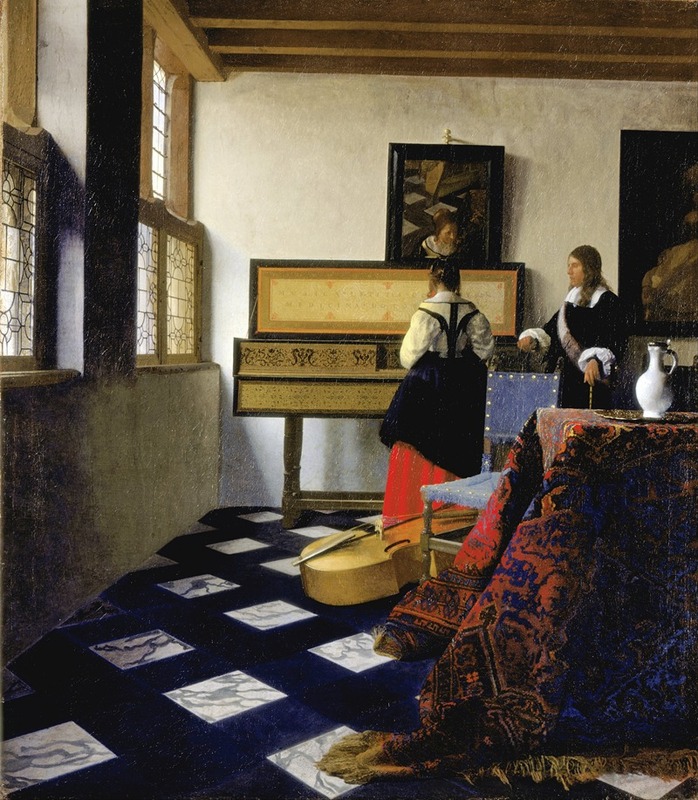
Interior of the south entrancce of Beaumaris Castle — History & Facts
In a world filled with the mundane, how often do we glance upon a fragment of history that speaks to the chaos within? Interior of the South Entrance of Beaumaris Castle captures a moment where stillness meets the whisper of madness, inviting the viewer to step into its quiet turmoil. Look to the left where the cool stone walls draw your eye, their jagged edges softened by the glow of filtered light. Notice how it spills through the arched openings, casting elongated shadows that dance across the floor, intertwining with the rich textures of the ancient structure. Fielding's careful brushwork reveals the intricate details of the brick and mortar, each stroke laden with centuries of stories, while the muted palette reflects the somber atmosphere of a space once filled with grandeur. Peering deeper into the work, one senses an underlying tension between the fortress's imposing architecture and the delicate play of light.
The shadows suggest the passage of time, evoking memories of laughter and grief that have long faded. This duality—strength and fragility—mirrors the madness that creeps into the corners of our minds, as silence amplifies the weight of the past, leaving echoes of its history reverberating through the present. Fielding created this piece in 1825 during a period when Romanticism was challenging the conventions of neoclassicism. Working primarily in England, he found inspiration in the ruins and landscapes that spoke to the sublime.
This painting encapsulates his fascination with the intersection of nature and architecture, reflecting a time when artists sought to capture not just images, but the very essence of emotional experience and the worlds that linger just beyond our reach.
More Artworks by Theodore Henry Adolphus Fielding
Browse all →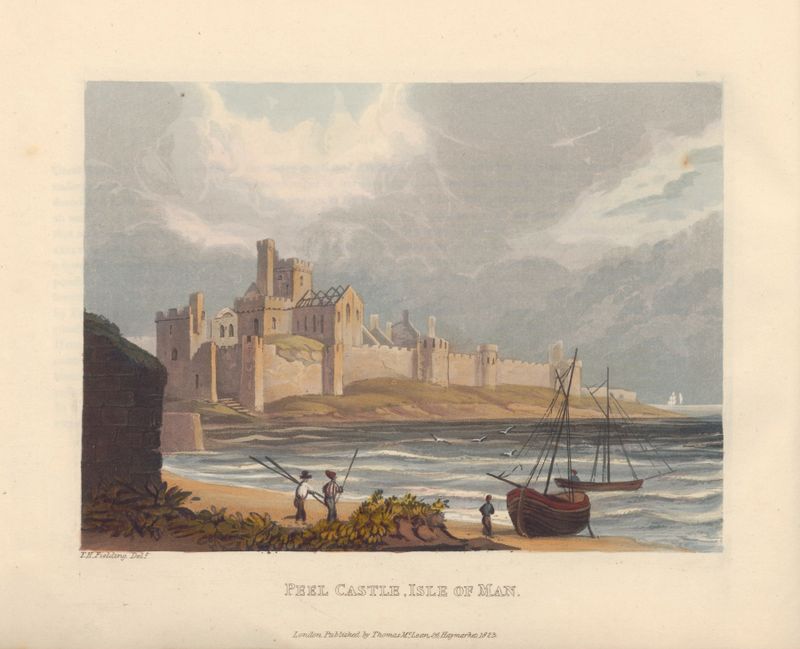
Peel Castle, Isle of Man
Theodore Henry Adolphus Fielding
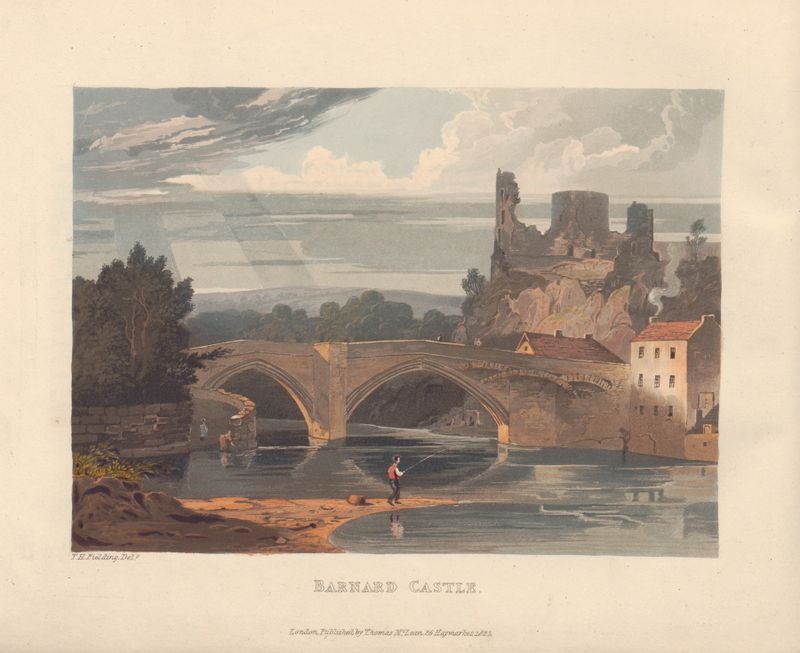
Barnard Castle
Theodore Henry Adolphus Fielding
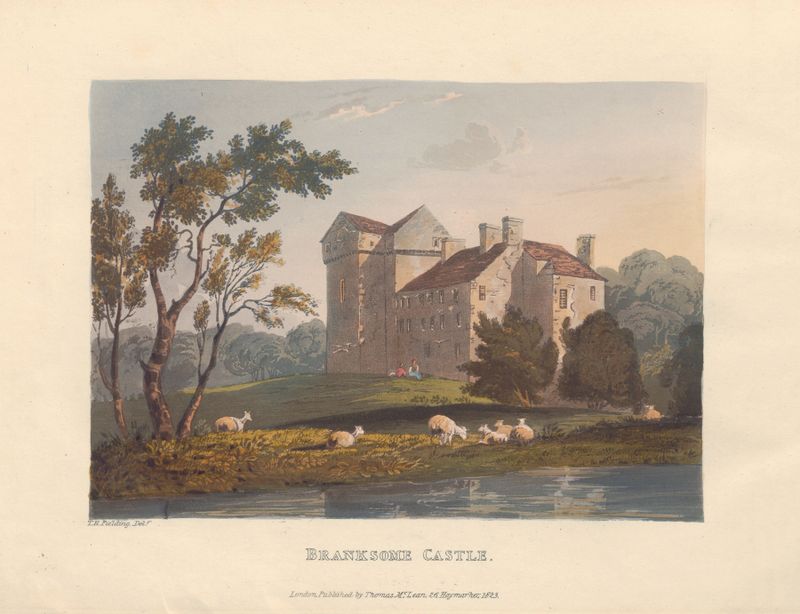
Branksome Castle
Theodore Henry Adolphus Fielding
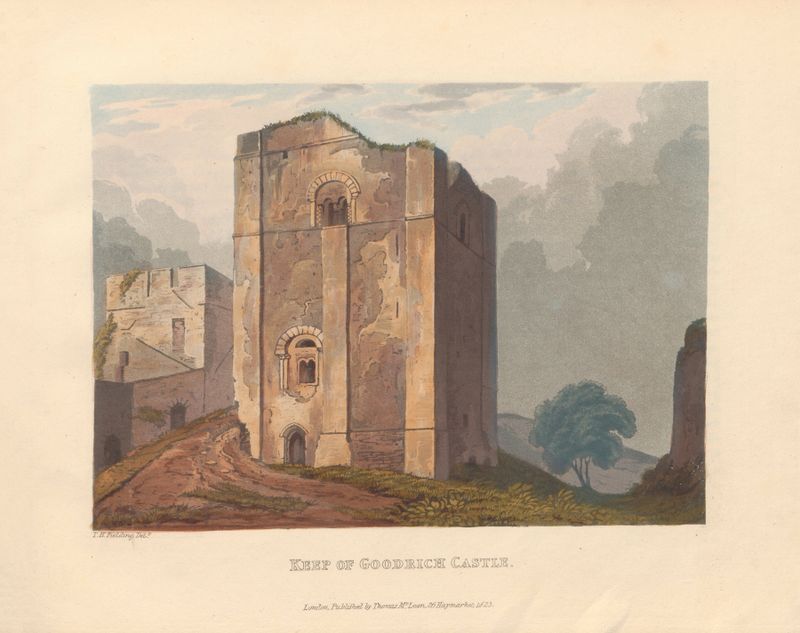
Keep of Goodrich Castle
Theodore Henry Adolphus Fielding
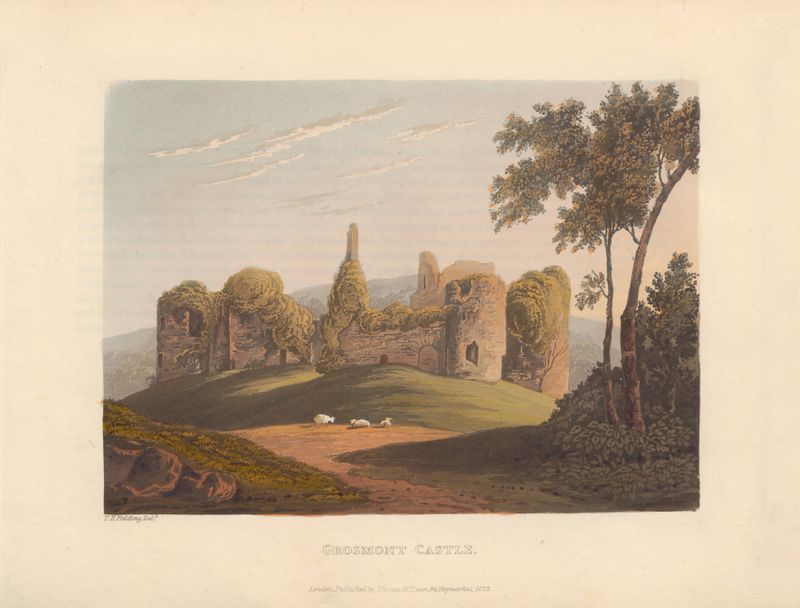
Grosmont Castle
Theodore Henry Adolphus Fielding
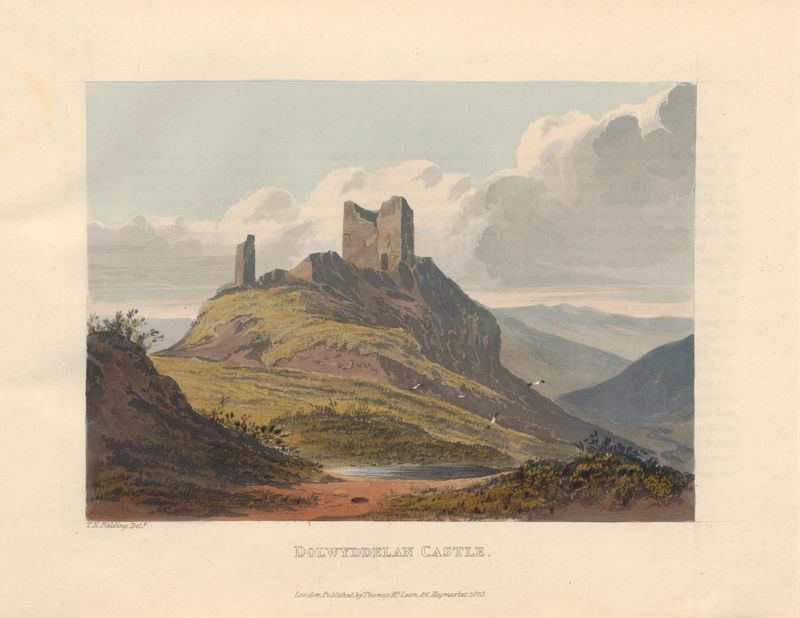
Dolwyddelan Castle
Theodore Henry Adolphus Fielding
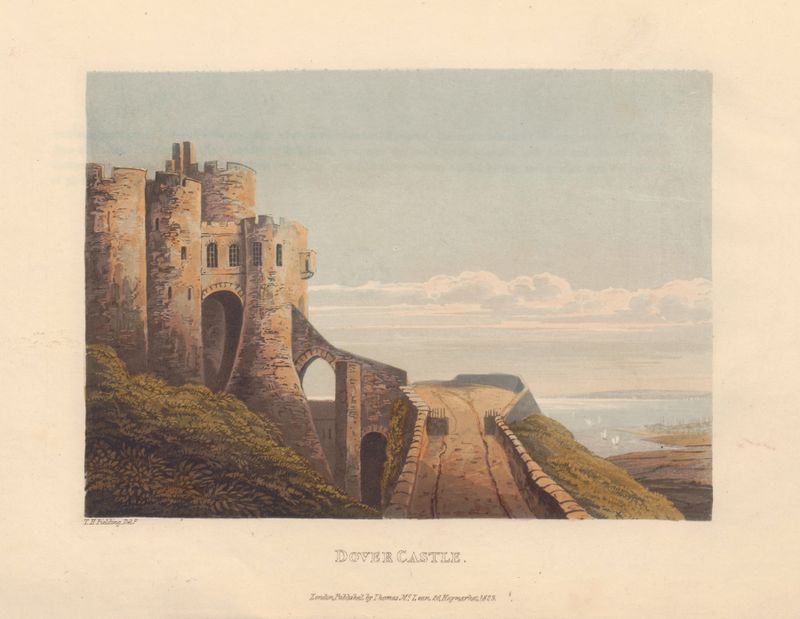
Dover Castle
Theodore Henry Adolphus Fielding
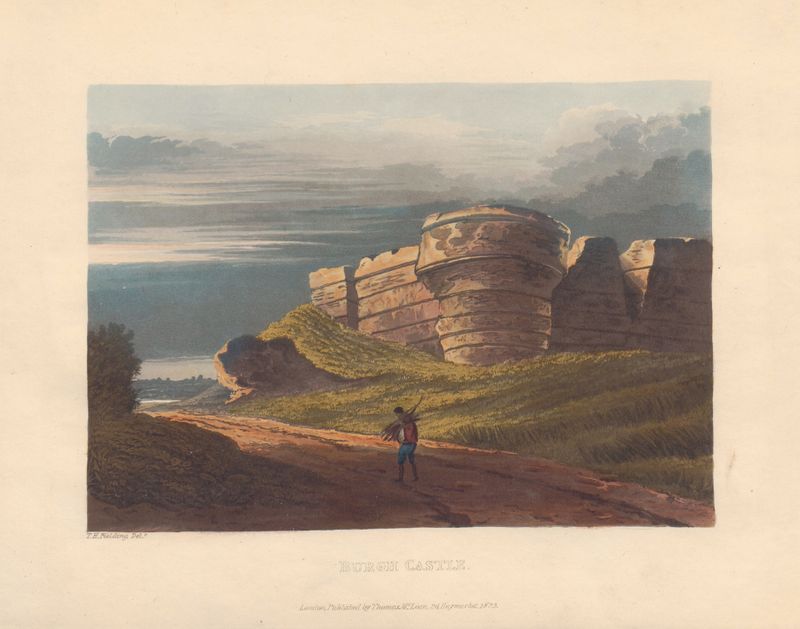
Burgh Castle
Theodore Henry Adolphus Fielding
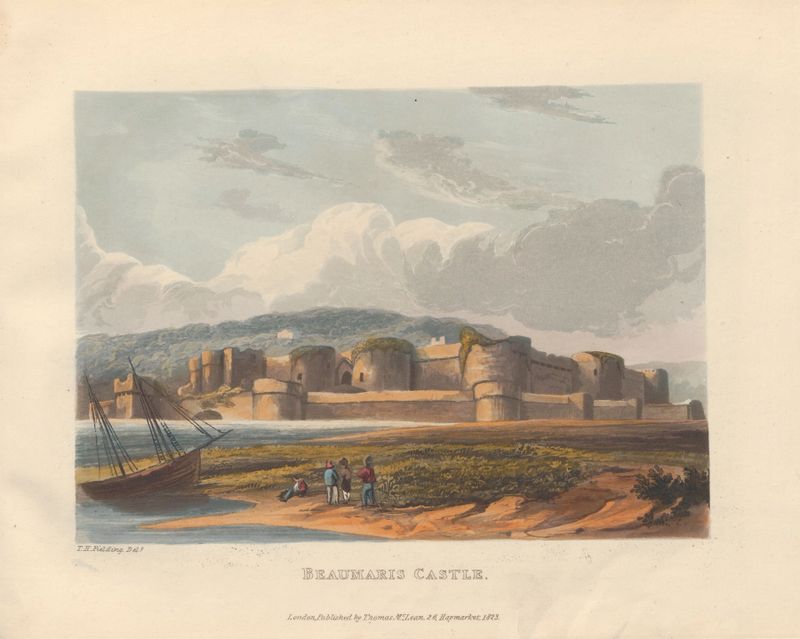
Beaumaris Castle
Theodore Henry Adolphus Fielding
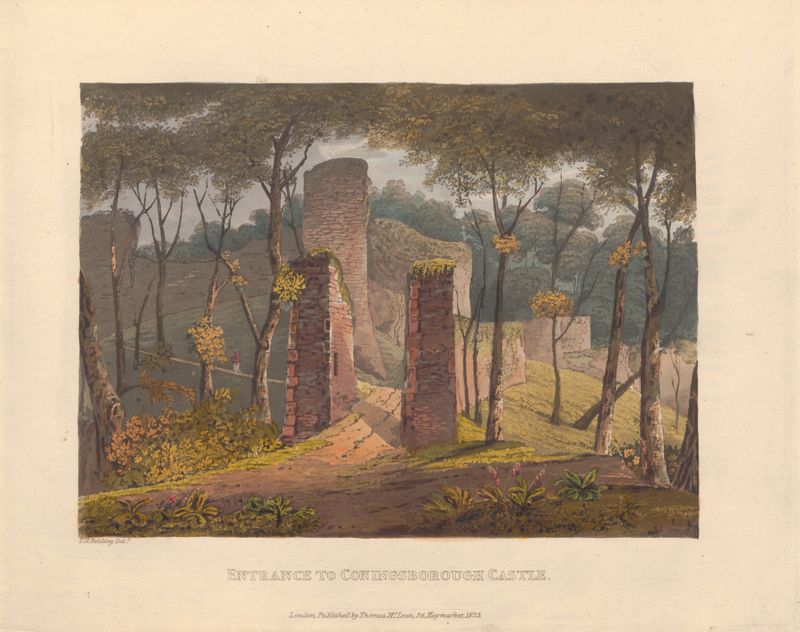
Entrance to Coningsborough Castle
Theodore Henry Adolphus Fielding