
Barques à Ciboure — History & Facts
A hush lingers over the water, where small boats drift untethered, their dark hulls mirrored in the cool, greenish surface. The eye is drawn first to these barques, suspended in stillness, before wandering to the cluster of white buildings with their red roofs, huddled at the water’s edge. Behind them, the soft outline of distant mountains rises into a sky washed pale by morning or perhaps late afternoon light.
The painter’s brush flattens detail, giving the scene a sense of calm detachment—no figures animate the quay, no sails billow, only the faint plume of smoke hints at unseen life within the town. The palette is restrained but purposeful: the water’s subtle greens and blues, the buildings’ muted whites, the roofs’ rusty reds, all orchestrate a quiet harmony that invites contemplation. Painted in 1927, Barques à Ciboure belongs to a moment when artists like Albert Marquet found new poetry in everyday waterfronts, capturing the changing rhythms of port towns in a rapidly modernizing France. Such scenes were rarely grand commissions; instead, they were often painted for collectors drawn to the freshness and immediacy of the artist’s eye.
The interwar years saw a hunger for images that balanced the new with the familiar, and Marquet’s clear, unhurried vision offered just that. History has kept few traces of this specific work’s journey, but its survival in a private collection reminds us how these quiet corners of the world, once painted, can outlast the bustle that first inspired them. Look again at the boats—how they seem to wait, as if holding their breath for the day to begin.
More Artworks by Albert Marquet
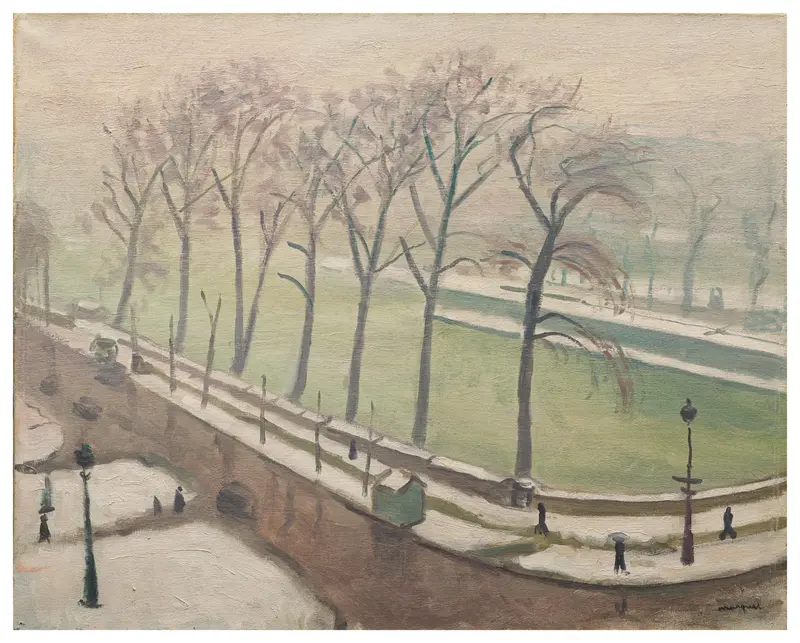
Pont-Neuf sous la neige
Albert Marquet

Le Port d’Alger
Albert Marquet
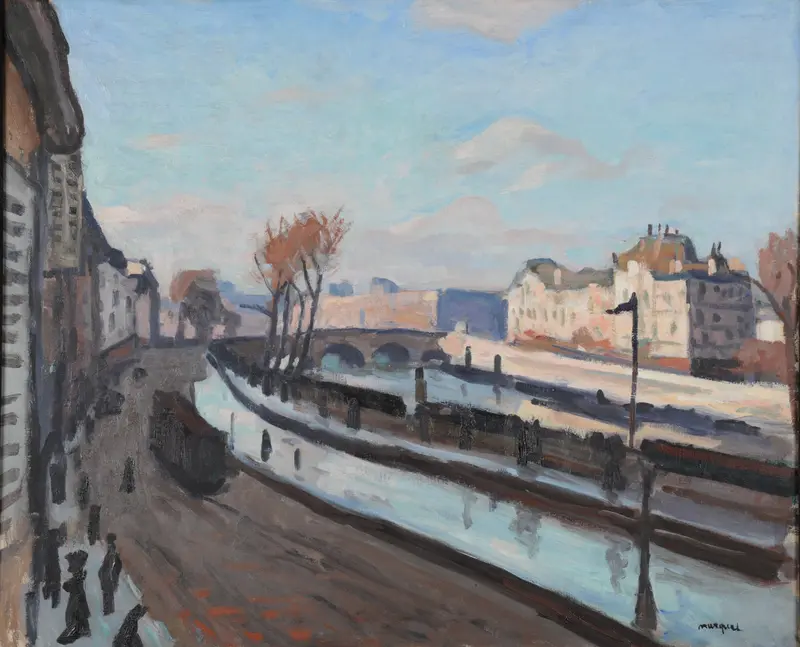
Le quai des Grands Augustins
Albert Marquet

Le jardin à l’Estaque
Albert Marquet
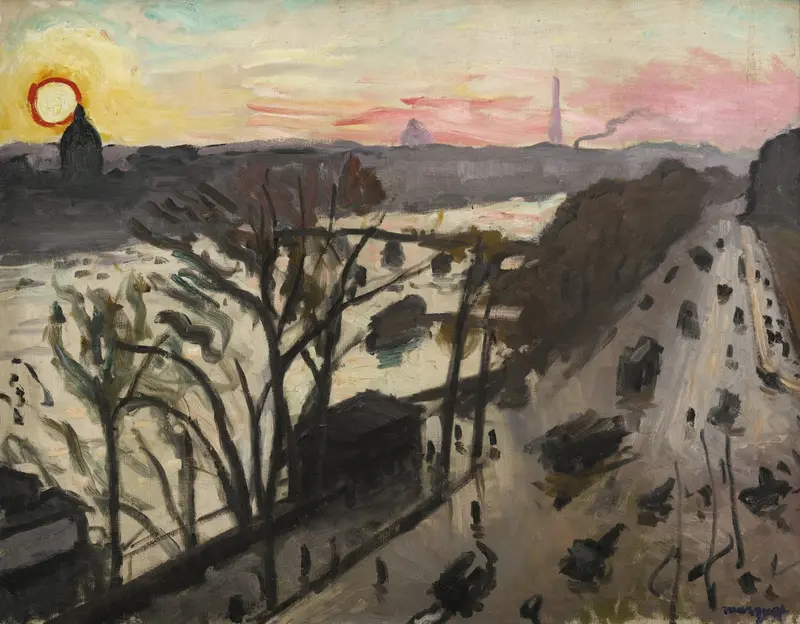
Paris, quai du Louvre, soleil d’hiver
Albert Marquet
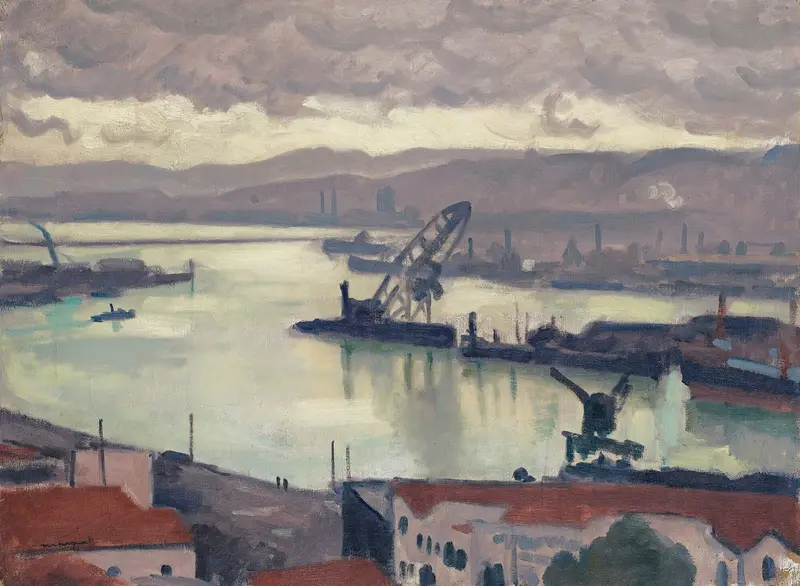
Alger, Temps Gris
Albert Marquet

Berge de la Seine à Méricourt
Albert Marquet
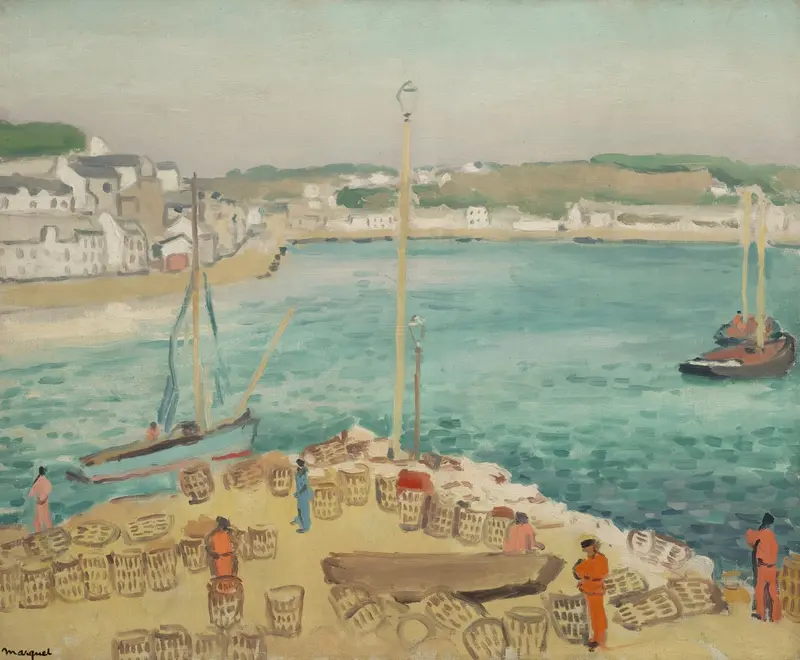
Audierne, les tonneaux
Albert Marquet
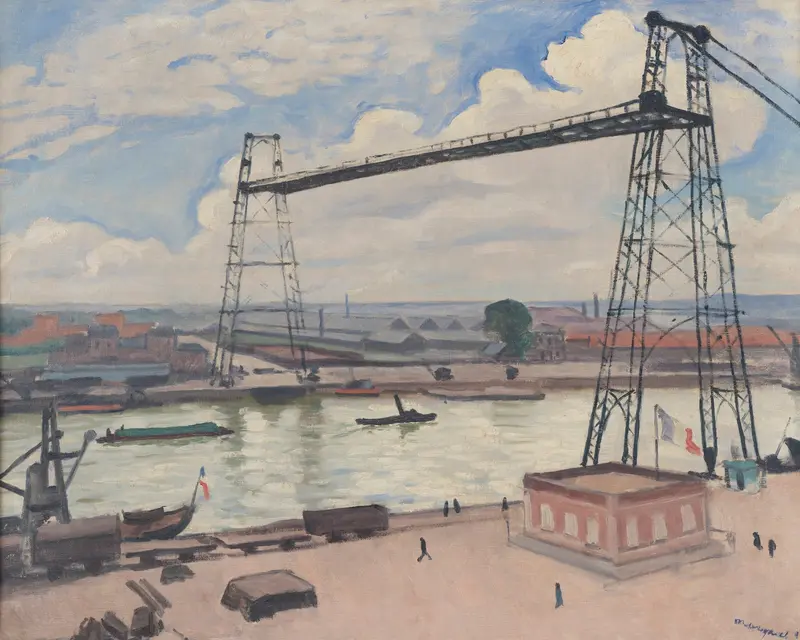
Rouen, le pont transbordeur
Albert Marquet
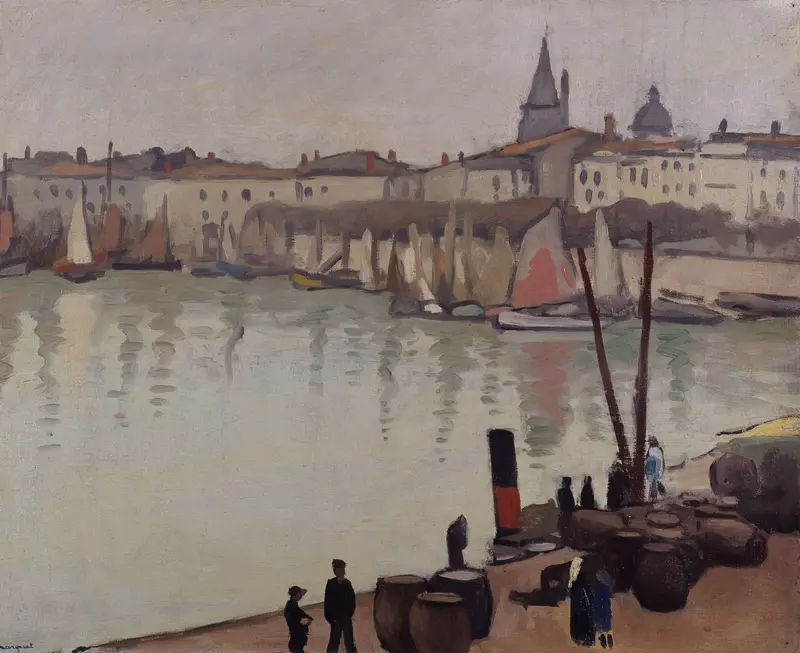
Port of La Rochelle
Albert Marquet





