
Battery Park — History & Facts
Can paint confess what words never could? In Battery Park, the strokes of color and shadow unveil a dialogue between nature and urbanity, a conversation that transcends language. Look to the lower right at the dynamic figures of pedestrians, their silhouettes busy and vibrant against a backdrop of tall, looming structures. Notice how the light cascades through the trees, dappling the ground and illuminating the mixed hues of green and brown. The bustling energy of the park contrasts starkly with the stark, angular lines of the buildings that rise in the background, creating a visual tension that speaks to the coexistence of life and industry. Within the piece, the dance of light and shadow reveals deeper themes of transience and permanence.
The trees, symbols of nature’s resilience, stand as guardians of the fleeting moments captured in the figures’ hurried movements. Their presence against the burgeoning metropolis beckons contemplation on the relationship between humanity and the environment, each brushstroke whispering stories of both hope and encroachment. Here, stillness meets chaos, and the viewer is invited to ponder the cost of progress. In 1905, Joseph Pennell painted Battery Park during a time of rapid industrialization and urban expansion in New York City.
As he captured the essence of the park, he was influenced by the burgeoning artistic movements surrounding him, embracing both realism and impressionism. This period marked a significant transition in his work as he sought to document the vitality of the American landscape amid the changes brought on by modernity.
More Artworks by Joseph Pennell
Browse all →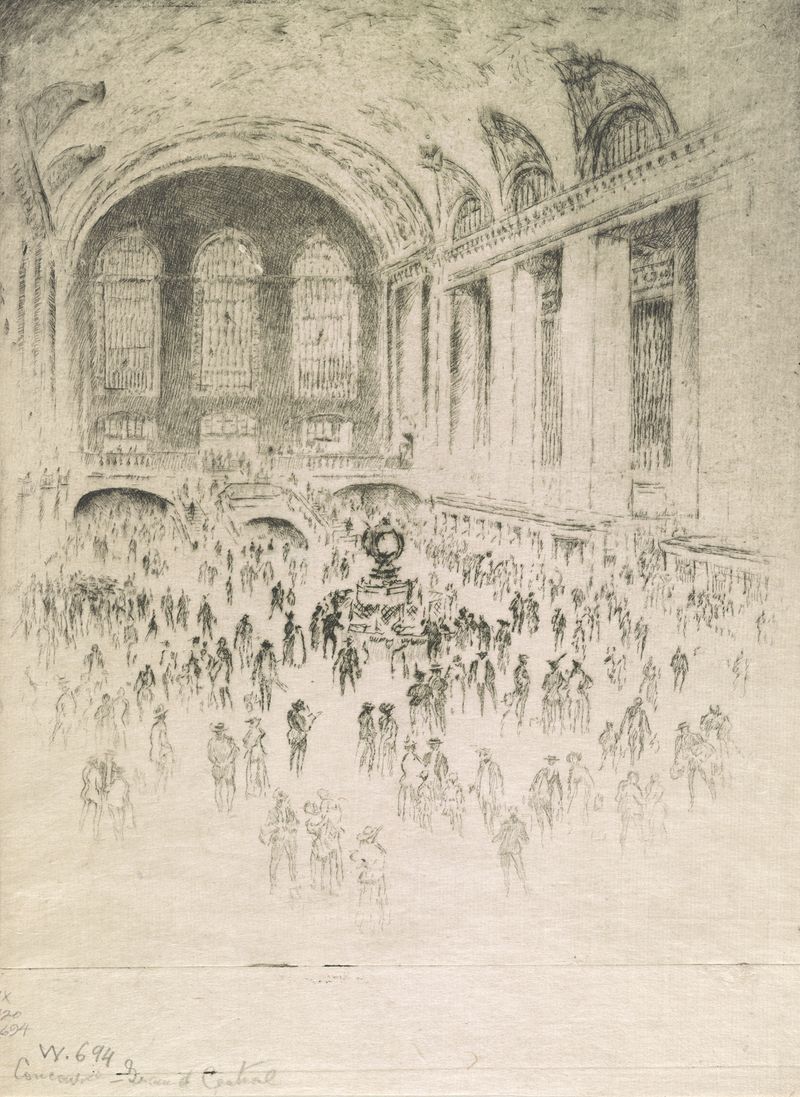
Concourse, Grand Central
Joseph Pennell
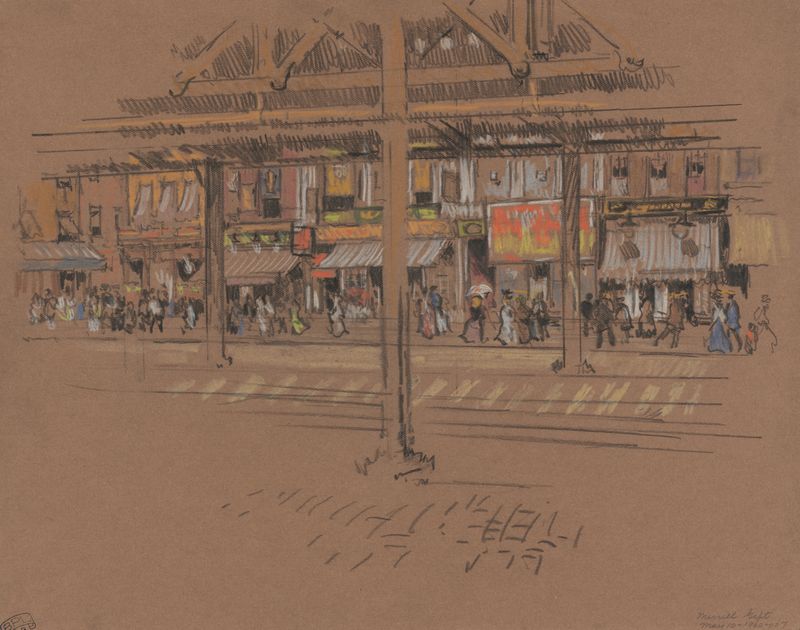
Sixth Avenue
Joseph Pennell
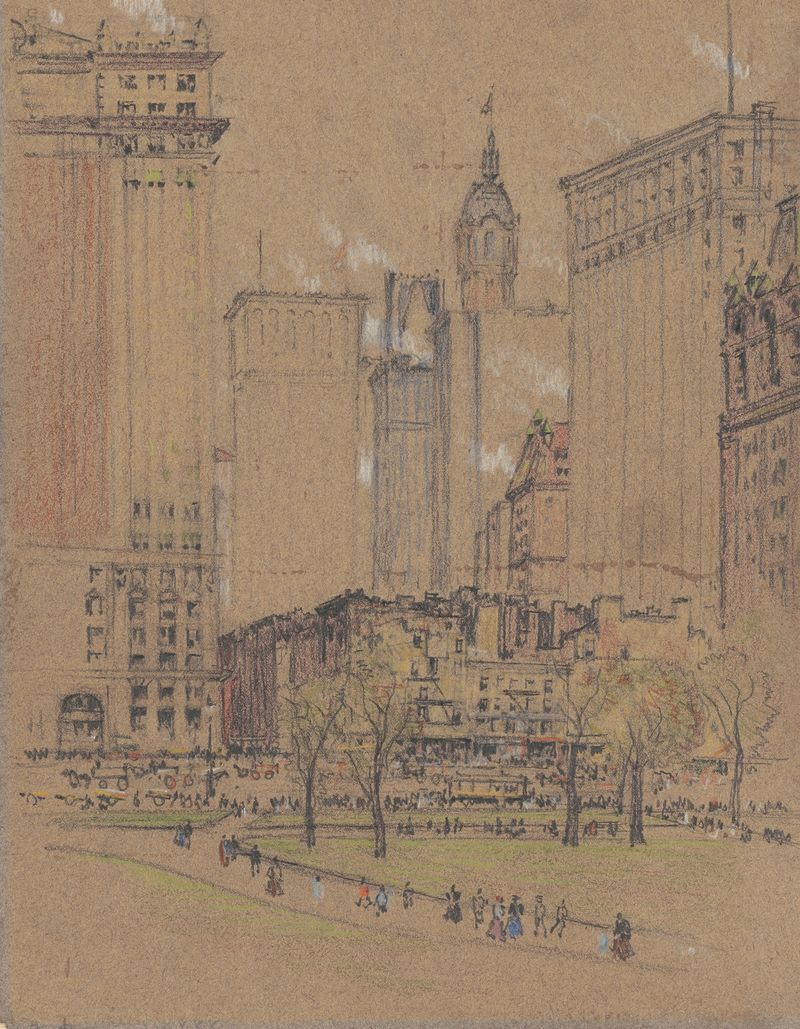
New York,the Old and the New
Joseph Pennell
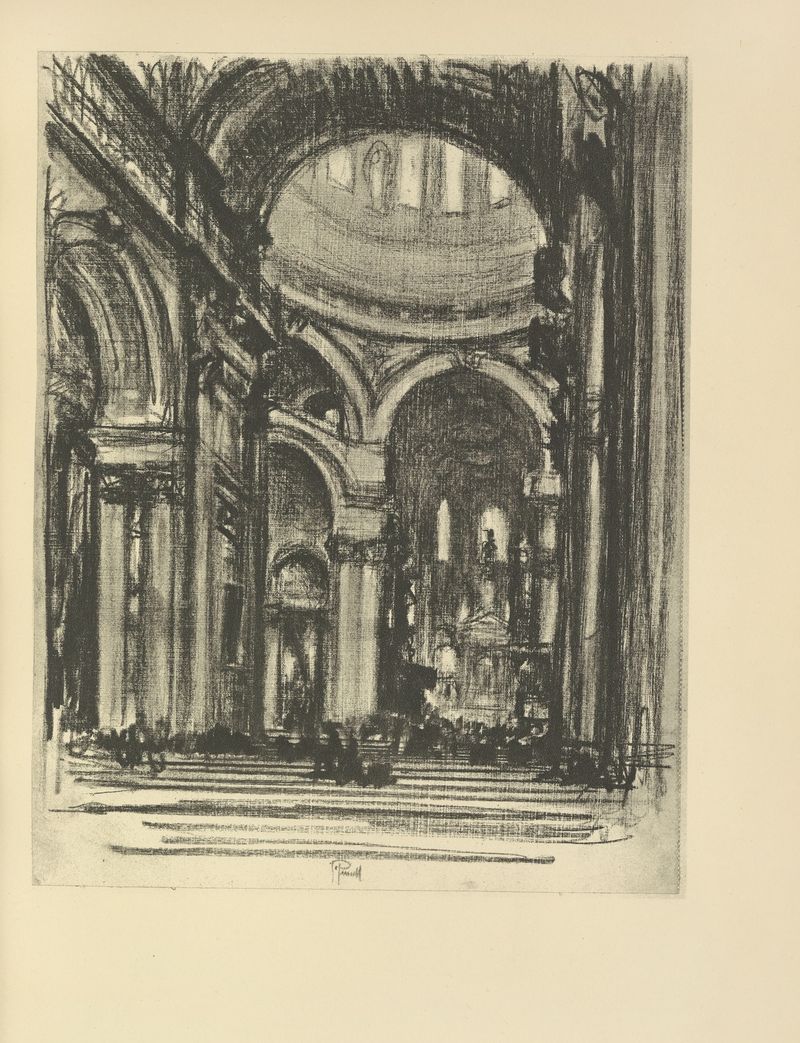
St. Paul’s, The Nave
Joseph Pennell
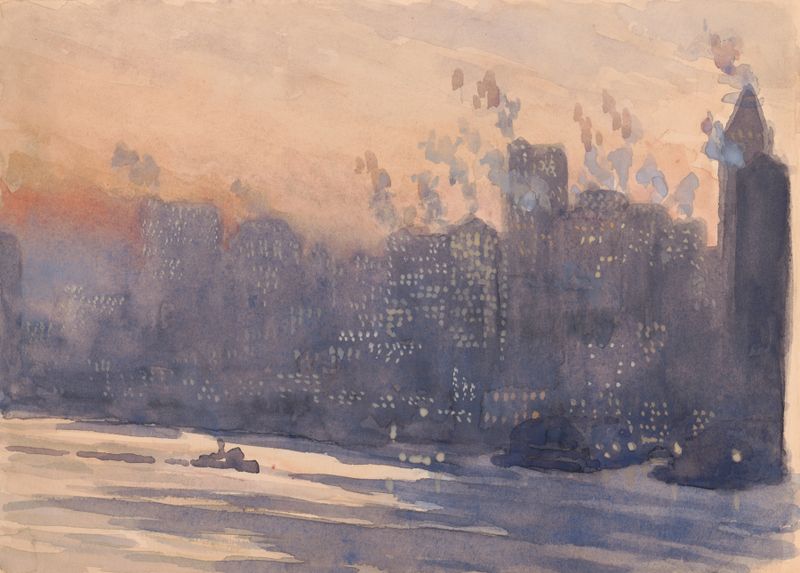
New York City harbor and skyline at night
Joseph Pennell
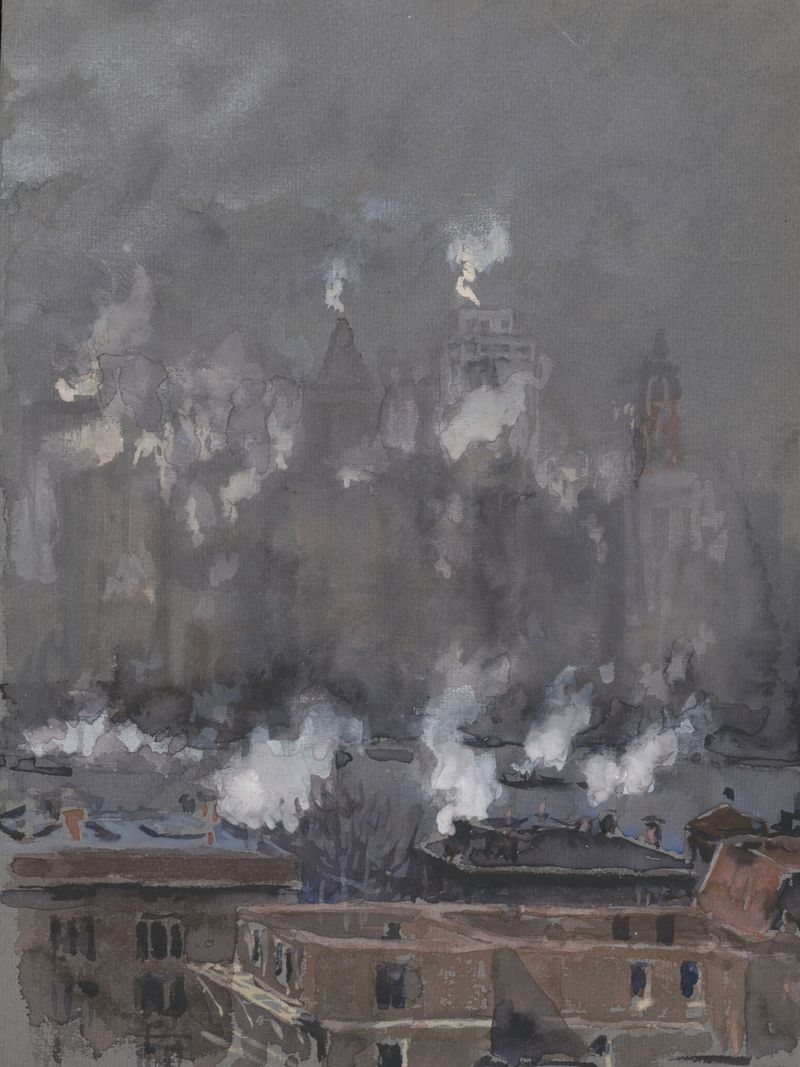
Smoke and fog on gray day, New York City
Joseph Pennell
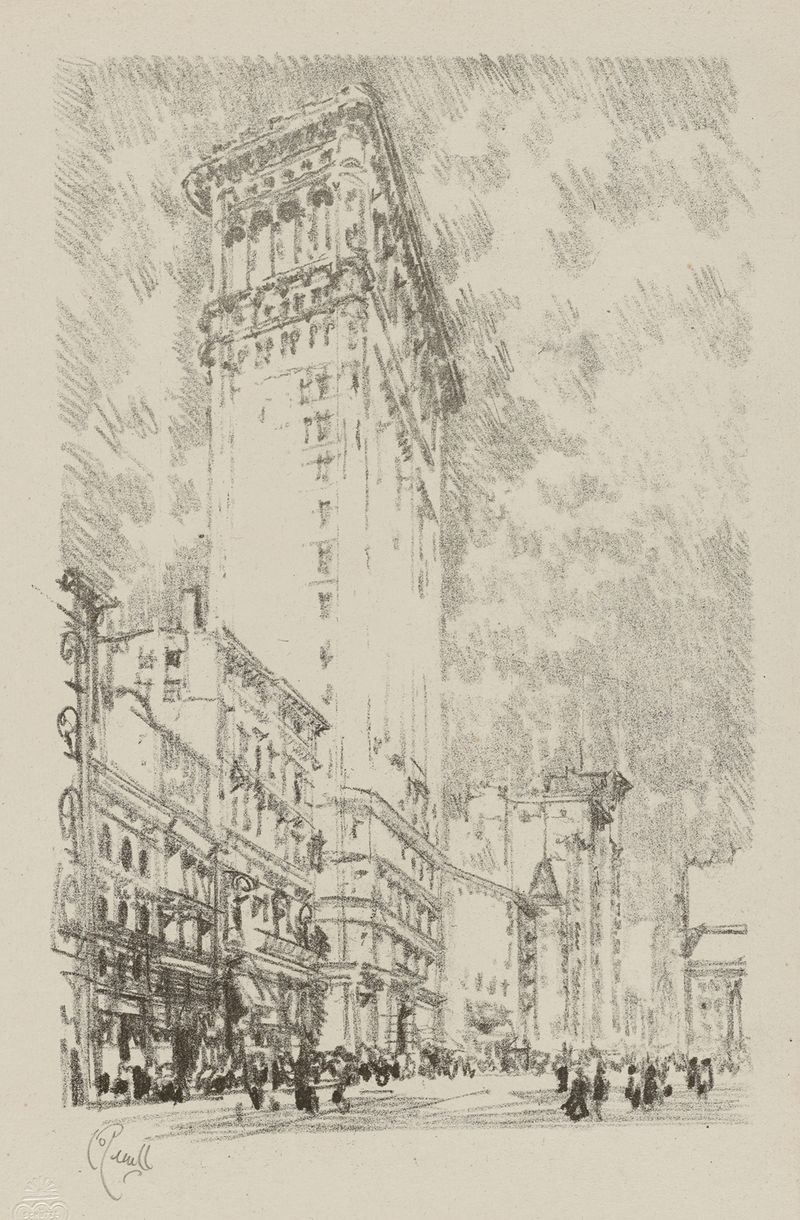
The Flat Iron
Joseph Pennell
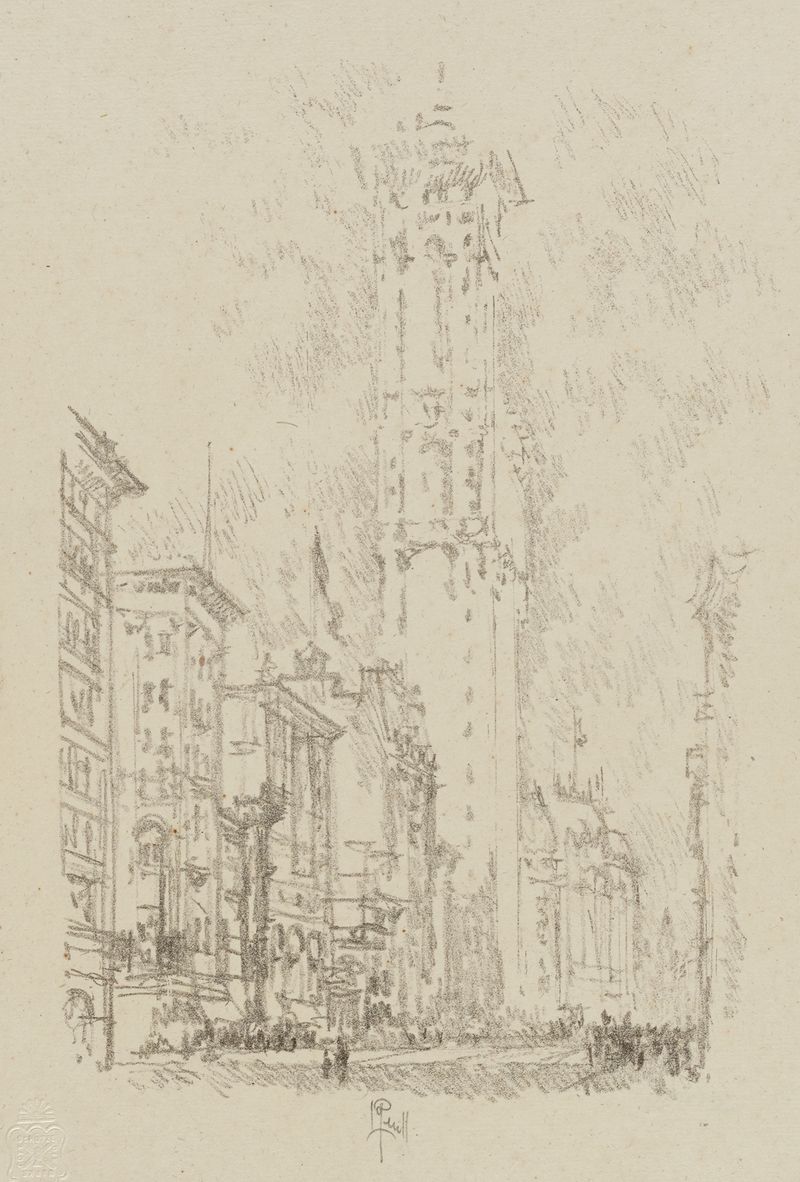
The Times Building
Joseph Pennell
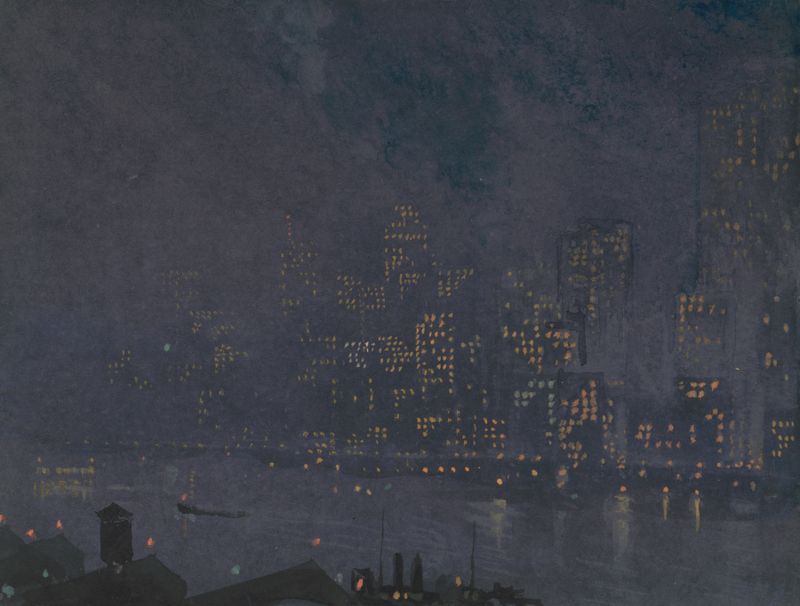
Skyscrapers at night
Joseph Pennell

St. James’ Park
Joseph Pennell





