
Bauernhaus in Zustorf — History & Facts
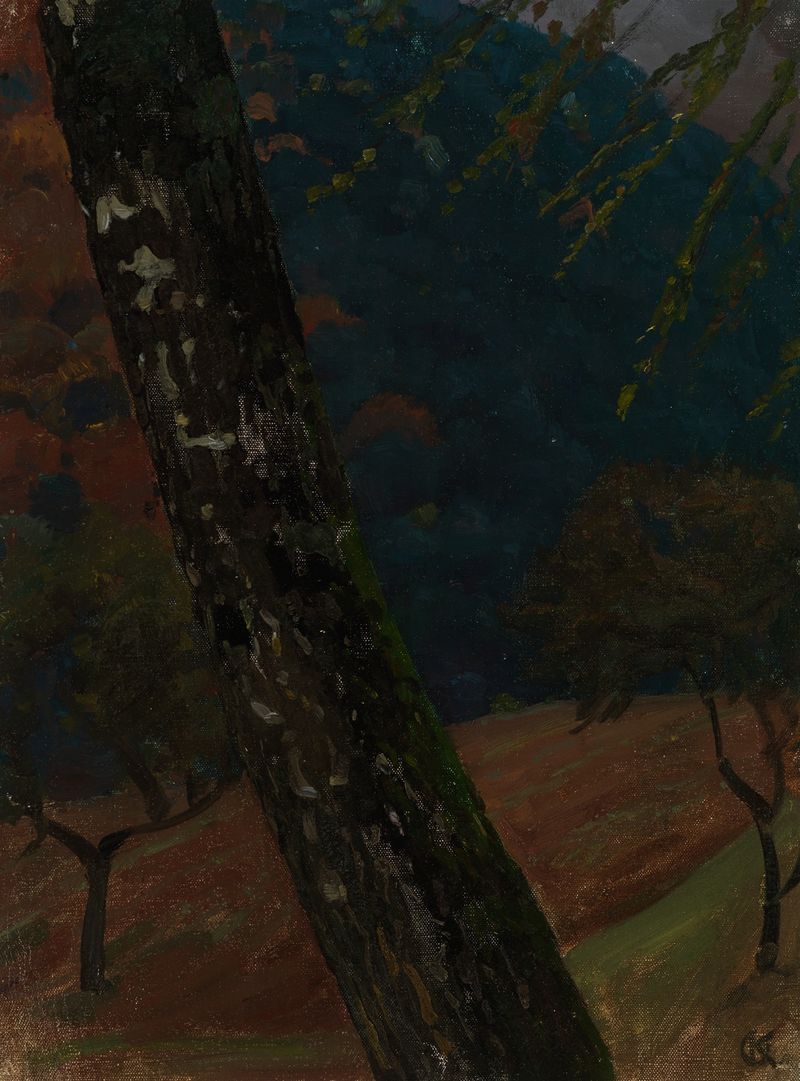
In the quiet embrace of shadows, past and present mingle, revealing the unseen weight of memories held in place by time. Focus on the left side of the canvas, where a modest farmhouse stands resolute against a backdrop of rolling fields. The earthy tones of ochre and umber envelop the structure, while delicate touches of green and gold celebrate the surrounding nature. Notice how the dappled light filters through the trees, casting intricate patterns over the weathered walls.
Each shadow breathes life into the scene, suggesting stories of those who once passed through the threshold. Yet, beneath the tranquil surface lies a tension between permanence and transience. The heavy shadows evoke a sense of nostalgia, hinting at the lives entwined with the land—a family’s laughter now muted, a child’s footsteps long silenced. Each stroke captures the duality of existence: the steadfastness of the farmhouse juxtaposed with the fleeting nature of human experience.
The whisper of history lingers, inviting the viewer to reflect on their own connections to place and memory. Created in 1884, this piece reflects Gustav Kampmann’s deep engagement with rural life in Germany. At this time, Kampmann was navigating a period of personal exploration, moving towards a style that merged realism with a profound emotional resonance. His work during this era exemplifies a shift in the artistic landscape, as artists began to emphasize the emotional weight of everyday scenes, capturing the essence of life in all its complexity.
More Artworks by Gustav Kampmann
Browse all →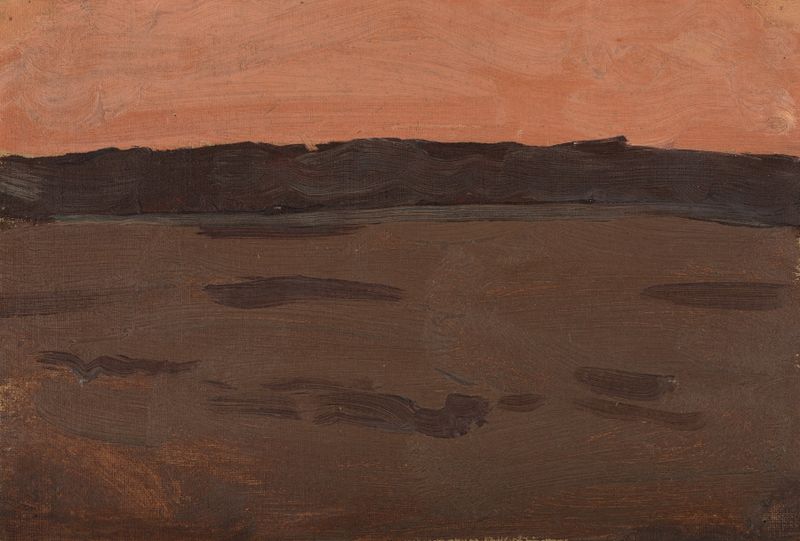
Abendstimmung
Gustav Kampmann

Eisenbahn am Abend
Gustav Kampmann

Nach Sonnenuntergang im Winter
Gustav Kampmann

Blick von der Hornisgrinde
Gustav Kampmann

Hügelige Landschaft mit Baumreihe
Gustav Kampmann
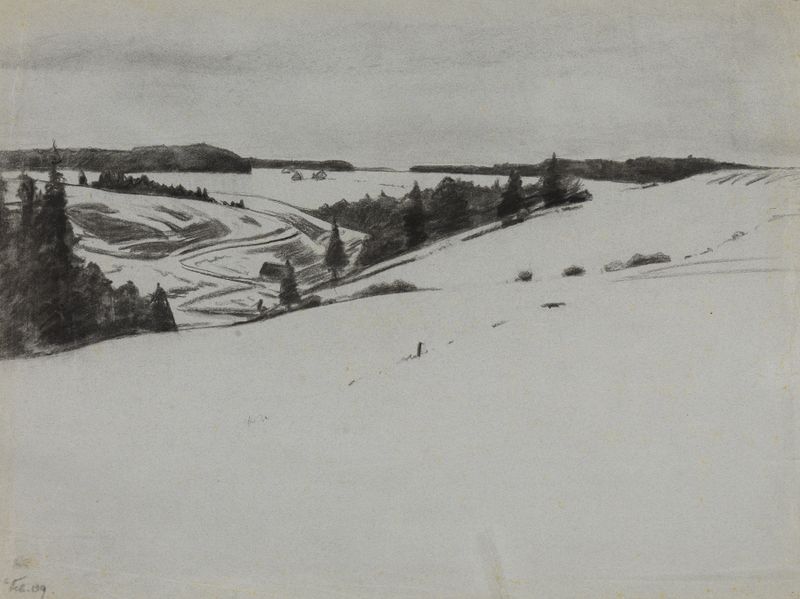
Schneelandschaft bei Königsfeld
Gustav Kampmann
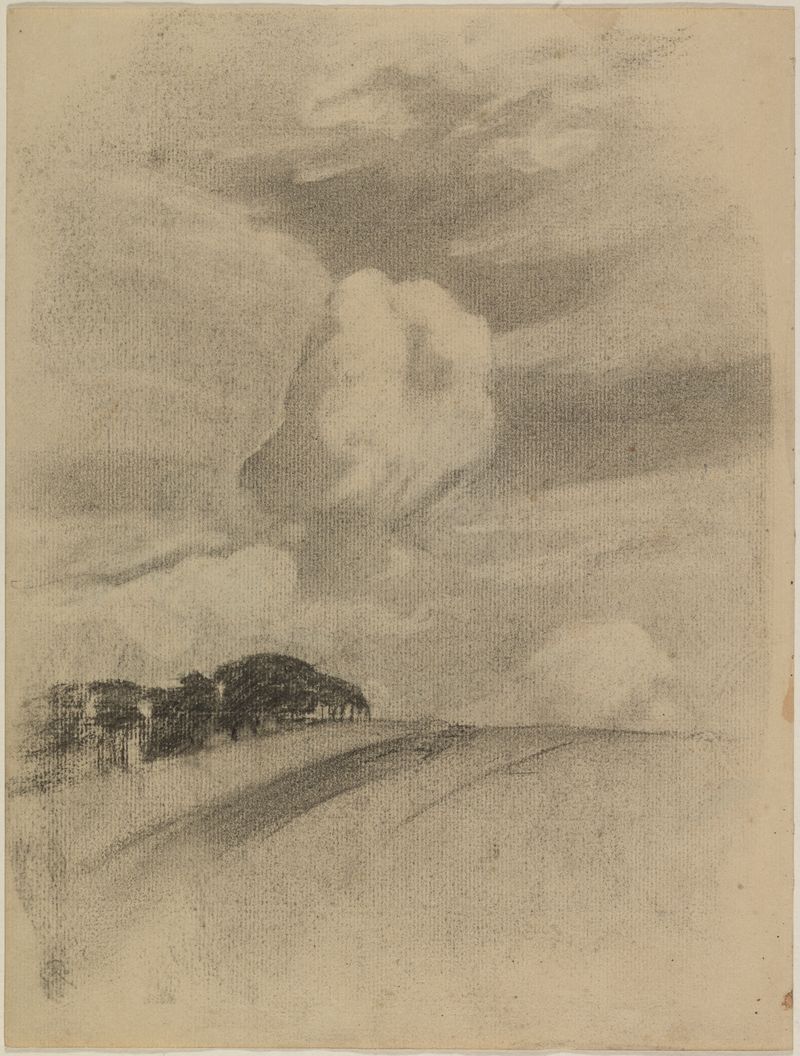
Landschaftsstudie
Gustav Kampmann
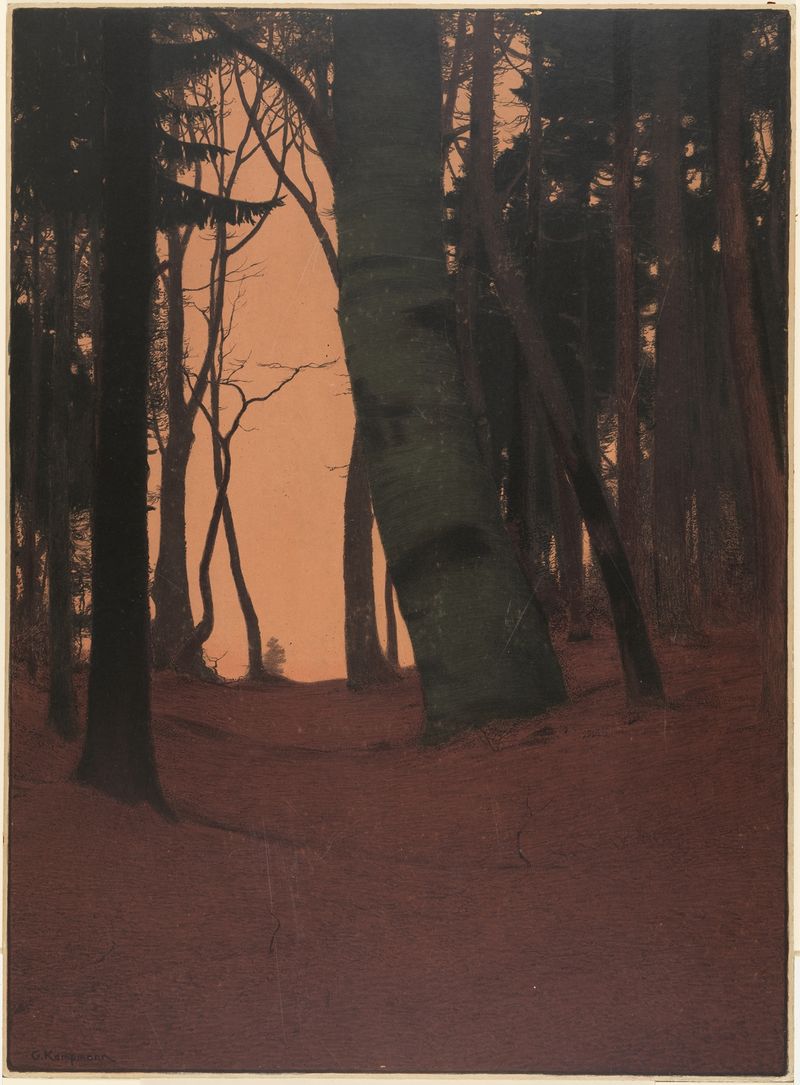
Abend im Wald
Gustav Kampmann

Drei alte Weiden bei Langenpreising
Gustav Kampmann
Baumstamm bei Obersteinbach
Gustav Kampmann





