
Baumstudie — History & Facts
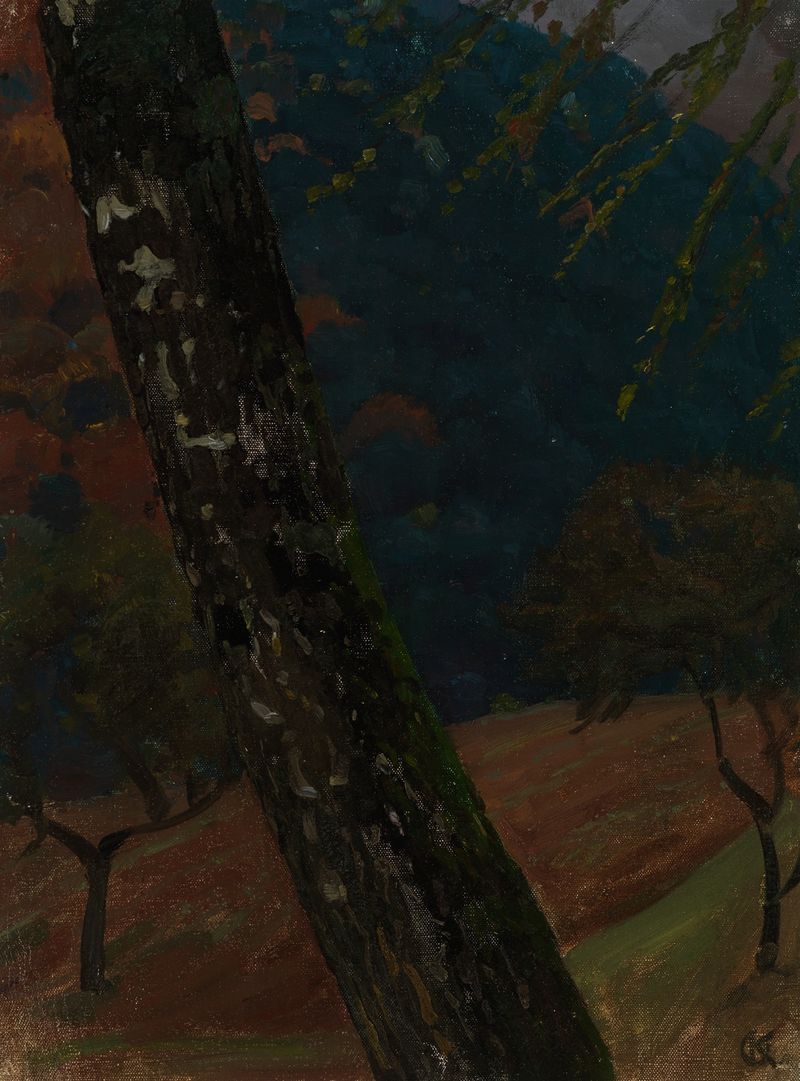
In the stillness of a vacant canvas, emptiness transforms into a vision of profound beauty, evoking the weight of existence and absence. Look to the center of the composition where the tree stands resolute, its branches reaching outward like searching fingers. Notice the meticulous strokes that define its bark, each one a testament to the artist’s patience and precision. The subtle hues of green and brown breathe life into the scene, while dappled light creates an interplay of shadow and illumination, drawing the viewer’s eye up the trunk towards the expanse of the sky. The interplay of fullness and void speaks to deeper themes of isolation and resilience.
The solitary tree, depicted with both strength and vulnerability, contrasts sharply with the blank background, evoking a sense of longing and introspection. Each layer of paint whispers a story of survival amidst an overwhelming silence, urging the observer to ponder their own existence within the vastness of the world. Gustav Kampmann created this piece in 1893, during a period marked by a growing interest in naturalism and the exploration of emotive landscapes. Living in Denmark, he was influenced by both the national romanticism of his homeland and the wider European art movements of the time.
This work reflects a pivotal moment in his artistic evolution, where the focus on nature became a means to convey deeper philosophical inquiries about life and solitude.
More Artworks by Gustav Kampmann
Browse all →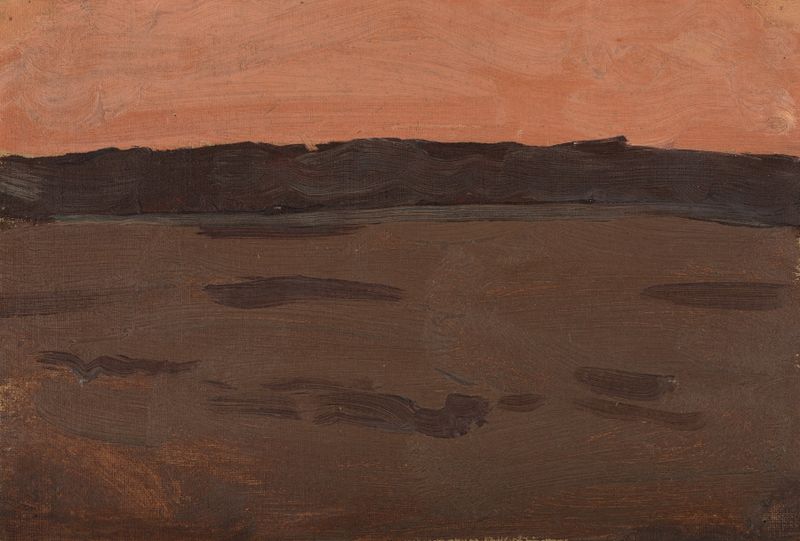
Abendstimmung
Gustav Kampmann

Eisenbahn am Abend
Gustav Kampmann

Nach Sonnenuntergang im Winter
Gustav Kampmann

Blick von der Hornisgrinde
Gustav Kampmann

Hügelige Landschaft mit Baumreihe
Gustav Kampmann
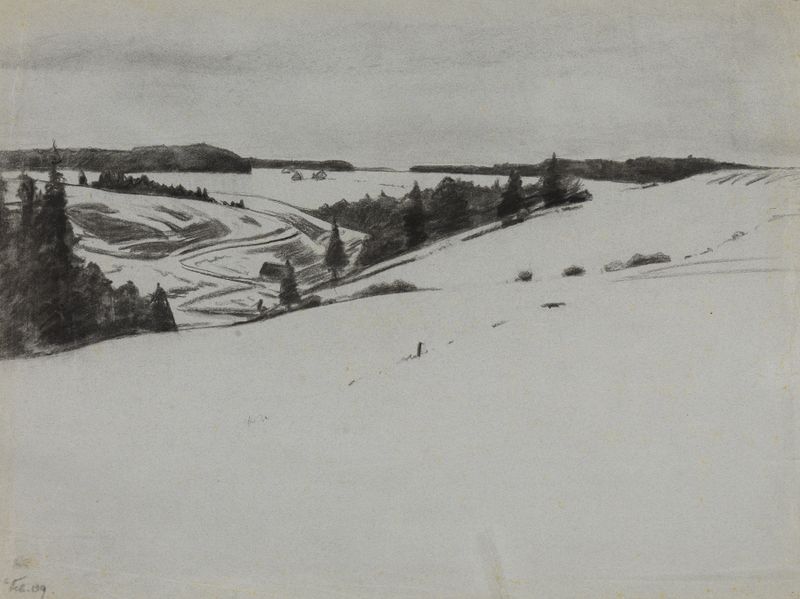
Schneelandschaft bei Königsfeld
Gustav Kampmann
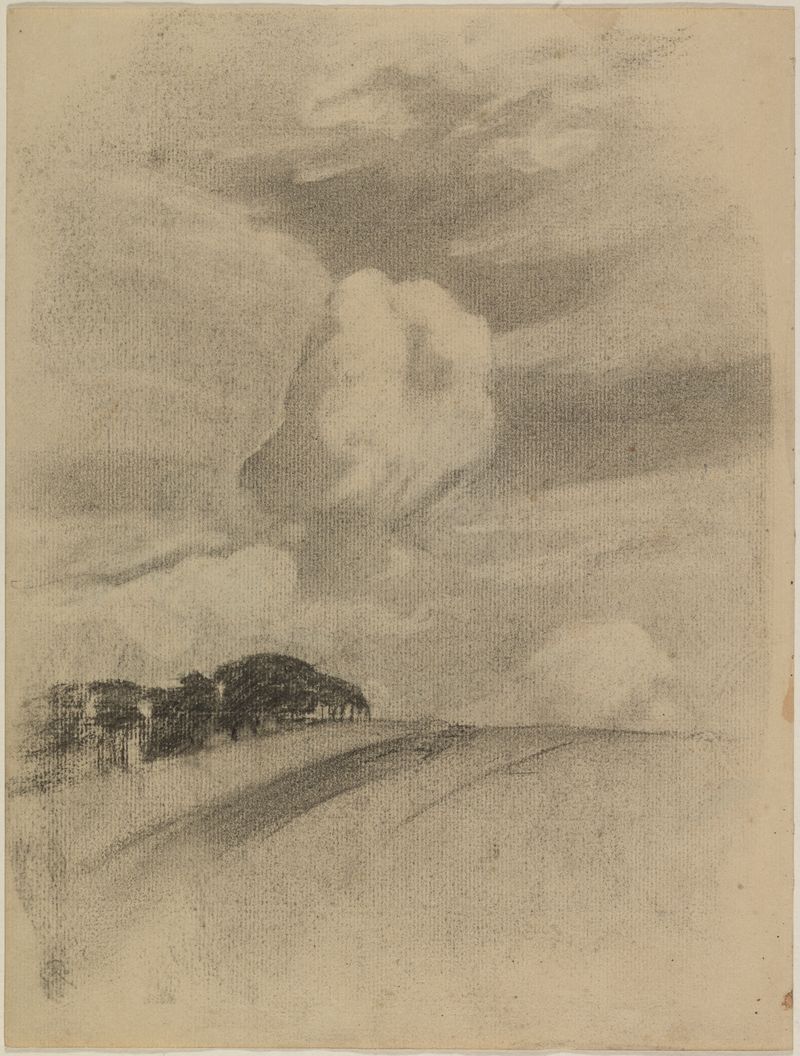
Landschaftsstudie
Gustav Kampmann
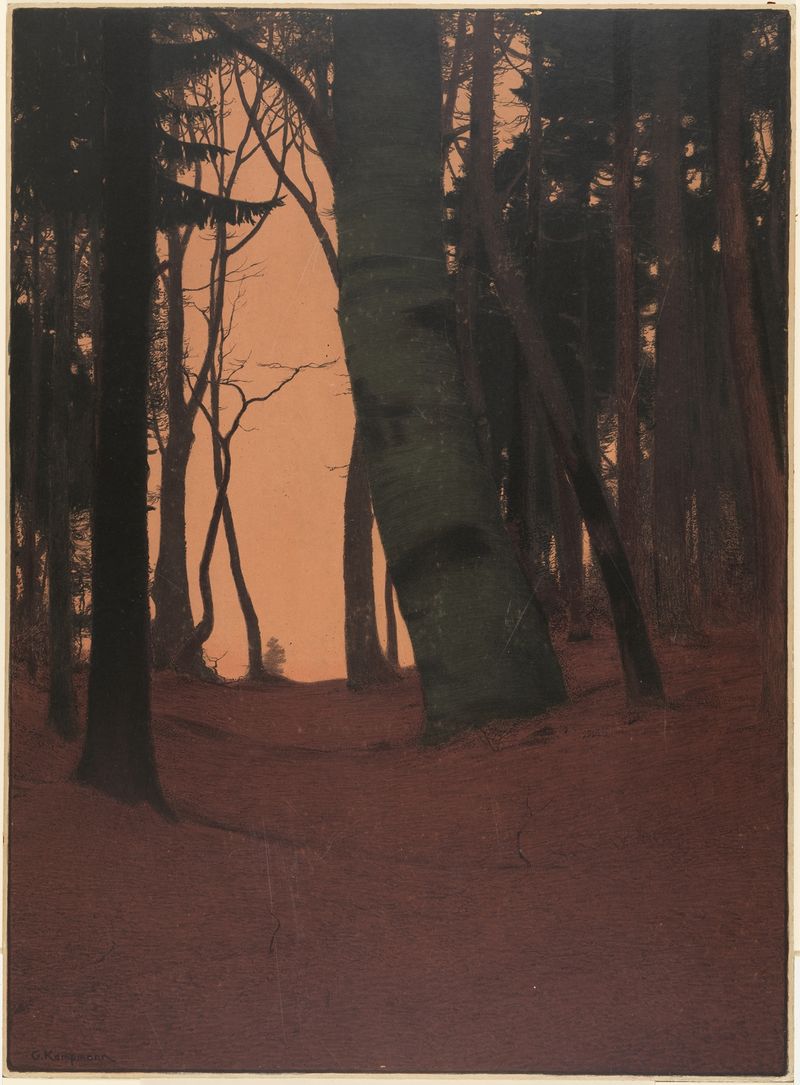
Abend im Wald
Gustav Kampmann

Drei alte Weiden bei Langenpreising
Gustav Kampmann
Baumstamm bei Obersteinbach
Gustav Kampmann





