
Bavois — History & Facts
Could a single brushstroke hold eternity? In Bavois, a delicate interplay of light and color captures the essence of fragility, inviting the viewer to contemplate the fleeting nature of existence. Look to the center, where a gentle blend of greens and blues forms the tranquil skyline. The soft brushwork creates a hazy atmosphere, inviting us to lose ourselves in the distant mountains. Notice how the light falls upon the foreground, illuminating the fragile wildflowers that sway softly, as if in conversation with the breeze.
This careful balance between vivid color and gentle tones evokes a sense of calm, even as the horizon teeters between reality and dream. As you explore further, observe the contrast between the stability of the mountains and the ephemeral nature of the flowers below. The sturdy peaks symbolize permanence, while the delicate blossoms serve as a reminder of life's transitory beauty. Each stroke carries emotional weight, suggesting a dialogue between the world's enduring and the ephemeral, a poignant balance that resonates deeply within the viewer. Wagner painted Bavois between 1840 and 1844, during a time of personal transition and flourishing artistic exploration in Switzerland.
He immersed himself in the local landscapes, reflecting a deep connection to nature while grappling with the Romantic ideals of beauty and impermanence. This period marked a significant evolution in his career, as he sought to blend realism with the emotive qualities of the sublime.
More Artworks by Johann Friedrich Wagner
Browse all →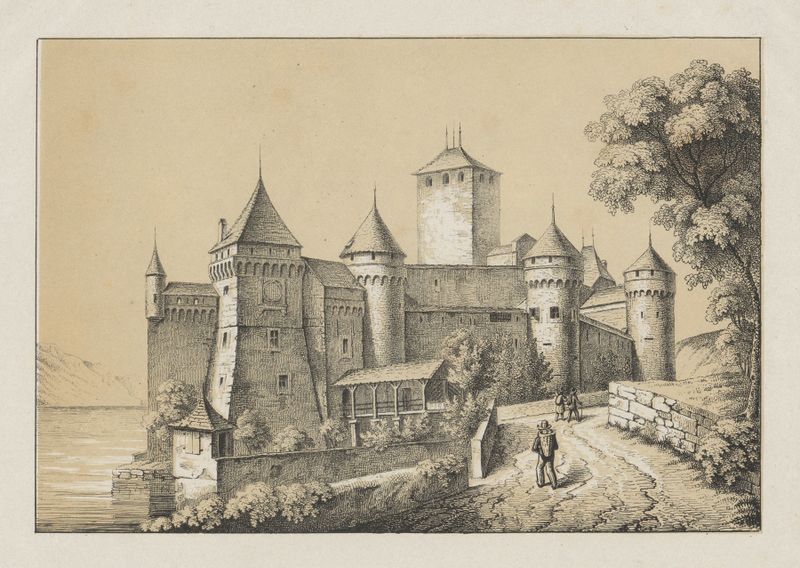
Chillon
Johann Friedrich Wagner

Valangin
Johann Friedrich Wagner
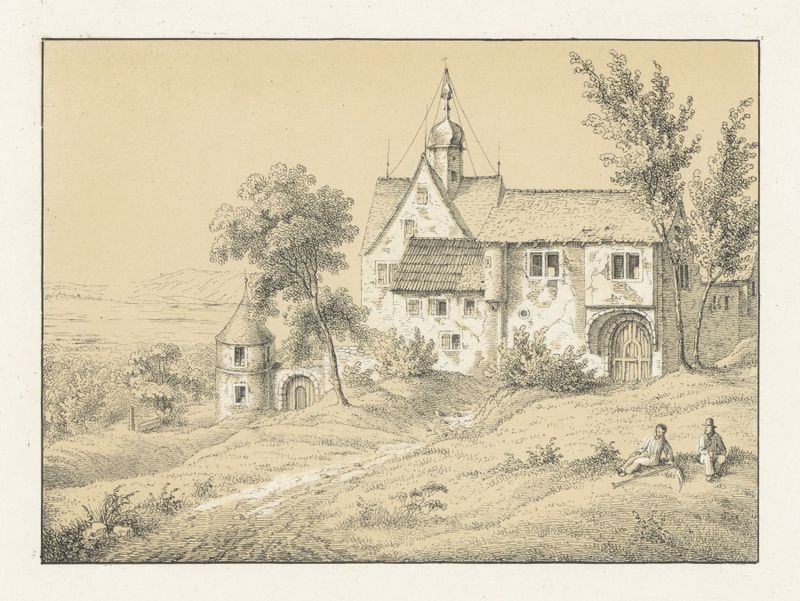
Greifenstein
Johann Friedrich Wagner

Vorburg
Johann Friedrich Wagner
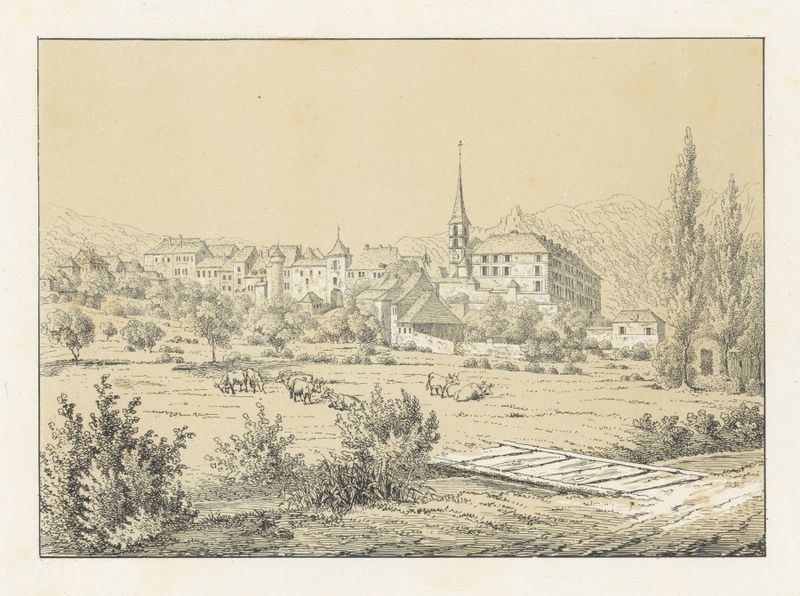
Delémont
Johann Friedrich Wagner

Pleujouse
Johann Friedrich Wagner

Challay
Johann Friedrich Wagner
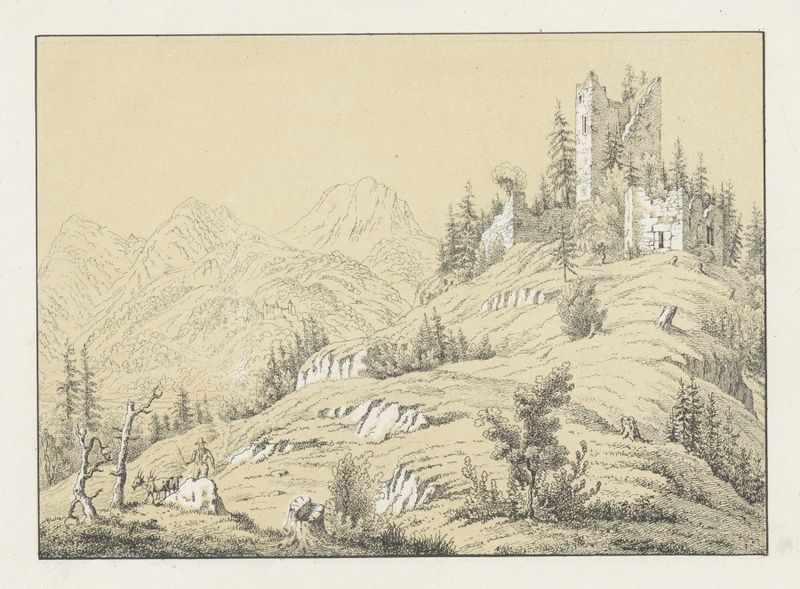
Mont Salvant
Johann Friedrich Wagner
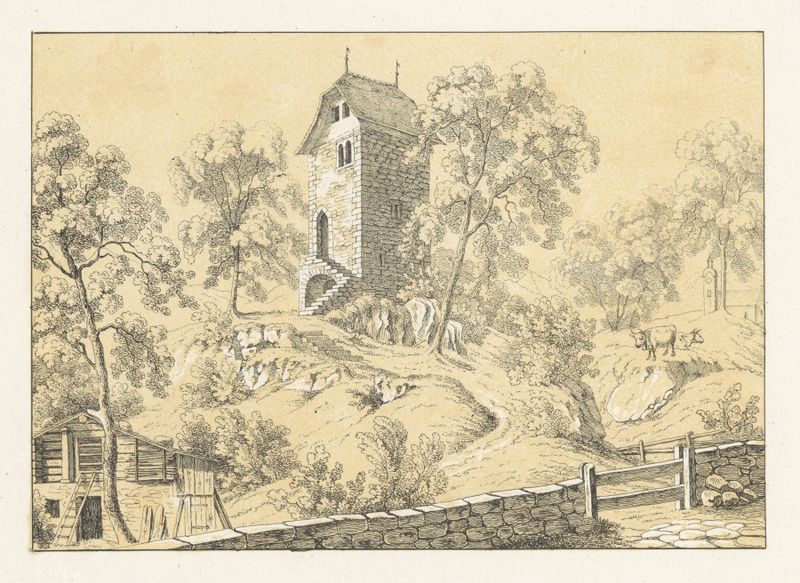
Aha. Od. Untere Burg von Sarnen
Johann Friedrich Wagner
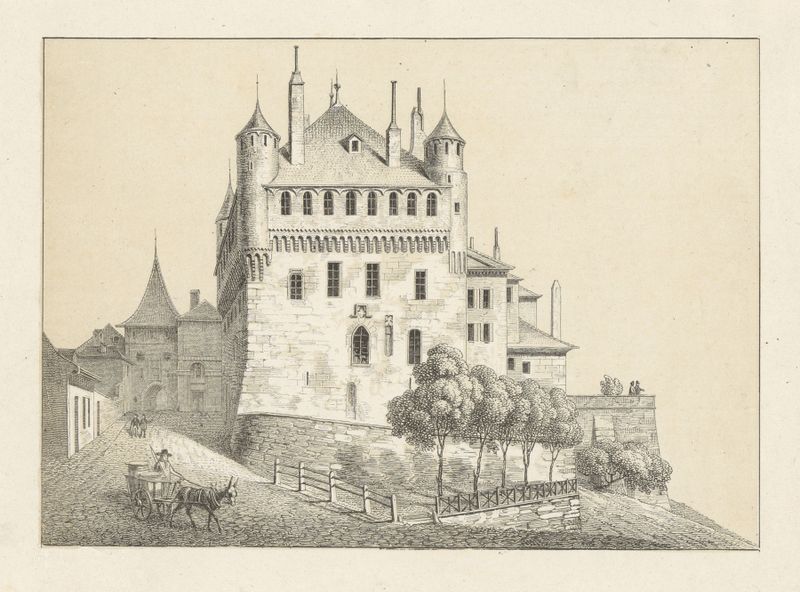
Lausanne
Johann Friedrich Wagner





