
Beach Scene — History & Facts
Who listens when art speaks of silence? In an age when the din of modern life is relentless, it is the quiet whispers of nature that beckon introspection and faith. Look closely at the horizon, where the soft blend of cerulean and lavender skies meets the gentle swell of the ocean. Notice how Boudin's delicate brush strokes capture the fleeting moment of daybreak, with nuances that speak to both calmness and anticipation. The light dances upon the water’s surface, illuminating the figures below, their outlines blurred but their presence palpable.
The artist’s use of pastel tones evokes a sense of serenity, inviting you to linger in this tranquil moment. As you explore the figures scattered along the beach, consider their subtle interactions with the environment. The way a mother gazes at her child, the distant laughter of friends echoing against the waves, all create a tapestry of human connection interwoven with nature’s beauty. There’s a palpable tension between the quiet solitude of the scene and the vibrant life it holds; it speaks to the faith we place in these simple moments of joy, ephemeral yet everlasting. Boudin painted Beach Scene in 1862 during his time in Honfleur, France.
This period marked a pivotal moment in his career, as he was emerging as a key figure in the Impressionist movement, focusing on the interplay of light and color in scenes of everyday life. The world of art was shifting, with artists seeking to capture spontaneity and the authenticity of experience, leading to a departure from the rigid conventions of academic painting.
More Artworks by Eugène Boudin
Browse all →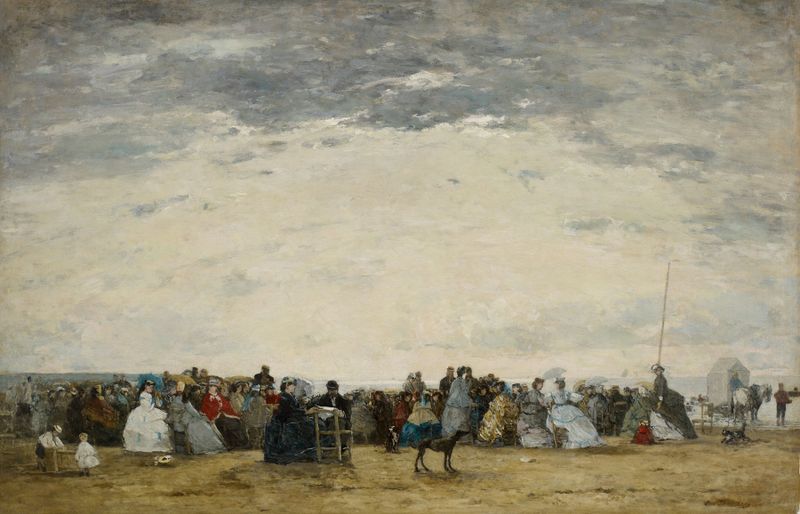
Vacationers on the Beach at Trouville
Eugène Boudin

Washerwoman near Trouville
Eugène Boudin
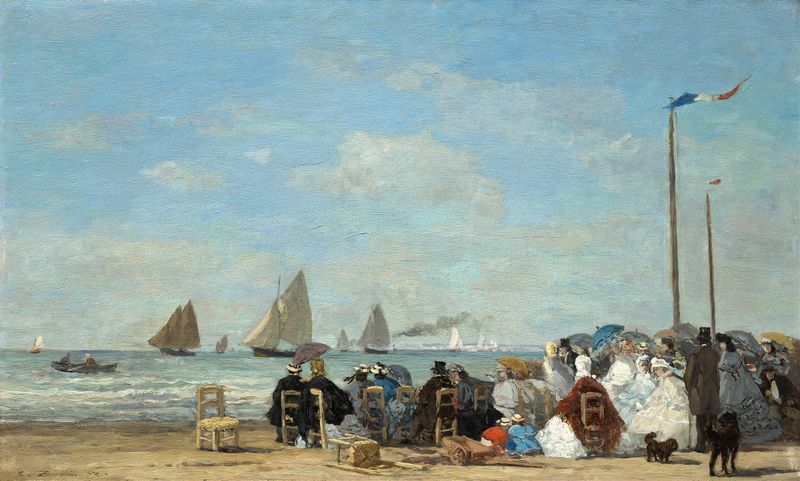
Beach Scene at Trouville
Eugène Boudin

Port aux environs d’Honfleur
Eugène Boudin

Le Faou, un coin du village
Eugène Boudin
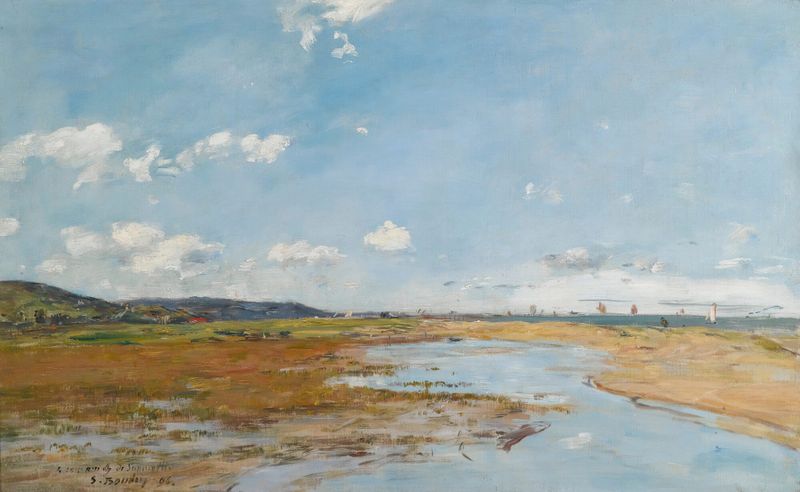
Deauville. Le Rivage
Eugène Boudin
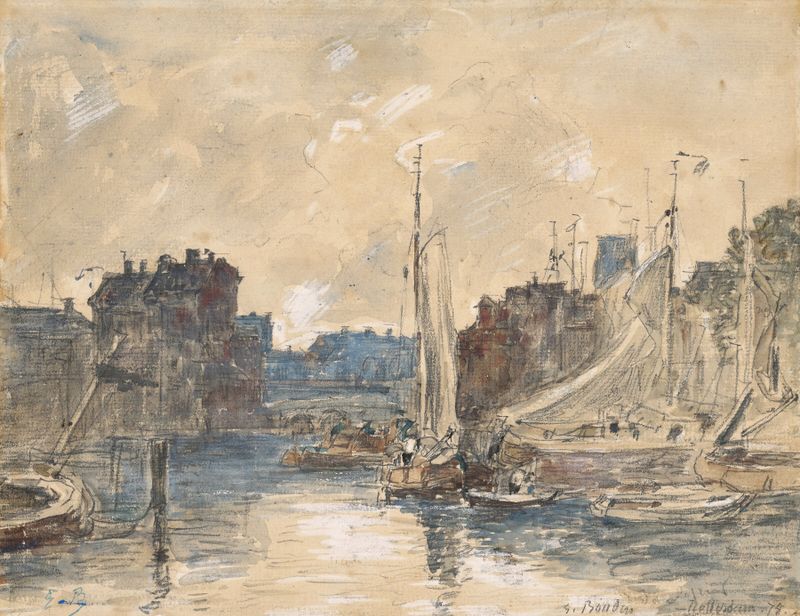
Port de Rotterdam
Eugène Boudin

View of Bordeaux, from the Quai des Chartrons
Eugène Boudin

Trouville, Scène De Plage
Eugène Boudin

Trouville, Le Port
Eugène Boudin





