
Beauvais (60), MUDO, Luc Louis Merson Alexandre et Leucothoé ou La diseuse de bonne aventure — History & Facts
What draws the eye first in Alexandre et Leucothoé ou La diseuse de bonne aventure by Luc-Olivier Merson is the charged triangle formed by the three figures: the fortune-teller, the young man, and the maiden. The fortune-teller’s outstretched arm and searching gaze create a bridge between the world of the everyday and the promise of secrets yet to be revealed. The young man, dressed in a coral tunic, gently guides the hesitant maiden forward, his gesture both protective and urging, while the maiden’s body twists away, her face half-averted in a mixture of curiosity and apprehension.
Light falls most brightly on her pale blue gown and golden hair, casting her as the focal point of this moment of decision, while the fortune-teller sits in shadow, her weathered face and earthy garments blending into the landscape. The dog at their feet, alert and attentive, roots the scene in reality, while the lush greenery and rough stone suggest a world on the border between civilization and wildness. Painted in 1866, this work emerges from a moment in French art when history painting and mythological themes were still prized, but the academic tradition was beginning to loosen its grip. Artists like Merson drew on classical stories and allegories to explore human psychology and fate, often for an audience eager for both moral instruction and escapism.
Such paintings were typically commissioned by public institutions or wealthy collectors who sought to display learning and taste, and they often hung in salons or private galleries. The presence of this piece today in the MUDO collection at Beauvais, as documented by Pierre Poschadel in 2015, is a reminder of how many such works have slipped into quieter corners of museum collections, waiting for new viewers to puzzle out their stories. Look again at the way the hands almost touch, and consider what answers might lie just out of reach.
More Artworks by Luc-Olivier Merson

Esquisse pour l'escalier des fêtes de l'Hôtel de Ville de Paris , Bélier
Luc-Olivier Merson
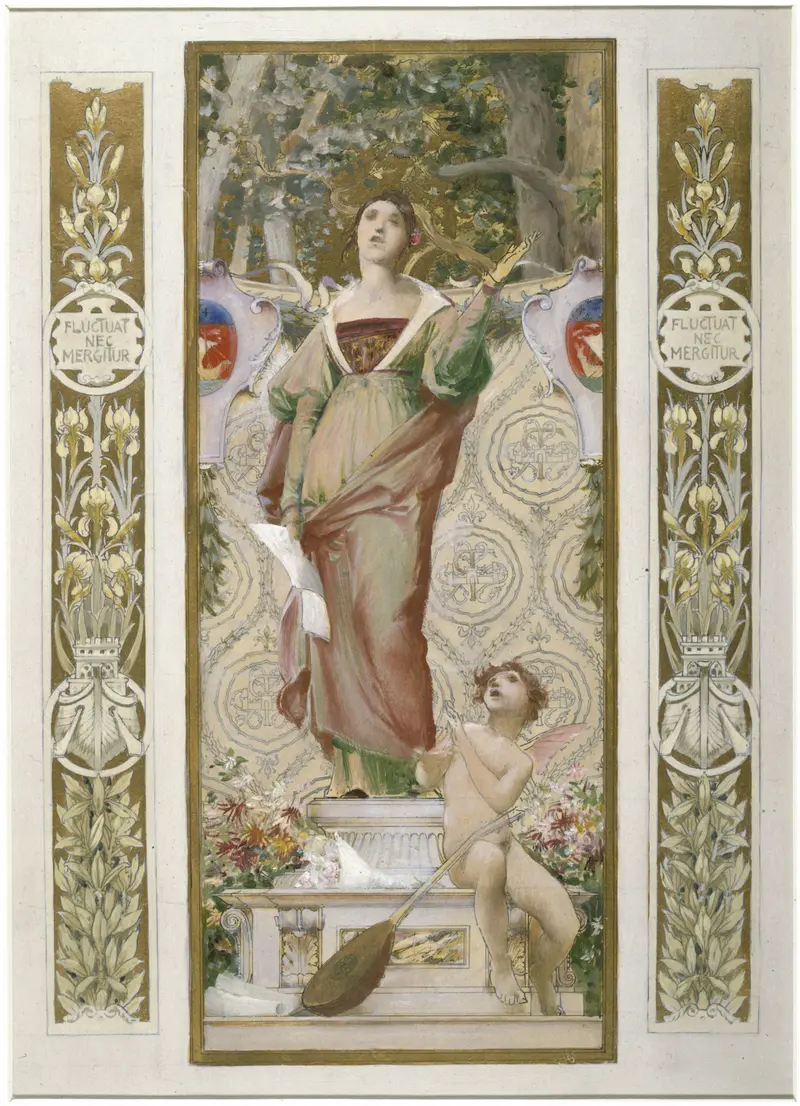
Esquisse pour l'escalier des Fêtes de l'Hôtel de Ville de Paris , Le Chant
Luc-Olivier Merson
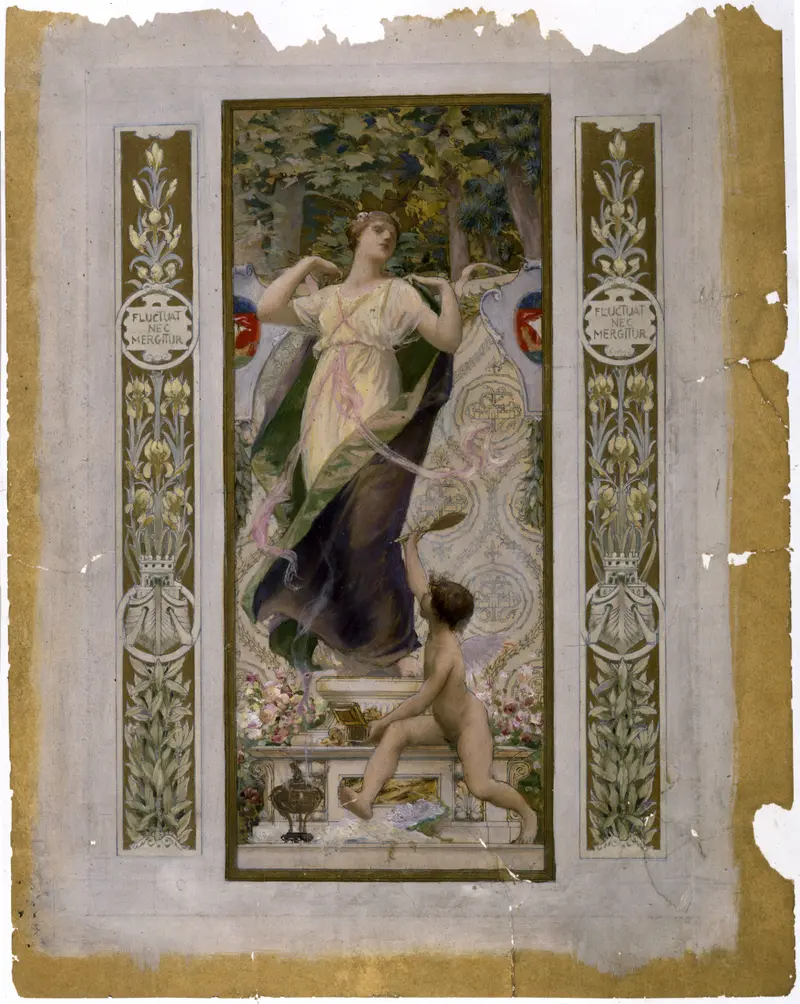
Esquisse pour l'escalier des Fêtes de l'Hôtel de ville de Paris , La Toilette féminine
Luc-Olivier Merson
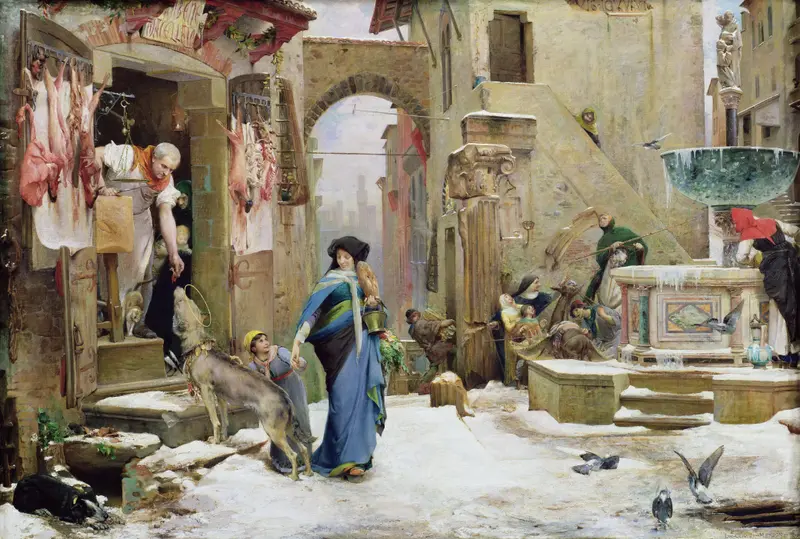
The Wolf of Gubbio
Luc-Olivier Merson
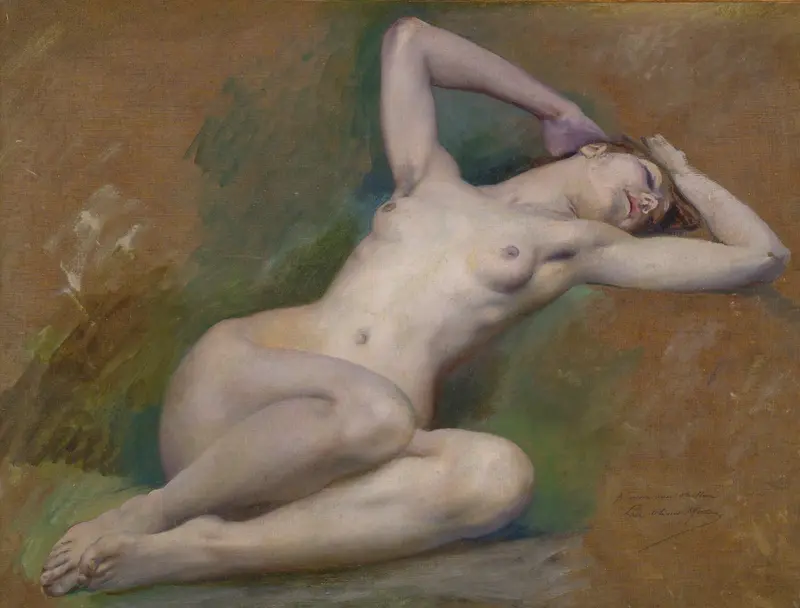
Luc Olivier Merson Study for the figure of Spring
Luc-Olivier Merson
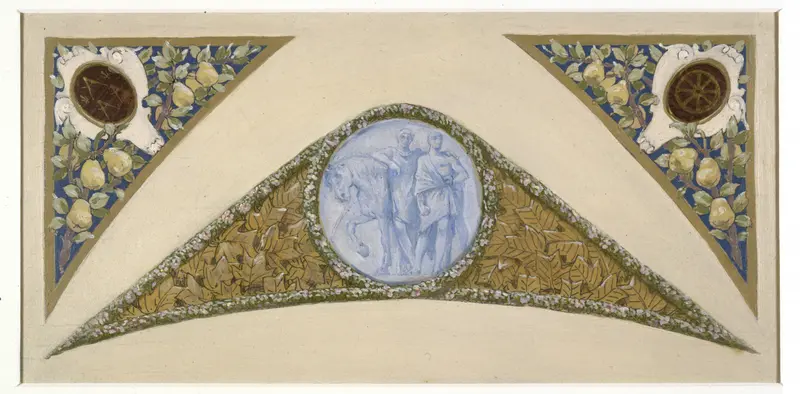
Esquisse pour l'escalier des Fêtes de l'Hôtel de Ville de Paris , Gémeaux
Luc-Olivier Merson
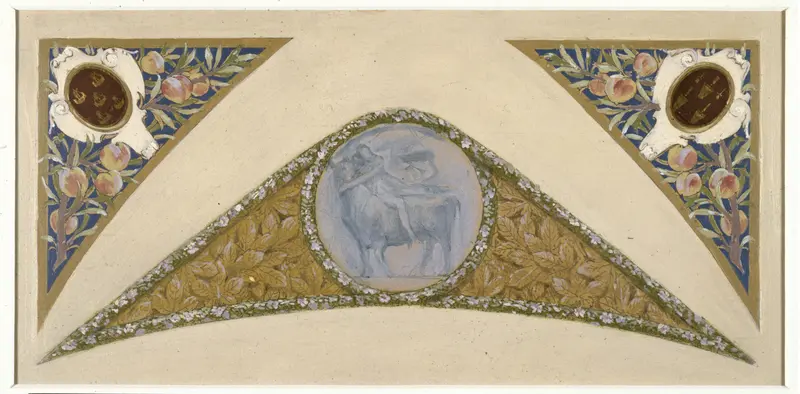
Esquisse pour l'escalier des Fêtes de l'Hôtel de Ville de Paris , Taureau
Luc-Olivier Merson
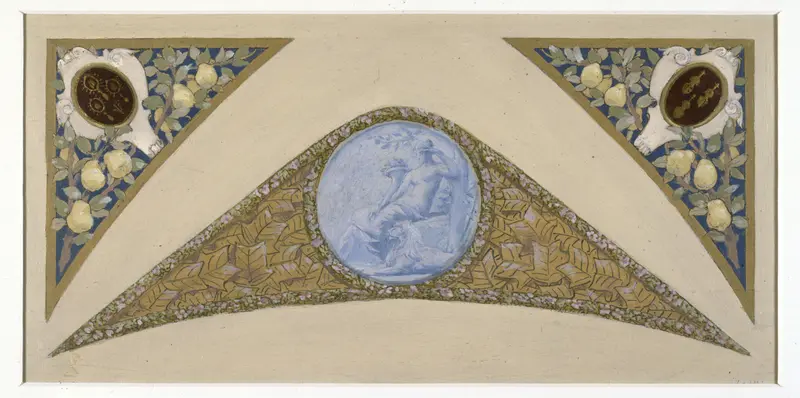
Esquisse pour l'escalier des Fêtes de l'Hôtel de Ville de Paris , Vierge
Luc-Olivier Merson
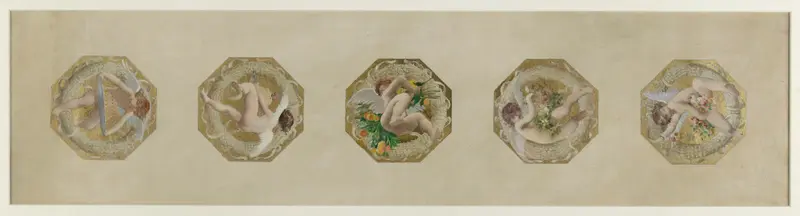
Esquisse pour l'Hôtel de Ville de Paris, escalier des Fêtes , les génies des fêtes
Luc-Olivier Merson
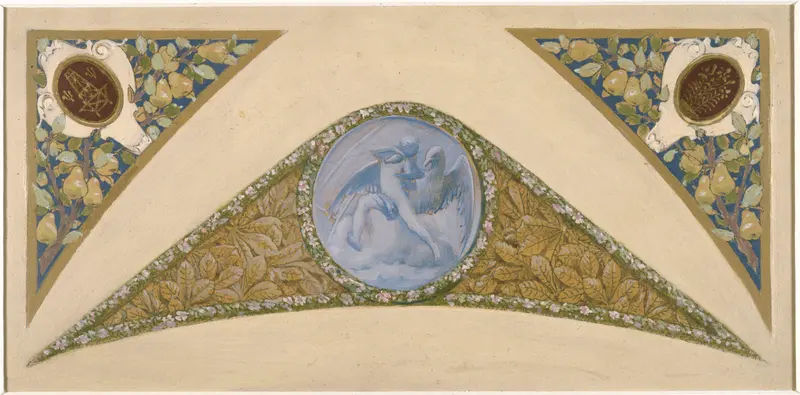
Esquisse pour l'escalier des Fêtes de l'Hôtel de Ville de Paris , Verseau
Luc-Olivier Merson





