
Beggars fighting — History & Facts
A sudden, tangled eruption of bodies and crutches grips the viewer in Beggars Fighting by Adriaen Pietersz van de Venne. The eye is drawn first to the central knot of figures: two men, their faces twisted in anger or pain, locked in a desperate struggle, while a third, equally ragged, thrusts his stick into the fray. The palette is a world of earth and bone, the monochrome brunaille technique heightening the sense of dust and hardship, as if the entire scene is carved from the same rough material as the beggars’ lives.
Light falls unevenly across battered coats and bald scalps, catching on the gnarled hands and the makeshift weapons, making every gesture feel both theatrical and raw. There is no hero here—only the relentless, almost animal energy of survival. Painted in 1634, this panel belongs to a period in the Dutch Republic when artists like van de Venne turned their gaze to the margins of society. Scenes of beggars, fools, and peasants were not uncommon, often serving as both social commentary and dark entertainment for a prosperous urban audience.
In the hands of van de Venne, the subject is neither sentimentalized nor mocked outright; instead, the figures are given a kind of brutal dignity, their struggle rendered with an almost sculptural solidity. The work now resides in the Bergen Kunstmuseum, a reminder of how the Dutch Golden Age could find drama not only in merchant wealth or biblical grandeur, but in the raw, unvarnished theater of the street. Look again at the faces—each one a story, each gesture a question left hanging in the smoky air.
More Artworks by Adriaen Pietersz van de Venne
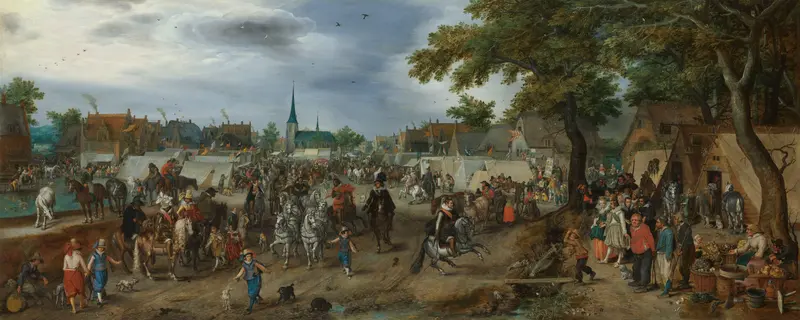
Princes Maurice and Frederick Henry at the Valkenburg Horse Fair
Adriaen Pietersz van de Venne
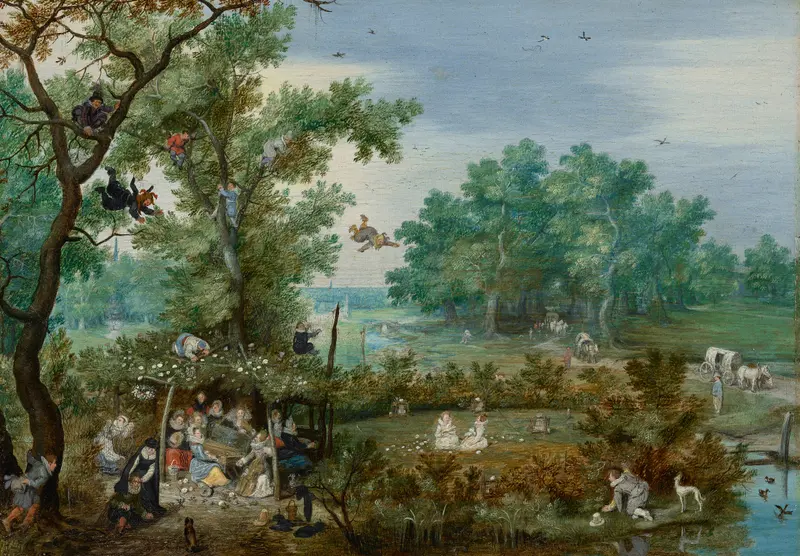
Merry Company in an Arbor
Adriaen Pietersz van de Venne
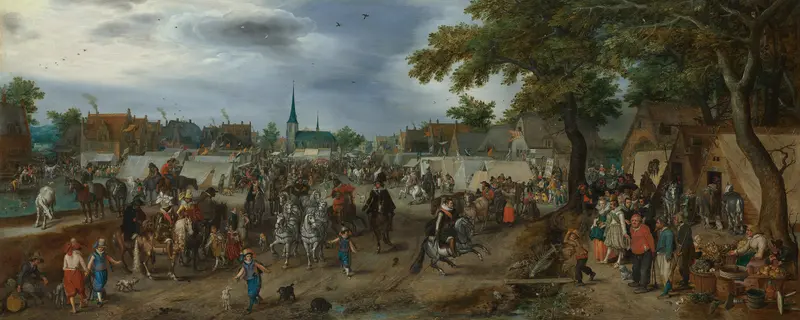
Princes Maurice and Frederick Henry at the Valkenburg Horse Fair
Adriaen Pietersz van de Venne
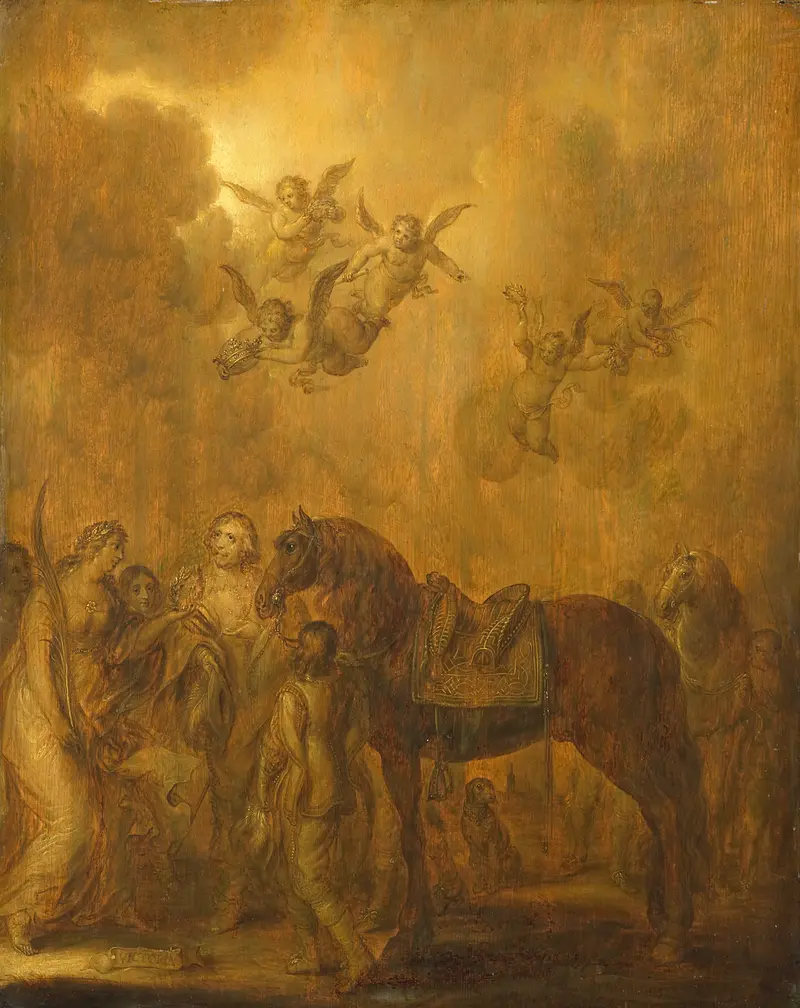
Allegory of the Stadtholdership of Prince Frederick Henry
Adriaen Pietersz van de Venne
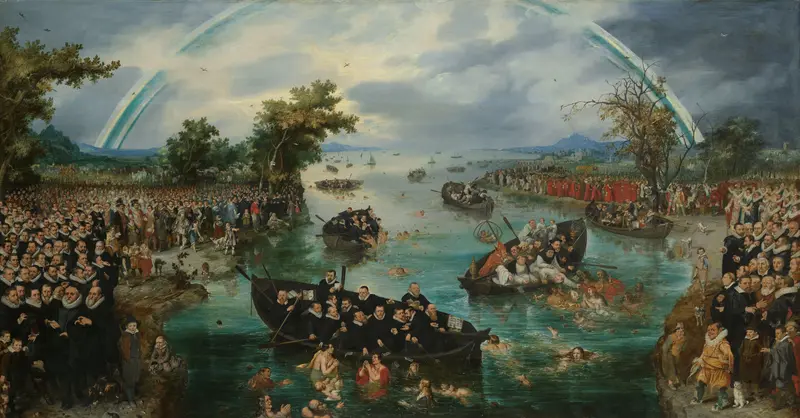
Fishing for Souls
Adriaen Pietersz van de Venne
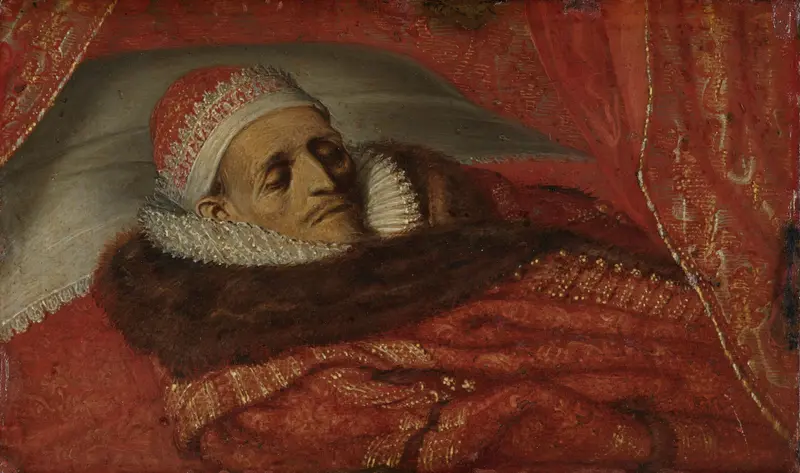
Stadtholder Prince Maurice Lying in State
Adriaen Pietersz van de Venne
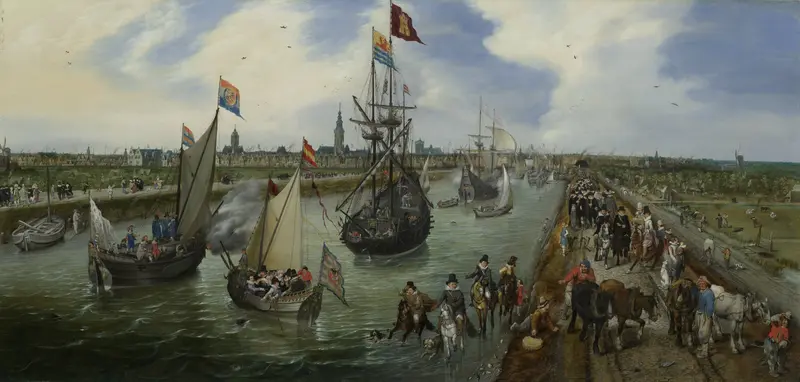
The Departure of a Dignitary from Middelburg
Adriaen Pietersz van de Venne
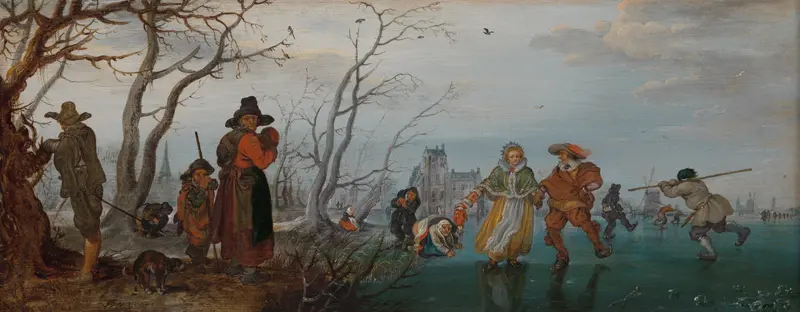
Winter
Adriaen Pietersz van de Venne

A Jeu de Paume Before a Country Palace
Adriaen Pietersz van de Venne
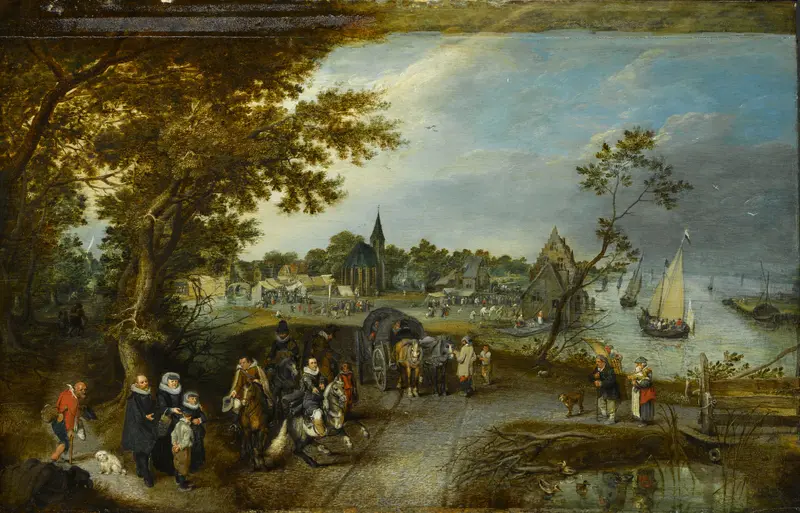
Landscape with Figures and a Village Fair (Village Kermesse)
Adriaen Pietersz van de Venne
More Genre Scene Art

Banquet of the Officers of the St George Civic Guard
Frans Hals

Rembrandt and Saskia in the Scene of the Prodigal Son
Rembrandt van Rijn

Bal du moulin de la Galette
Pierre-Auguste Renoir

Quadrille at the Moulin Rouge
Henri de Toulouse-Lautrec

A Burial at Ornans
Gustave Courbet

When Will You Marry?
Paul Gauguin