
Begrafenis van Johann Baptista von Tassis te Keulen, 1588 — History & Facts
In a world where time ebbs and flows, it captures moments of decay and remembrance, inviting us to peer into the shadows of history. Here, silence echoes, and the weight of loss hangs heavily in the air, compelling us to confront the inevitable passage of time. Look closely at the meticulously rendered figures in Begrafenis van Johann Baptista von Tassis te Keulen. Your gaze should first be drawn to the somber procession at the center, where mourners, cloaked in dark garments, pay their last respects.
Notice the delicate interplay of light and shadow that highlights their expressions, revealing a blend of grief and reverence. The muted palette of earthy tones—ochres, browns, and grays—serves to unify the scene while evoking an atmosphere steeped in melancholy. Beneath the surface of this artwork lies a profound discourse on mortality and the inevitability of decay. The details of the decaying architecture in the background mirror the theme of loss, suggesting that even the grandest structures succumb to time.
The contrasts between the vibrancy of life and the stillness of death are palpable, transforming the painting into a poignant meditation on legacy, memory, and the fleeting nature of existence. Wenceslaus Hollar created this work in 1645 while residing in London, having fled the Thirty Years' War. At this time, the art world was shifting toward baroque sensibilities, and Hollar's engravings and drawings were becoming renowned for their intricate detail. This piece, commemorating the life of a nobleman, reflects both his personal struggles in exile and the broader themes of death that permeated the society of his time.
More Artworks by Wenceslaus Hollar
Browse all →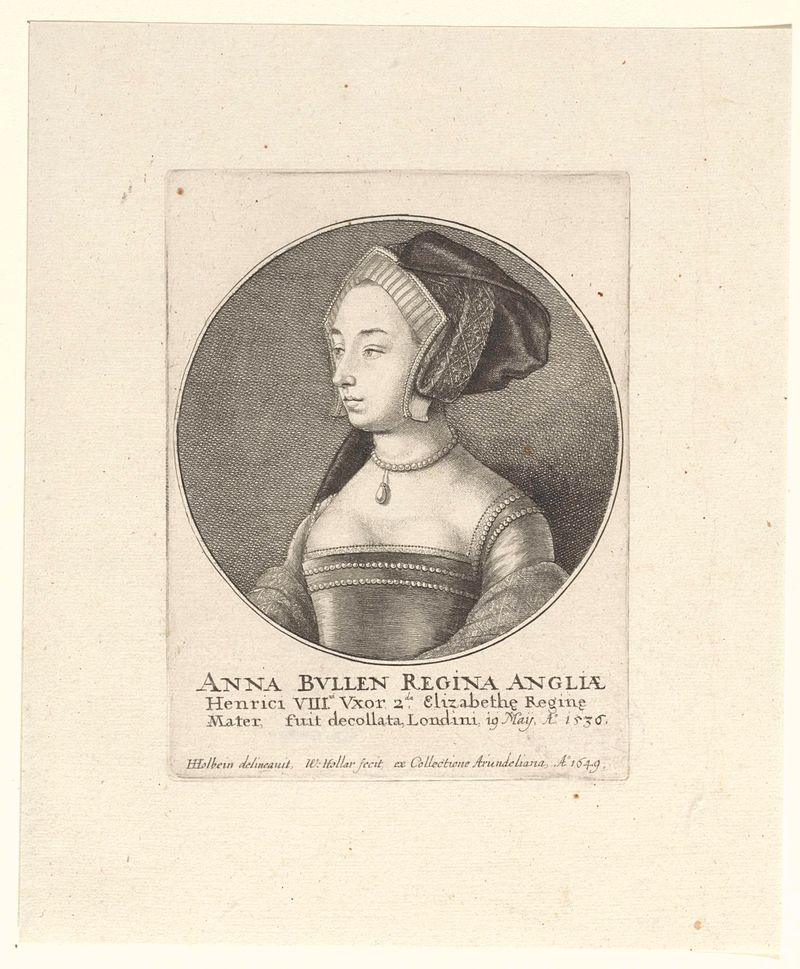
Portret van Anna Boleyn, koningin van Engeland
Wenceslaus Hollar
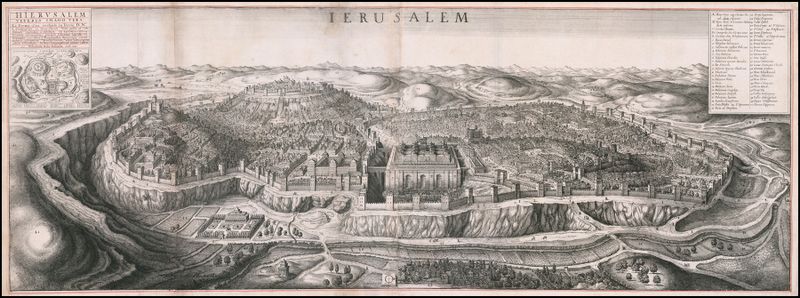
Bird’s eye view of Jerusalem
Wenceslaus Hollar
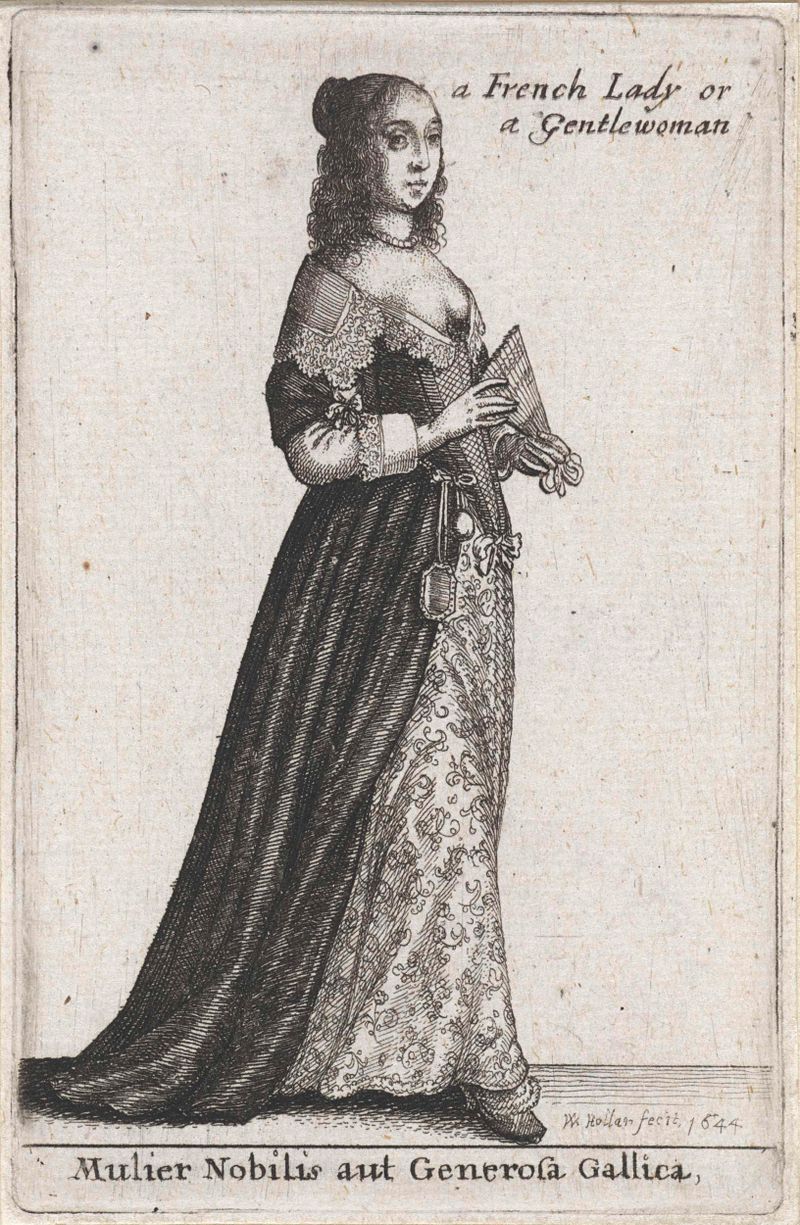
Mulier Nobilis aut Generosa Gallica / a French Lady or Gentlewoman
Wenceslaus Hollar
Titelprent voor: Ornatus Muliebris Anglicanus
Wenceslaus Hollar
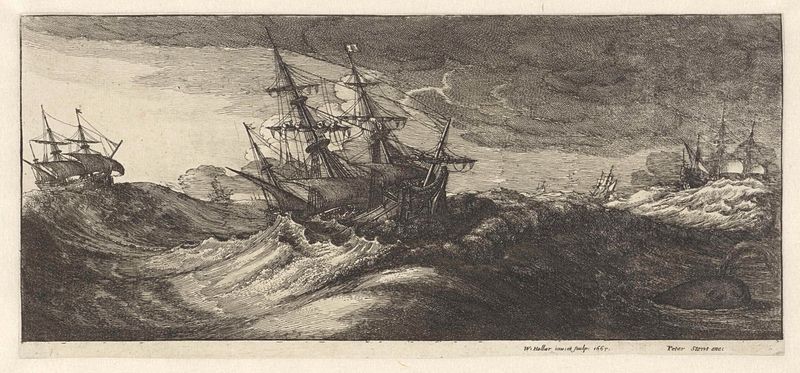
Oorlogsschepen en een walvis in een zeestorm
Wenceslaus Hollar
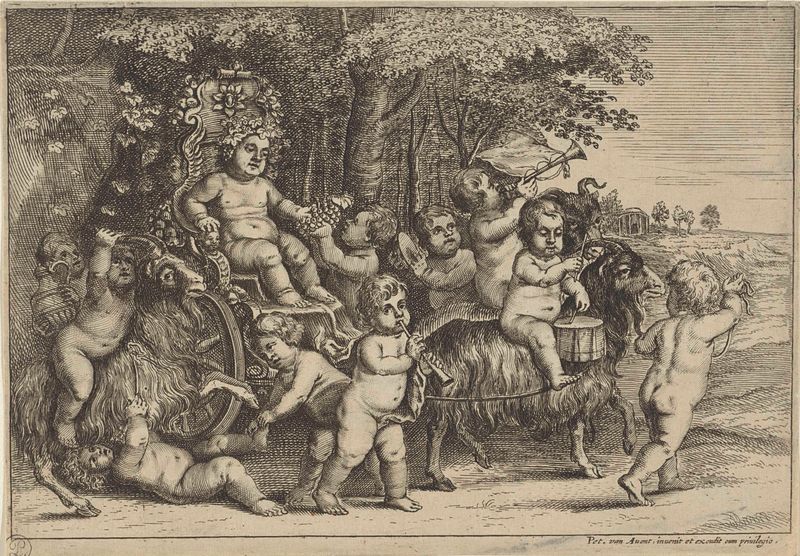
Optocht van bacchant en jongetjes op geiten
Wenceslaus Hollar
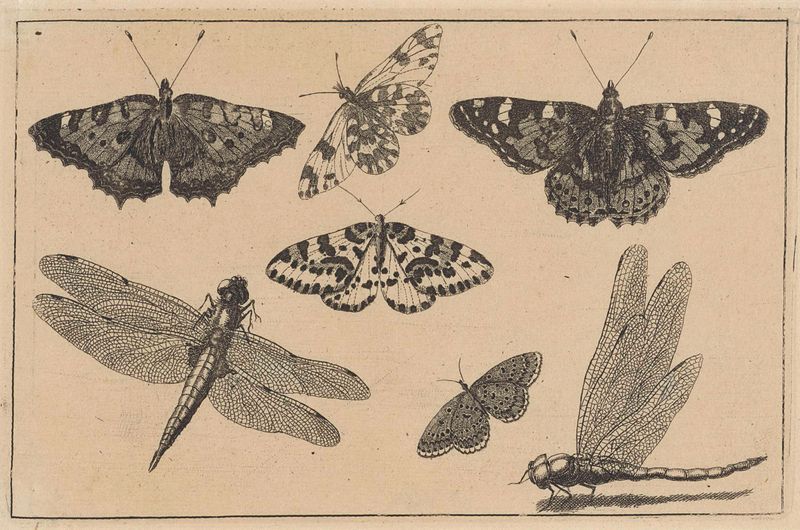
Twee libellen en vijf vlinders
Wenceslaus Hollar
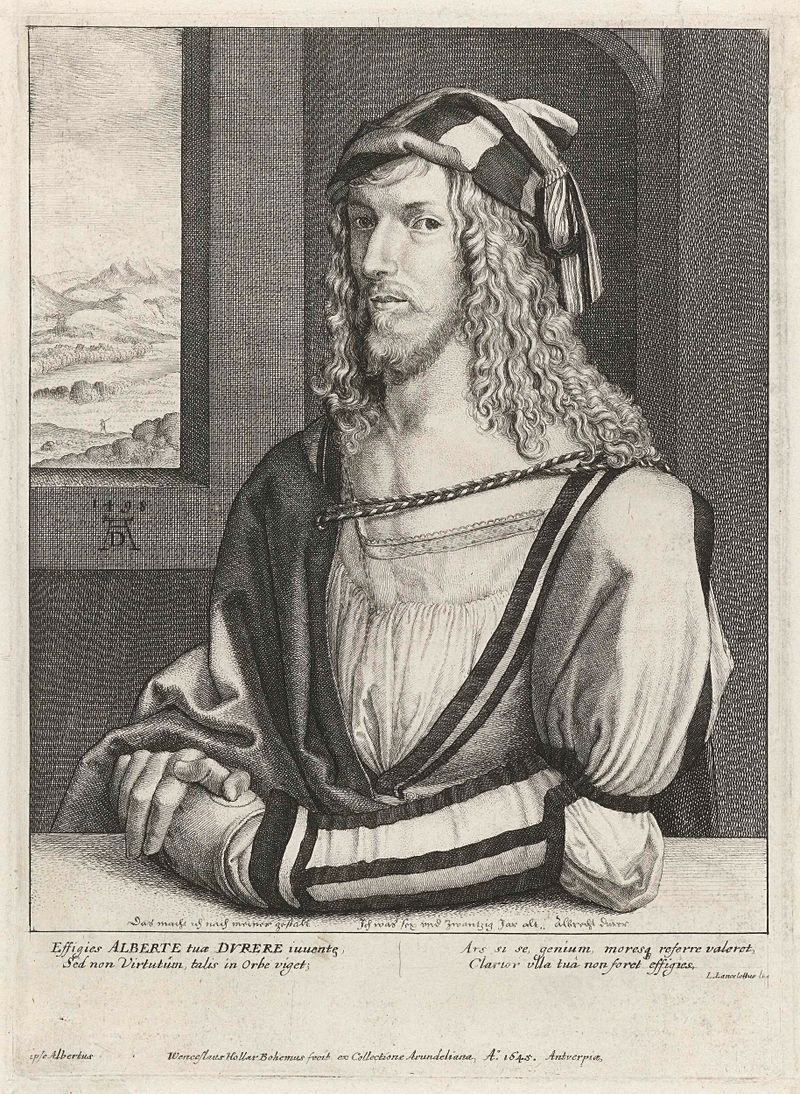
Portret van Albrecht Dürer
Wenceslaus Hollar
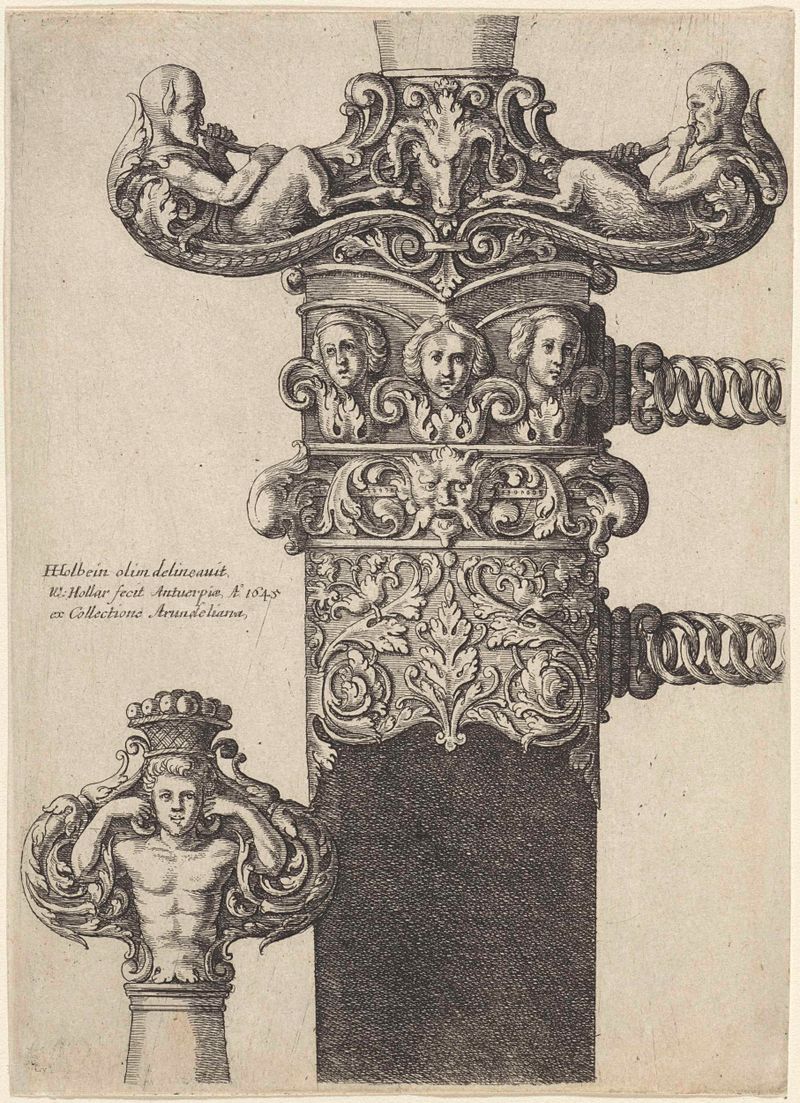
Ornamenteel ontwerp voor een dolk
Wenceslaus Hollar
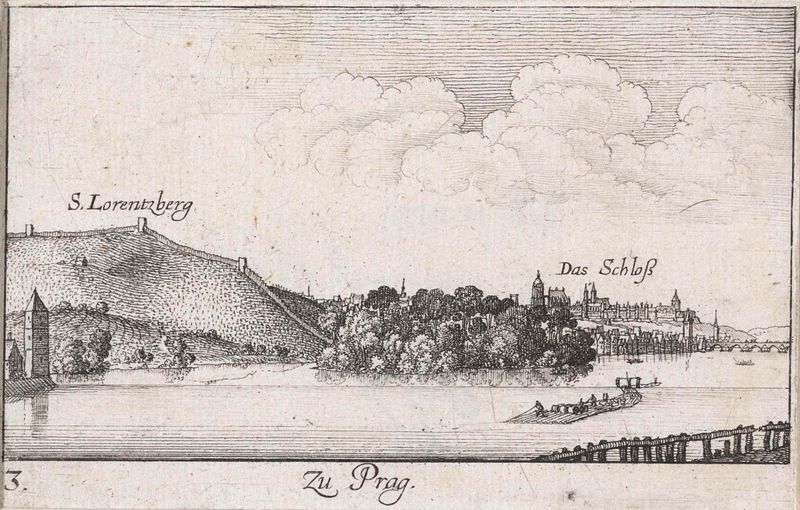
Gezicht op Praag vanaf de Moldau
Wenceslaus Hollar
More Historical Art
Browse all →
The Night Watch Militia Company of District II under the Command of Captain Frans Banninck Cocq
Rembrandt van Rijn

Lincoln Memorial
Henry Bacon

The Third of May 1808
Francisco de Goya

Isaac and Rebecca, Known as ‘The Jewish Bride’
Rembrandt van Rijn

The Charge of the Mamelukes (1814)
Francisco de Goya

De vier ruiters van de apocalyps
Albrecht Dürer