Bel — History & Facts
In this timeless testament to legacy, a silent dialogue unfolds between the observer and the essence captured within the artwork. The viewer's eyes are beckoned to delve into the soul of the piece, where layers of history intertwine and whisper the stories of those who came before. Focus on the intricate patterns that dance across the surface, each stroke a connection to a tradition long past. Notice how the earth tones dominate the composition, grounding it in a sense of place while punctuated by vibrant hues that suggest the vibrancy of life.
This delicate balance between chaos and order invites contemplation, urging you to seek out the nuances that speak of a culture that, though lost, continues to resonate. Hidden within the ornate details are echoes of transience and permanence. The symbols etched into the artwork may reflect the beliefs of an era, intertwining the personal with the collective experience. They carry an emotional weight, a reminder that every creation is both an ending and a beginning, connecting generations through shared human experience. This piece was created between 930 and 1600, a period marked by significant cultural shifts and the rise of distinct artistic movements.
The unknown artist likely navigated a complex tapestry of tradition and innovation, capturing the essence of a society in flux. While the identity of the creator remains obscured by time, the artwork itself stands as a legacy, inviting reflection on the past and inspiring future dialogues.
More Artworks by Unknown Artist
Browse all →
Ridder, Dood en Duivel
Unknown Artist
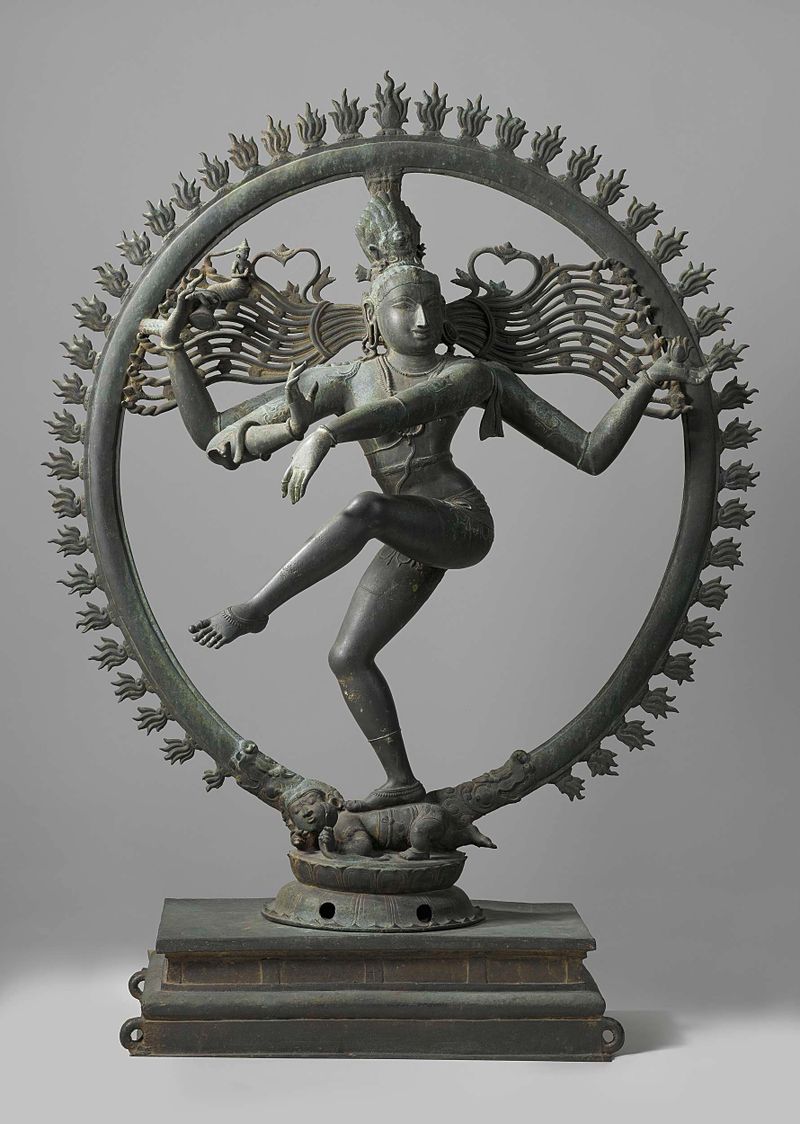
Shiva Nataraja
Unknown Artist
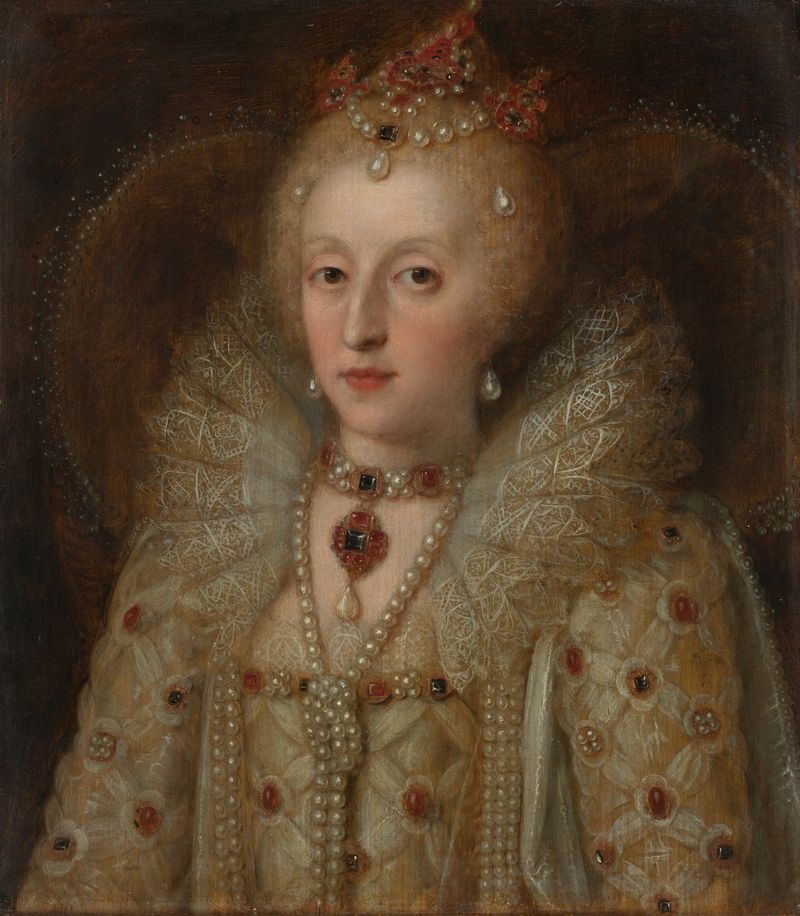
Portrait of Elizabeth I, Queen of England
Unknown Artist
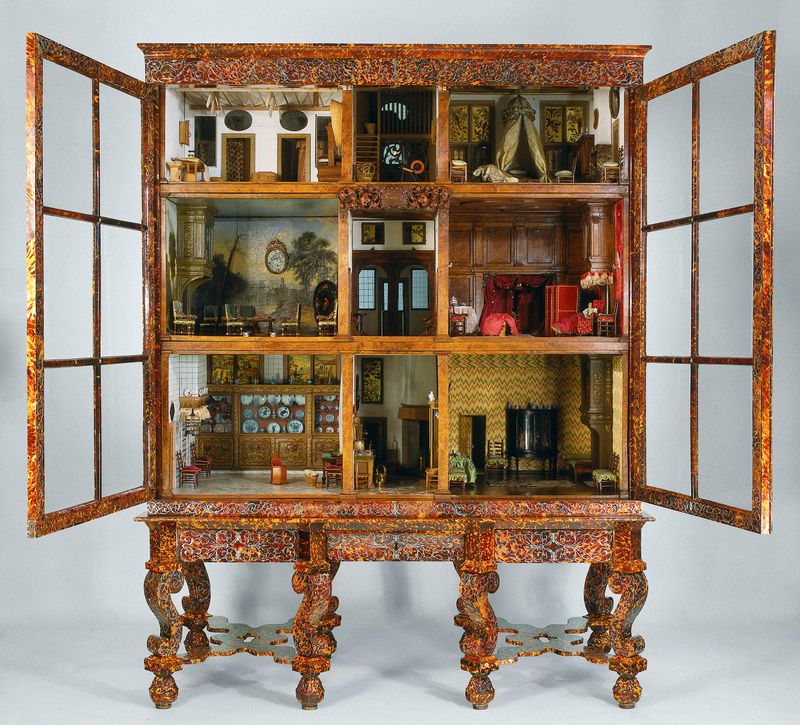
Dolls’ house of Petronella Oortman
Unknown Artist
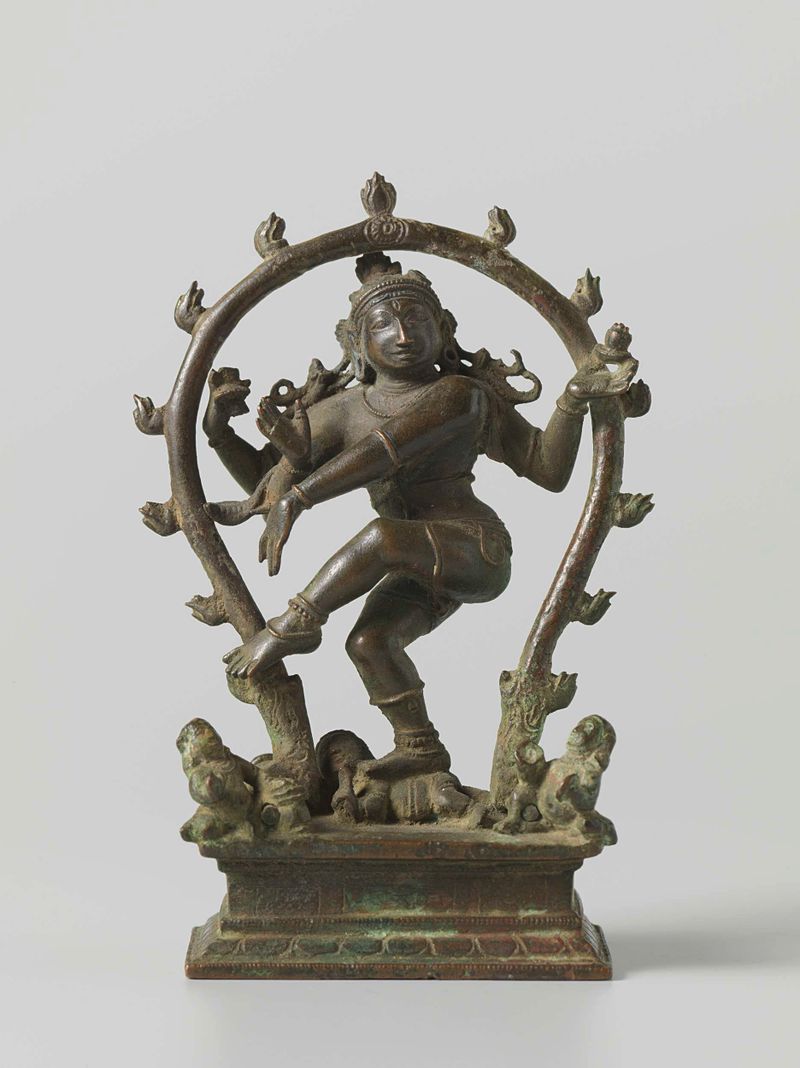
Shiva Nataraja
Unknown Artist

The Tale of Genji
Unknown Artist

The Tale of Genji
Unknown Artist

Cong
Unknown Artist
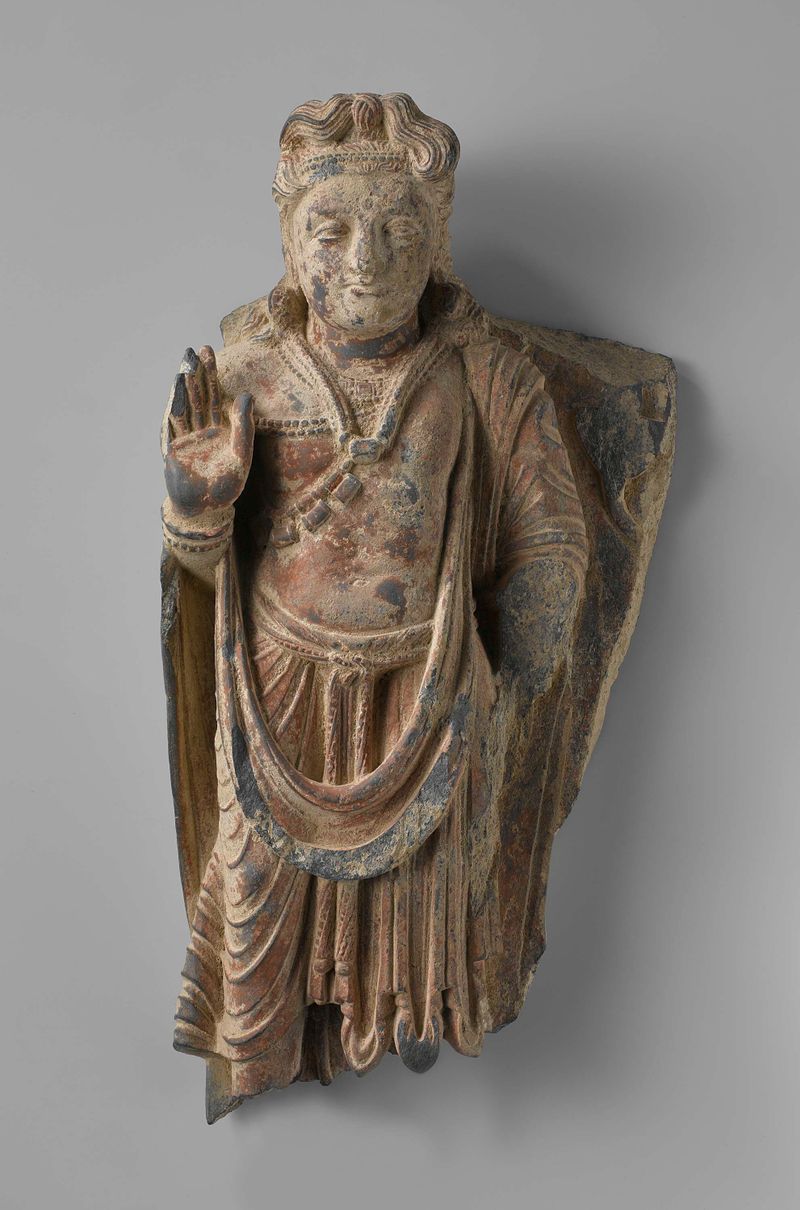
The bodhisattva Maitreya
Unknown Artist

Teabowl with a 'hare's fur' glaze
Unknown Artist