Bell — History & Facts
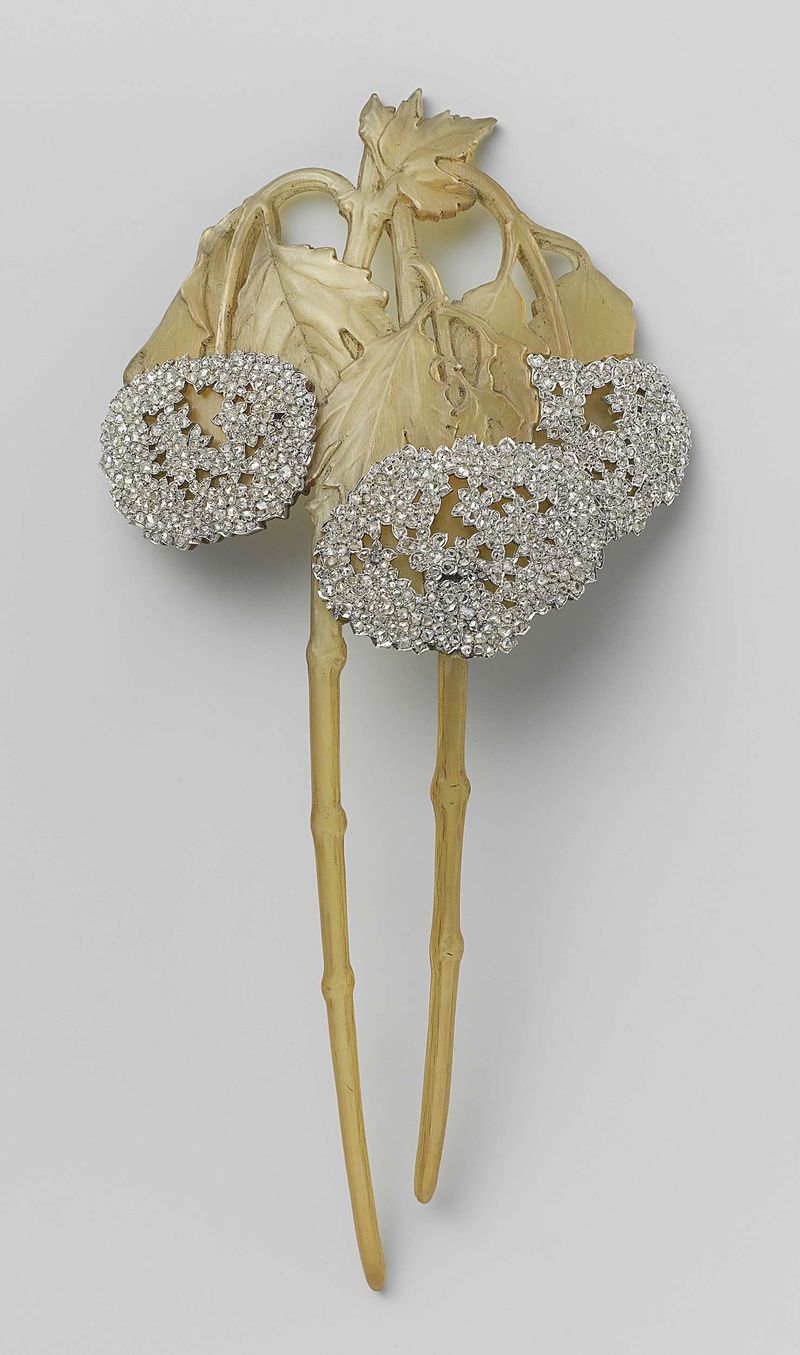
When did color learn to lie? The question lingers like a whisper in the air, inviting us to peer deeper into moments captured by artists long gone. It asks us to confront the tension between appearance and essence, the void that exists beneath vibrant hues and intricate lines. Look closely at the central figure, the bell, tethered yet free, suspended in a delicate balance of shadow and light. Notice how the golden tones in its metal surface seem to shimmer, drawing our eyes in, while the stark contrasts of the dark background create a feeling of depth and uncertainty.
The artist’s choice of color not only defines the physicality of the bell but also amplifies the sense of isolation that surrounds it, inviting contemplation of its purpose and significance. This work speaks of duality: the bell, often a herald of joyous announcements, stands alone, evoking a profound silence. The void surrounding it suggests a moment frozen in time, where sound is merely a memory, and the viewer is left to grapple with what it represents. The golden glow hints at hope or celebration, yet the absence of any other figures or context compels us to reflect on solitude and the ephemeral nature of existence. Created in the late Gothic period, this piece emerges from a time of significant transition in art, where the emergence of Renaissance thought began to challenge the established norms of visual representation.
The unknown artist, working between 1400 and 1600, contributed to a rich tapestry of creativity, even as the world around them shifted toward new ideas of humanism and individuality. The bell, a seemingly simple object, thus becomes a profound commentary on the nature of perception and reality in a changing era.
More Artworks by Unknown Artist
Browse all →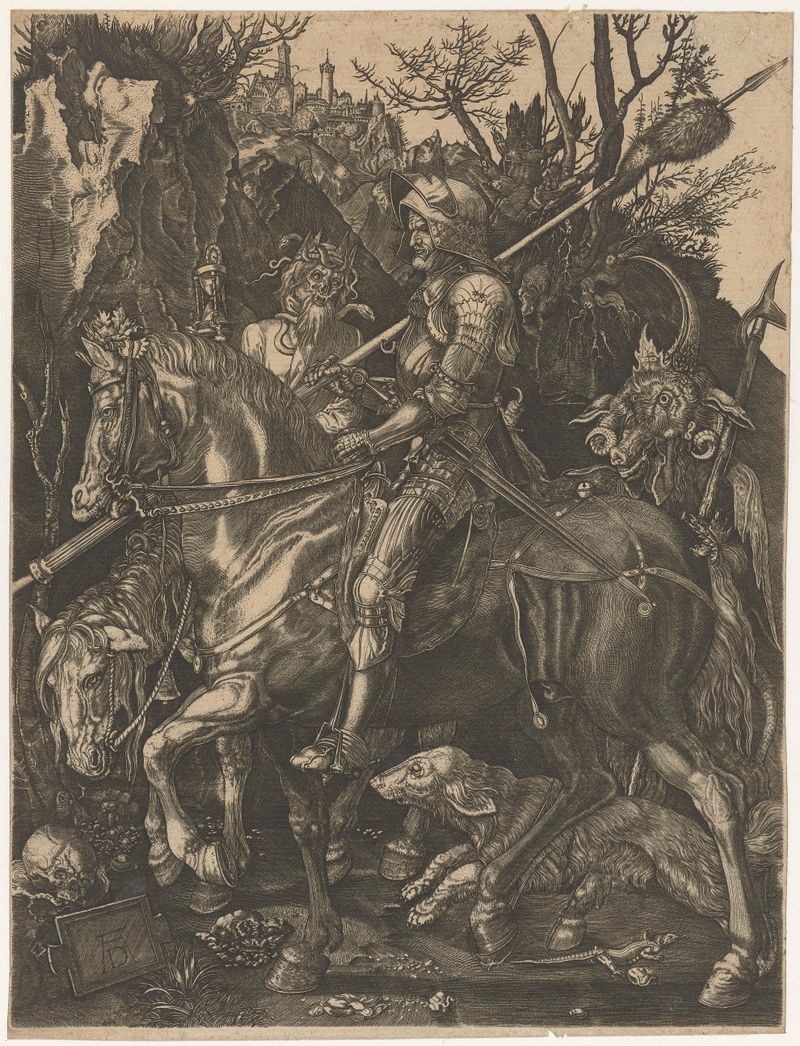
Ridder, Dood en Duivel
Unknown Artist
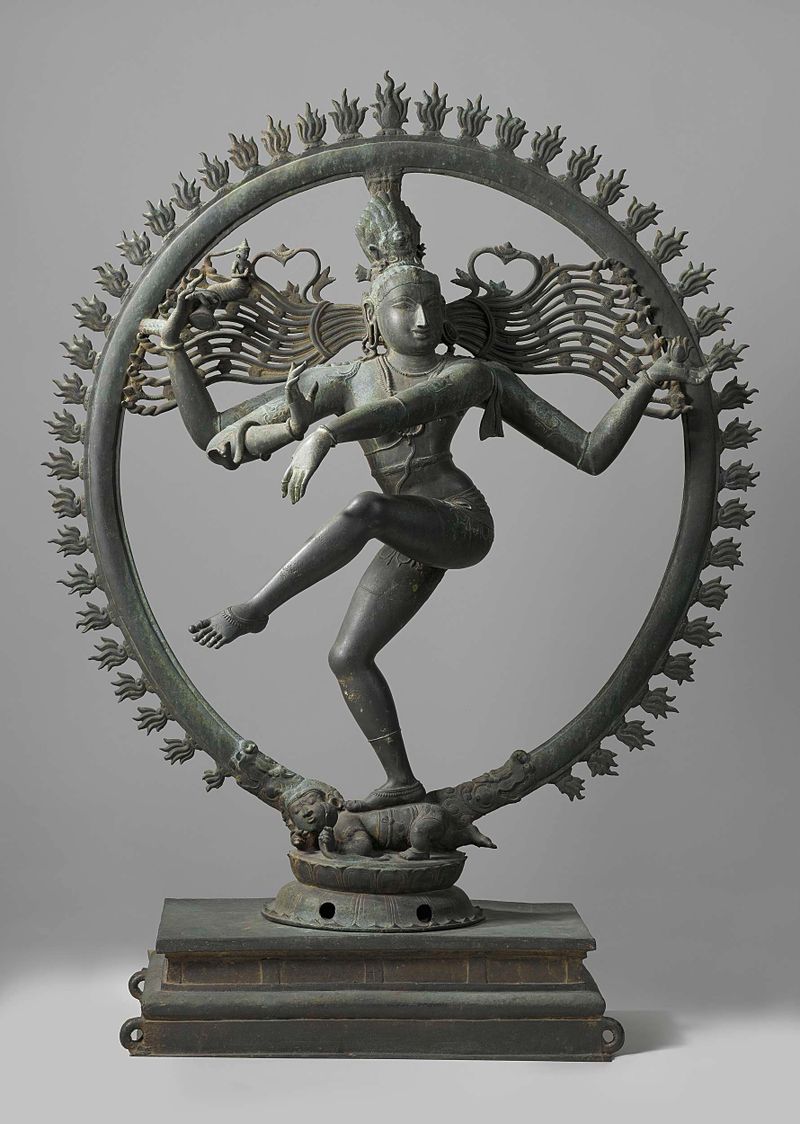
Shiva Nataraja
Unknown Artist
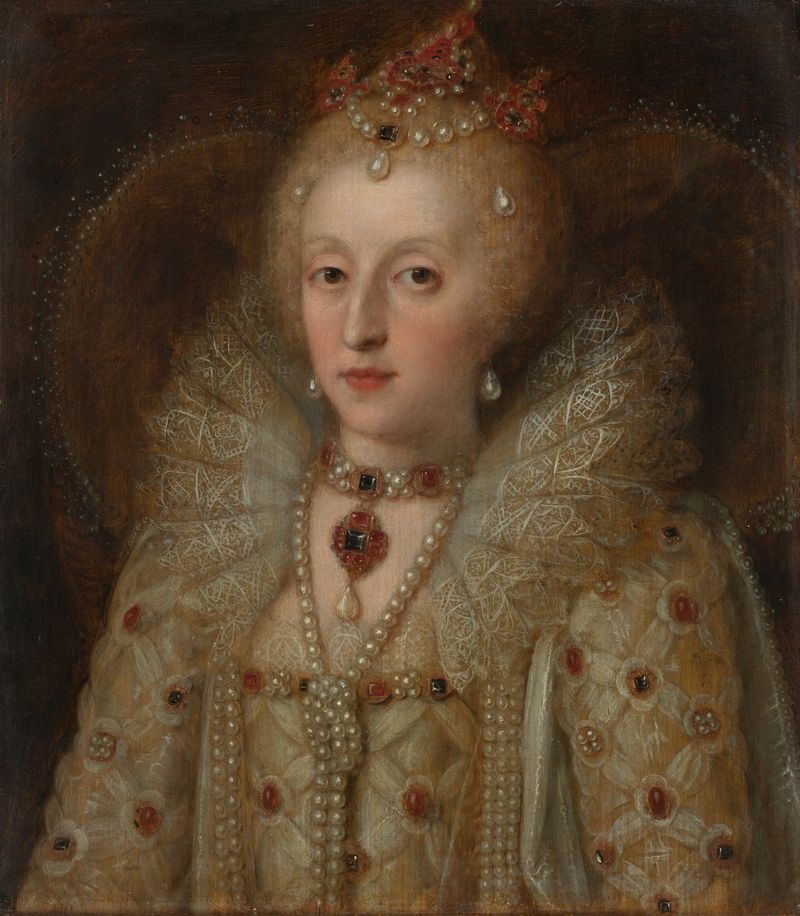
Portrait of Elizabeth I, Queen of England
Unknown Artist
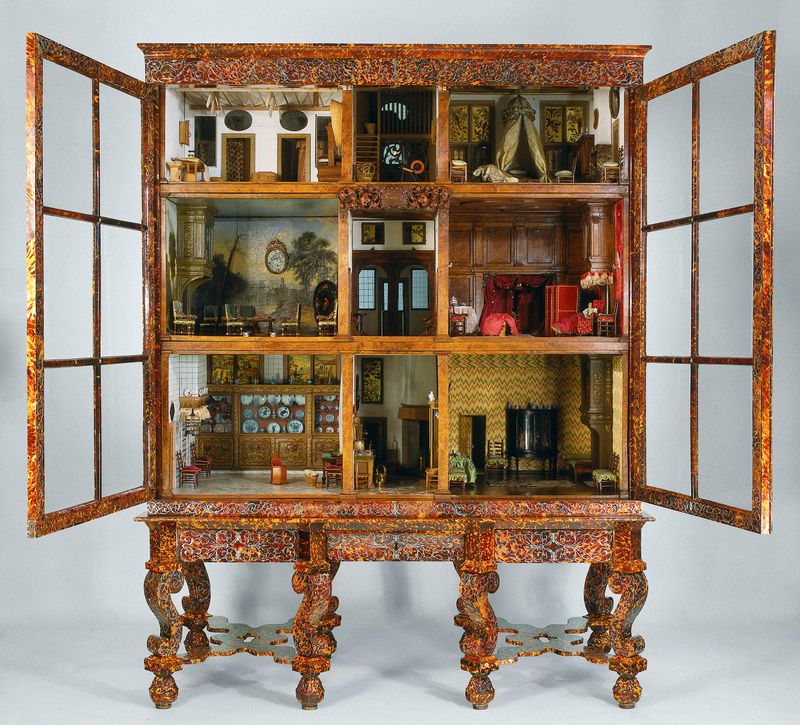
Dolls’ house of Petronella Oortman
Unknown Artist
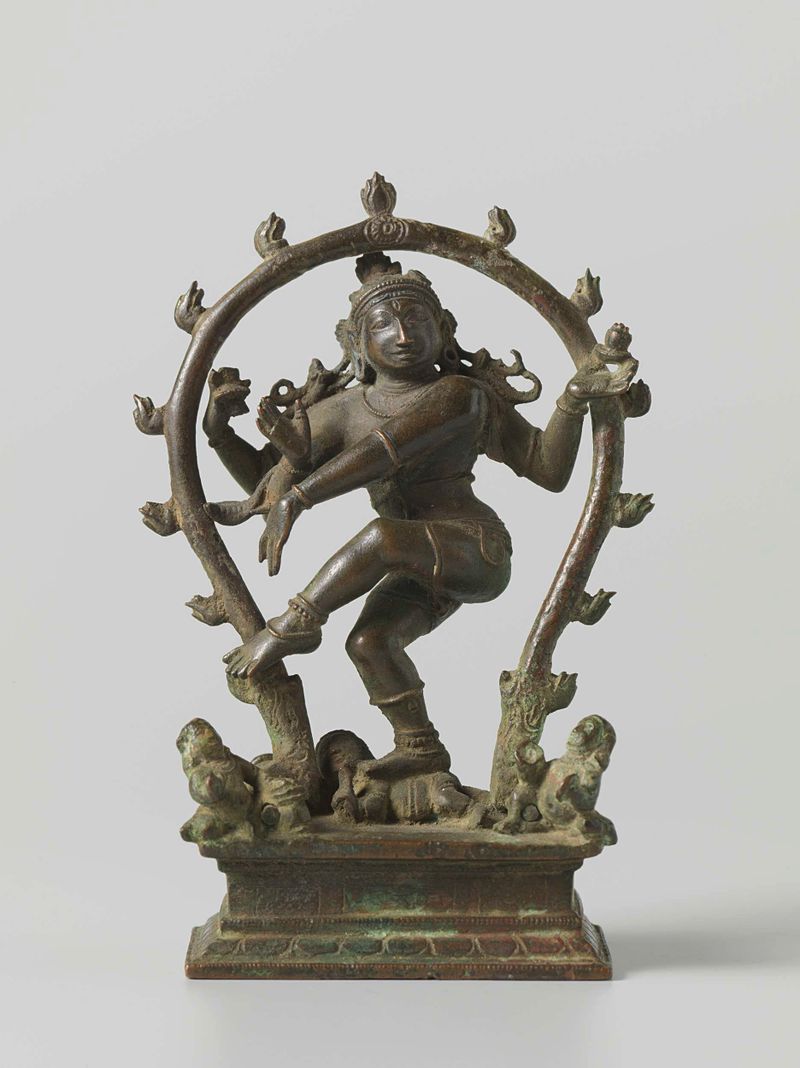
Shiva Nataraja
Unknown Artist

The Tale of Genji
Unknown Artist

The Tale of Genji
Unknown Artist

Cong
Unknown Artist
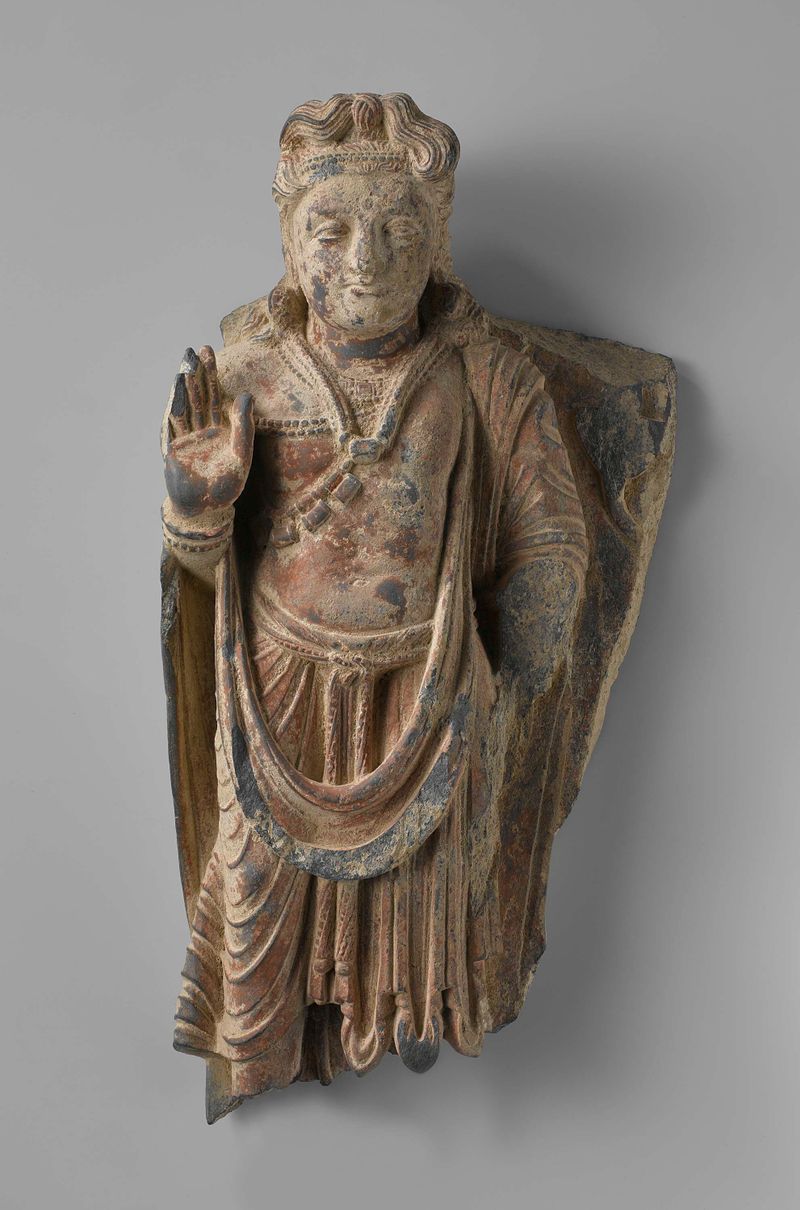
The bodhisattva Maitreya
Unknown Artist

Teabowl with a 'hare's fur' glaze
Unknown Artist