
Benches in Kensington Park — History & Facts
Can paint confess what words never could? In Benches in Kensington Park, the poignant stillness speaks of solitude and unspoken longing, capturing an atmosphere heavy with melancholy. Look to the left at the solitary bench, its worn wood suggesting countless stories of those who have sat, pondered, and perhaps wept. The muted palette, with its soft browns and grays, invites the viewer into a somber embrace, while the delicate strokes of foliage above create a gentle canopy, filtering the light in ways that evoke both warmth and sadness. The curves of the benches lead the eye through the composition, creating a path that feels both inviting and isolating. Beneath the surface, the contrast between the benches and the lush greenery reflects the tension between human presence and nature's indifference.
Each bench stands as a monument to the souls who have passed through, amplifying the sense of abandonment and nostalgia that lingers in the air. The interplay of light and shadow deepens the emotional resonance, suggesting a fleeting moment of beauty tinged with loss. In 1901, Joseph Pennell painted this piece during a period marked by rapid change in London and the arts. As an influential printmaker and illustrator, he was exploring new techniques while grappling with the shifting landscape of modernity.
The world was evolving around him, yet he chose to focus on the quiet corners of life, capturing moments that reveal the essence of human emotion amid the chaos.
More Artworks by Joseph Pennell
Browse all →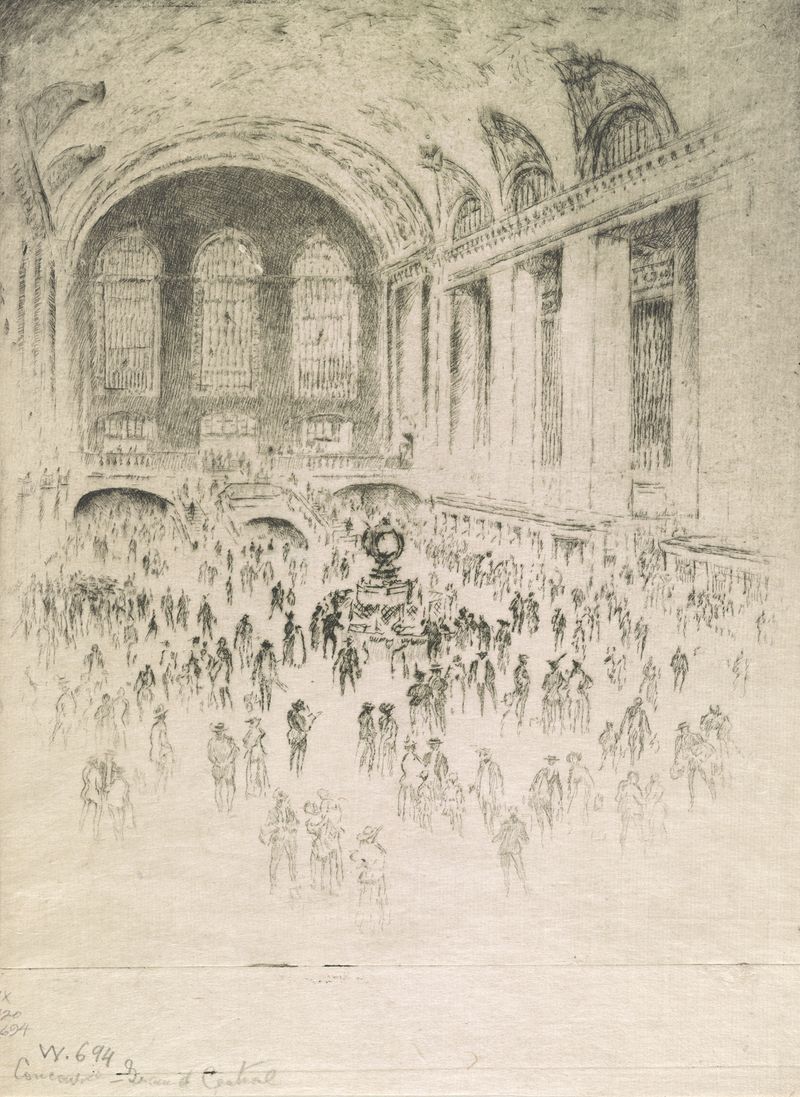
Concourse, Grand Central
Joseph Pennell
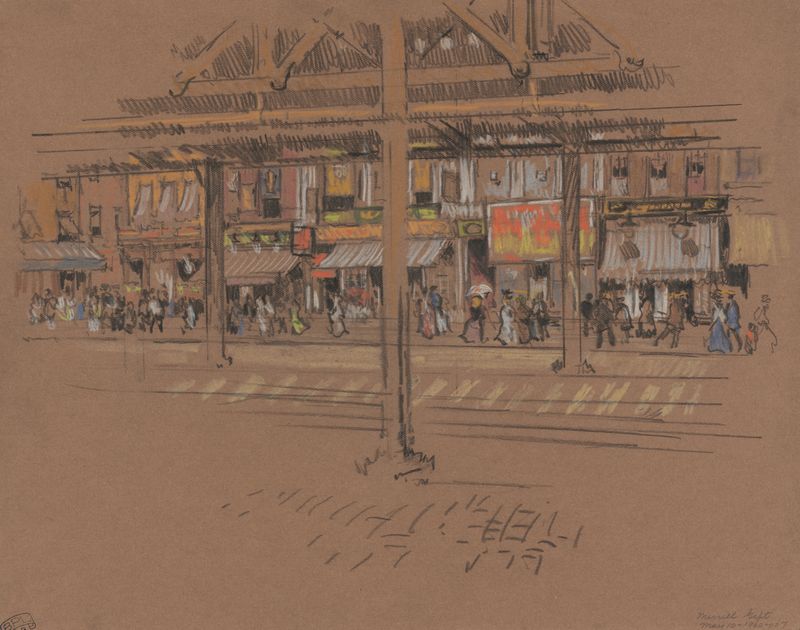
Sixth Avenue
Joseph Pennell
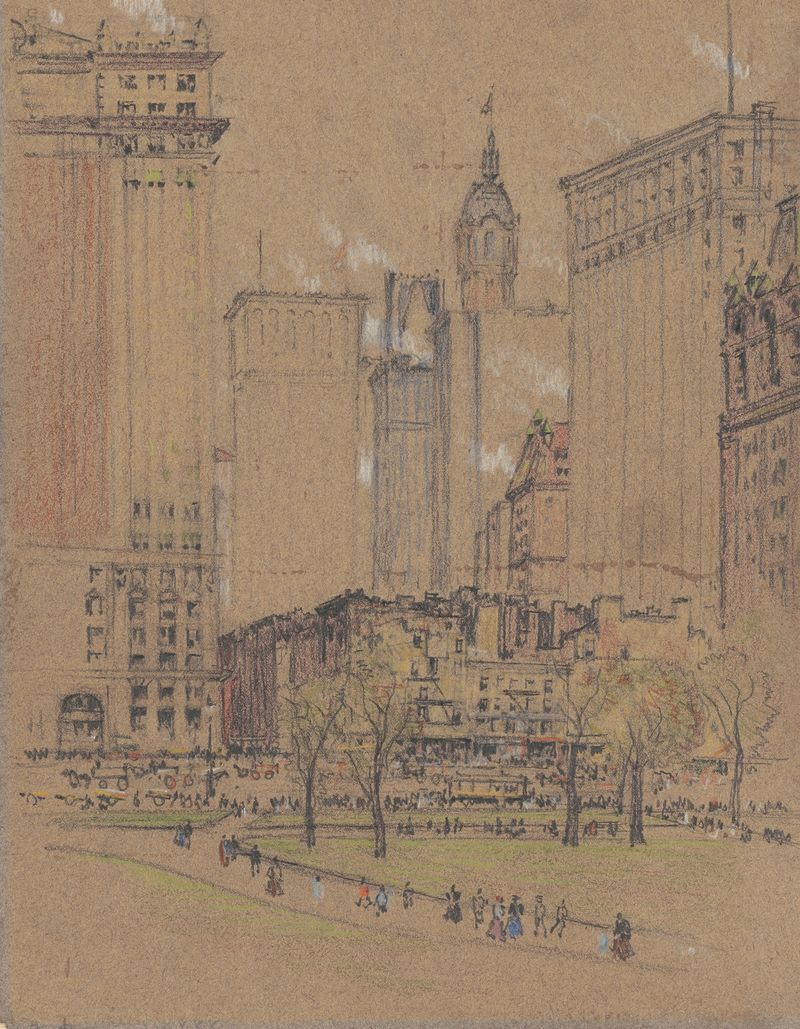
New York,the Old and the New
Joseph Pennell
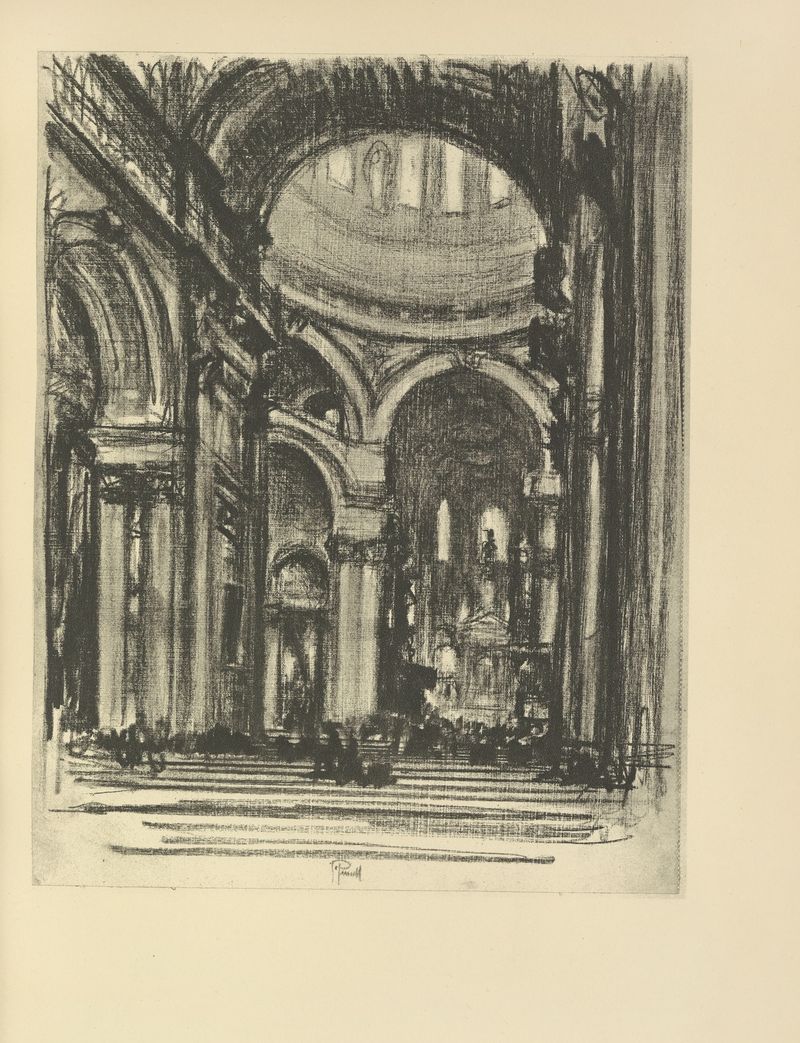
St. Paul’s, The Nave
Joseph Pennell
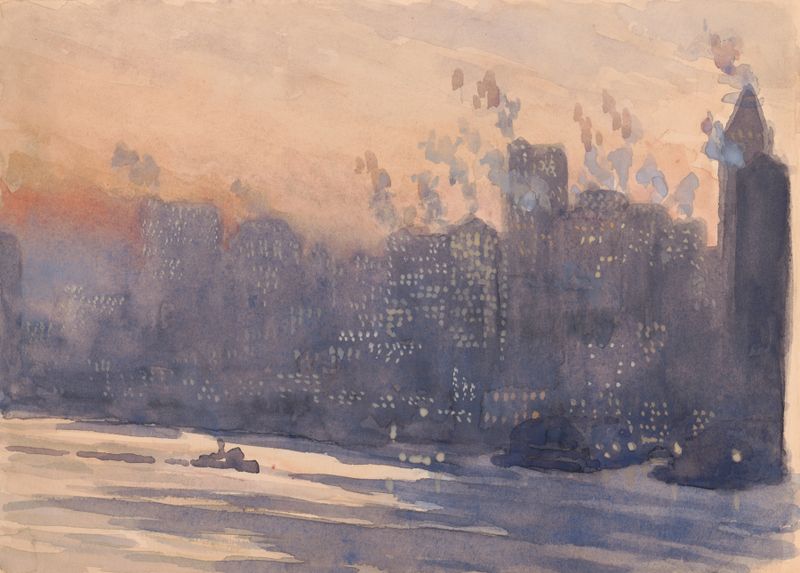
New York City harbor and skyline at night
Joseph Pennell
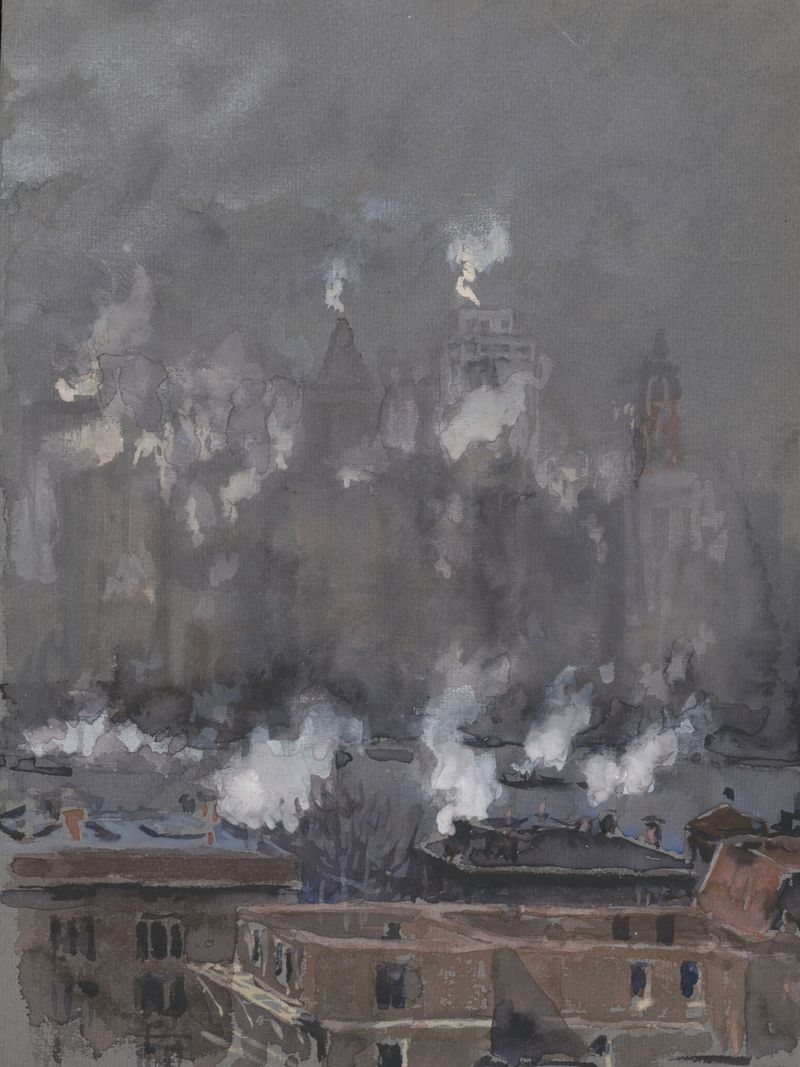
Smoke and fog on gray day, New York City
Joseph Pennell
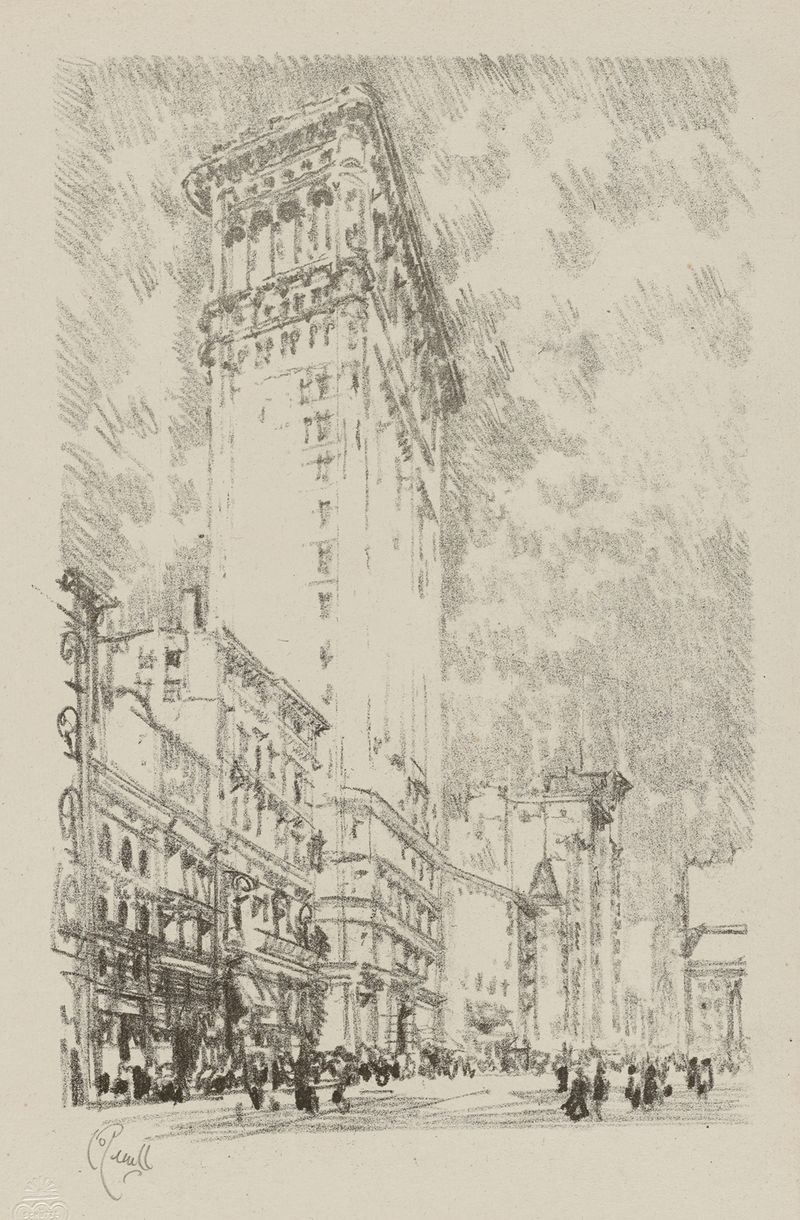
The Flat Iron
Joseph Pennell
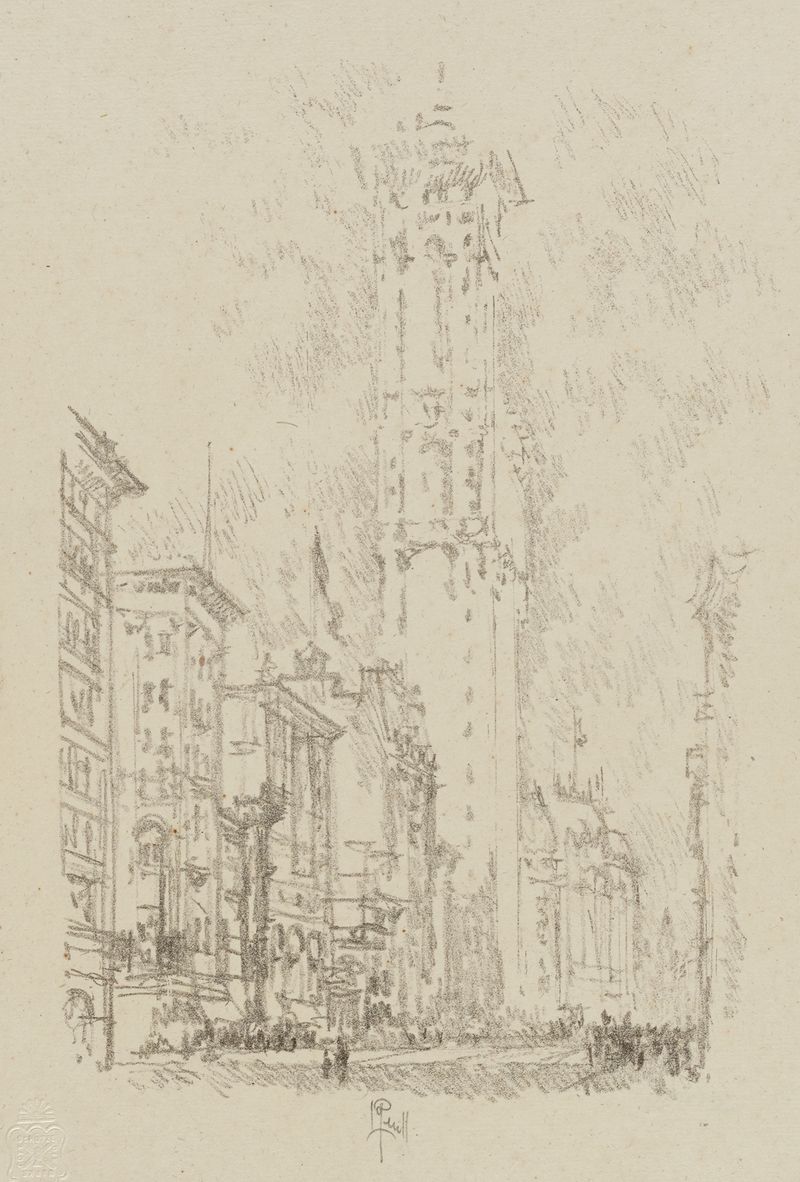
The Times Building
Joseph Pennell
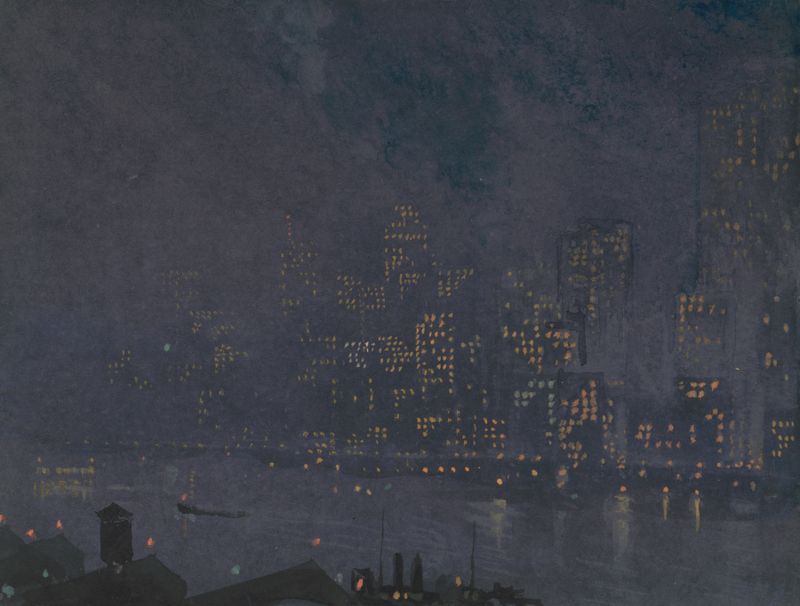
Skyscrapers at night
Joseph Pennell

St. James’ Park
Joseph Pennell





