
Bergbach mit sitzendem Maler — History & Facts
The serene landscapes we often admire may conceal deeper struggles beneath their tranquil exterior. In Bergbach mit sitzendem Maler, the painter invites us to contemplate the delicate balance between nature’s splendor and the human experience entwined within it. Focus on the foreground, where a lone figure sits by a babbling brook, absorbed in the act of creation. His palette rests beside him, a splash of vivid colors contrasting against the earthy tones of the surroundings.
Notice how the gentle flow of the water mirrors the quiet intensity of his gaze, while the dappled sunlight filters through the leaves above, illuminating the scene with a warm glow. Each brushstroke in this evocative landscape reveals not just the contours of nature, but also the emotional engagement of the artist himself. The juxtaposition of the vibrant colors against the calm blues and greens speaks to the balance of joy and solitude. The painter’s isolation in this picturesque setting embodies the tension between the desire for connection and the necessity of introspection.
The rushing water, both a source of inspiration and a reminder of time’s passage, suggests that the pursuit of beauty can be an arduous journey, fraught with emotional complexity beneath its surface. Created around 1831 during Schirmer’s time in Germany, Bergbach mit sitzendem Maler reflects the burgeoning Romantic movement that emphasized both individual expression and the sublime qualities of nature. Emerging as a key figure in landscape painting, Schirmer melded his personal experiences with broader themes, capturing the essence of the era's artistic transformation. This work stands as a testament to his mastery in conveying not only the beauty of the natural world but also the nuanced interplay between solitude and creativity.
More Artworks by Johann Wilhelm Schirmer
Browse all →
Waldlandschaft mit Blick auf Olevano und den Monte Cavo
Johann Wilhelm Schirmer
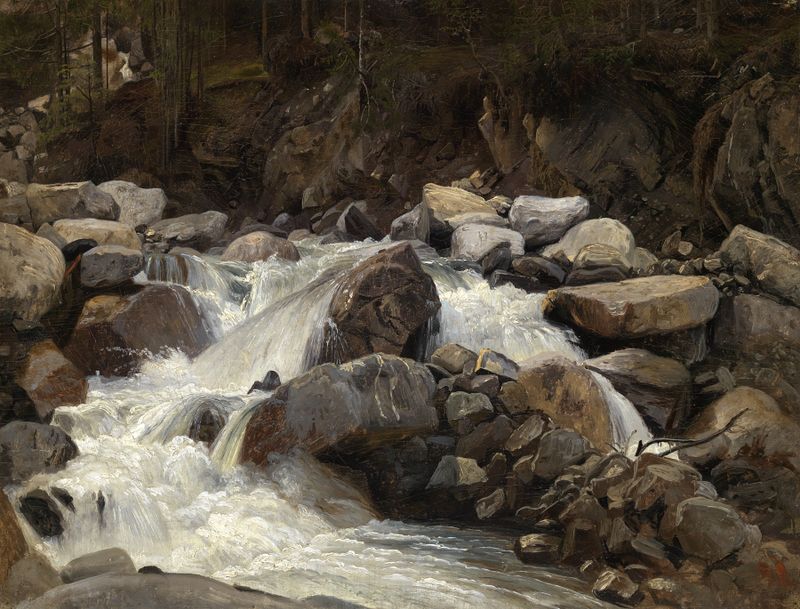
Schweizer Gebirgsbach
Johann Wilhelm Schirmer
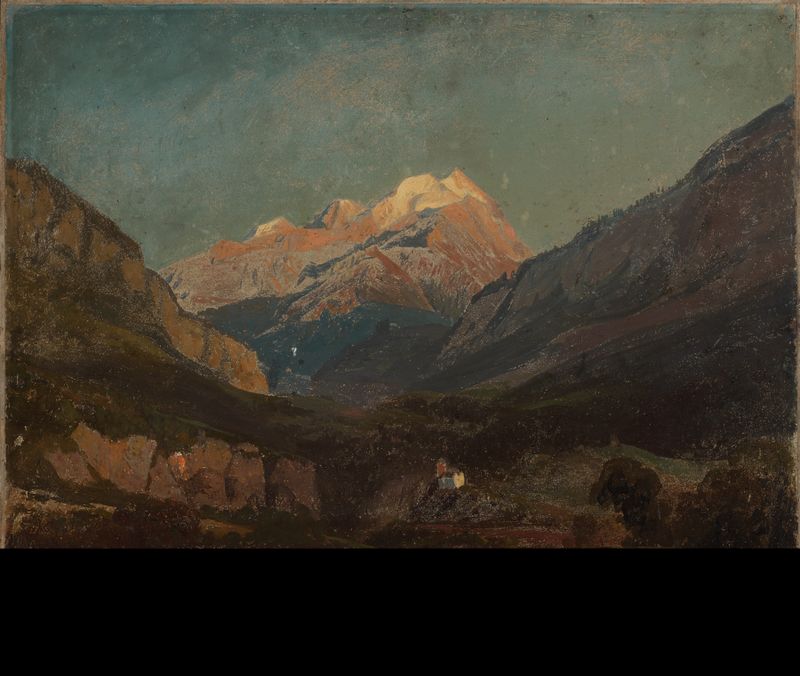
Schweizer Gebirgslandschaft mit Kapelle und fernem Schneegipfel
Johann Wilhelm Schirmer

Schweizer Gebirgslandschaft mit dem Piz Beverin im Hintergrund
Johann Wilhelm Schirmer

Waldinneres mit Hirschen am Wasser
Johann Wilhelm Schirmer

The Wetterhorn
Johann Wilhelm Schirmer

Partie aus der Römischen Campagna
Johann Wilhelm Schirmer

Felsabhang in der Schweiz
Johann Wilhelm Schirmer
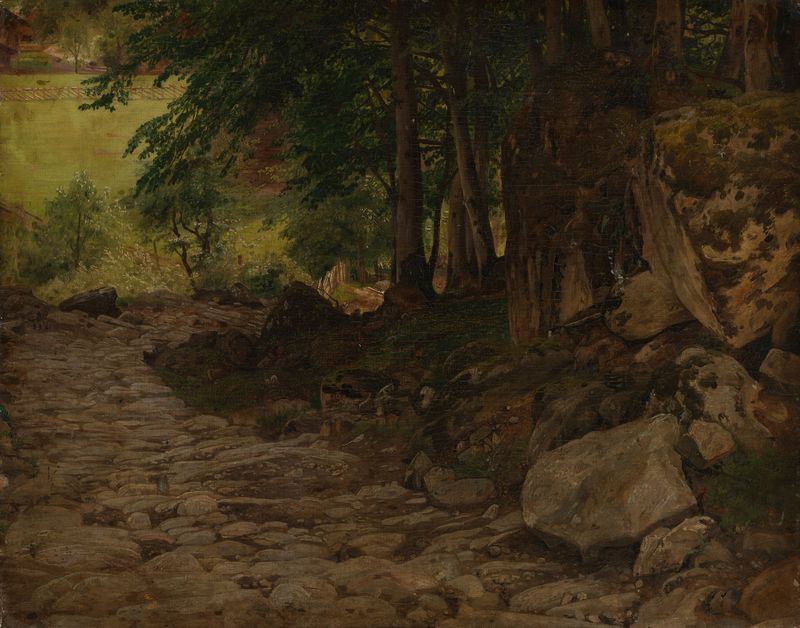
Felsweg in der Schweiz
Johann Wilhelm Schirmer
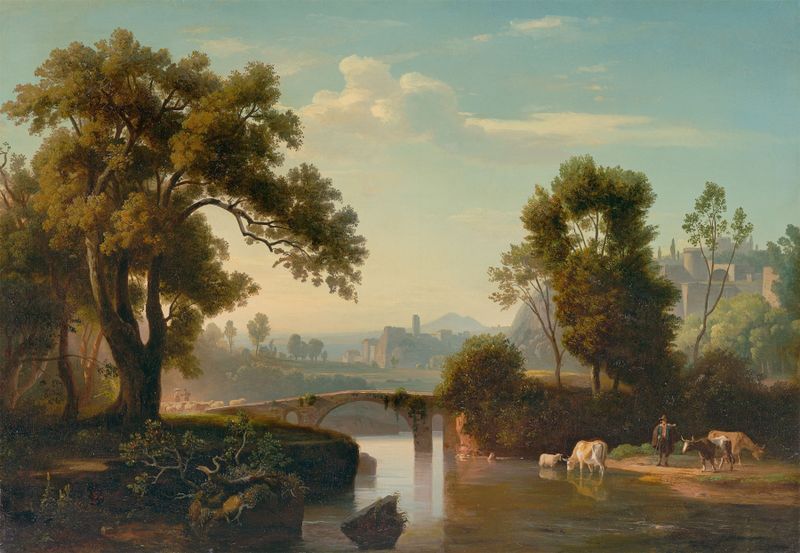
Italienische Landschaft mit Hirten
Johann Wilhelm Schirmer





