
Berliner Sechstagerennen — History & Facts
In the depths of solitude, can one truly grasp the essence of existence? Look to the central figure, a solitary cyclist, whose taut body cuts through the vibrant chaos of the race. The swirling crowd, painted in lively hues, seems to pulse around him, yet he remains an island of concentration. Notice how the motion of the wheels contrasts with the stillness of his gaze, as if he is both part of the spectacle and an observer of his own isolation.
The artist employs vivid colors to create a sense of urgency, while the blurred lines invoke the frantic pace of the race, drawing our eyes to the existential tension that resides within the scene. Beneath the surface lies a profound loneliness. The cyclist, though surrounded by cheering spectators, appears disconnected from their exuberance. This juxtaposition of vibrancy and solitude speaks to the universal experience of feeling alone in a crowd.
The tension between movement and stillness also suggests a dissonance between society's expectations and personal introspection, prompting reflection on the balance between external achievement and internal fulfillment. In 1909, while living in Berlin, Slevogt captured this tableau during a period rich with the fervor of modernity and the rapid evolution of artistic styles. The early 20th century was a time marked by both technological advancements and social change, influencing the artist’s approach to capturing human emotion within a setting of dynamic energy. This work stands as a testament to his keen observation of the complexities of modern life, revealing the intricate dance between individuality and collective experience.
More Artworks by Max Slevogt
Browse all →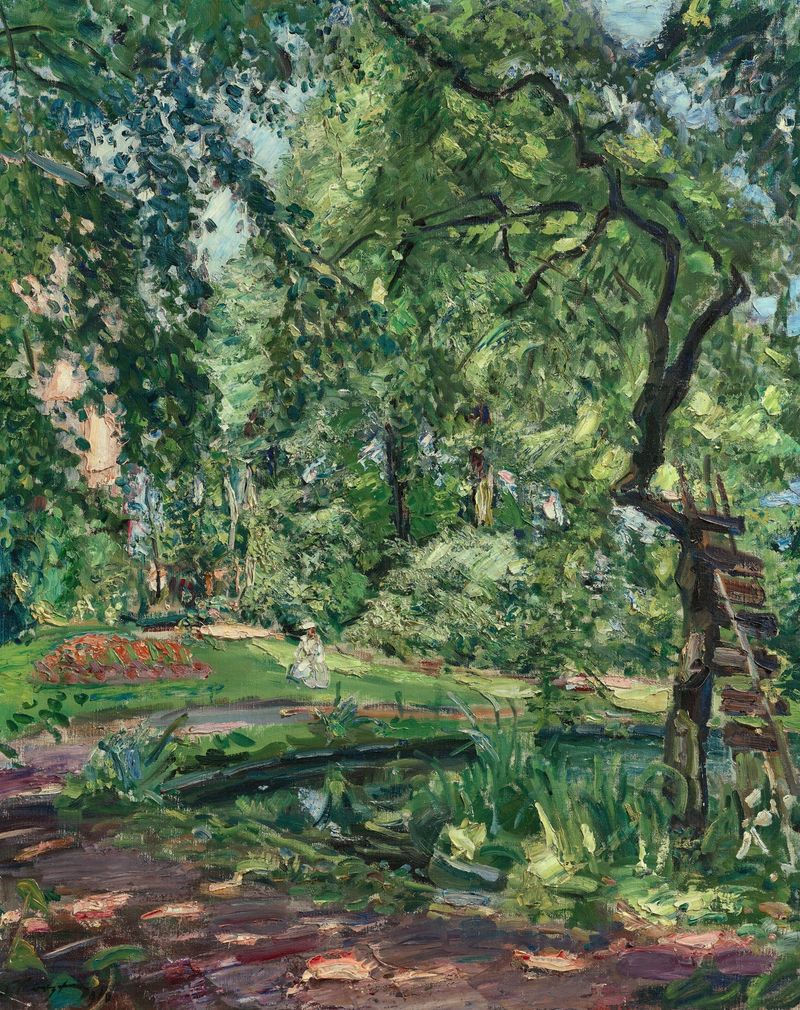
Garten in Godramstein mit verwachsenem Baum und Weiher
Max Slevogt
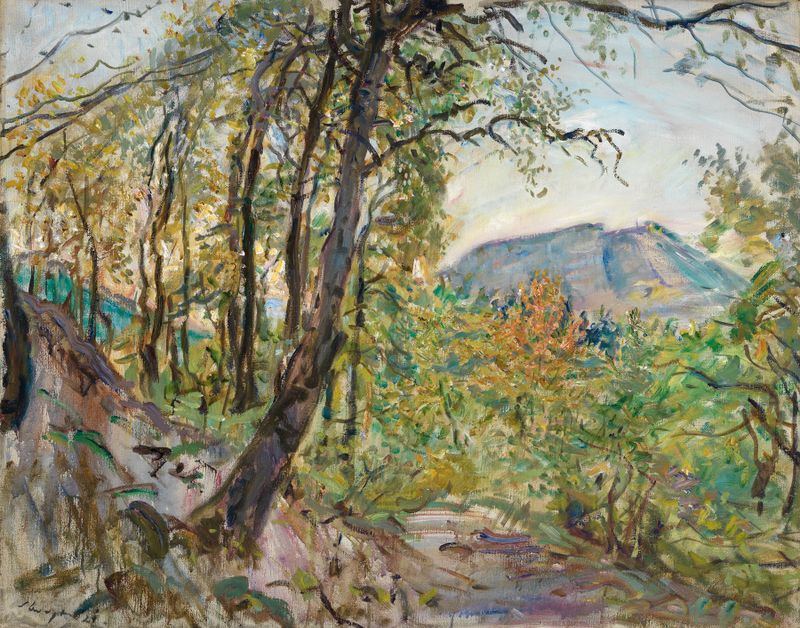
Pfälzische Landschaft
Max Slevogt
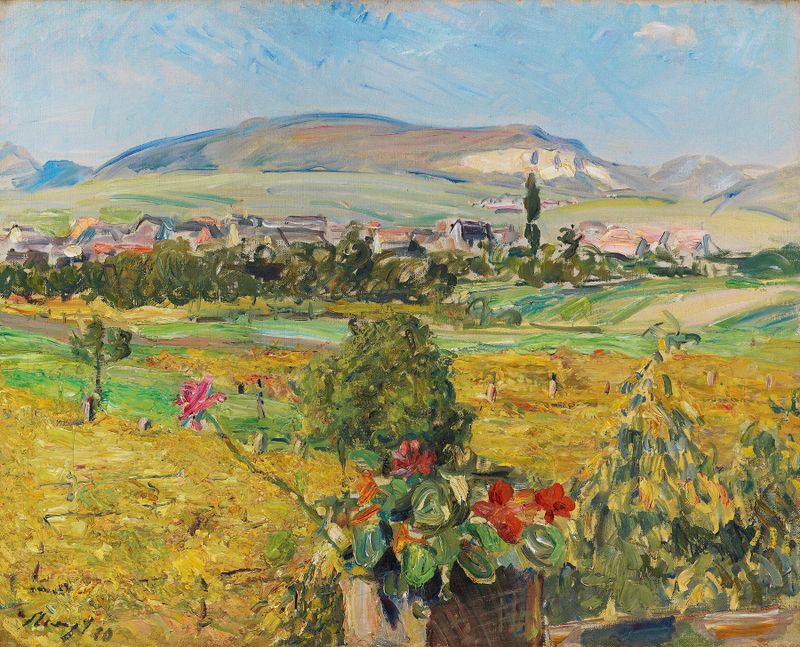
Pfälzer Landschaft
Max Slevogt

Kinder am Weiher (Garten in Godramstein)
Max Slevogt
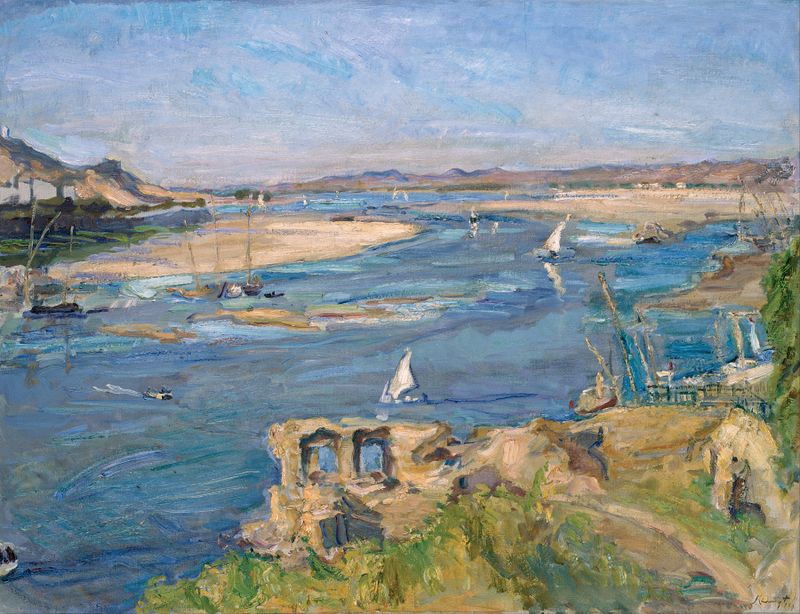
The Nile near Aswan
Max Slevogt
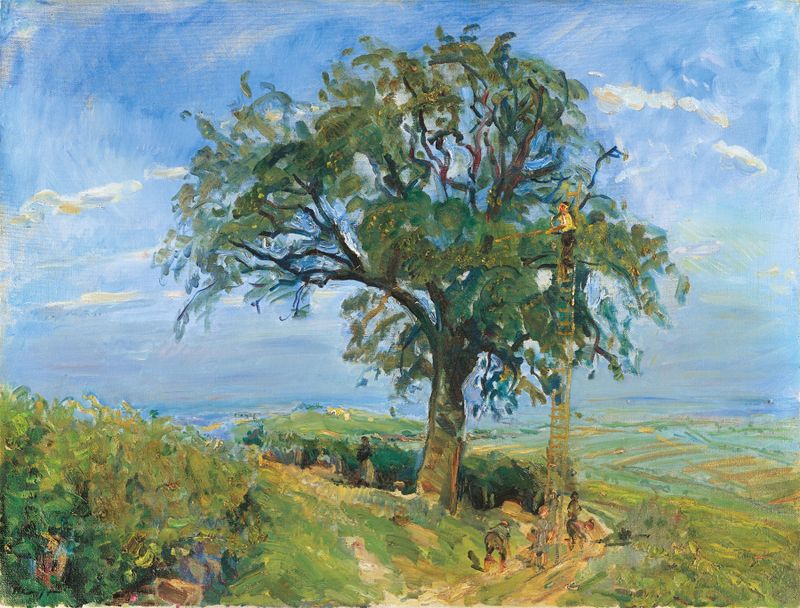
Fruit harvest in the Palatinate (The pear tree)
Max Slevogt
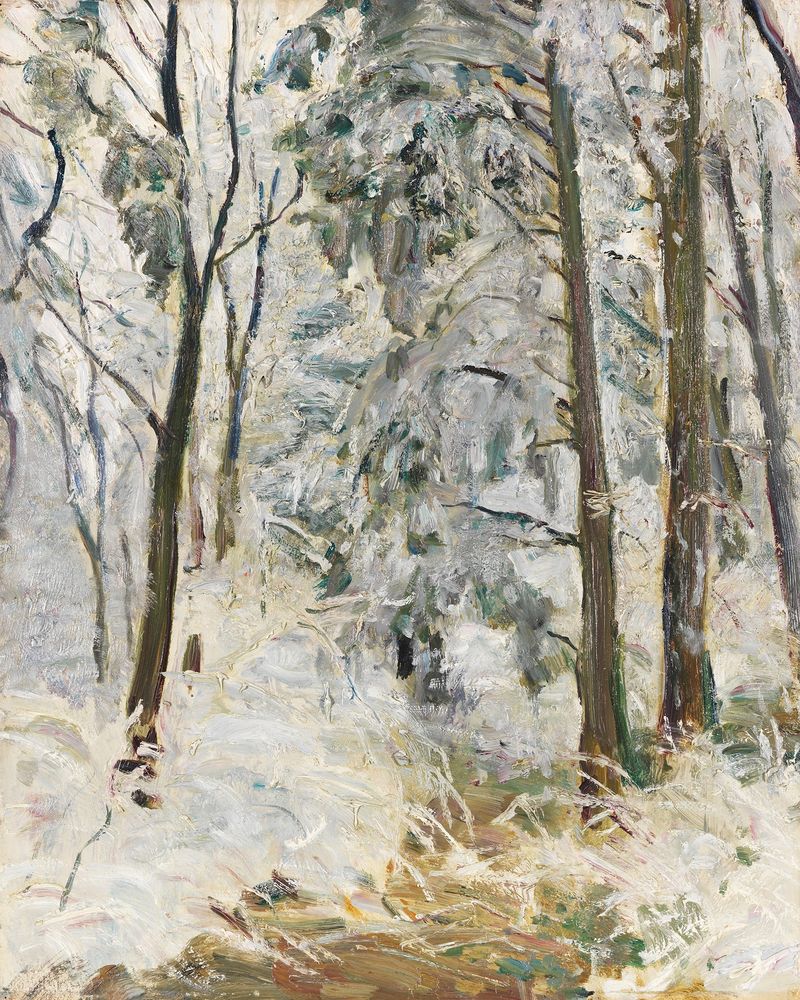
Verschneiter Waldweg
Max Slevogt
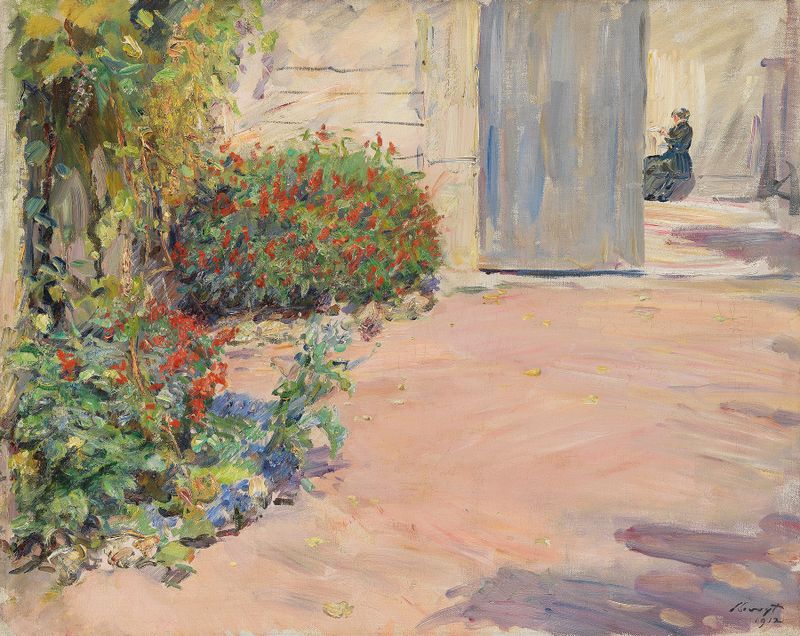
Gartenweg zum Sommerhaus (Godramstein)
Max Slevogt

Grape harvest at Neukastel
Max Slevogt
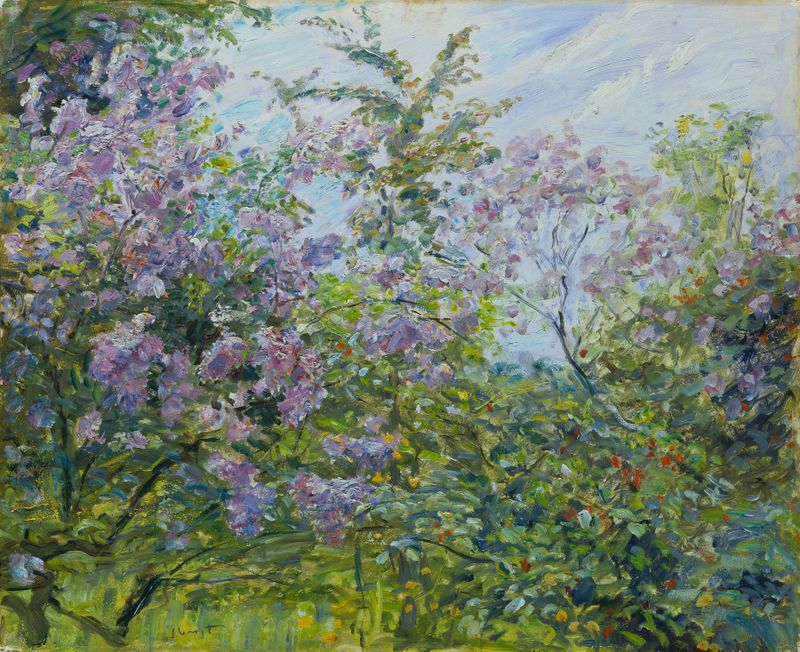
Blossoming Lilac
Max Slevogt





