
Gartenweg zum Sommerhaus (Godramstein) — History & Facts
Did the painter know this moment would outlive them? A quiet path, lined with verdant growth and bathed in the golden glow of summer, beckons us to pause and reflect on the beauty of rebirth. Look to the right at the splashes of vibrant greens, with soft brushstrokes that give life to the foliage, inviting an intoxicating sense of tranquility. Notice how the light falls upon the path, illuminating the trail ahead while casting gentle shadows that hint at the mysteries just beyond the frame. The composition directs our gaze toward the distant summer house, evoking a sense of longing and serenity that envelopes the viewer. Delve deeper into the contrasts within the scene: the organic, untamed nature around the path stands in stark opposition to the human touch of the summer house.
Each flower, every blade of grass seems to pulse with life, suggesting a celebration of growth and renewal, while the soothing structure symbolizes stability amidst transformation. The interplay of light and shadow serves as a poignant reminder that each moment is fleeting, yet eternally captured in the act of creation. In 1912, Max Slevogt painted this tranquil scene during a period of personal introspection and artistic exploration. Working in Godramstein, he embraced the beauty of his surroundings, reflecting the growing interest in Impressionism within the German art scene.
This moment encapsulates a time when artists sought to capture fleeting impressions of nature, striving to convey the essence of life itself.
More Artworks by Max Slevogt
Browse all →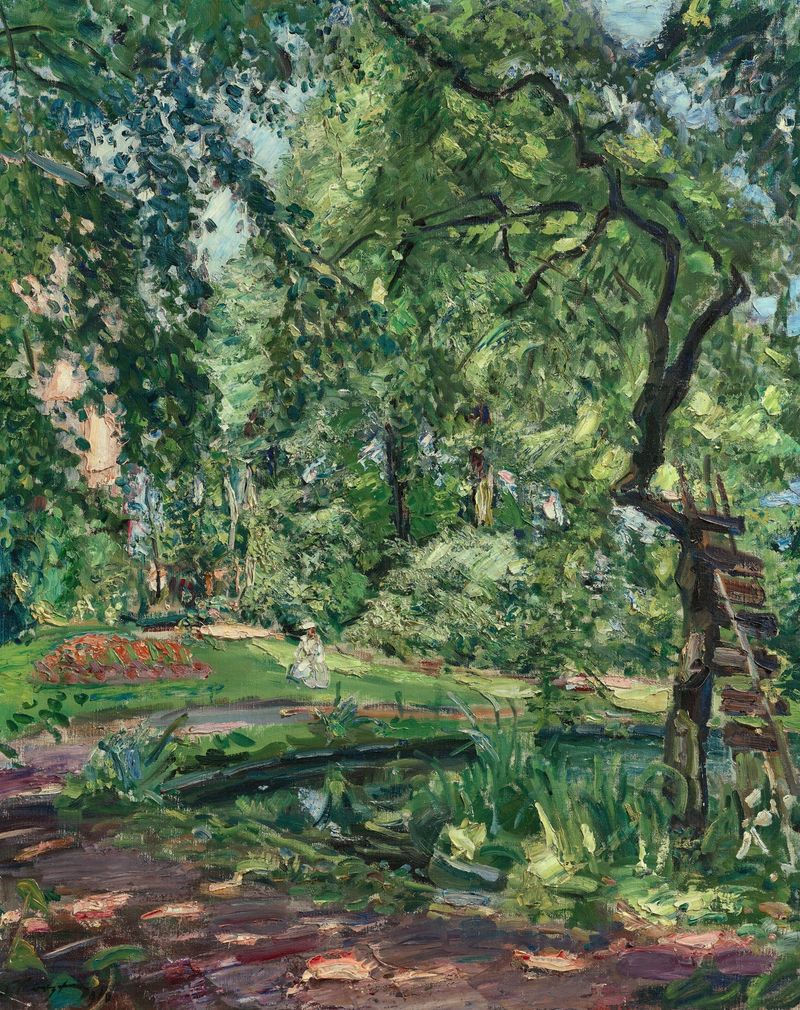
Garten in Godramstein mit verwachsenem Baum und Weiher
Max Slevogt
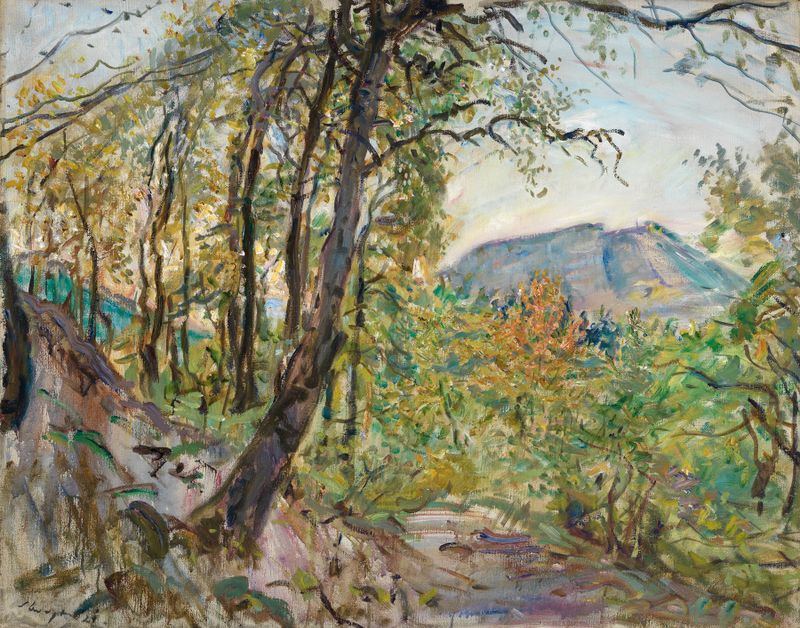
Pfälzische Landschaft
Max Slevogt
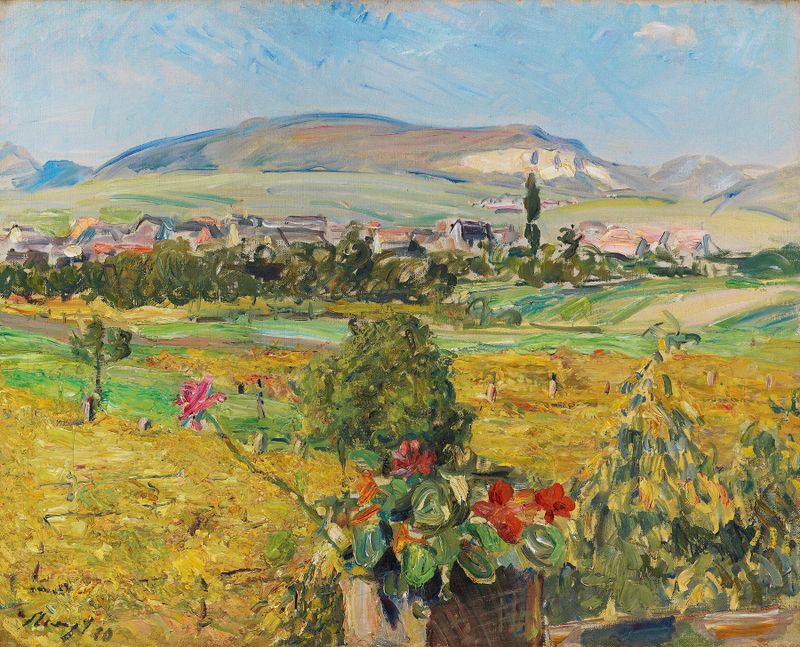
Pfälzer Landschaft
Max Slevogt

Kinder am Weiher (Garten in Godramstein)
Max Slevogt
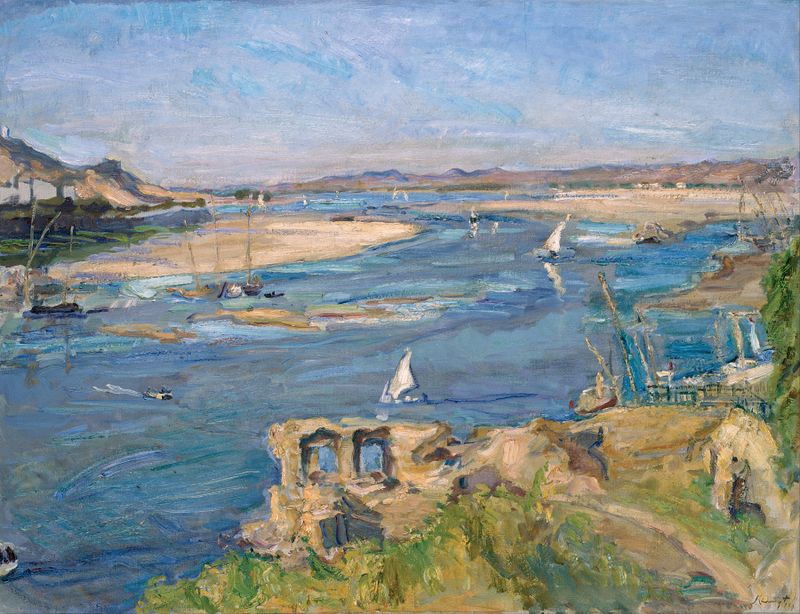
The Nile near Aswan
Max Slevogt
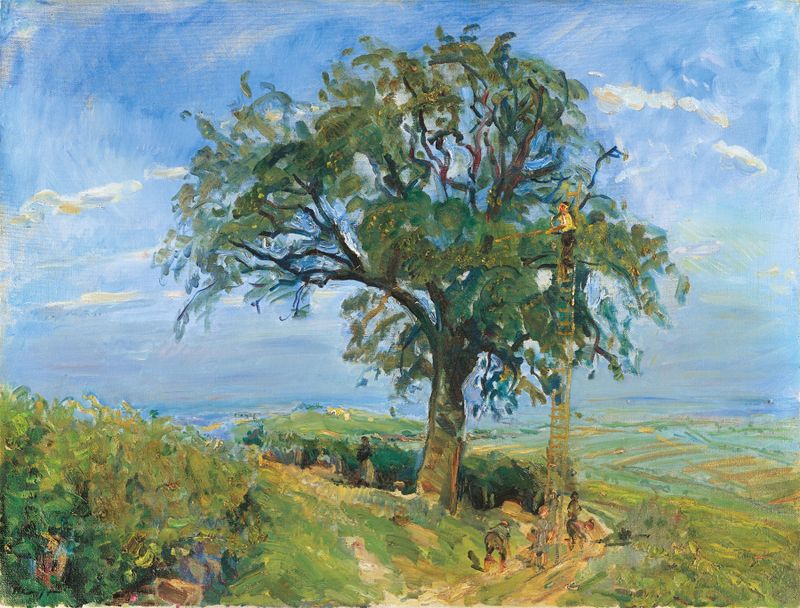
Fruit harvest in the Palatinate (The pear tree)
Max Slevogt
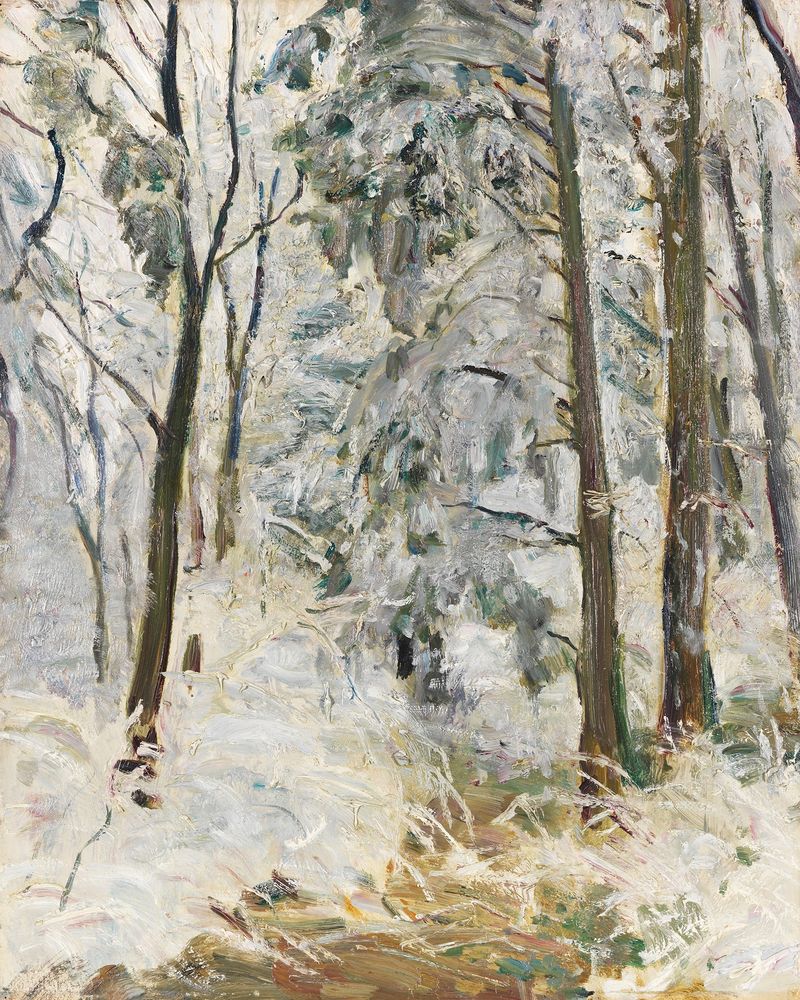
Verschneiter Waldweg
Max Slevogt

Grape harvest at Neukastel
Max Slevogt
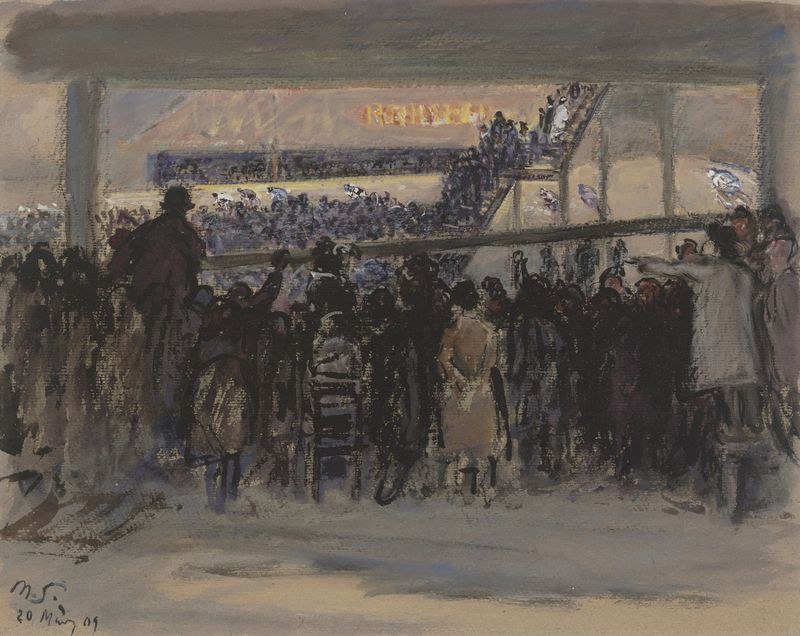
Berliner Sechstagerennen
Max Slevogt
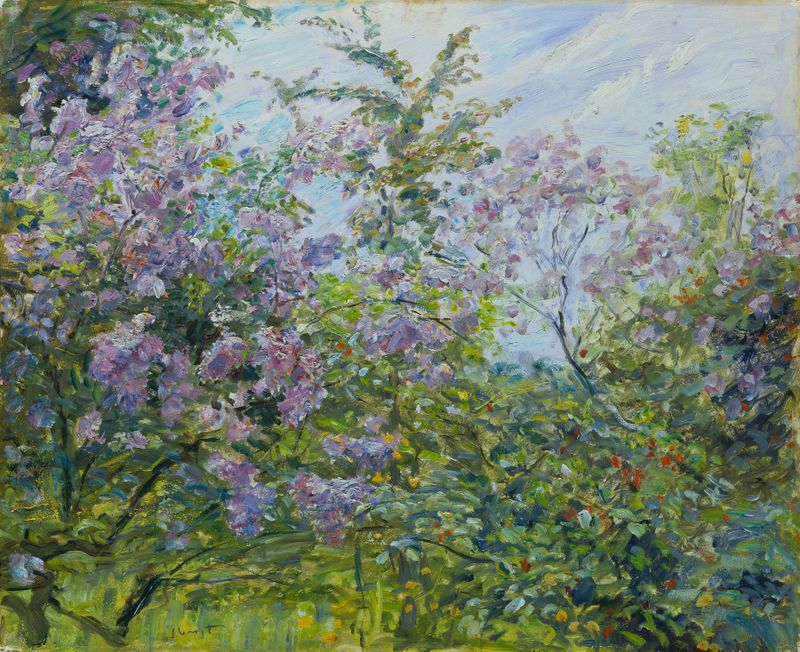
Blossoming Lilac
Max Slevogt





