
Kinder am Weiher (Garten in Godramstein) — History & Facts
Memory lingers like a whisper, evoking shades of longing and loss that define the human experience. The fleeting moments of joy captured in art can often conceal deeper stories beneath their vibrant surfaces. Scan the canvas and let your gaze settle on the children playing by the pond, their laughter almost audible. Notice how the soft, impressionistic brushstrokes blend greens and blues to envelop the scene in a gentle embrace.
The sunlight filters through the foliage, casting dappled patterns upon the water, which sparkles like scattered jewels. Slevogt's delicate palette invites you to linger, to explore the harmony between childlike innocence and the serene landscape that surrounds them. Look closely at the children’s expressions; their faces convey a blend of joy and wistfulness. The slight tension in their gestures hints at a fleeting childhood, a moment captured before the inevitable passage of time.
The pond, tranquil yet reflective, serves as a metaphor for memory itself—an eternal mirror of experiences that shape who we are. The vibrant colors of the flowers contrast with the subdued tones of the water, suggesting the beauty that often cloaks the bittersweet nature of our recollections. In 1909, Slevogt painted this piece in Godramstein, a time when he was deeply interested in the interplay of light and color, reflecting the Impressionist movement's ideals. An accomplished artist known for his landscapes and portraits, he was navigating the complexities of personal and artistic identity in a rapidly changing world.
The work serves as a testament to his ability to intertwine emotion and beauty, capturing a fleeting moment that resonates across generations.
More Artworks by Max Slevogt
Browse all →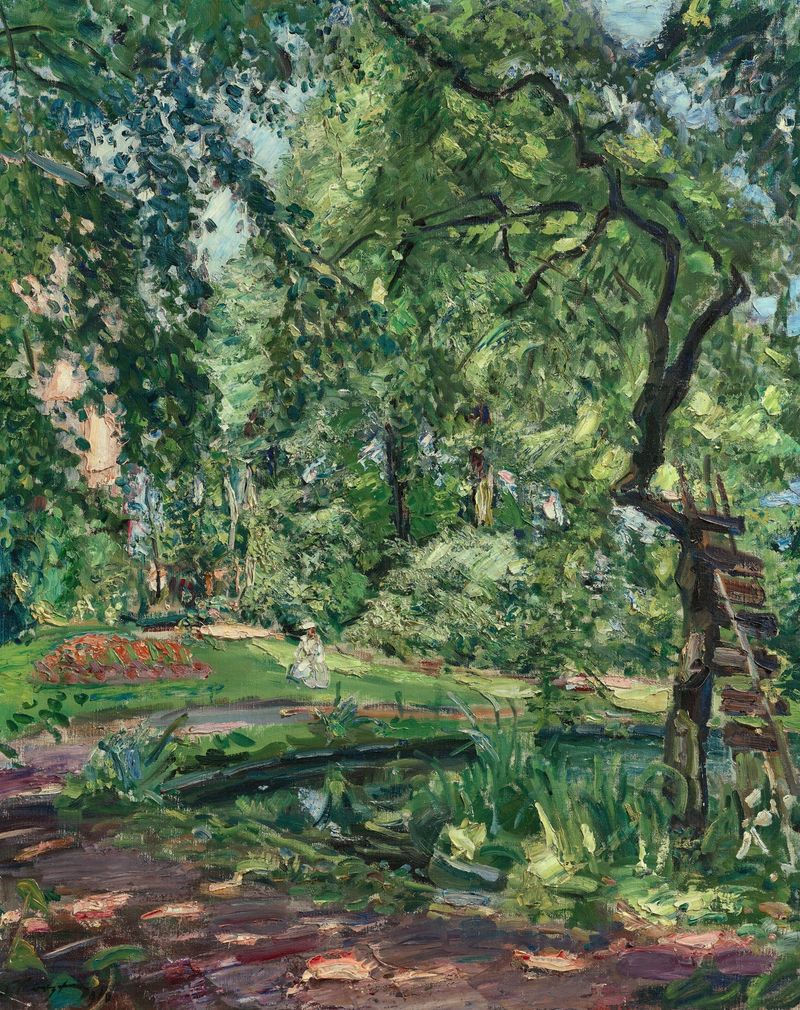
Garten in Godramstein mit verwachsenem Baum und Weiher
Max Slevogt
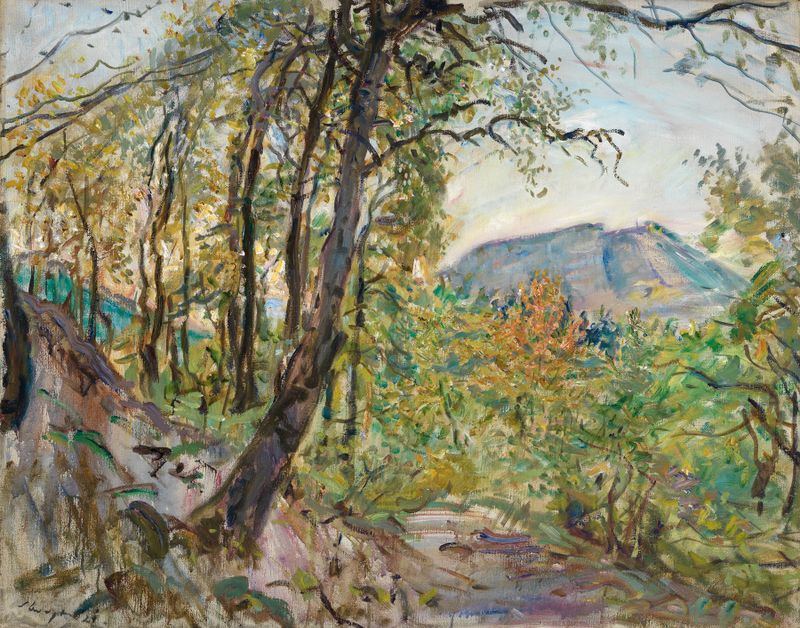
Pfälzische Landschaft
Max Slevogt
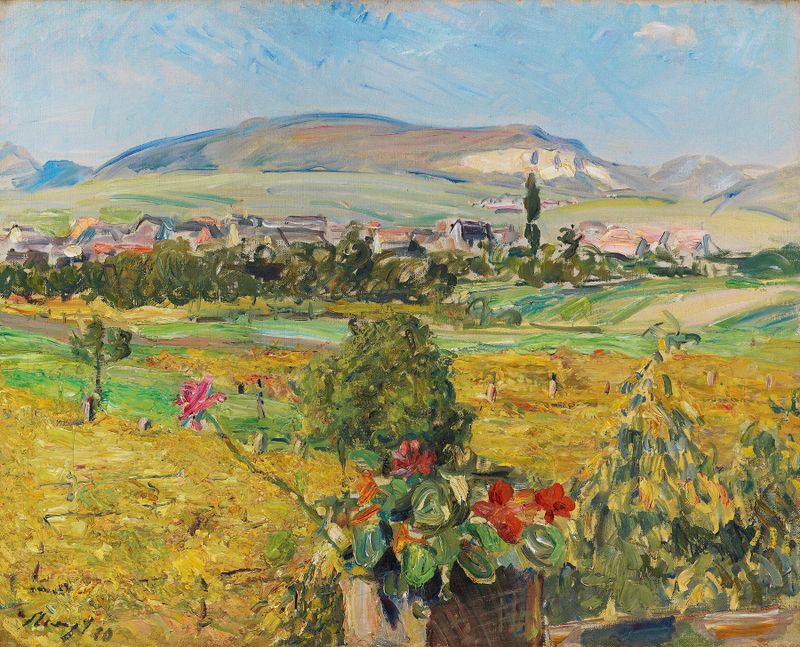
Pfälzer Landschaft
Max Slevogt
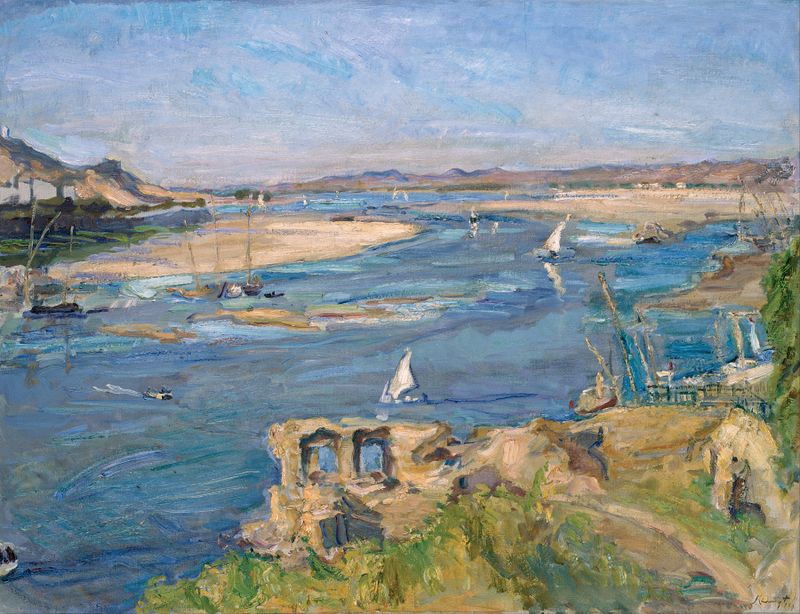
The Nile near Aswan
Max Slevogt
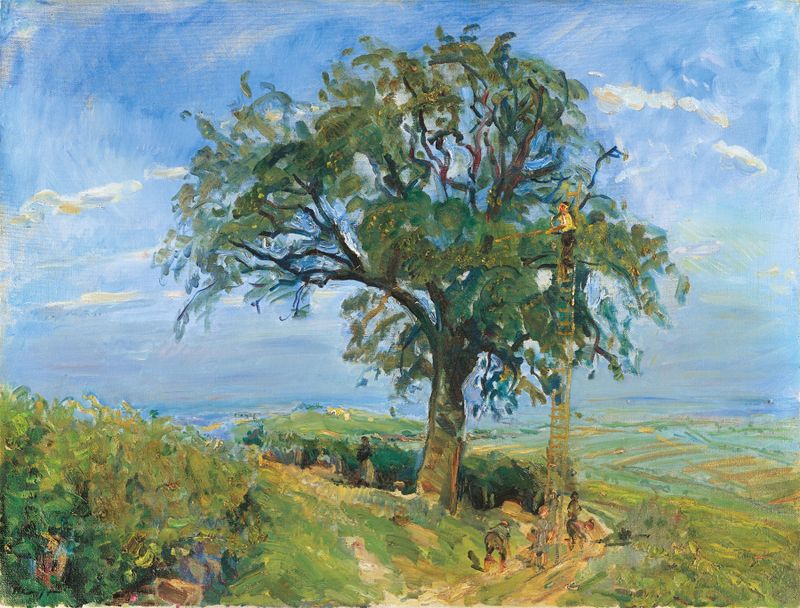
Fruit harvest in the Palatinate (The pear tree)
Max Slevogt
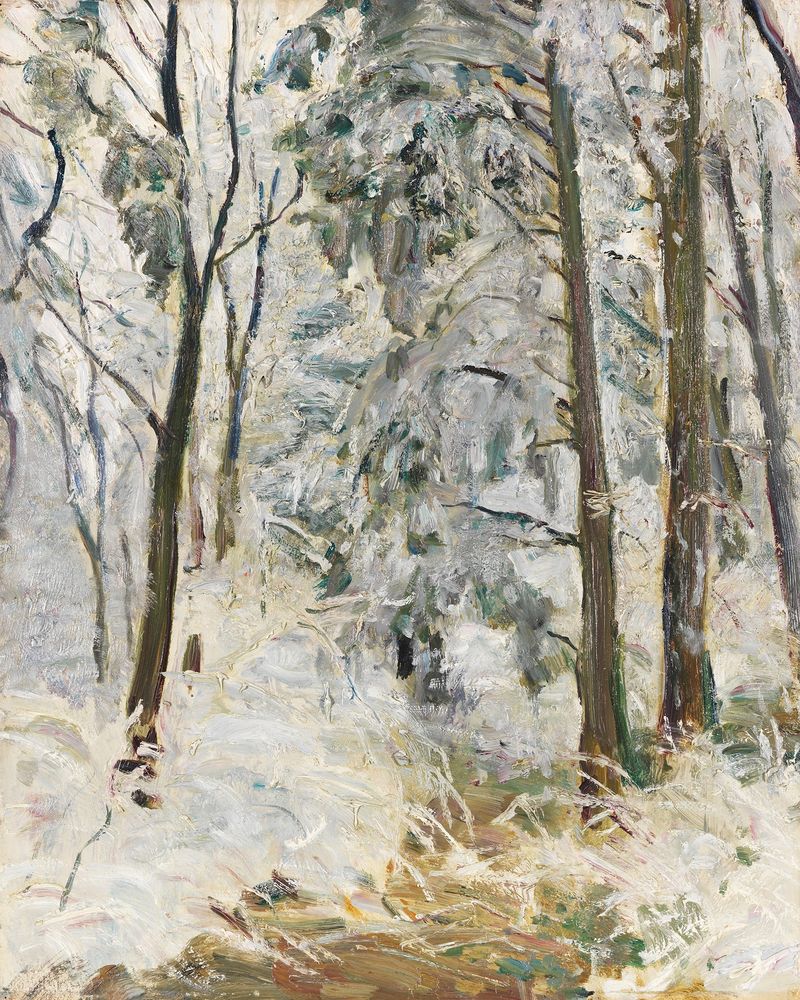
Verschneiter Waldweg
Max Slevogt
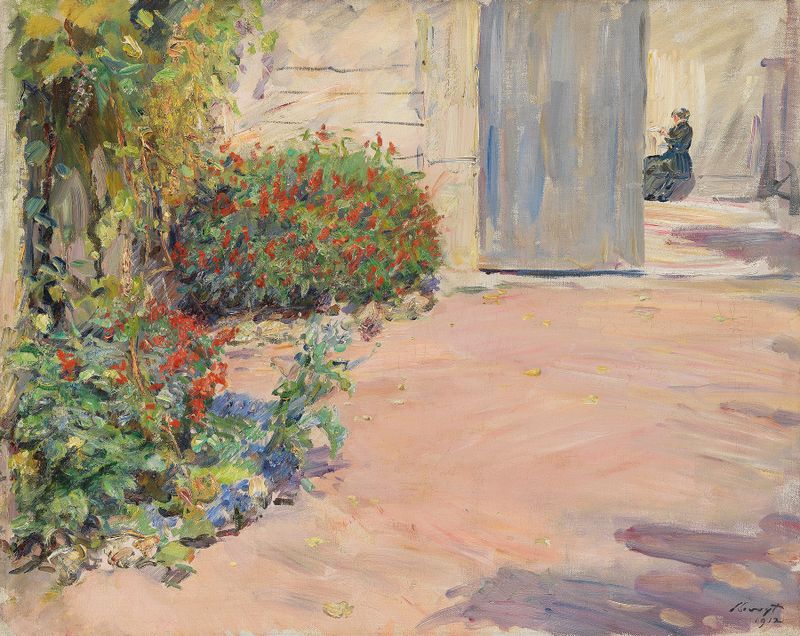
Gartenweg zum Sommerhaus (Godramstein)
Max Slevogt

Grape harvest at Neukastel
Max Slevogt
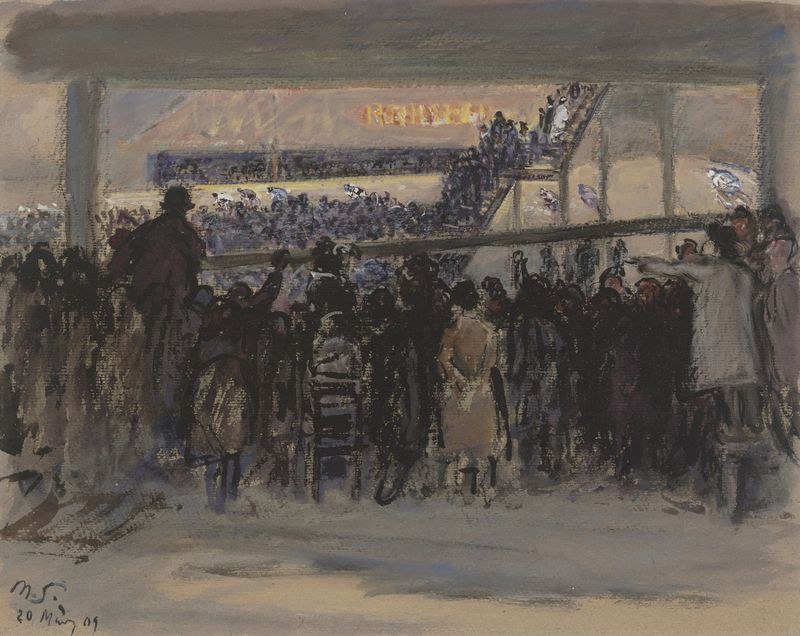
Berliner Sechstagerennen
Max Slevogt
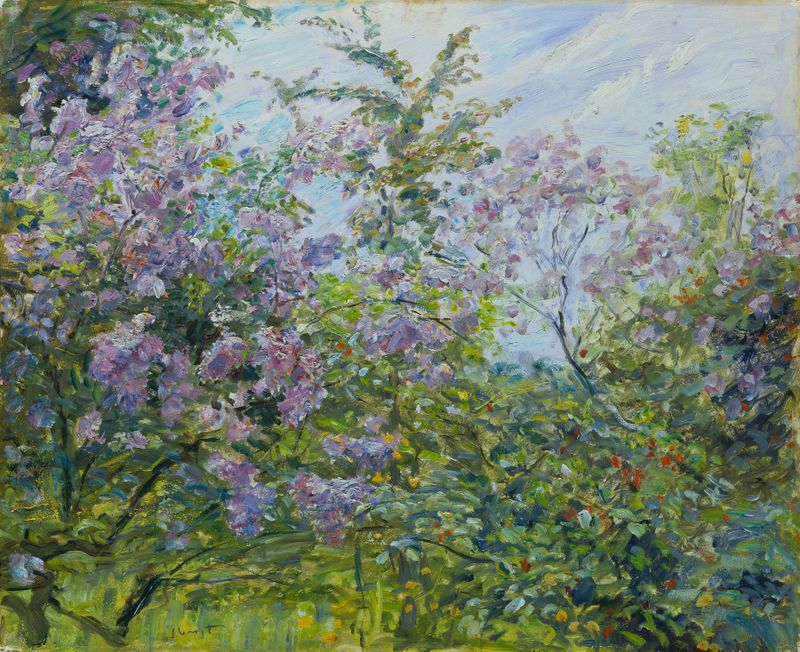
Blossoming Lilac
Max Slevogt





