
Pfälzer Landschaft — History & Facts
In the delicate interplay of life and death, we often find profound revelations about our existence. Look to the center of the canvas, where a gentle expanse of rolling hills unfolds, bathed in a warm, golden hue. The vibrant greens of the fields dance with splashes of color, while the distant blue mountains loom like silent sentinels. Notice how the soft brushstrokes create a sense of movement in the sky, where a fading light hints at the transition between day and night, echoing the cycle of life itself. As your eyes wander, you'll discover subtle contrasts: the lush vitality of the foreground against the muted tones of the background.
Wildflowers dot the landscape, vibrant yet transient, emphasizing the fleeting nature of beauty and existence. The tranquil, serene atmosphere invites contemplation about mortality, revealing how life’s vibrancy is always intertwined with an underlying sense of impermanence. In 1910, Slevogt painted this work during a period of personal exploration, settling in Germany's Palatinate region. It was a time marked by artistic experimentation and a growing search for deeper meaning, as he sought to capture the essence of nature while reflecting the profound truths of the human experience.
This painting stands as a testament to his keen observation of the world around him, blending impressionism with introspective themes.
More Artworks by Max Slevogt
Browse all →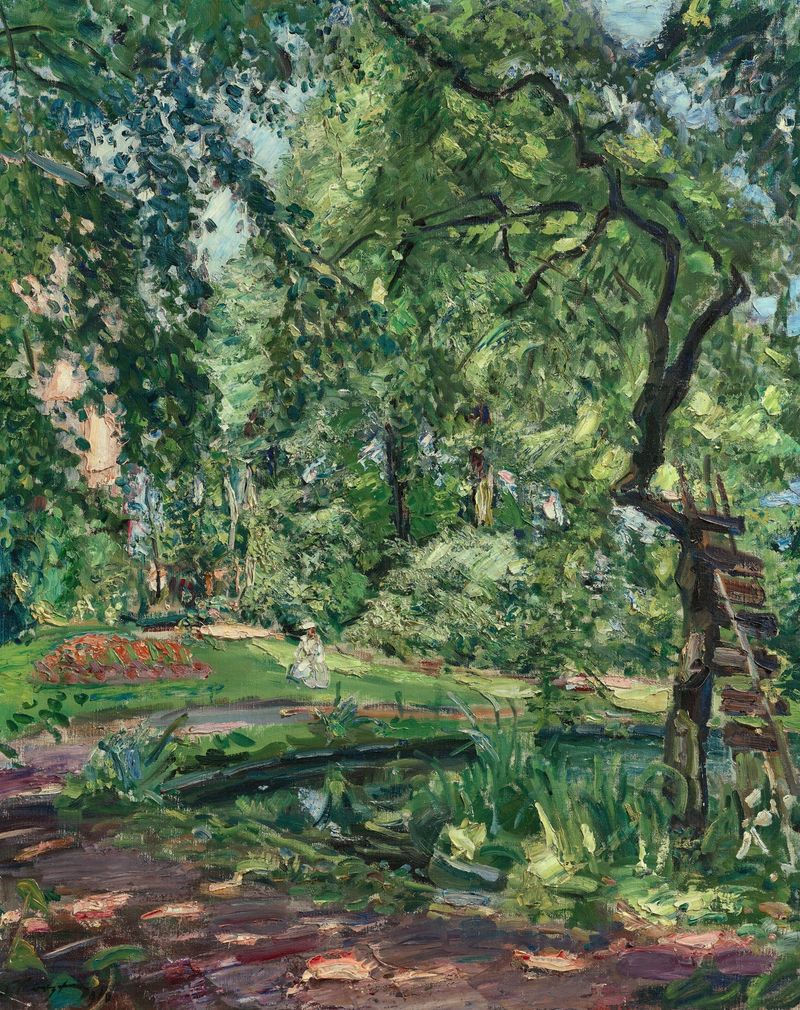
Garten in Godramstein mit verwachsenem Baum und Weiher
Max Slevogt
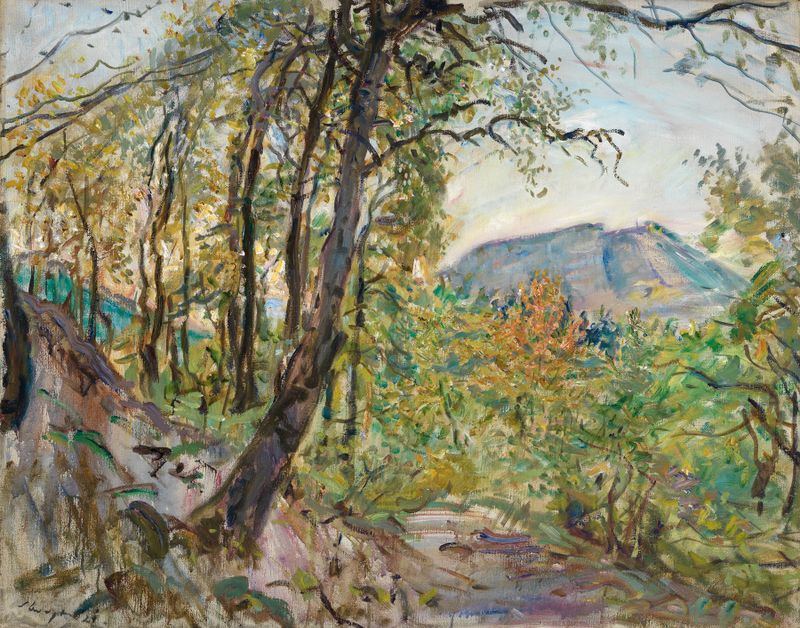
Pfälzische Landschaft
Max Slevogt

Kinder am Weiher (Garten in Godramstein)
Max Slevogt
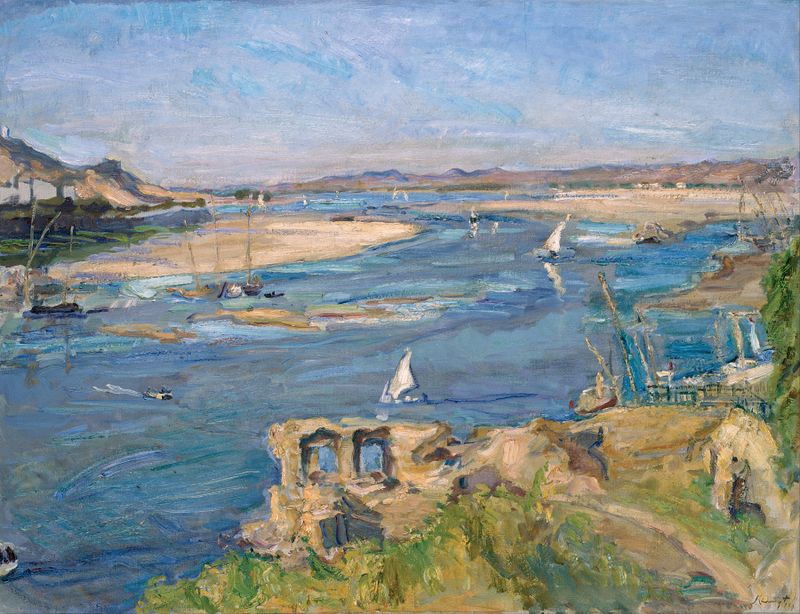
The Nile near Aswan
Max Slevogt
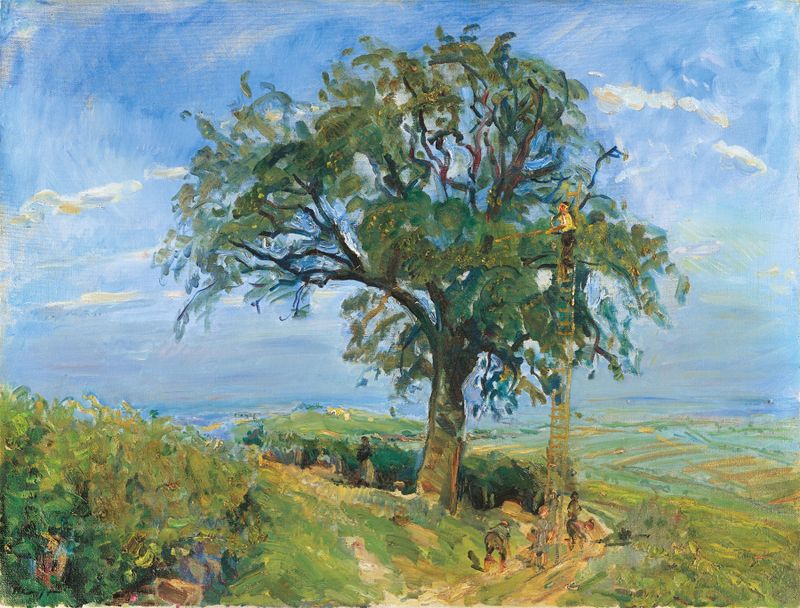
Fruit harvest in the Palatinate (The pear tree)
Max Slevogt
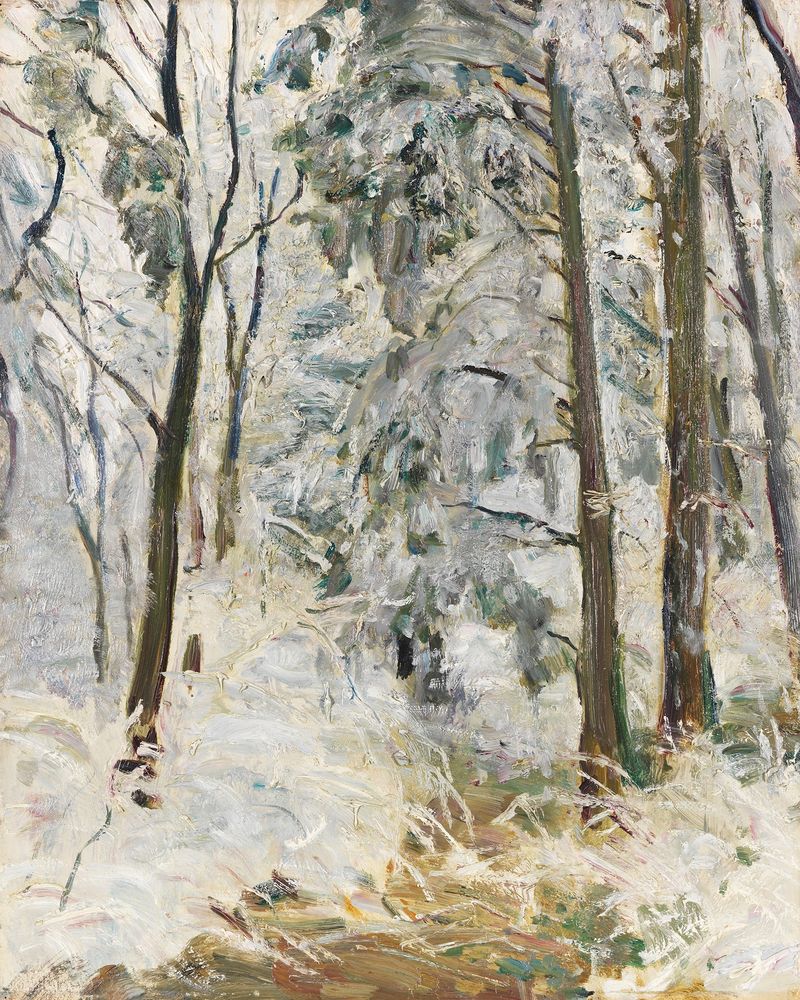
Verschneiter Waldweg
Max Slevogt
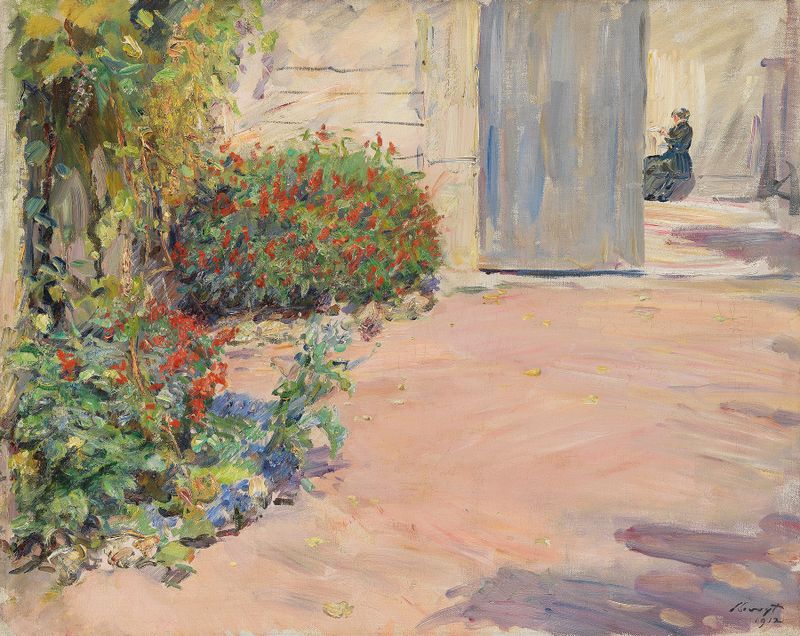
Gartenweg zum Sommerhaus (Godramstein)
Max Slevogt

Grape harvest at Neukastel
Max Slevogt
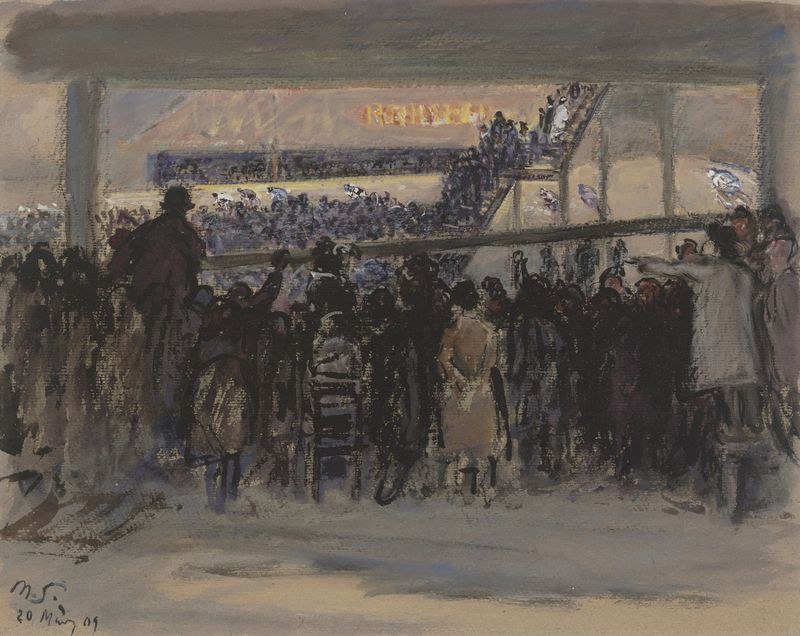
Berliner Sechstagerennen
Max Slevogt
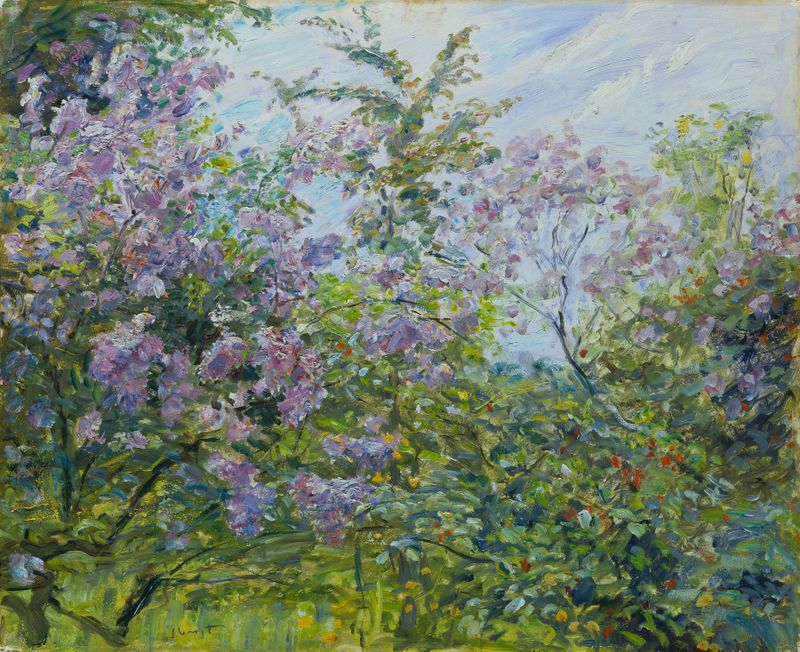
Blossoming Lilac
Max Slevogt





