
Grape harvest at Neukastel — History & Facts
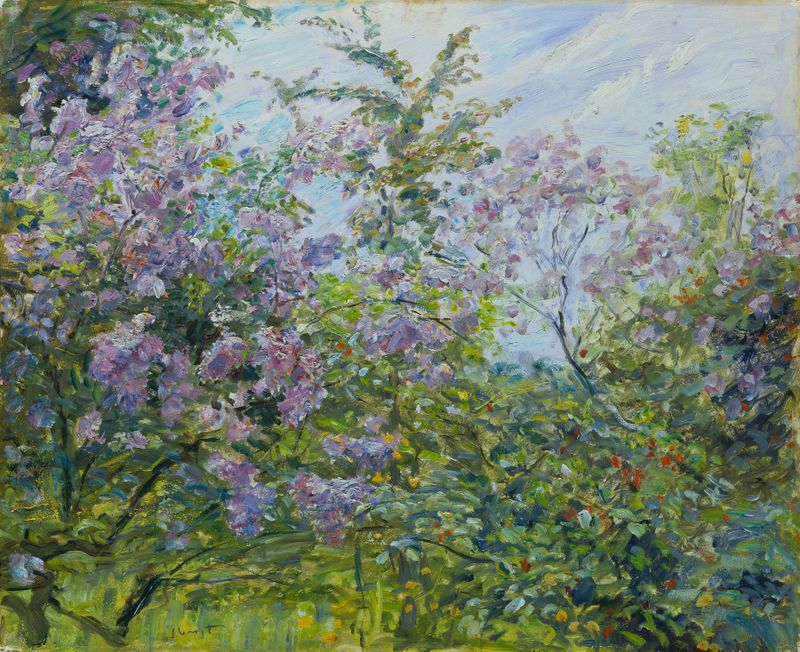
In that delicate span between turmoil and tranquility, lies the essence of what we often overlook: the void that invites creation. Focus on the sweeping curves of the vineyard as they cradle clusters of ripe grapes, emphasizing the labor and joy of harvest. The vibrant greens and deep purples dance harmoniously across the canvas, while golden sunlight filters through the leaves, illuminating the scene. Notice how the texture of the brushstrokes captures the energy of movement, each stroke revealing a laborer’s commitment to transforming nature’s bounty into something sacred. Delve deeper into the interplay between light and shadow that defines this moment; each figure is caught in a dynamic embrace with the land, yet there's an underlying tension.
The chaos of their labor contrasts with the serene beauty of the vineyard, suggesting a relationship between man and nature that is both harmonious and fraught with the anxiety of impermanence. Look closely at the expressions of the workers; there’s a shared communion, a silent understanding that transcends words, echoing the emotional weight of their toil. In 1920, Max Slevogt created this work during a time of profound change in Europe, as the aftermath of World War I loomed large. Working in Germany, Slevogt sought to capture the spirit of renewal and resilience that characterized life post-war.
His vibrant, impressionistic style reflects a collective yearning for beauty and stability in a world still grappling with its own voids and uncertainties.
More Artworks by Max Slevogt
Browse all →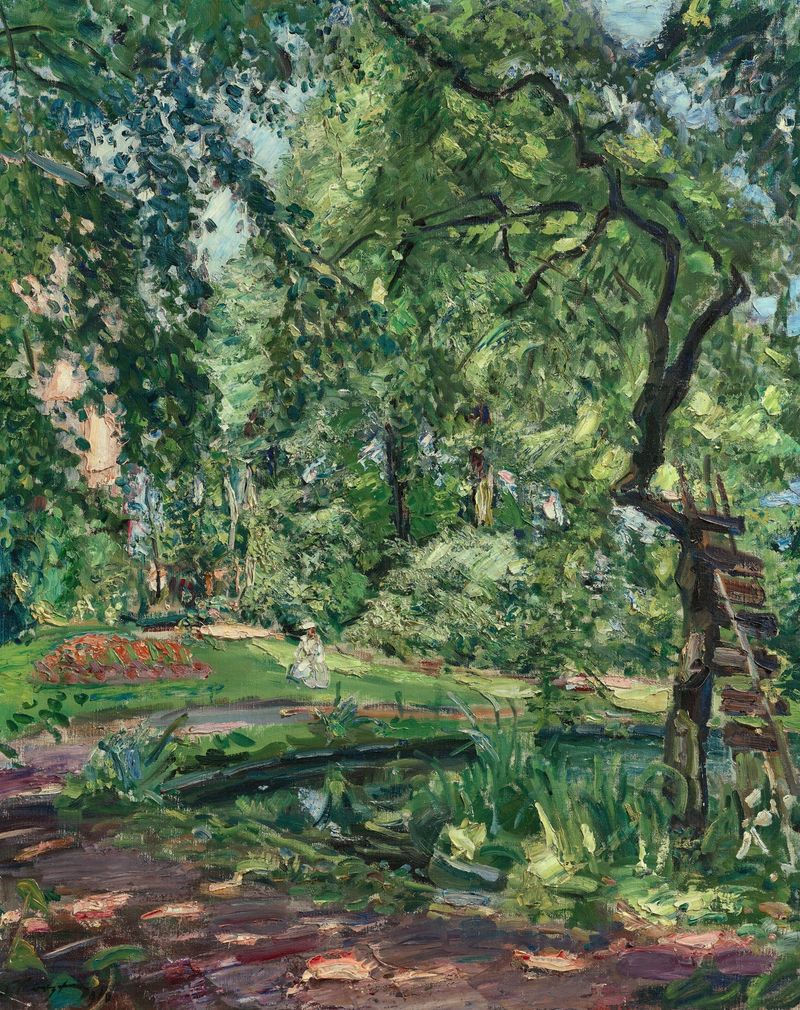
Garten in Godramstein mit verwachsenem Baum und Weiher
Max Slevogt
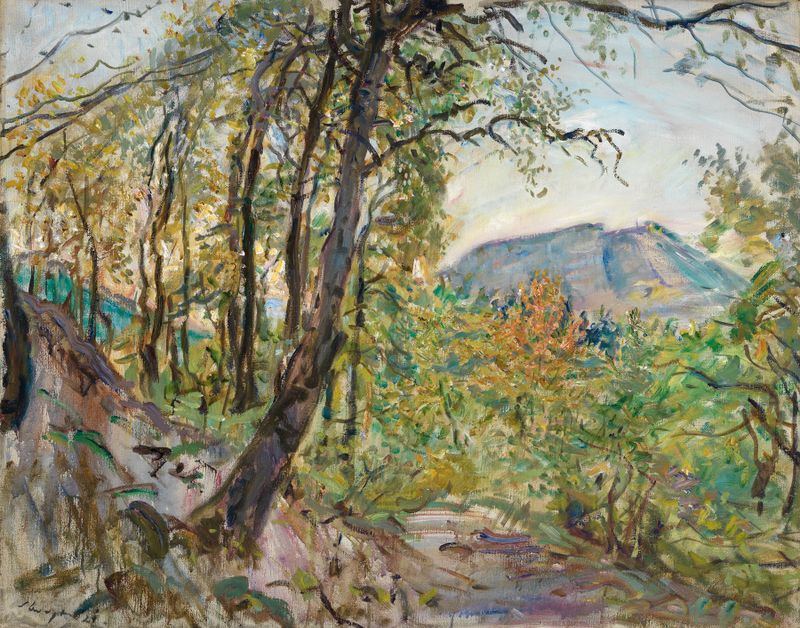
Pfälzische Landschaft
Max Slevogt
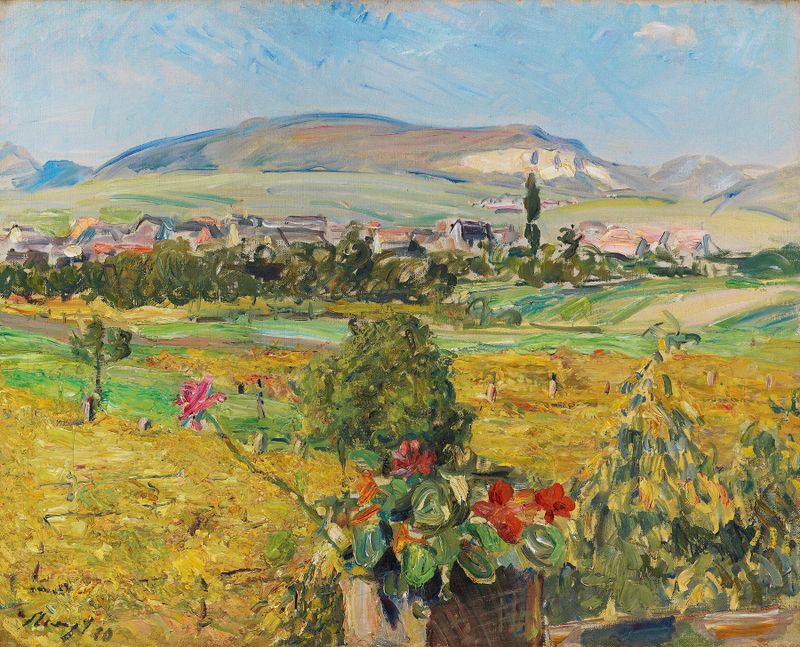
Pfälzer Landschaft
Max Slevogt

Kinder am Weiher (Garten in Godramstein)
Max Slevogt
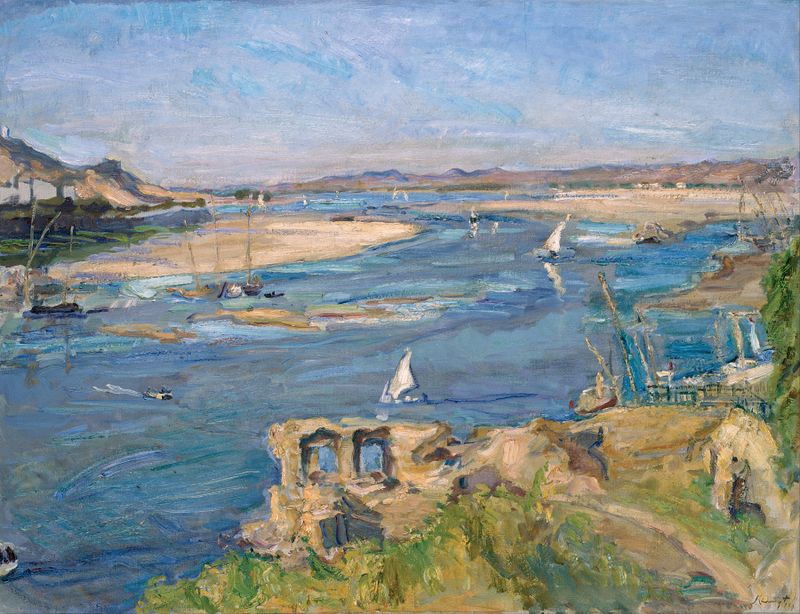
The Nile near Aswan
Max Slevogt
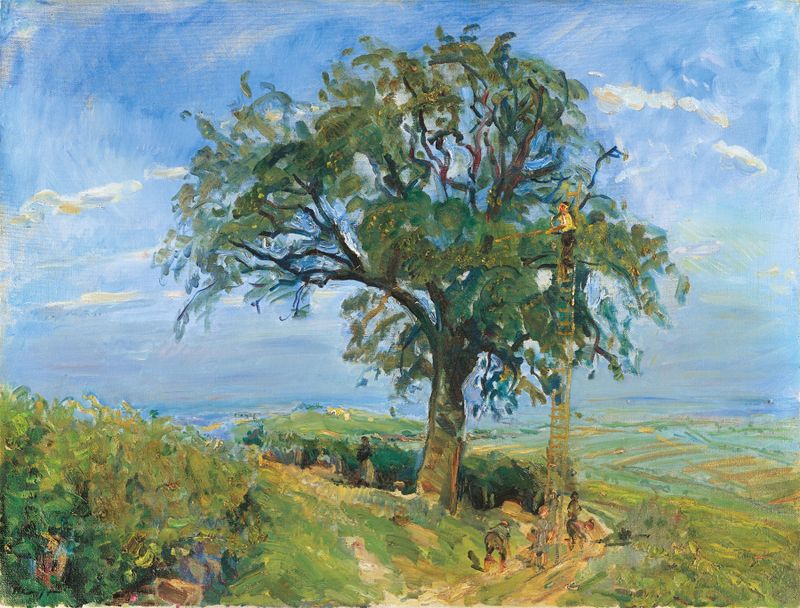
Fruit harvest in the Palatinate (The pear tree)
Max Slevogt
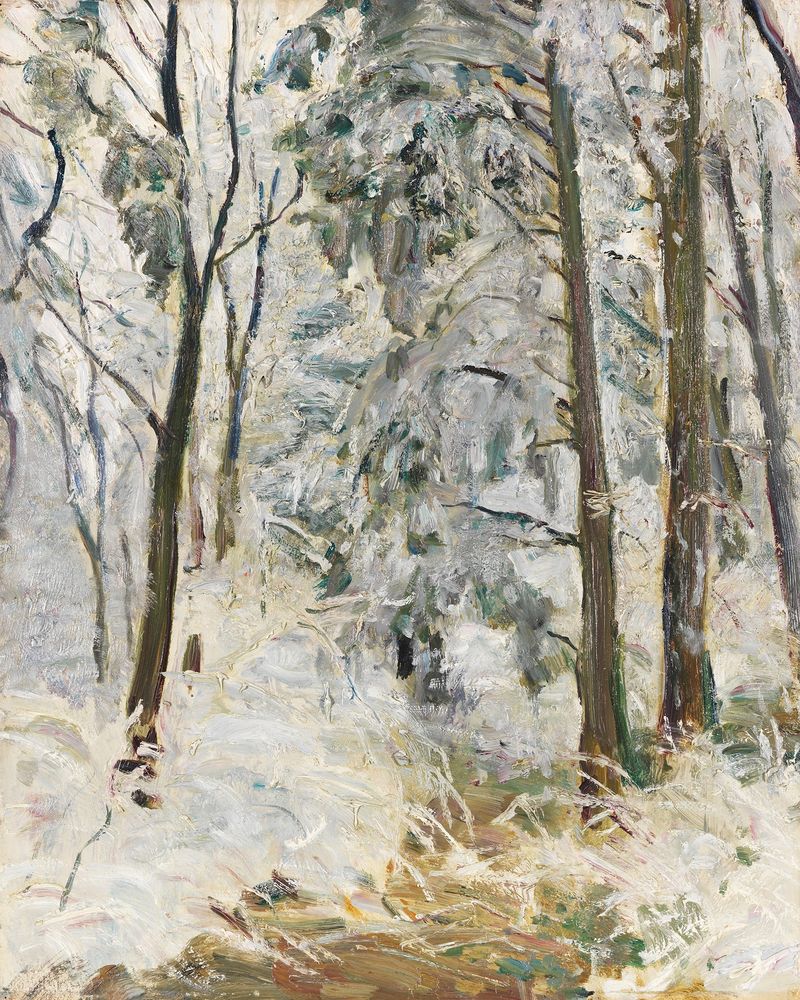
Verschneiter Waldweg
Max Slevogt
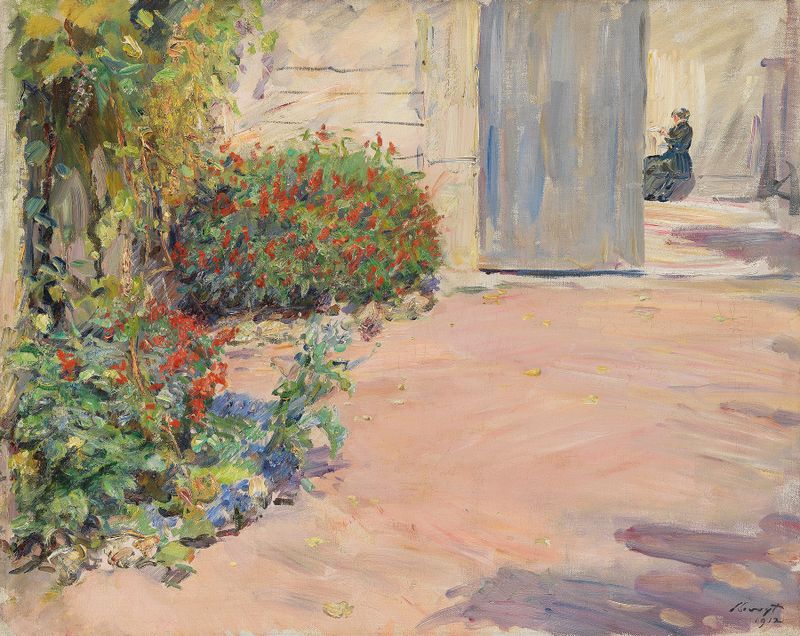
Gartenweg zum Sommerhaus (Godramstein)
Max Slevogt
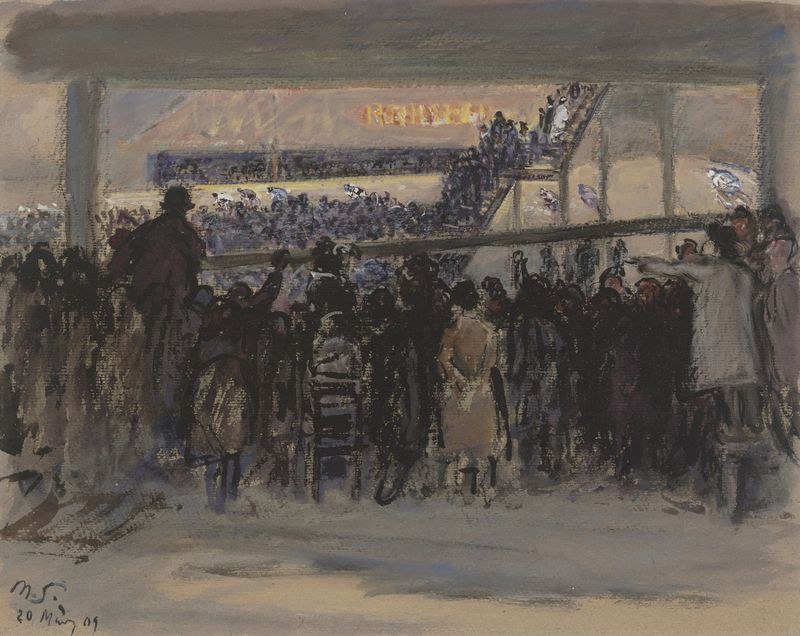
Berliner Sechstagerennen
Max Slevogt
Blossoming Lilac
Max Slevogt





