
Pfälzische Landschaft — History & Facts
In the hands of a master, nature transforms into an exquisite tapestry, each stroke breathing life into what once lay dormant. Look to the foreground, where a vibrant burst of greens and yellows draws the eye, suggesting the awakening of the earth after a long slumber. The winding paths guide us deeper into the landscape, almost inviting us to walk among the trees and fields, while swaths of blue sky peek through cloud-dappled horizons. The artist employs bold brushwork and a rich palette, enhancing the sensory experience and evoking a feeling of renewal that pulses with each layer of paint. Delve into the layers of this painting, where contrasts reveal deeper truths: the interplay between light and shadow mirrors the duality of life and death, suggesting the perpetual cycle of rebirth.
Hidden details, like the delicate wildflowers scattering the ground, symbolize resilience amidst the vastness of nature. Each element harmonizes with the others, creating a dialogue that speaks of hope and the promise of change. Max Slevogt painted Pfälzische Landschaft in 1921, amidst a post-war Germany grappling with unrest and transformation. It was a time when artists sought to reconnect with nature, exploring new perspectives and techniques in response to the shifting tides of society.
As he captured the beauty of the Palatinate landscape, Slevogt not only celebrated the physical world but also the emotional landscape of renewal that resonated deeply with his audience.
More Artworks by Max Slevogt
Browse all →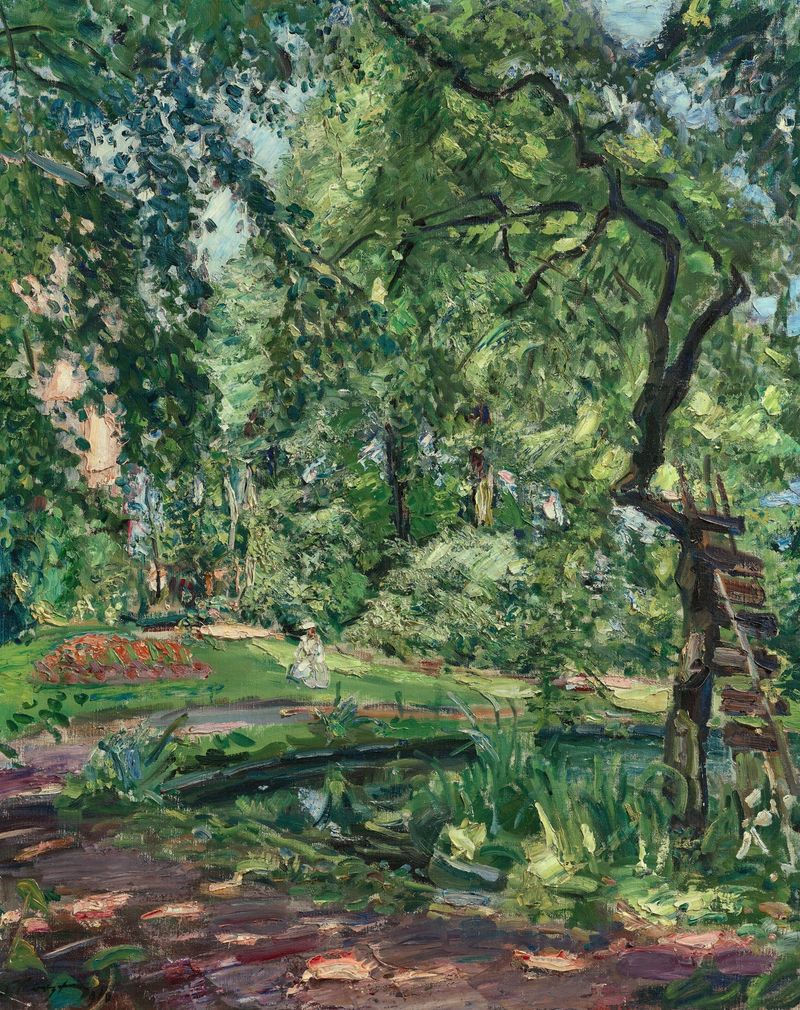
Garten in Godramstein mit verwachsenem Baum und Weiher
Max Slevogt
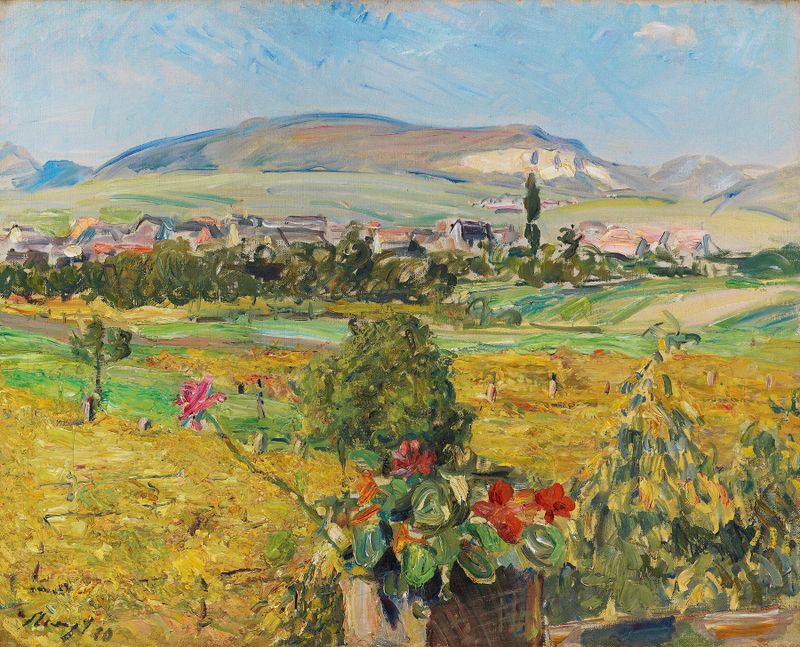
Pfälzer Landschaft
Max Slevogt

Kinder am Weiher (Garten in Godramstein)
Max Slevogt
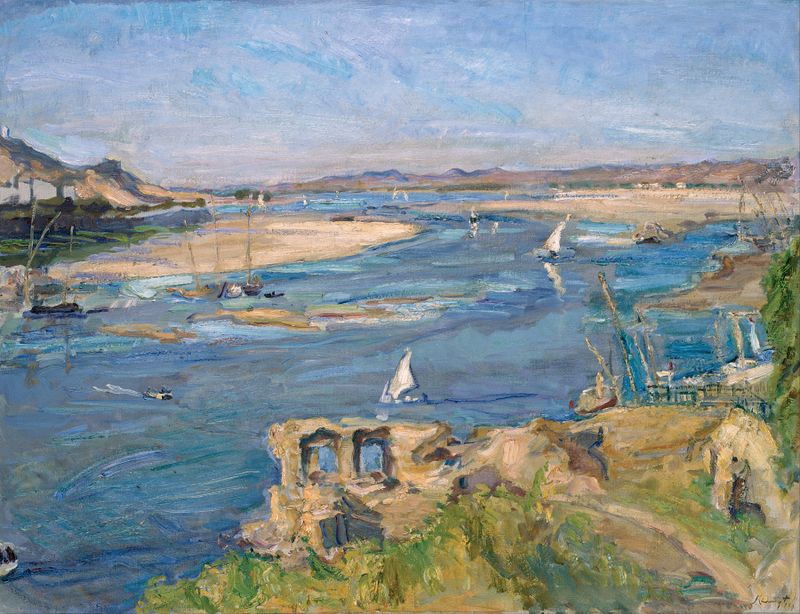
The Nile near Aswan
Max Slevogt
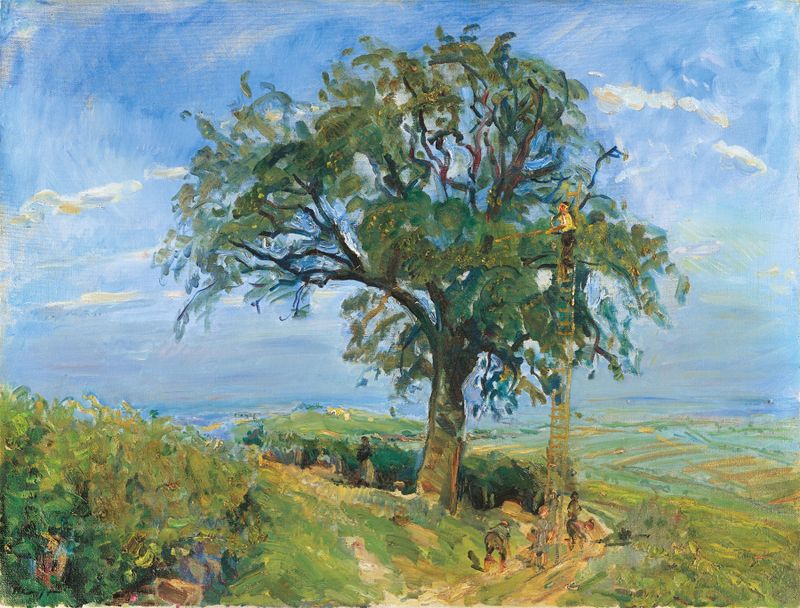
Fruit harvest in the Palatinate (The pear tree)
Max Slevogt
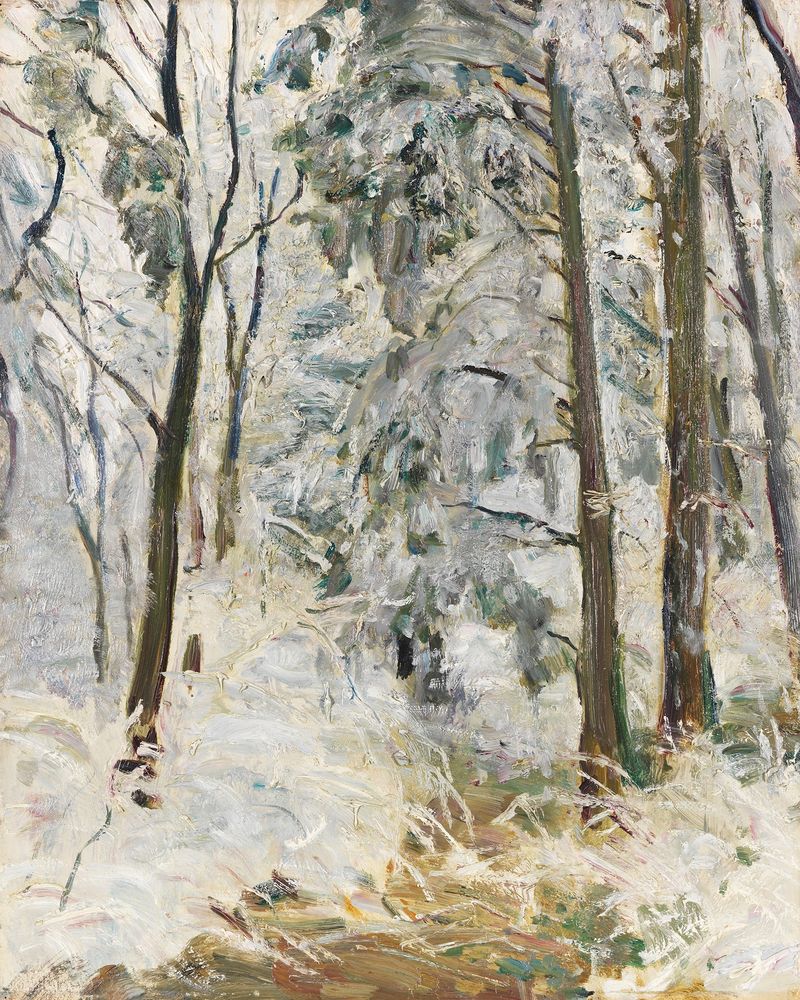
Verschneiter Waldweg
Max Slevogt
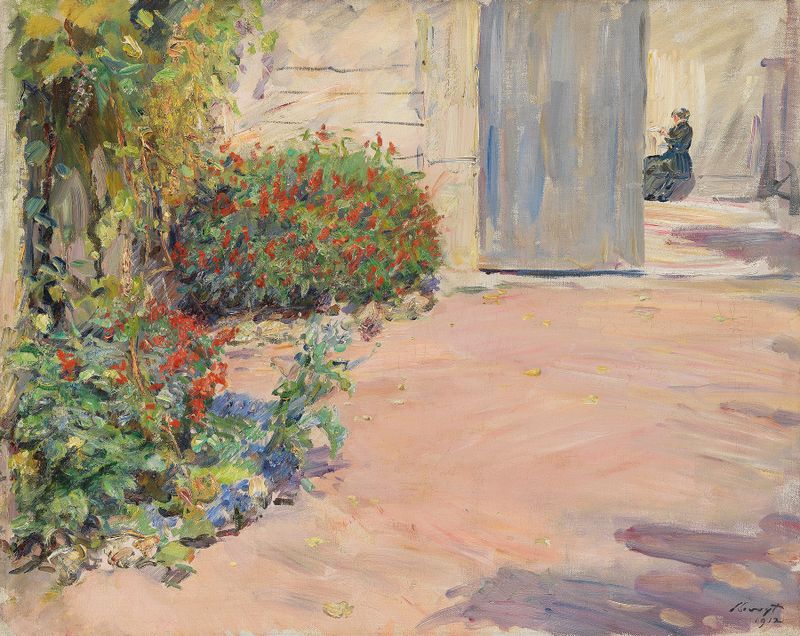
Gartenweg zum Sommerhaus (Godramstein)
Max Slevogt

Grape harvest at Neukastel
Max Slevogt
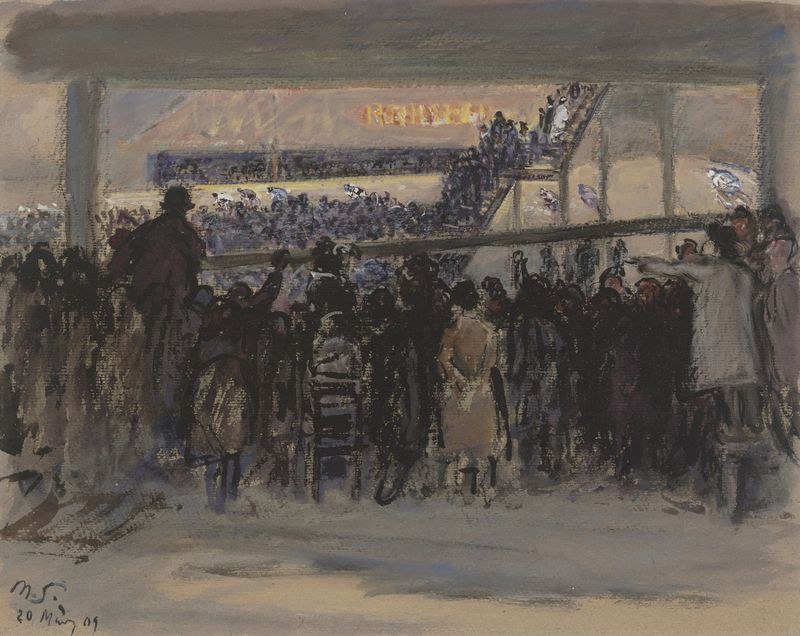
Berliner Sechstagerennen
Max Slevogt
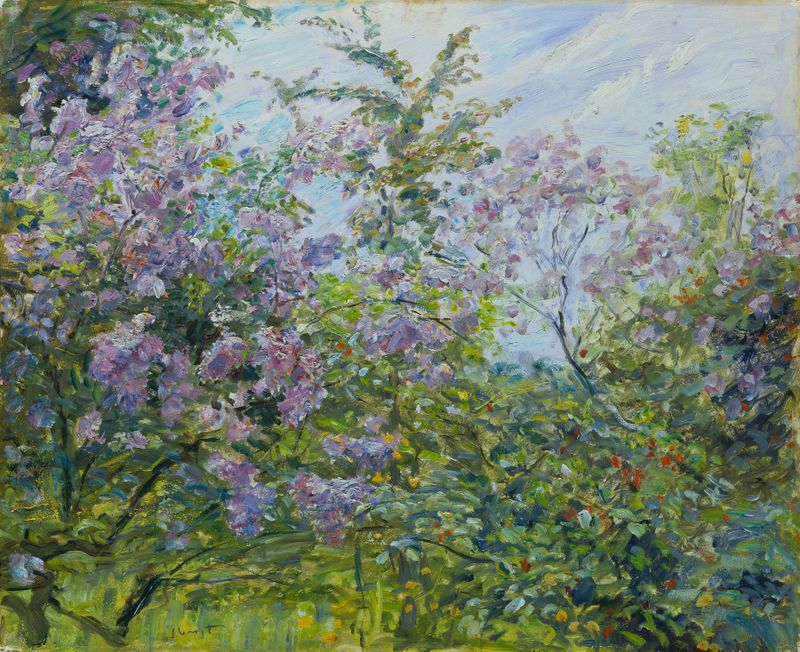
Blossoming Lilac
Max Slevogt





