
The Nile near Aswan — History & Facts
Could beauty survive in a century of chaos? Look to the soft, shimmering strokes of light that dance across the canvas, illuminating the tranquil waters of the Nile. Notice how the pigment merges, revealing clusters of vibrant greens and blues that breathe life into the scene. The gentle interplay of shadows and highlights guides your gaze, creating an ethereal quality that invites you to linger.
The horizon bends softly, suggesting both the vastness of nature and the intimacy of a moment frozen in time. Beneath the surface, there is a tension between tranquility and the tumult of life. The river, a symbol of continuity, flows effortlessly, yet its banks are alive with whispers of a world in transition. The lush vegetation stands as a testament to resilience, its vivid hues juxtaposed against the subdued palette of the sky.
Each brushstroke tells a story of beauty clinging to existence amidst uncertainty, challenging the viewer to reflect on the fragile balance between harmony and upheaval. When Slevogt created this work, he was immersed in a world reshaped by the political turbulence of his time, yet he chose to capture a quiet corner of nature. Painted in the early 20th century, his focus on light and color reflects his desire to convey not just the physical landscape, but the emotional undercurrents that define it. At that moment, artists were exploring new expressions, seeking to break free from traditional constraints while still finding solace in the natural world.
More Artworks by Max Slevogt
Browse all →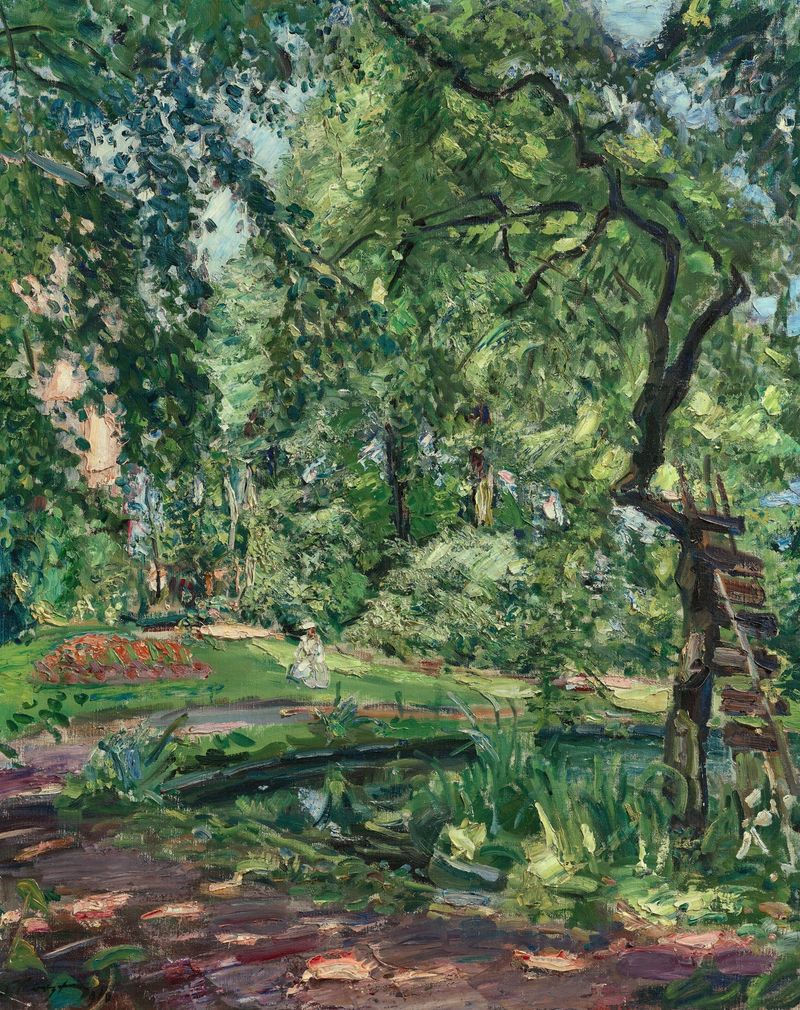
Garten in Godramstein mit verwachsenem Baum und Weiher
Max Slevogt
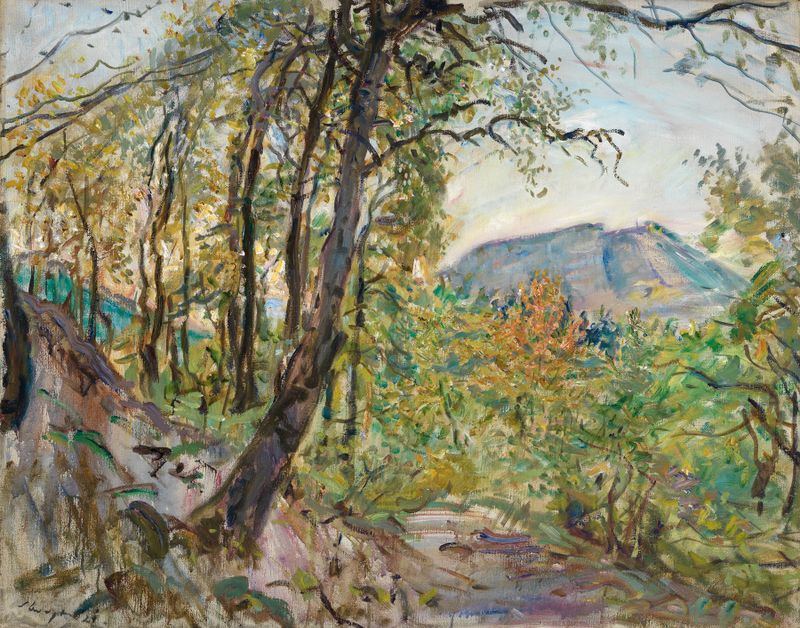
Pfälzische Landschaft
Max Slevogt
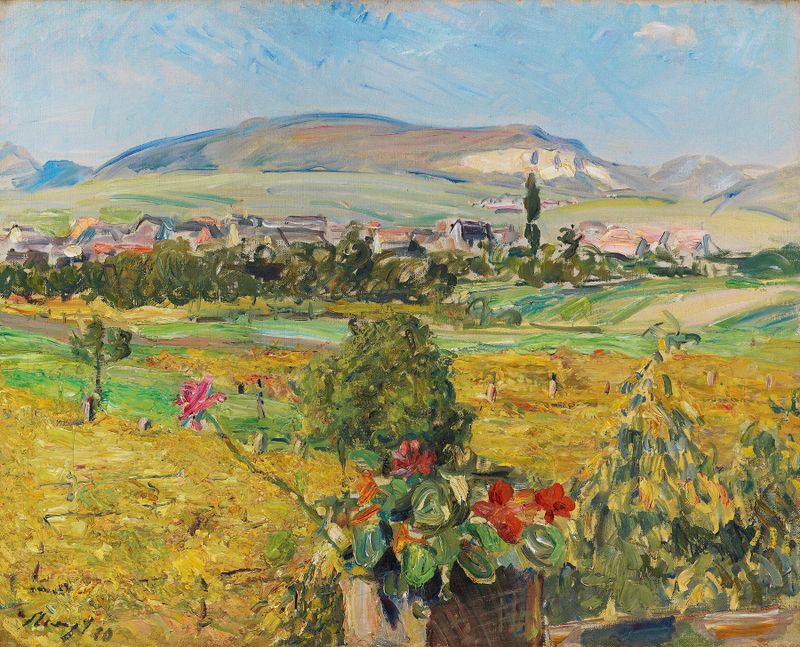
Pfälzer Landschaft
Max Slevogt

Kinder am Weiher (Garten in Godramstein)
Max Slevogt
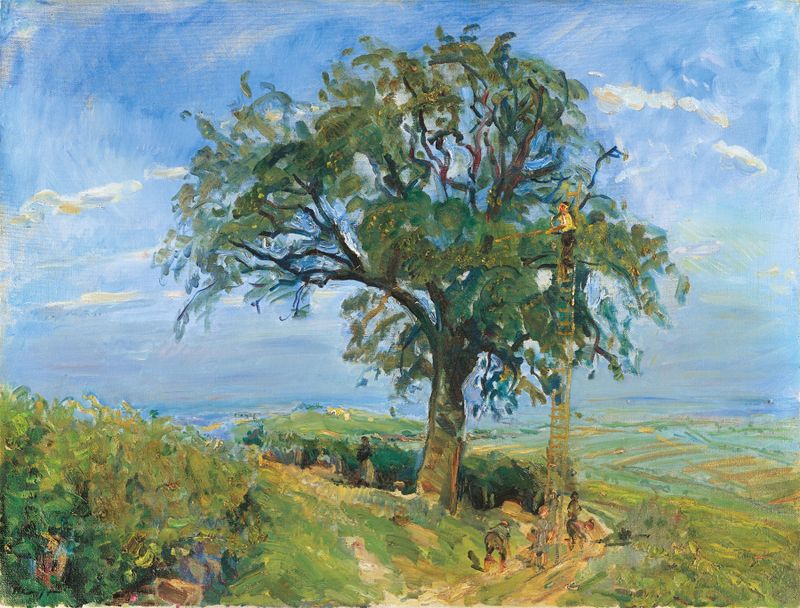
Fruit harvest in the Palatinate (The pear tree)
Max Slevogt
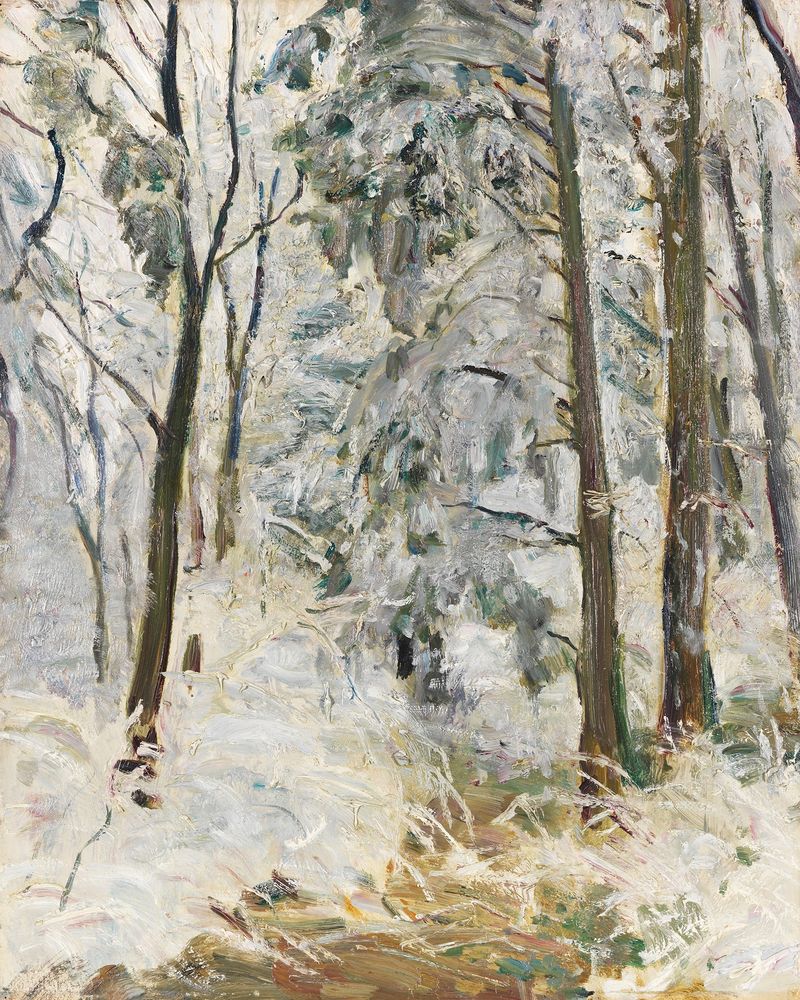
Verschneiter Waldweg
Max Slevogt
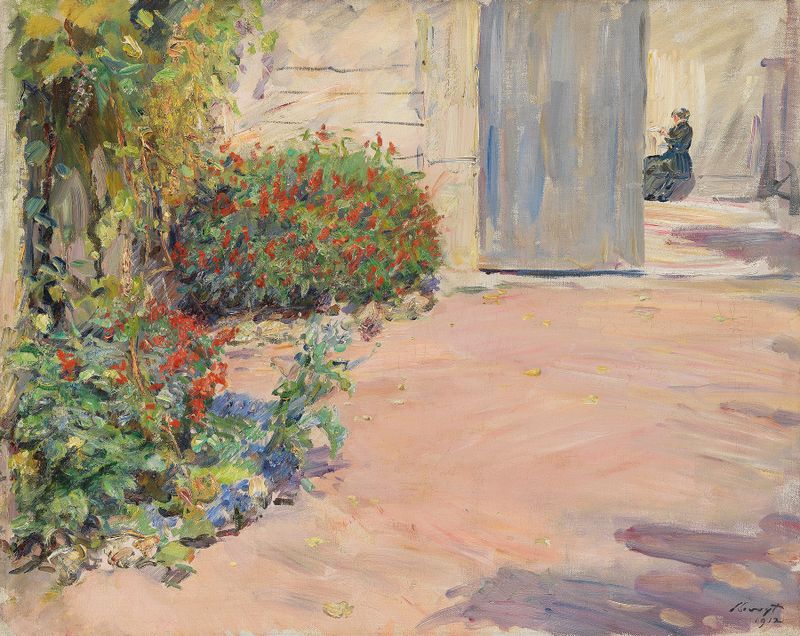
Gartenweg zum Sommerhaus (Godramstein)
Max Slevogt

Grape harvest at Neukastel
Max Slevogt
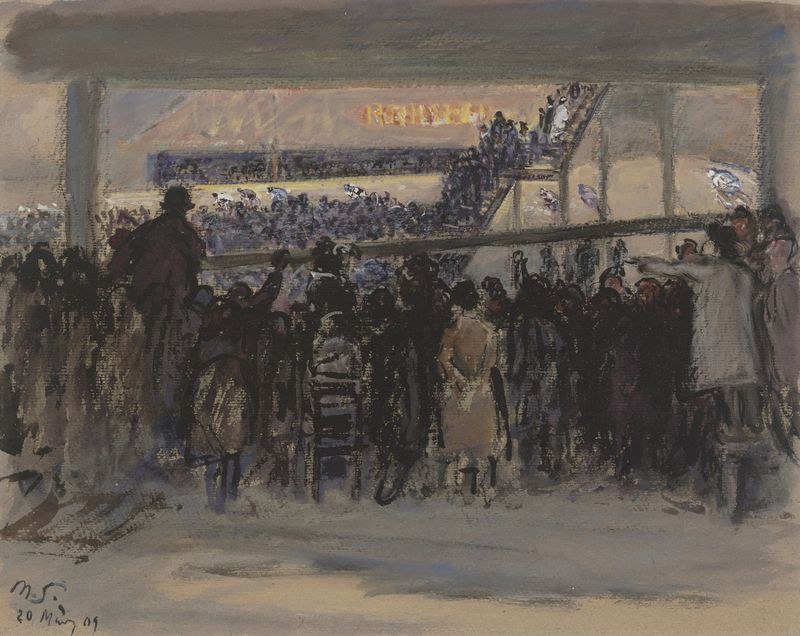
Berliner Sechstagerennen
Max Slevogt
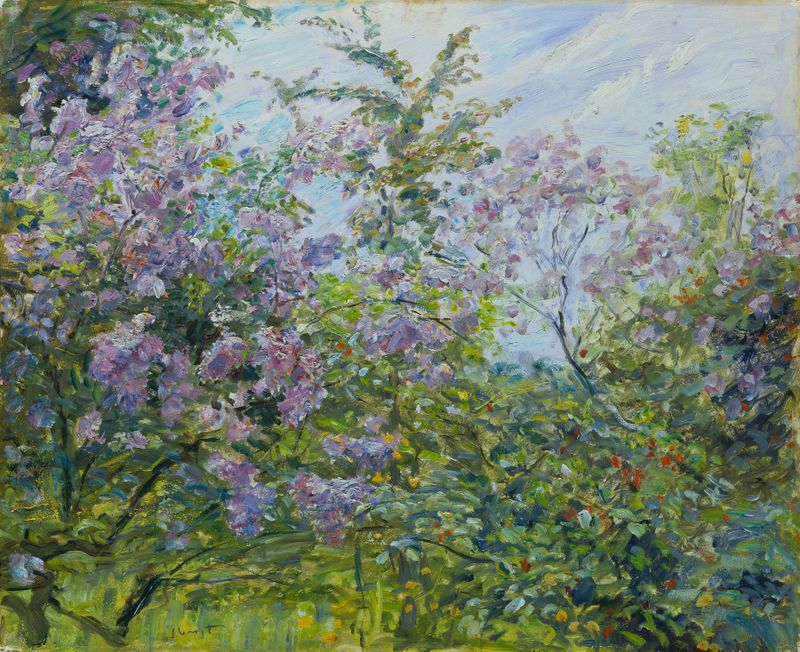
Blossoming Lilac
Max Slevogt





