
Bertholo — History & Facts
It holds secrets, whispering through the darkness and light, inviting the viewer to explore the tension between what is seen and what is concealed. Focus on the shadows that envelop the edges of the canvas, drawing your gaze inward. Notice how they cradle the central figure, a solitary presence caught in a moment of reflection. The subdued color palette of earthy browns and muted greens creates an atmosphere that feels both intimate and otherworldly, as if the viewer has stumbled upon a quiet sanctuary.
The interplay of light and shadow not only highlights the contours of the subject but also imbues the scene with an emotional weight, compelling you to contemplate the hidden layers of existence. Within this work lies an exploration of isolation and introspection. The shadows suggest both protection and confinement, hinting at an internal struggle that resonates universally. The figure’s posture, slightly hunched, evokes a sense of vulnerability against the looming darkness—an embodiment of human frailty.
In contrast, the soft light that illuminates the figure's features speaks of hope and resilience, inviting an intimate dialogue between despair and possibility. During the years 1840 to 1844, the artist found himself amid a transformative era in Germany's art scene, grappling with the nuances of Romanticism and emerging Realism. This period was marked by a burgeoning interest in psychological depth and emotional sincerity. Wagner’s work reflects this shift, as he sought to capture not only the external world but also the internal landscapes of the human psyche, forever altering the course of his artistic journey.
More Artworks by Johann Friedrich Wagner
Browse all →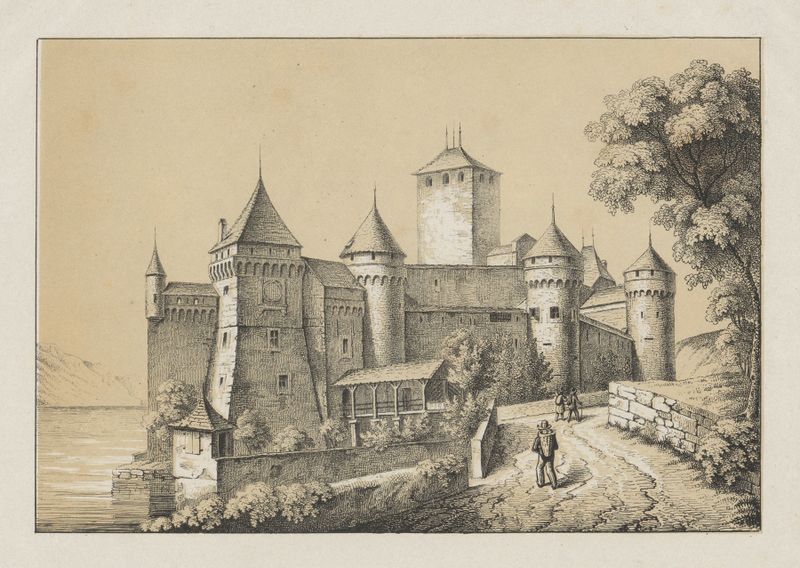
Chillon
Johann Friedrich Wagner

Valangin
Johann Friedrich Wagner
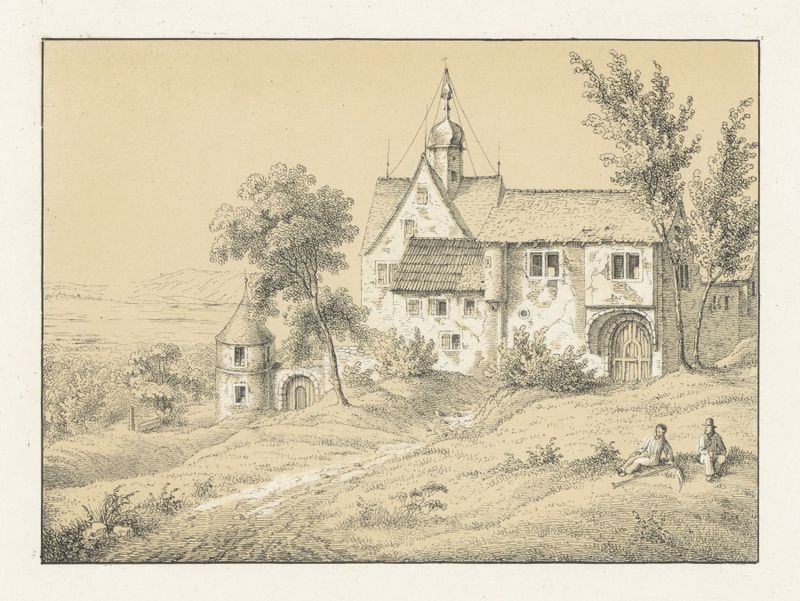
Greifenstein
Johann Friedrich Wagner

Vorburg
Johann Friedrich Wagner
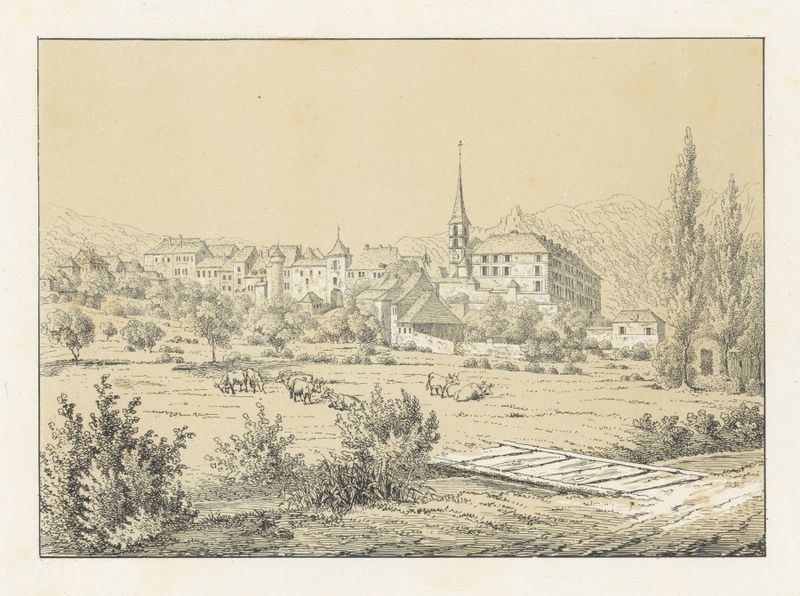
Delémont
Johann Friedrich Wagner

Pleujouse
Johann Friedrich Wagner

Challay
Johann Friedrich Wagner
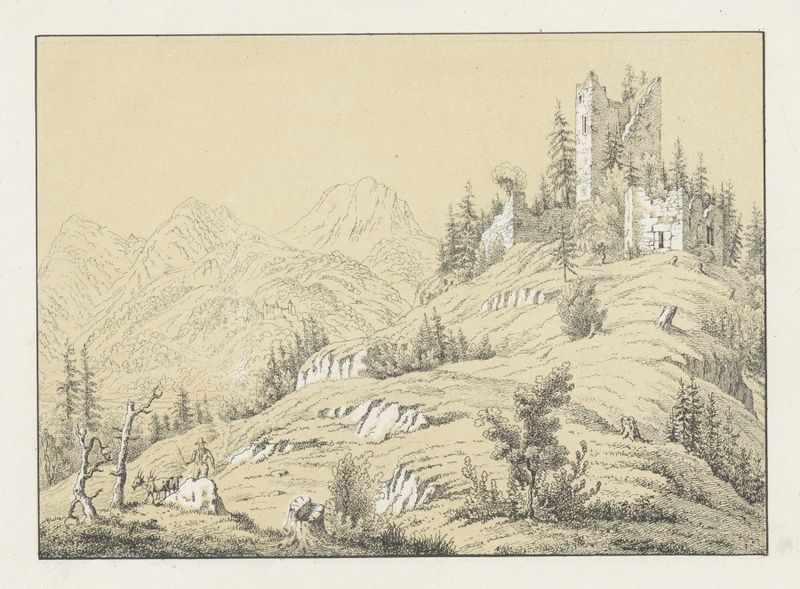
Mont Salvant
Johann Friedrich Wagner
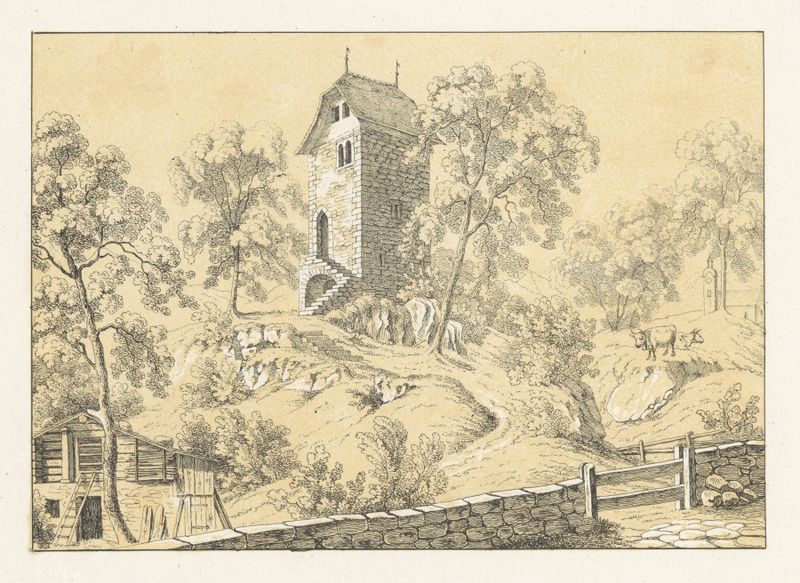
Aha. Od. Untere Burg von Sarnen
Johann Friedrich Wagner
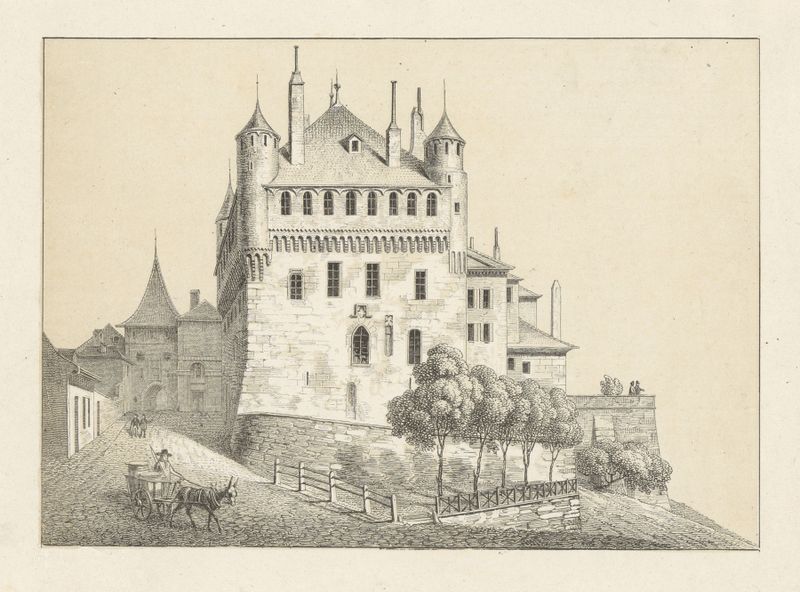
Lausanne
Johann Friedrich Wagner





