
Bespotting van Christus — History & Facts
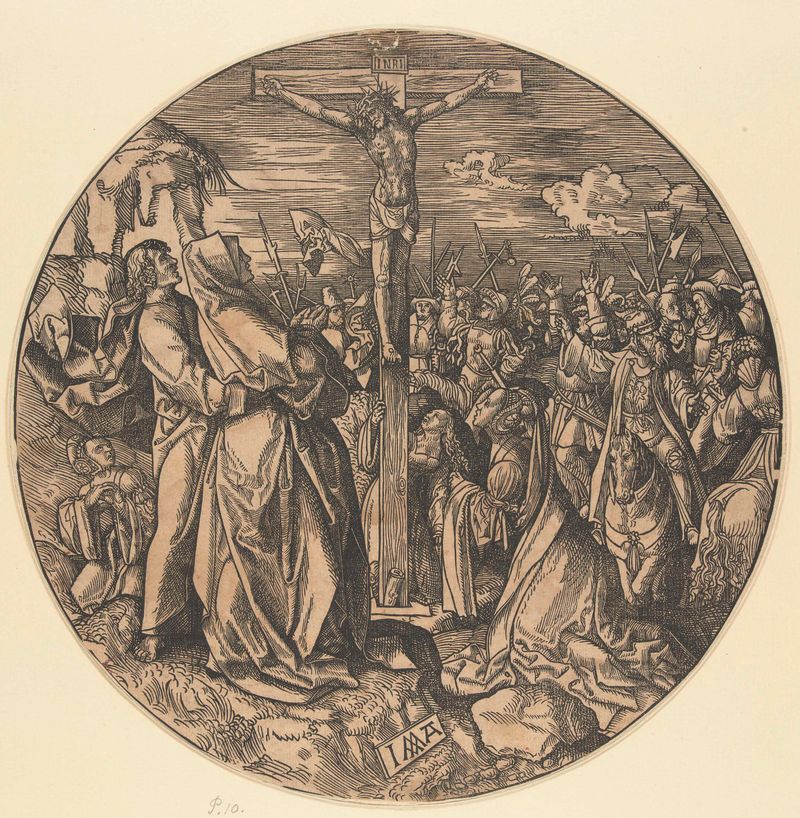
The weight of unspoken truths hangs heavily in the air, a palpable tension that vibrates like a taut string. Each figure in the composition is locked in a shared moment of despair, a stillness marred by the violence of a narrative untold. Here, the profound quietude contrasts starkly with the implications of the scene, illustrating the aftermath of conflict—a silent acknowledgment of suffering. Look to the center of the canvas, where Christ’s figure is poised, his expression a haunting blend of resignation and pain.
The meticulous detailing of fabrics and skin tones draws you in, suggesting a weighty realism that resonates with the viewer. Notice how the light gently caresses the stark shadows, creating depth and emphasizing the emotional gravity etched across each face surrounding him. The artist’s use of color—dark, muted tones punctuated by the occasional glint of gold—invites contemplation on the duality of suffering and divinity. The tension between innocence and brutality emerges through subtle elements; the anguished faces of the onlookers serve as mirrors reflecting their internal turmoil.
Each gesture—a hand raised in shock, a face turned in mourning—reveals layers of grief that transcend the visual narrative. The composition serves as a reminder of the violence that permeates human existence, even in moments of sacred significance, calling into question the very nature of faith amidst suffering. Painted in the early 16th century, during a time of significant religious upheaval and artistic exploration, this work reflects the complex intersection of faith and humanity. Jacob Cornelisz van Oostsanen embraced the emerging Northern Renaissance, where artists began to infuse deeply human emotions into biblical stories.
His approach not only captured the timeless struggle of the divine but also mirrored the socio-political landscape rife with conflict and change that characterized his era.
More Artworks by Jacob Cornelisz van Oostsanen
Browse all →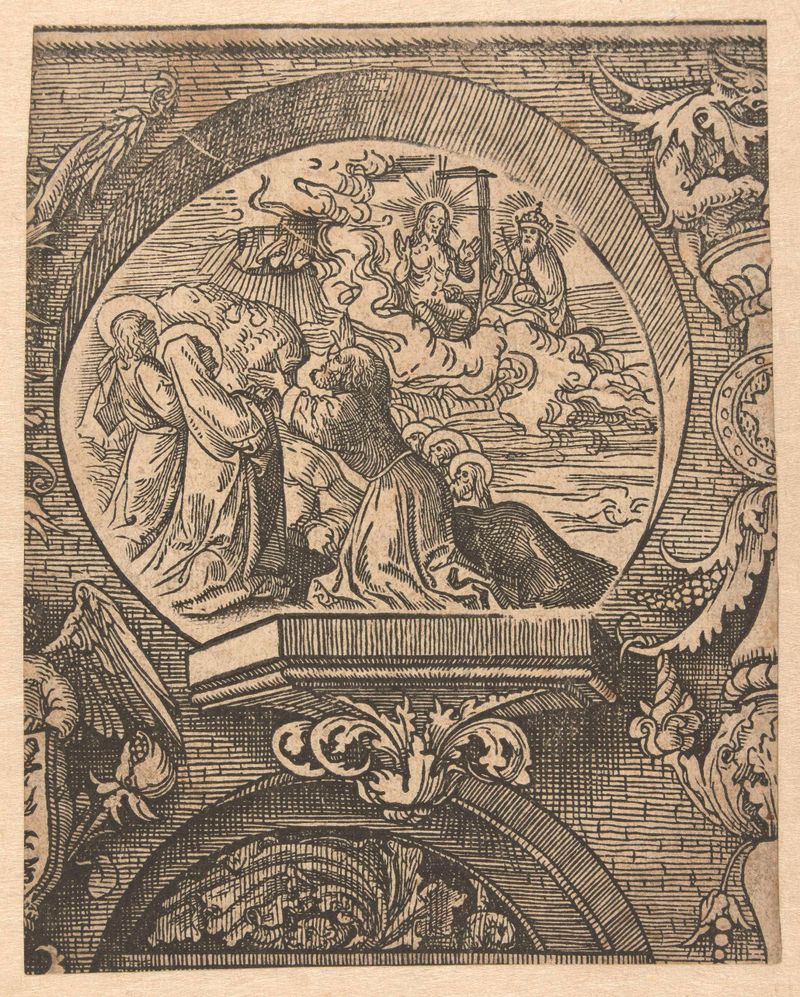
De hemelvaart en Christus voor God de Vader
Jacob Cornelisz van Oostsanen
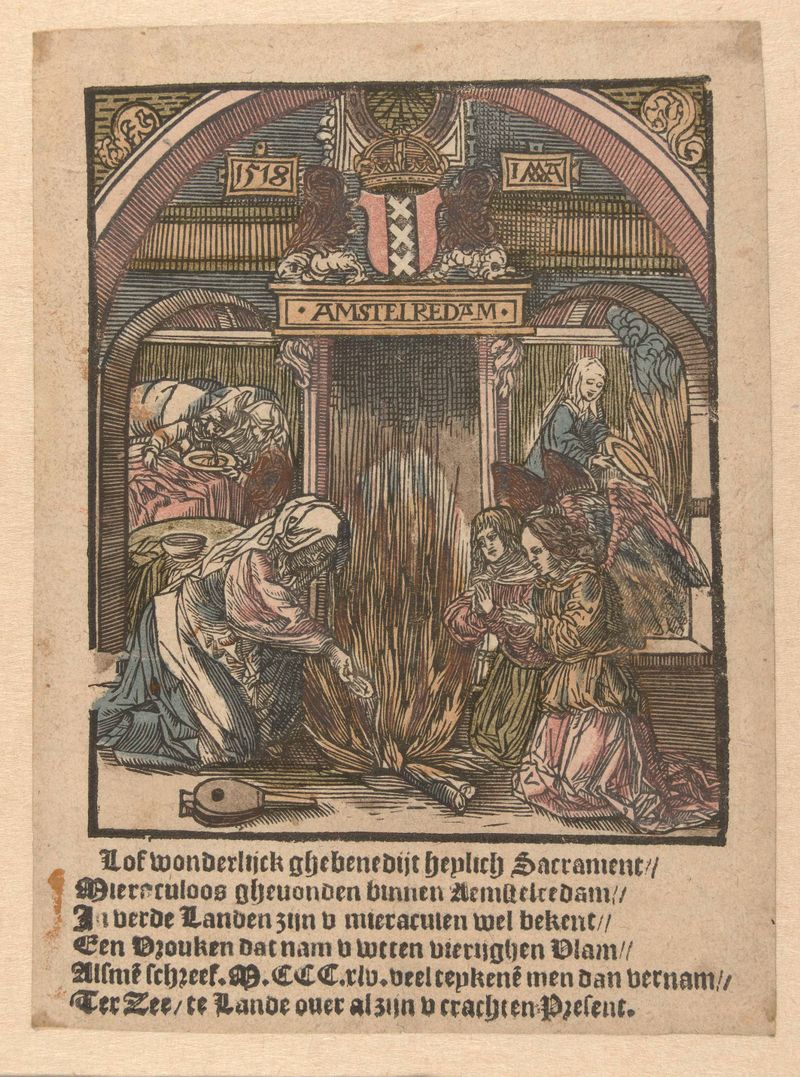
Het hostiewonder van Amsterdam
Jacob Cornelisz van Oostsanen
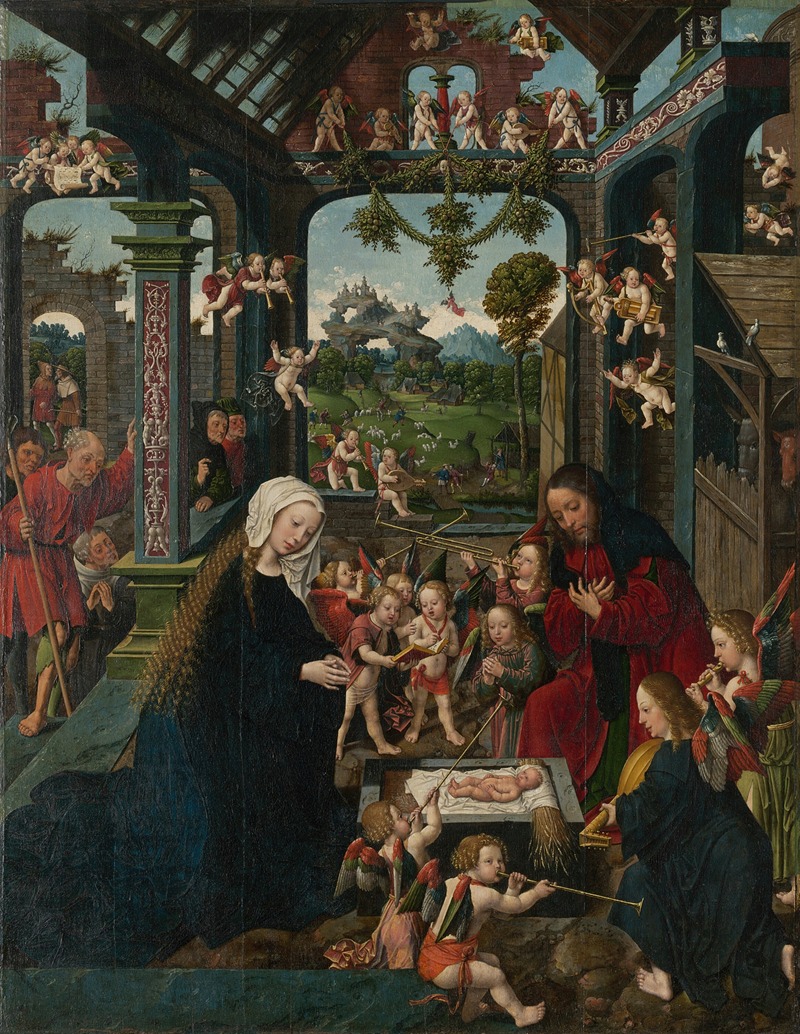
The Adoration of the Christ Child
Jacob Cornelisz van Oostsanen
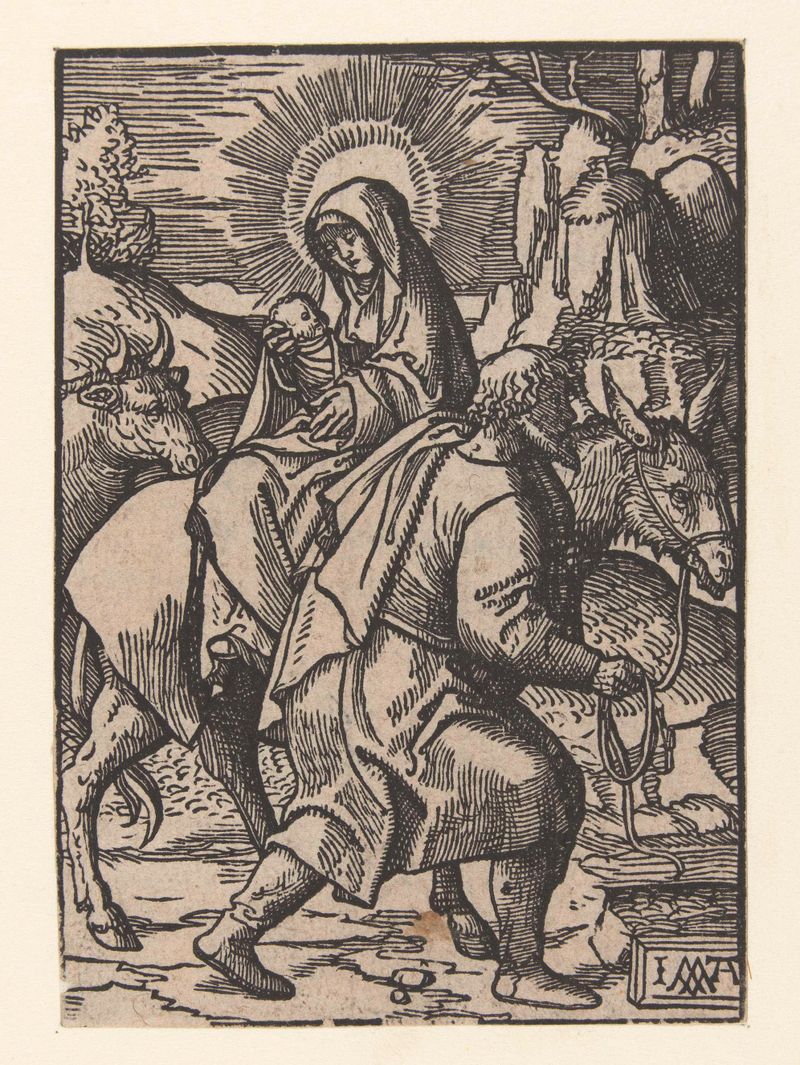
Vlucht naar Egypte
Jacob Cornelisz van Oostsanen
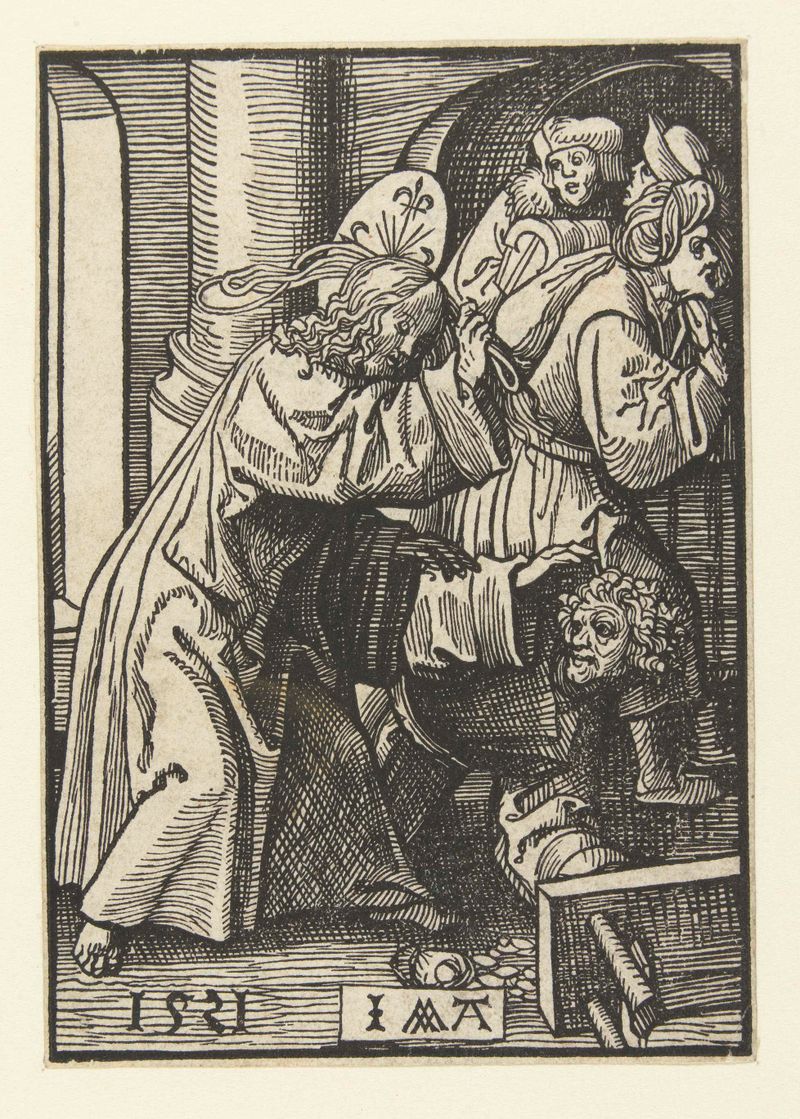
Verdrijving van de handelaren uit de tempel
Jacob Cornelisz van Oostsanen
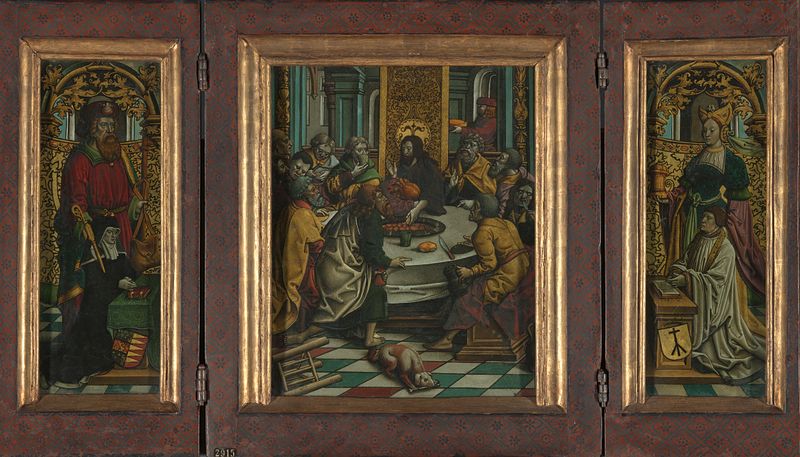
Triptych with the Last Supper and Donors
Jacob Cornelisz van Oostsanen
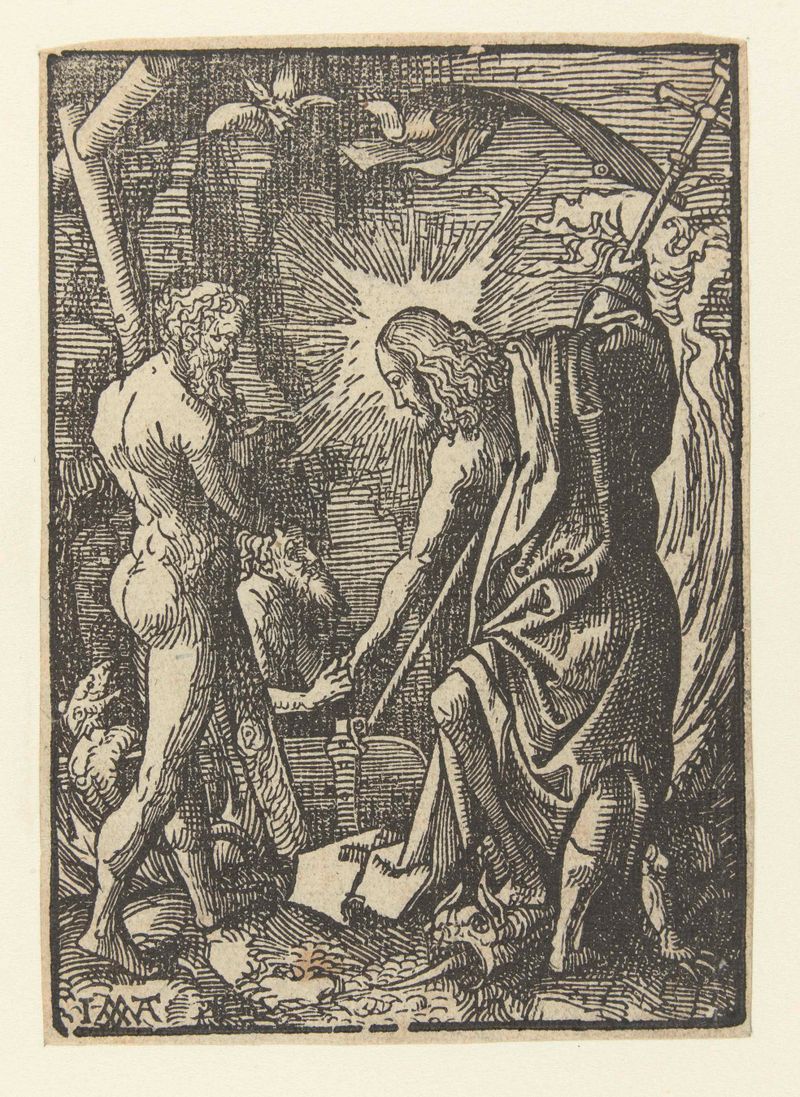
Christus in het voorgeborchte
Jacob Cornelisz van Oostsanen
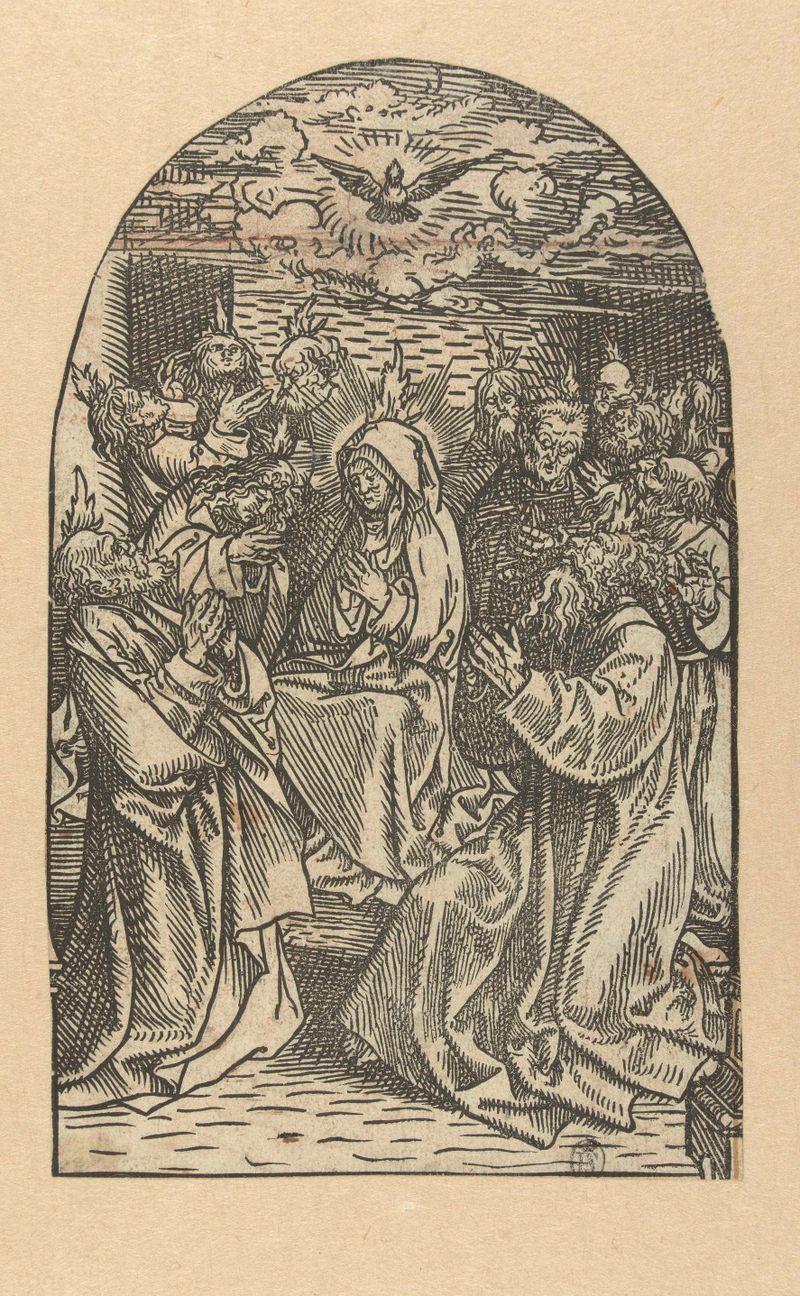
Uitstorting van de Heilige Geest
Jacob Cornelisz van Oostsanen
Christus aan het kruis
Jacob Cornelisz van Oostsanen

De kruisiging en de graflegging van Christus
Jacob Cornelisz van Oostsanen
More Religious Art
Browse all →
The Return of the Prodigal Son
Rembrandt van Rijn

The Garden of Earthly Delights
El Bosco

Count Orgaz’ funeral
El Greco

The Hundred Guilder Print: the central piece with Christ preaching, the plate arched
Rembrandt van Rijn

The Descent from the Cross
Rogier van der Weyden

The return of the prodigal son
Rembrandt van Rijn