
Bespotting van Christus, van Noach en van Elisa — History & Facts
In Bespotting van Christus, van Noach en van Elisa, the tension of rebirth is palpable, woven into the very fabric of the composition. Each figure embodies a narrative of renewal, offering viewers a glimpse into a world where the sacred and the ordinary converge. Look to the center of the canvas, where the figures of Christ, Noah, and Elisha stand in poised resonance. The artist’s meticulous brushwork captures the fine details of their garments, with rich hues of red and deep blues contrasting against the ethereal background.
Notice how the light spills from above, illuminating their faces, drawing your gaze to the serene expressions that suggest both wisdom and compassion. The careful arrangement of bodies suggests a dialogue, as if these figures are engaged in a timeless conversation, binding past, present, and future. Delve deeper into the symbolism nestled within the artwork. The overlapping stories of divine intervention and human resilience reveal an emotional tension between despair and hope.
The careful placement of natural elements, such as branches and gentle waves, speaks to the cycles of life — the promise of rebirth inherent within the chaotic beauty of existence. Each detail, from the delicate colors to the subtle gestures, reinforces the overarching theme of transformation and faith. Jacob Cornelisz van Oostsanen created this piece between 1525 and 1530, during a time when the Northern Renaissance was in full bloom. Working in Amsterdam, he was influenced by both the burgeoning humanist ideals and the renewed interest in biblical themes.
The artwork reflects not only personal convictions but also the broader cultural shifts that sought to explore the relationship between humanity and the divine, marking a significant moment in the evolution of early 16th-century art.
More Artworks by Jacob Cornelisz van Oostsanen
Browse all →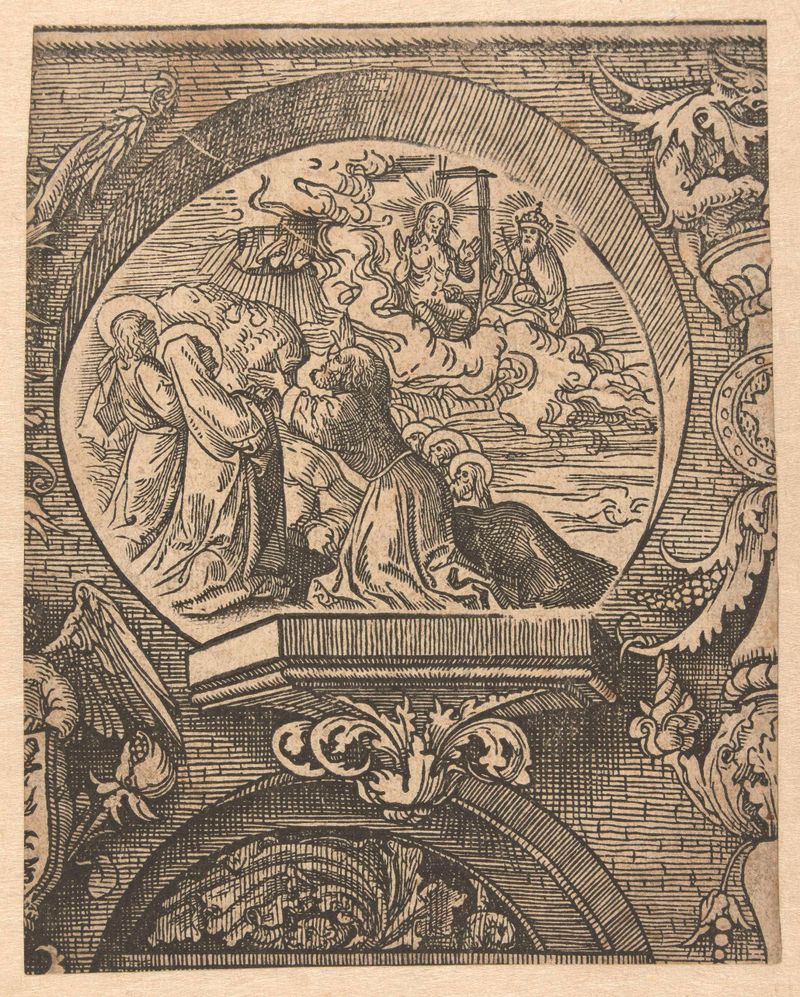
De hemelvaart en Christus voor God de Vader
Jacob Cornelisz van Oostsanen
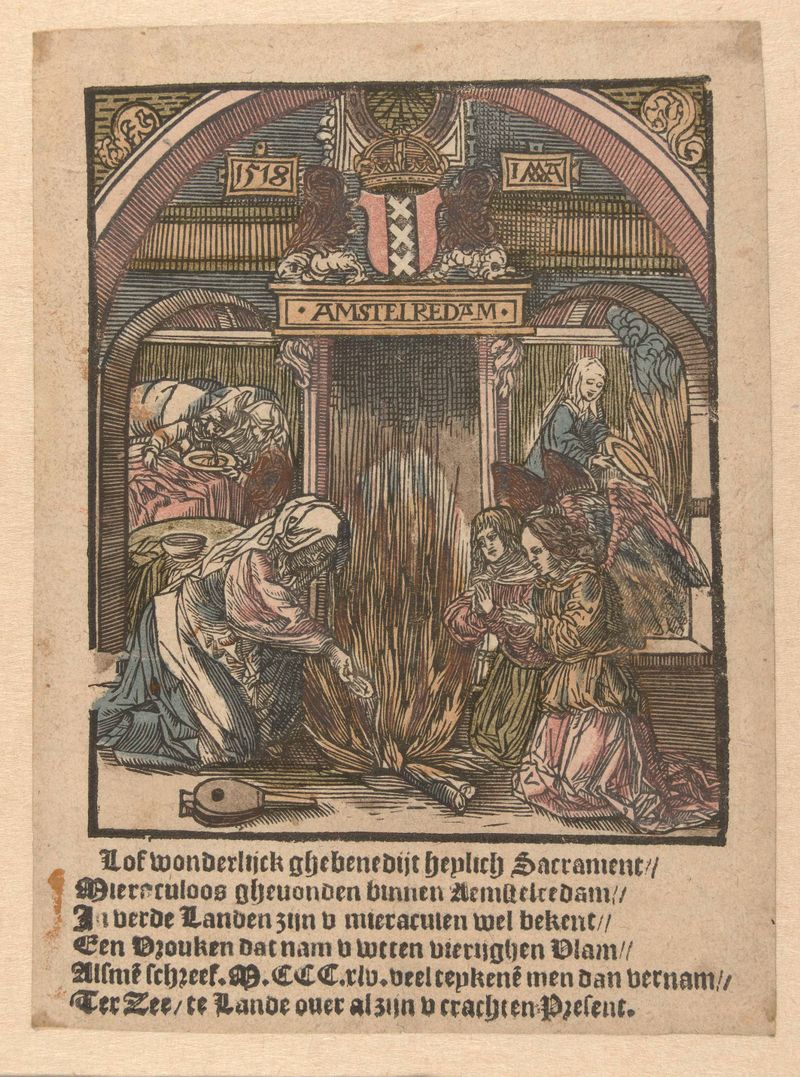
Het hostiewonder van Amsterdam
Jacob Cornelisz van Oostsanen
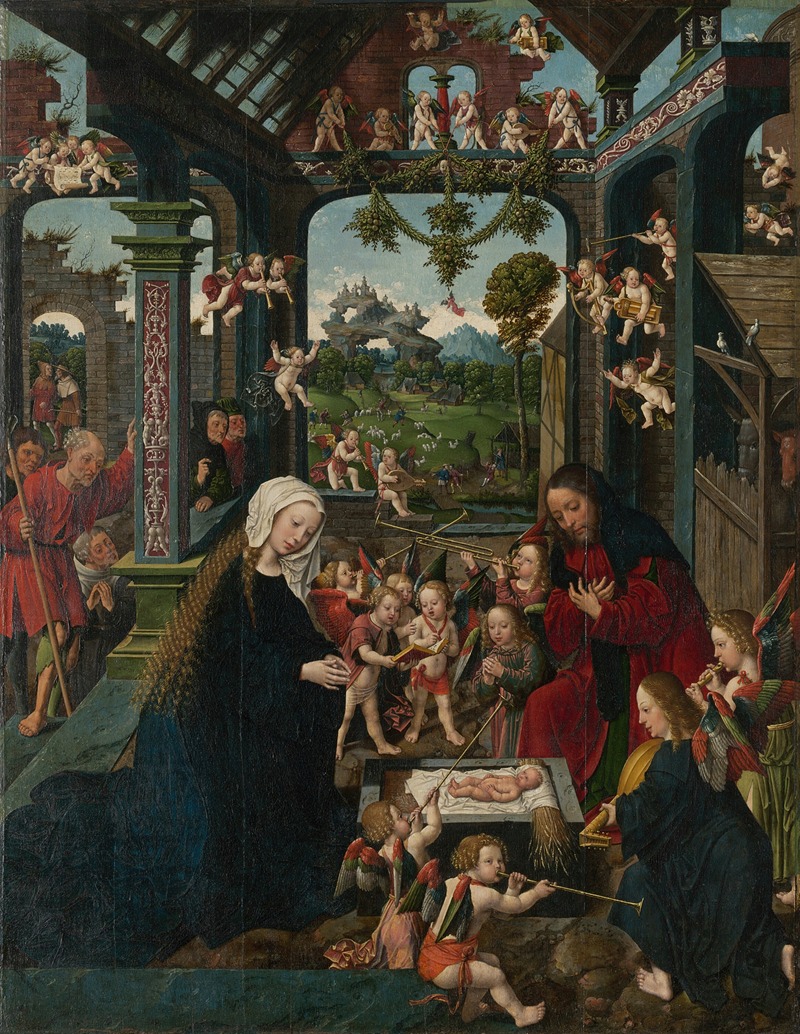
The Adoration of the Christ Child
Jacob Cornelisz van Oostsanen
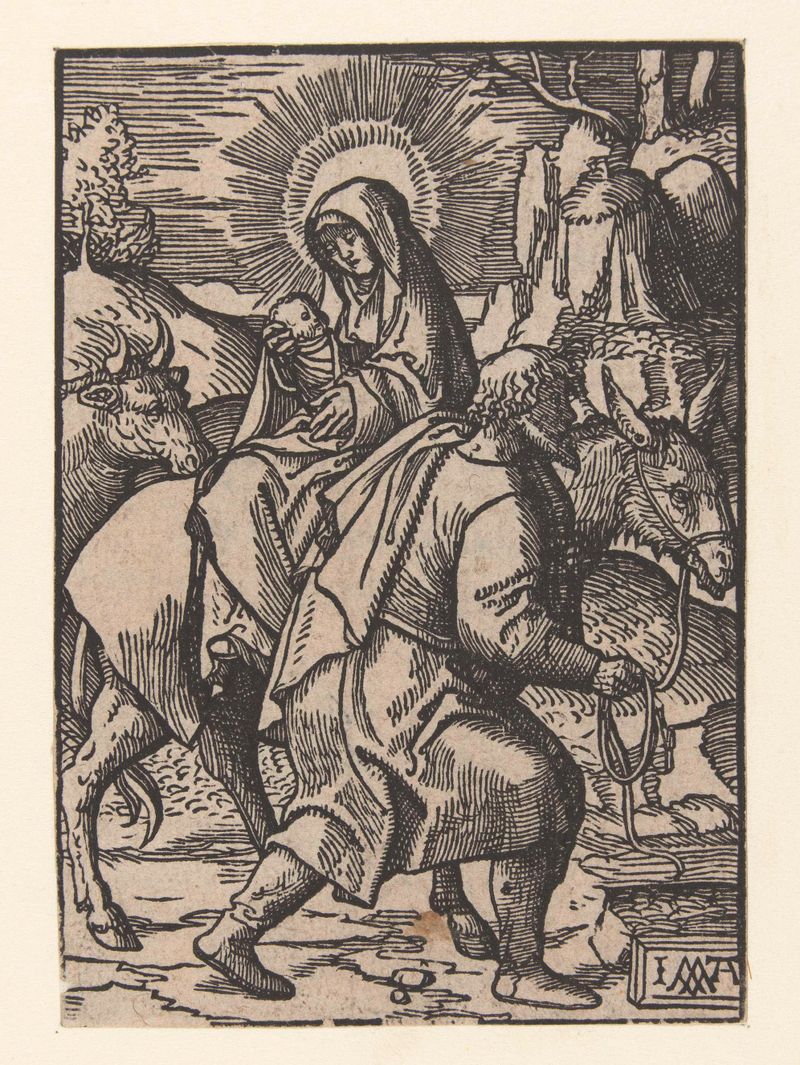
Vlucht naar Egypte
Jacob Cornelisz van Oostsanen
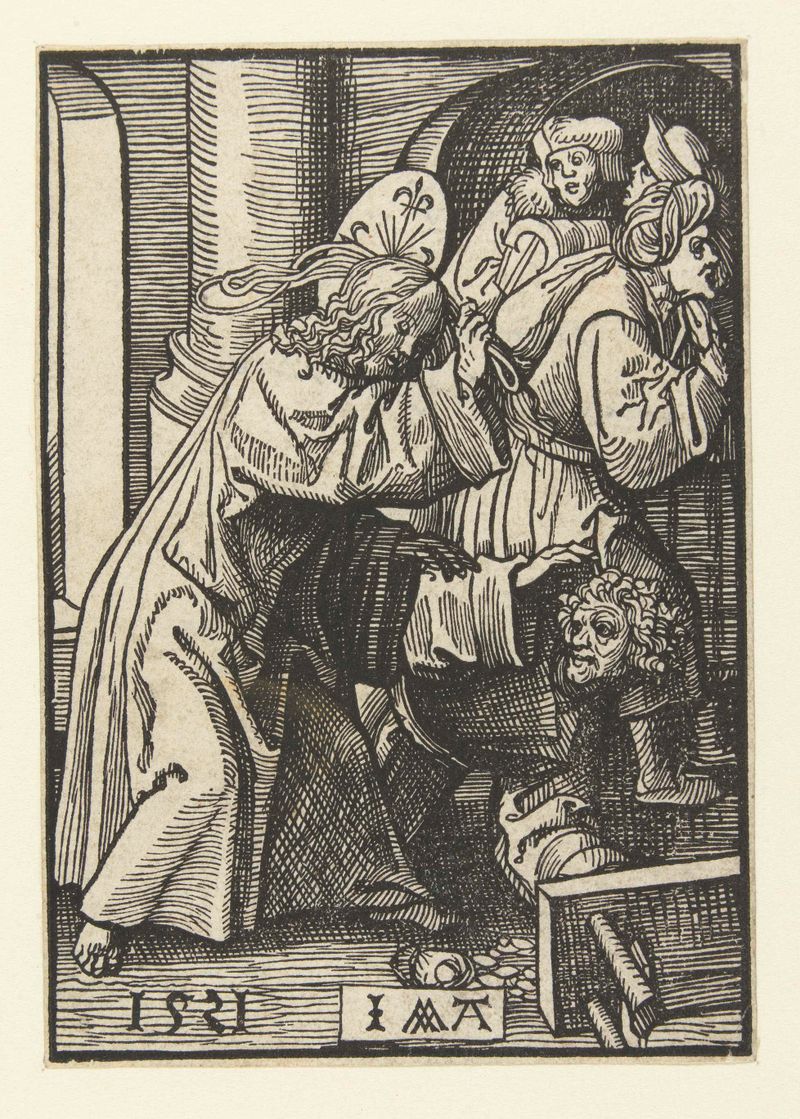
Verdrijving van de handelaren uit de tempel
Jacob Cornelisz van Oostsanen
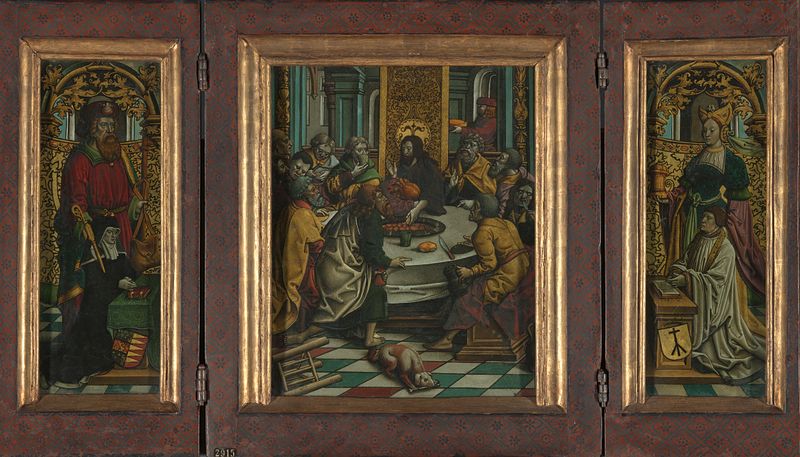
Triptych with the Last Supper and Donors
Jacob Cornelisz van Oostsanen
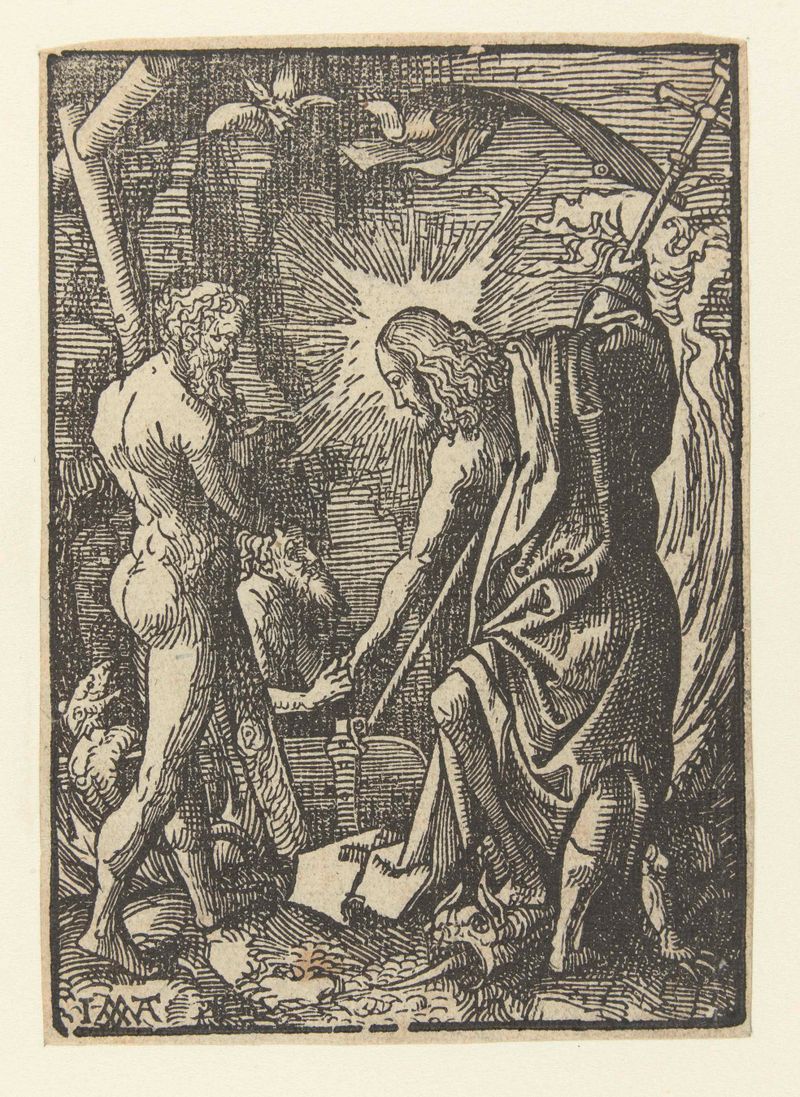
Christus in het voorgeborchte
Jacob Cornelisz van Oostsanen
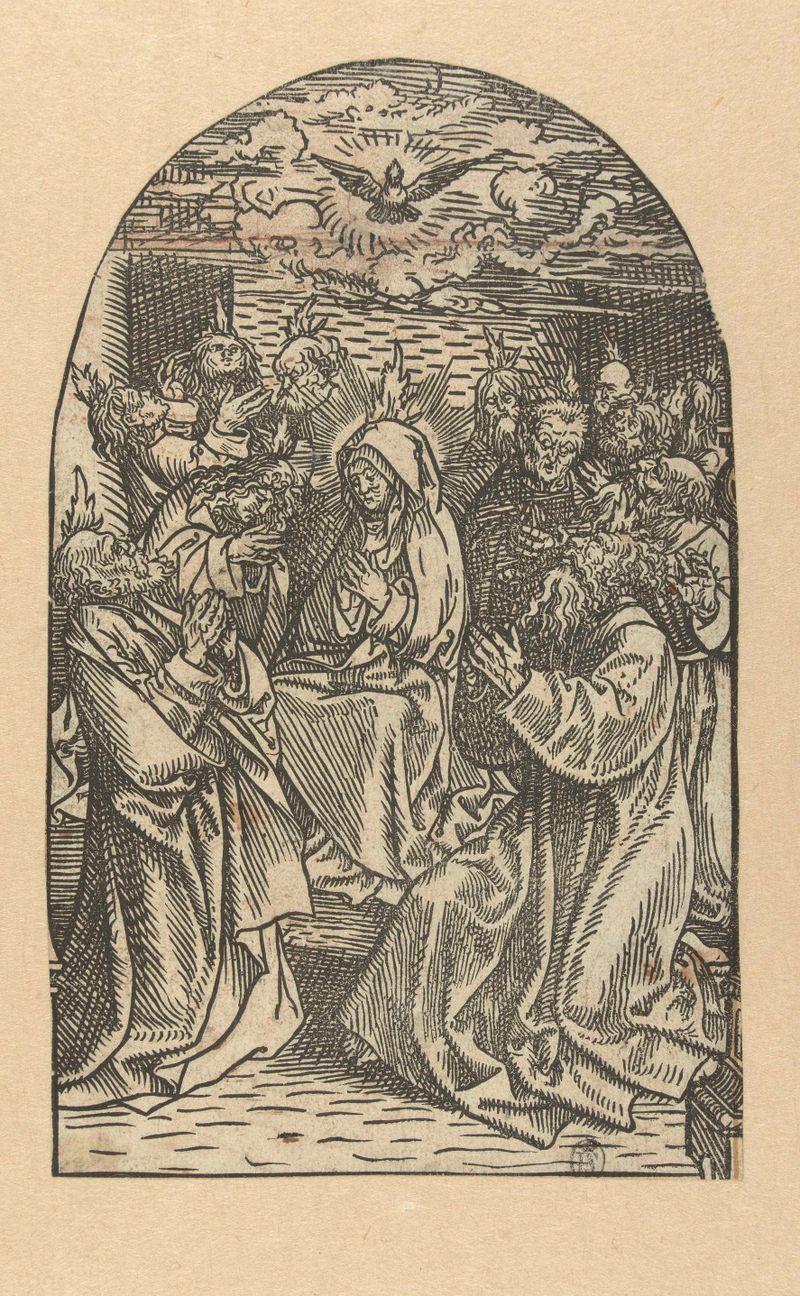
Uitstorting van de Heilige Geest
Jacob Cornelisz van Oostsanen
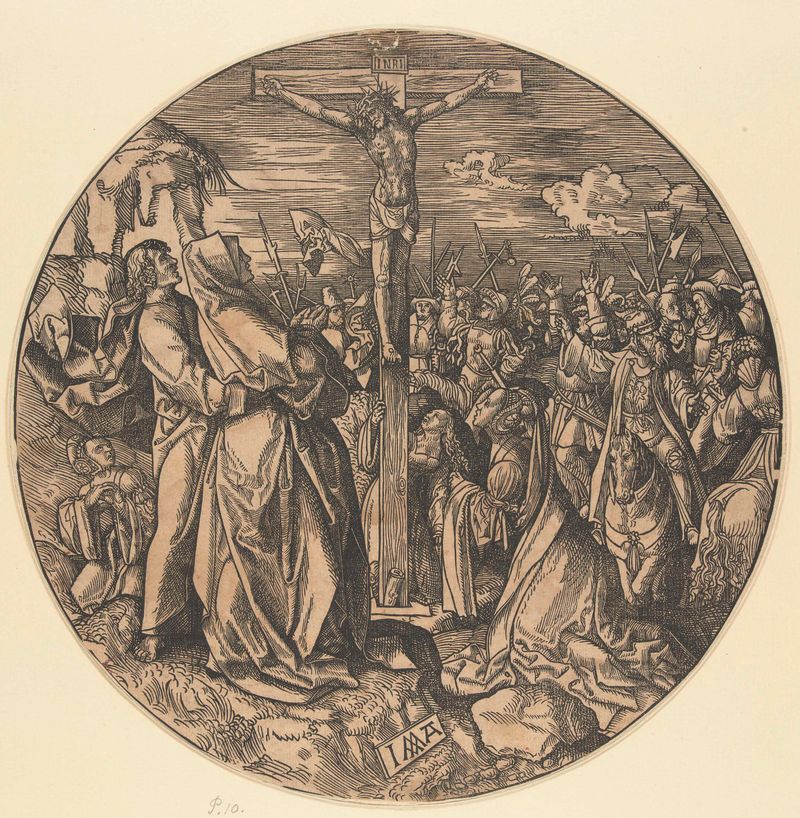
Christus aan het kruis
Jacob Cornelisz van Oostsanen

De kruisiging en de graflegging van Christus
Jacob Cornelisz van Oostsanen
More Religious Art
Browse all →
The Return of the Prodigal Son
Rembrandt van Rijn

The Garden of Earthly Delights
El Bosco

Count Orgaz’ funeral
El Greco

The Hundred Guilder Print: the central piece with Christ preaching, the plate arched
Rembrandt van Rijn

The Descent from the Cross
Rogier van der Weyden

The return of the prodigal son
Rembrandt van Rijn