
Bessy, un après-midi à la campagne — History & Facts
In Bessy, un après-midi à la campagne, we see a tranquil scene set in the countryside. The painting features a woman named Bessy, who is surrounded by lush greenery and soft sunlight. The colors are warm and inviting, with greens, yellows, and hints of blue creating a serene atmosphere.
The overall composition conveys a sense of peace and relaxation in nature. The painting is executed in oil on canvas, a medium that allows for rich color and texture. Luce's brushwork is loose yet deliberate, characteristic of the Post-Impressionist style. The play of light and shadow is evident, enhancing the three-dimensionality of the figures and landscape.
Viewers can appreciate the vibrant palette and the way it captures the essence of a peaceful afternoon. Maximilien Luce was a prominent figure in the Post-Impressionist movement, known for his vibrant colors and expressive brushwork. This work, created around 1900, reflects his interest in capturing everyday life and the beauty of nature. An interesting fact about this painting is that it showcases Luce's ability to blend Impressionist techniques with a more structured composition.
It serves as a testament to his unique approach to genre scenes.
More Artworks by Maximilien Luce

Le Quai Montebello Et La Colline Sainte-Geneviève
Maximilien Luce
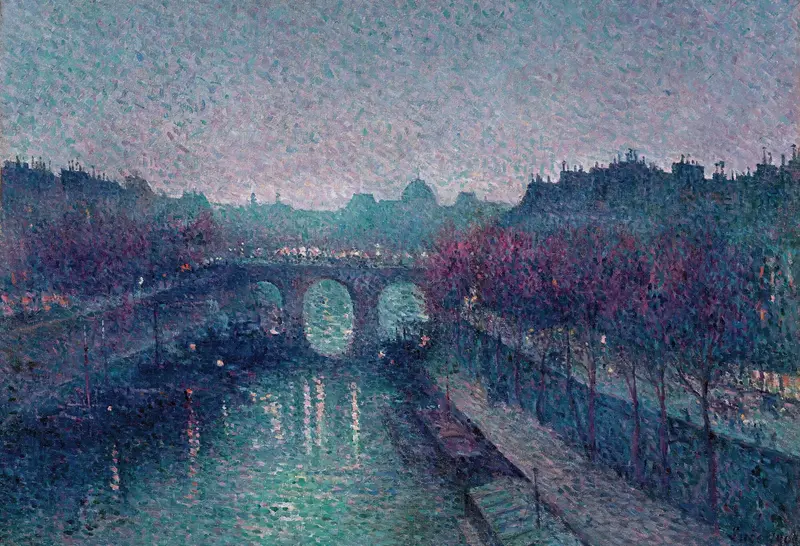
Le Pont-Neuf, La Seine, Petit Bras
Maximilien Luce
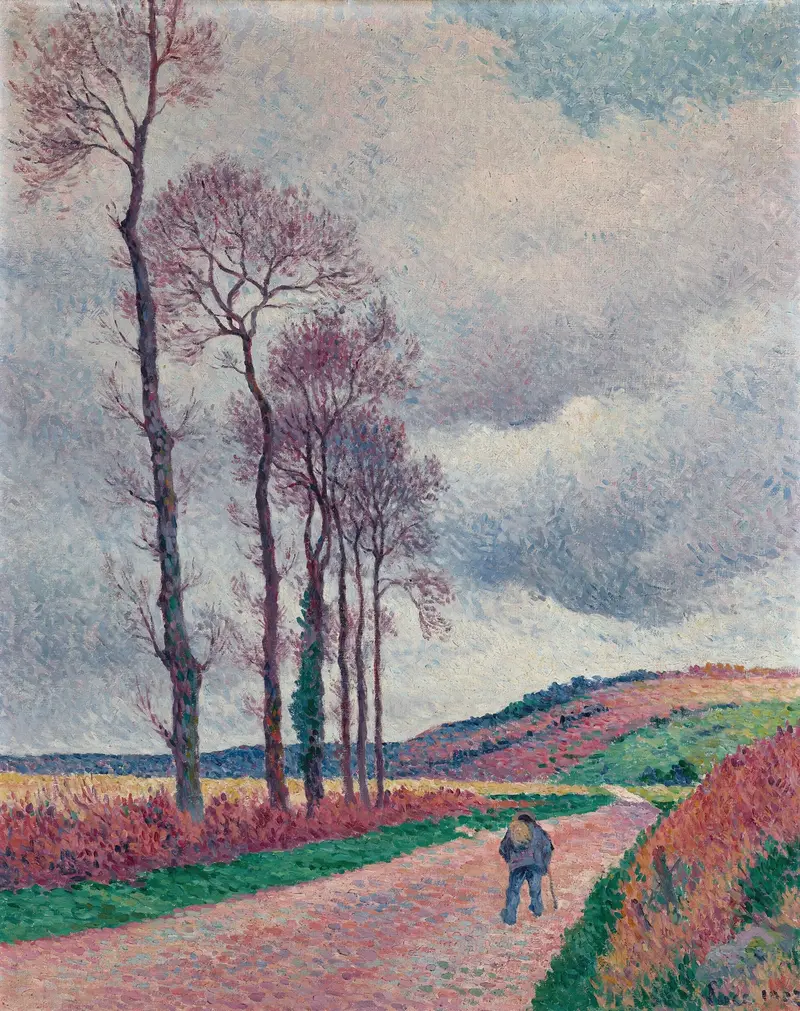
La route aux environs de Méréville
Maximilien Luce
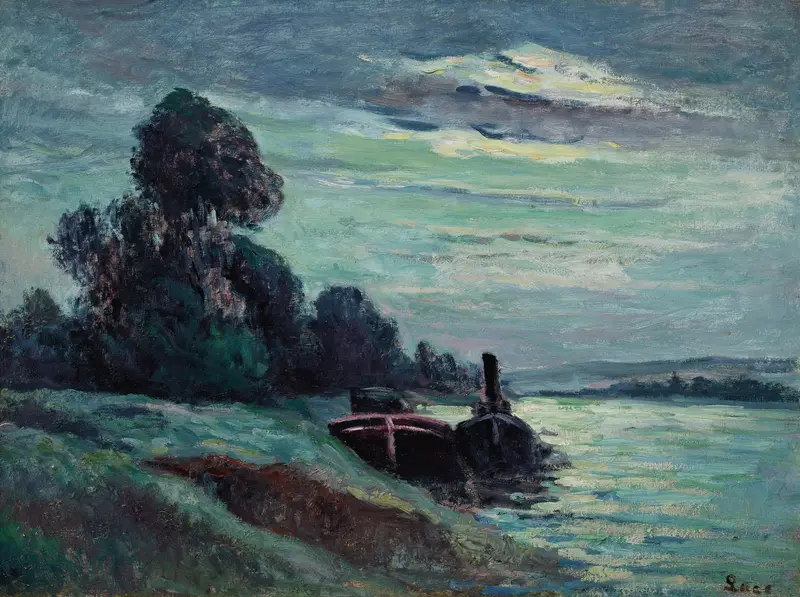
Péniches sur la Seine
Maximilien Luce
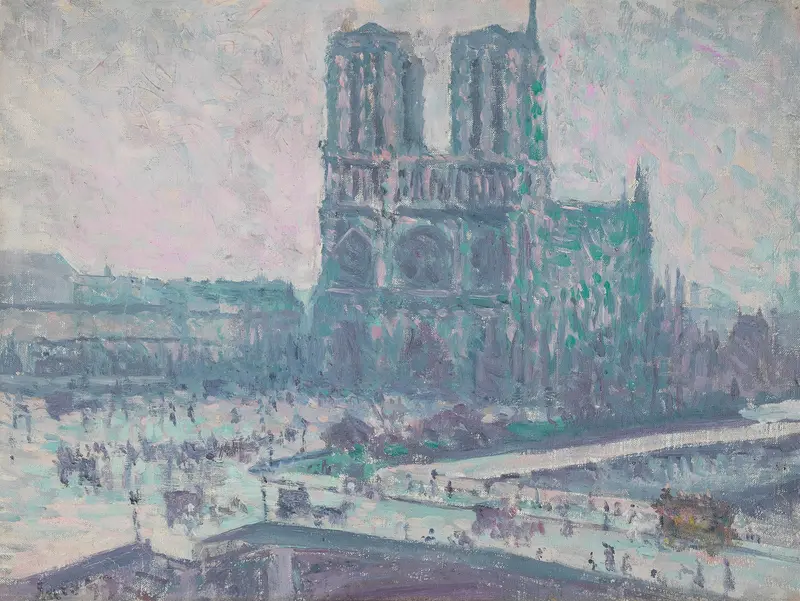
Notre Dame de Paris
Maximilien Luce
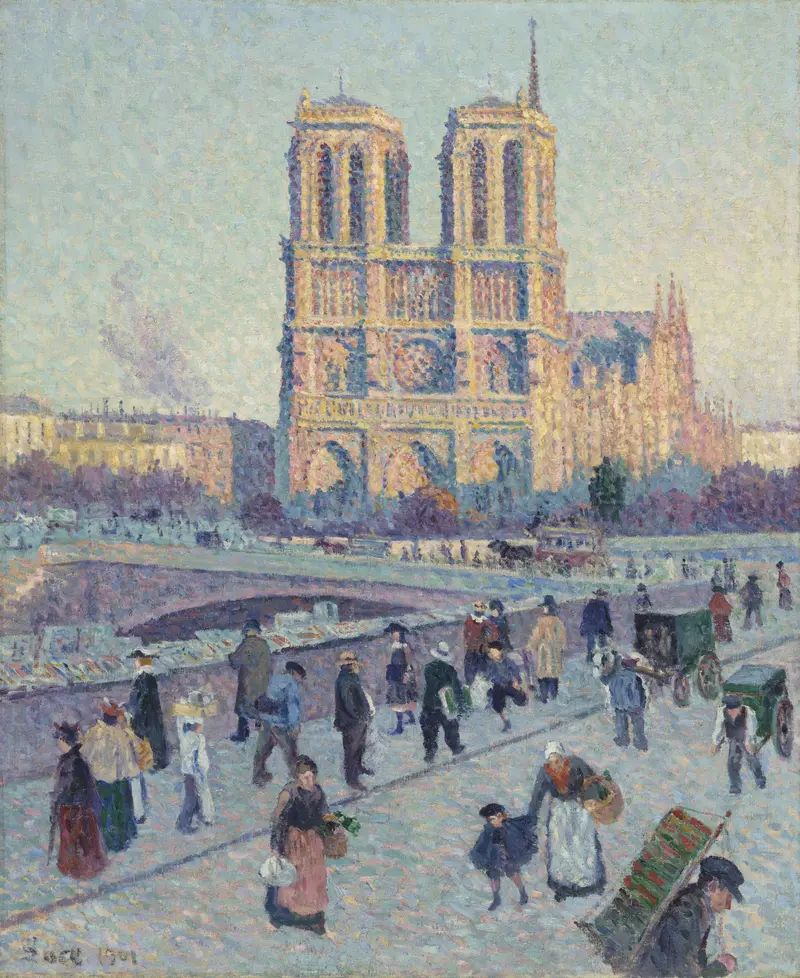
The Quai Saint-Michel and Notre-Dame
Maximilien Luce
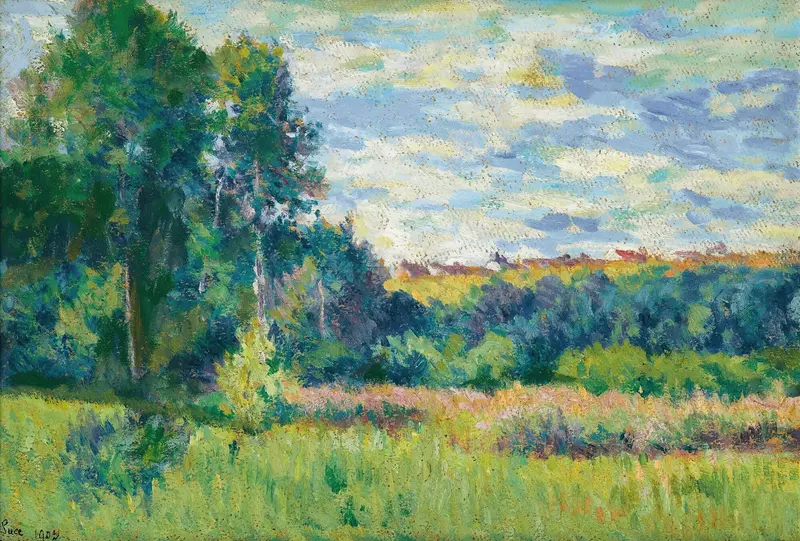
Paysage
Maximilien Luce
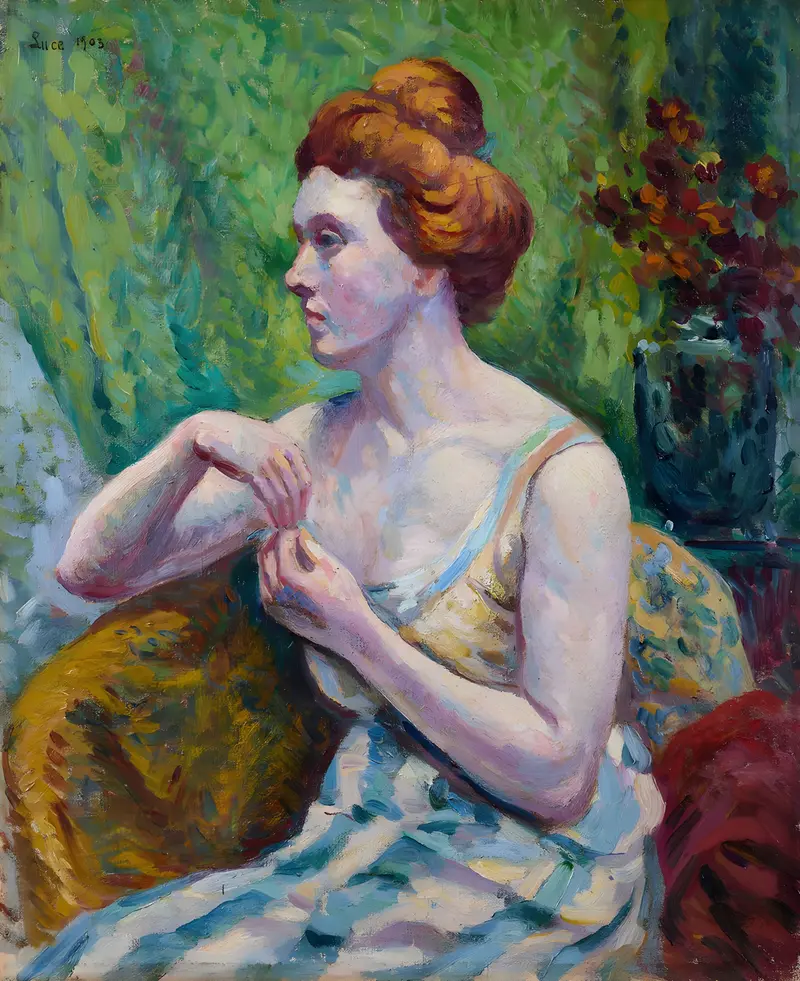
Portrait de femme
Maximilien Luce
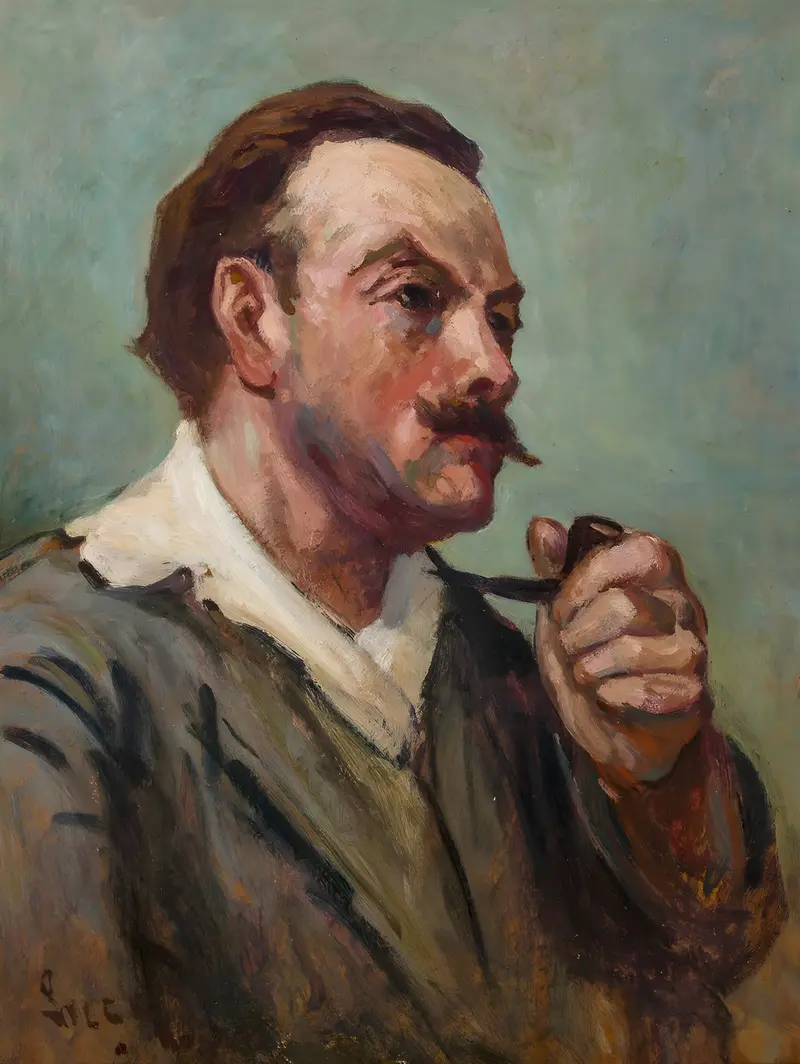
Portrait du Roger à la pipe
Maximilien Luce
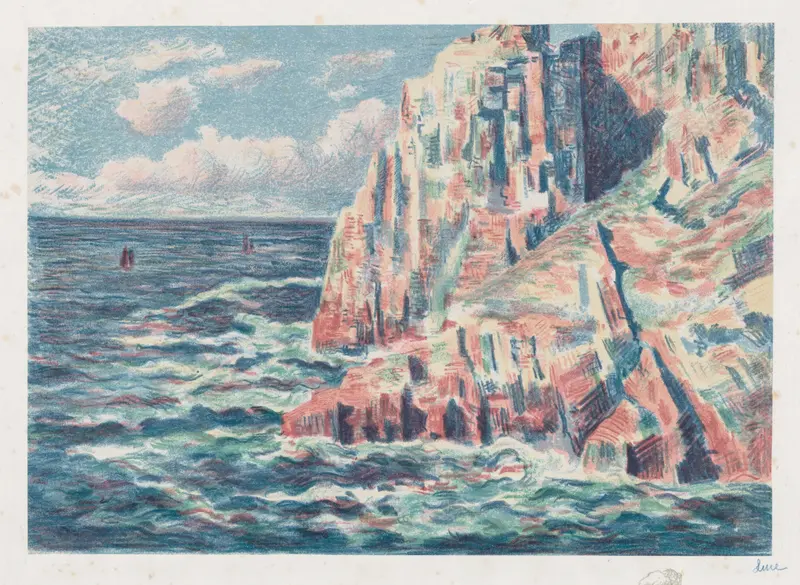
The Sea at Camaret, The Red Rocks
Maximilien Luce
More Genre Scene Art

Banquet of the Officers of the St George Civic Guard
Frans Hals

Rembrandt and Saskia in the Scene of the Prodigal Son
Rembrandt van Rijn

Bal du moulin de la Galette
Pierre-Auguste Renoir

Quadrille at the Moulin Rouge
Henri de Toulouse-Lautrec

A Burial at Ornans
Gustave Courbet

When Will You Marry?
Paul Gauguin