
Bestraffing van prinses die Vergilius bespotte — History & Facts
In Bestraffing van prinses die Vergilius bespotte, the viewer is drawn into a world where judgment and morality clash, revealing the deeper truths hidden beneath human facades. Focus on the striking contrast between the vibrant reds and deep shadows that envelop the figures. The central scene captures a princess, her expression a mix of defiance and despair, as the surrounding characters cast judgment upon her. Notice how the light illuminates her features, heightening the emotional weight of the moment.
The careful placement of figures around her suggests a circle of condemnation, drawing your gaze to the tension brewing in their gestures. Delve deeper into the symbolism woven into Pencz's work. The princess's ornate attire stands in stark contrast to her grim fate, representing the tension between social privilege and moral accountability. The figures surrounding her serve not only as judges but echo larger themes of power, vulnerability, and the consequences of one's actions.
Each detail— from the intricate decoration on her gown to the expressions of those around her— amplifies the emotional impact and invites the viewer to reflect on the nature of justice. During the years 1541 to 1542, Pencz created this work in the context of a shifting artistic landscape in Northern Europe. The era was marked by the rise of humanism and a growing interest in narrative complexity in art. Pencz, known for his mastery of detail and emotional expression, was influenced by these movements, and this painting showcases his ability to capture the intricate nuances of the human experience against the backdrop of societal norms.
More Artworks by Georg Pencz
Browse all →
Parabel van de zaaier
Georg Pencz

Parabel van de arbeiders in de wijngaard
Georg Pencz
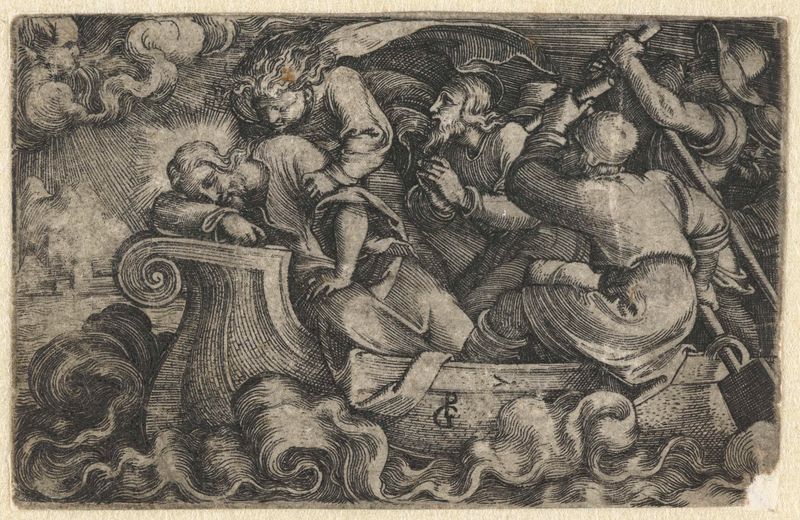
Discipelen wekken slapende Christus tijdens storm op Meer van Galilea
Georg Pencz

Afgunst (Invidia)
Georg Pencz
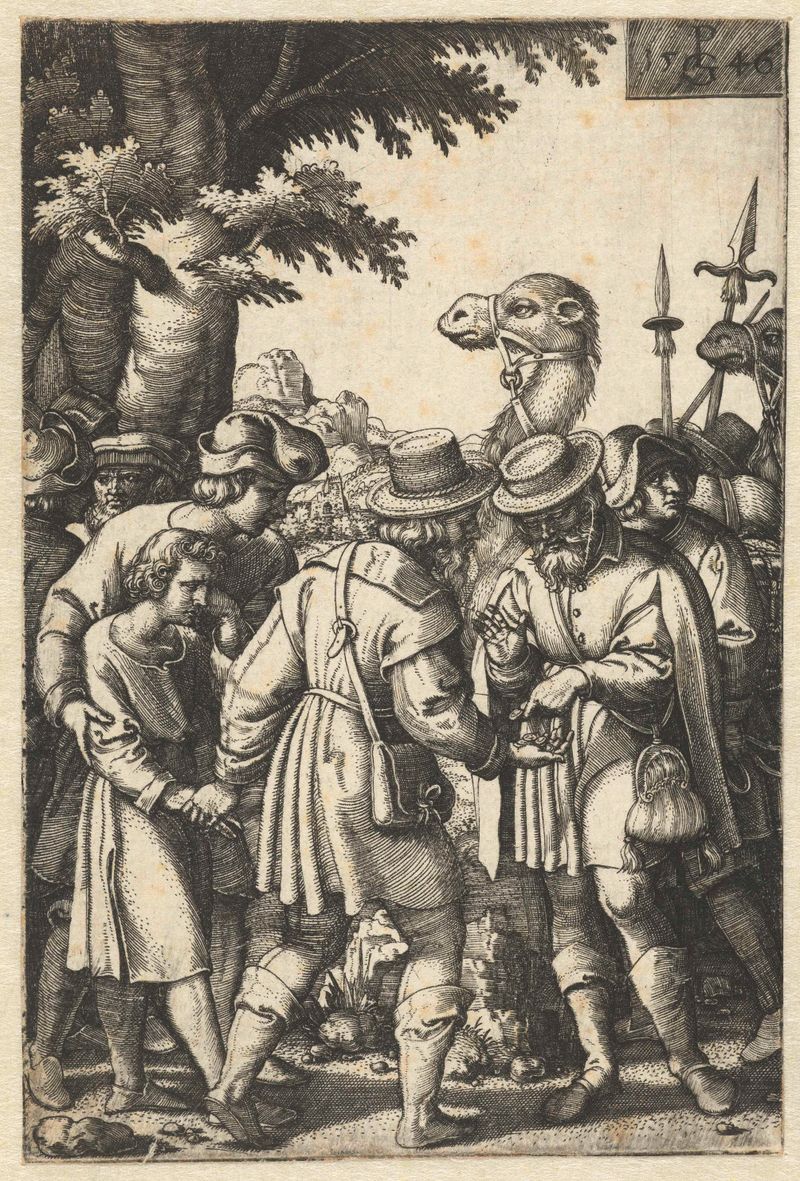
Jozef wordt verkocht aan kooplieden op weg naar Egypte
Georg Pencz

Aanbidding der koningen
Georg Pencz
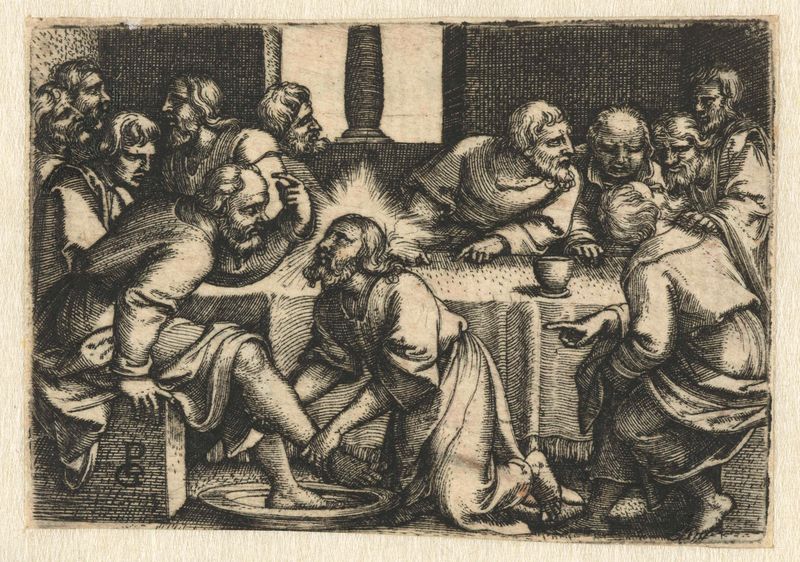
Petrus protesteert als Christus zijn voeten wast
Georg Pencz
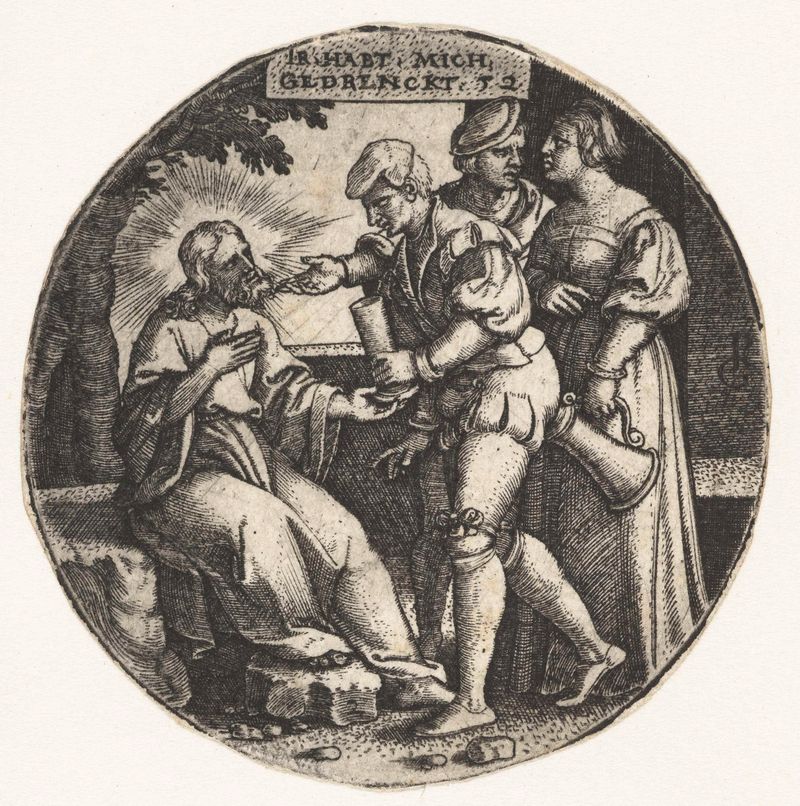
Christus heeft dorst en krijgt drinken aangeboden
Georg Pencz
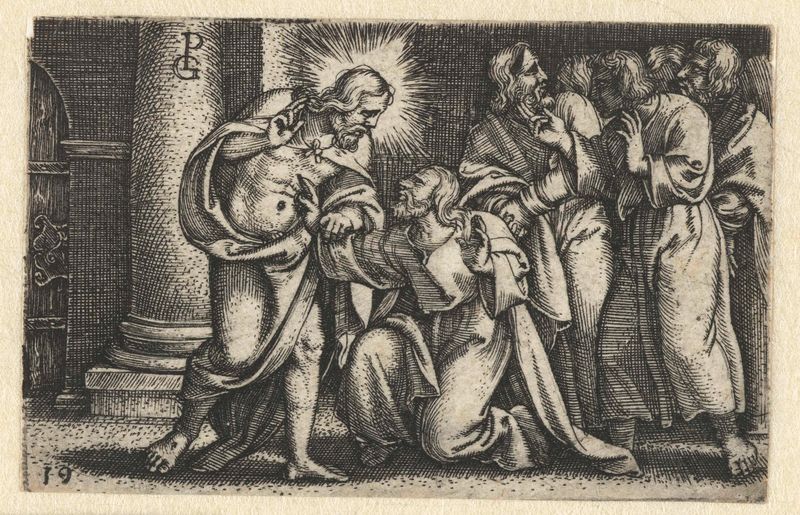
Ongelovige Thomas raakt wonden Christus aan
Georg Pencz

Offer van Abraham van Isaak
Georg Pencz
More Historical Art
Browse all →
The Night Watch Militia Company of District II under the Command of Captain Frans Banninck Cocq
Rembrandt van Rijn

Lincoln Memorial
Henry Bacon

The Third of May 1808
Francisco de Goya

Isaac and Rebecca, Known as ‘The Jewish Bride’
Rembrandt van Rijn

The Charge of the Mamelukes (1814)
Francisco de Goya

De vier ruiters van de apocalyps
Albrecht Dürer