
Bewening — History & Facts
Can beauty exist without sorrow? In the delicate balance of existence, we find ourselves in a void, where mourning intertwines with the essence of life. Focus on the central figure, an elegant woman enveloped in a flowing garment that seems to ripple like soft waves. Her gaze is directed downward, and the subtle halo around her head captures the light, emphasizing her ethereal presence. Notice how the muted palette of earthy tones contrasts against flecks of gold and soft blues, evoking a sense of calm yet palpable tension.
The intricate details of her attire draw the viewer in, inviting a deeper contemplation of her silent story. Look closely at her hands, gently folded, almost as if holding the weight of the world. This gesture speaks volumes of restraint, a quiet acceptance of loss. The background fades into obscurity, emphasizing the figure’s isolation, while delicate floral motifs suggest fleeting beauty amid decay.
The juxtaposition of the serene woman and the underlying sorrow creates a poignant reflection on the transience of life, hinting at unspoken grief beneath her graceful demeanor. Created between 1505 and 1515, the artist remains unknown, yet the work resonates with the Baroque sensibility emerging in Europe during this period. The era was marked by a profound exploration of human emotion and spirituality, revealing a world grappling with both beauty and mortality. This piece, with its haunting presence, encapsulates the complexities of the human experience, inviting viewers to reflect on their own vulnerabilities and the quiet sorrows that shape our existence.
More Artworks by Unknown Artist
Browse all →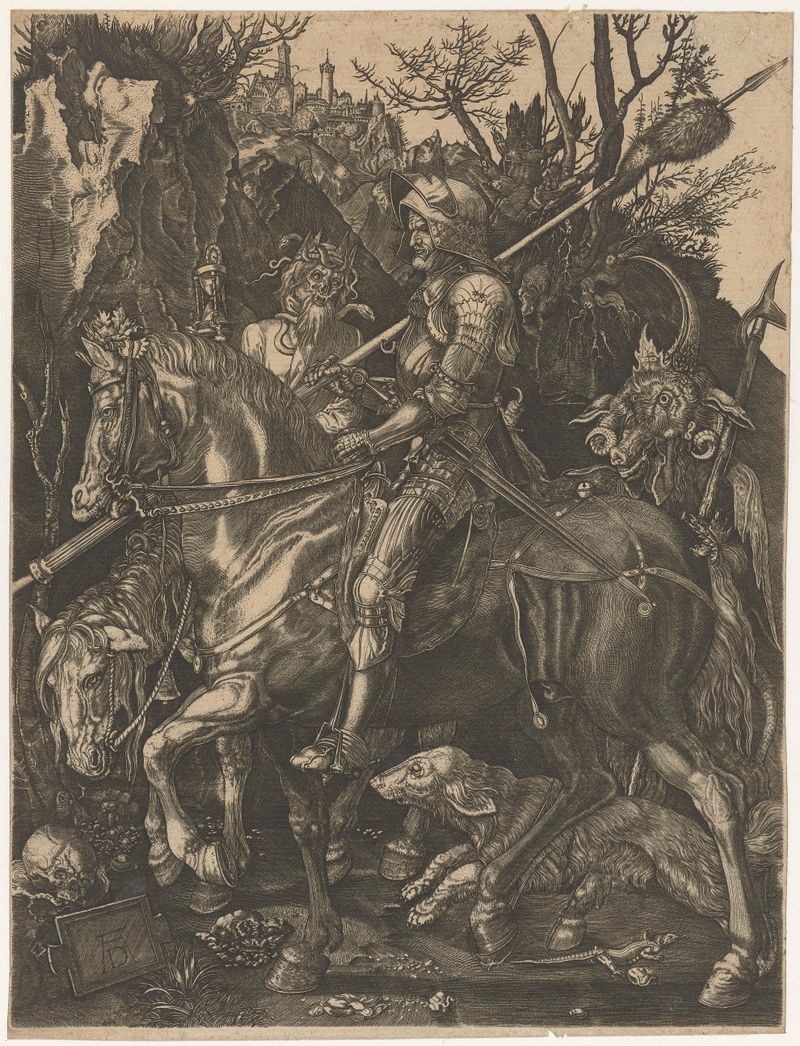
Ridder, Dood en Duivel
Unknown Artist
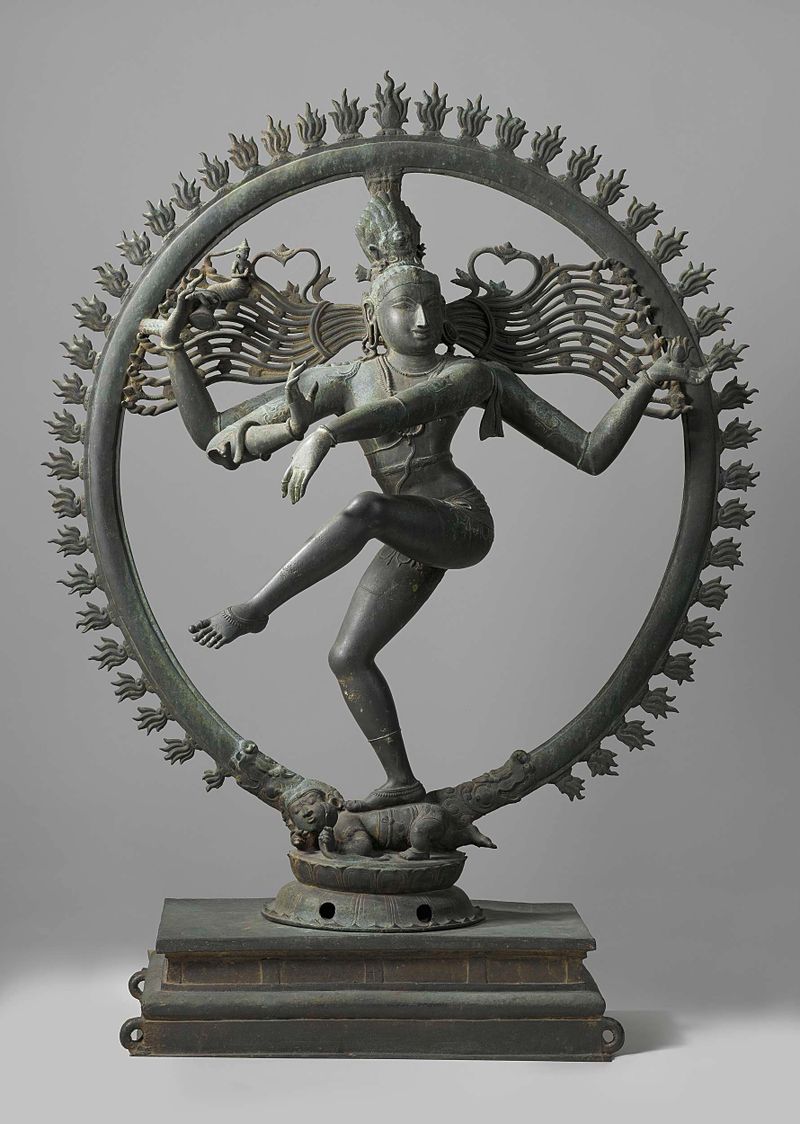
Shiva Nataraja
Unknown Artist
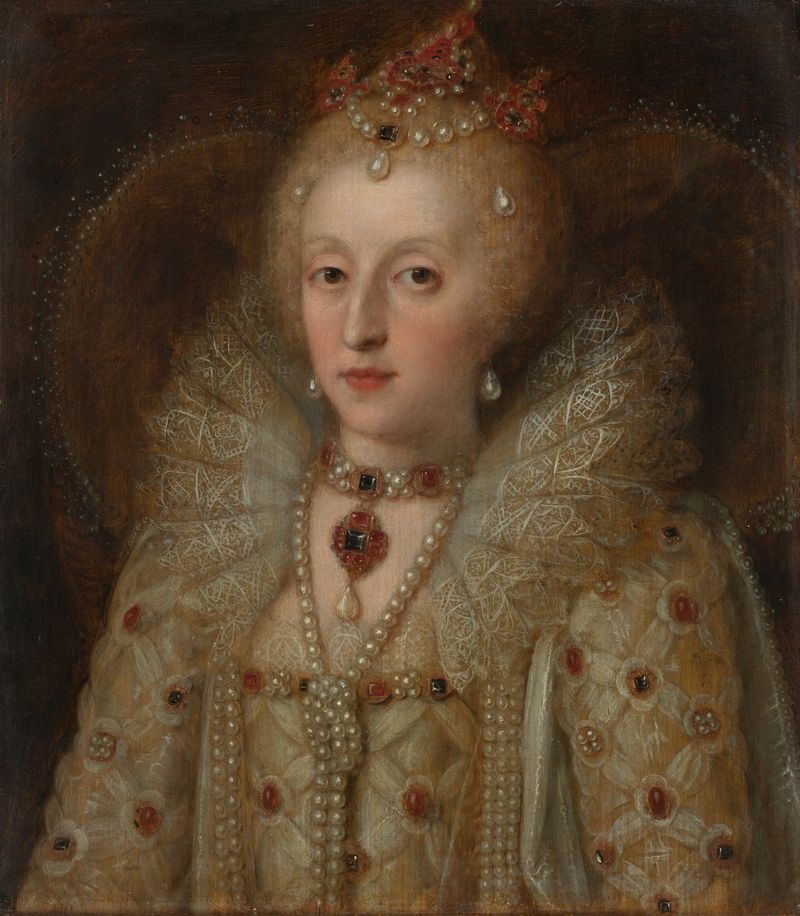
Portrait of Elizabeth I, Queen of England
Unknown Artist
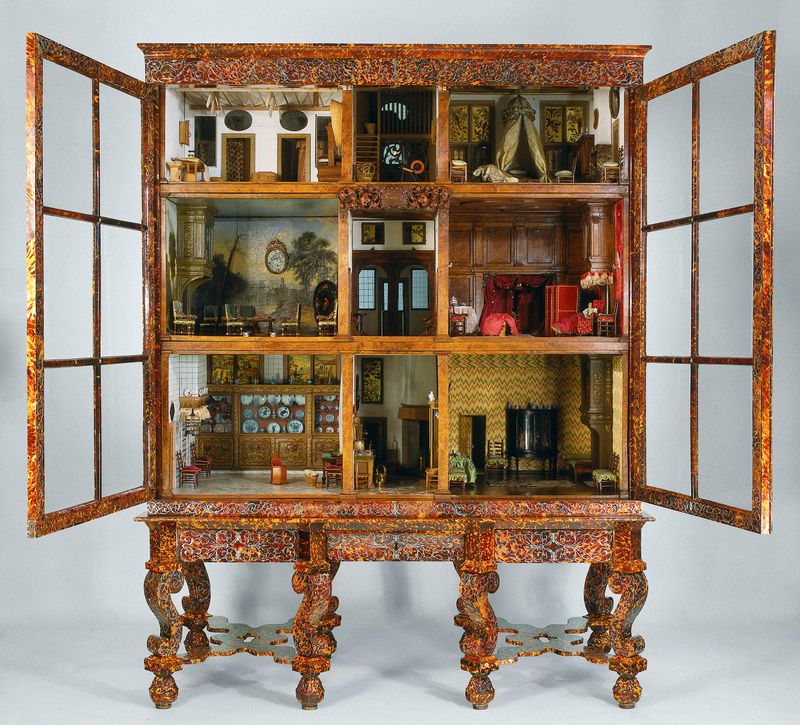
Dolls’ house of Petronella Oortman
Unknown Artist
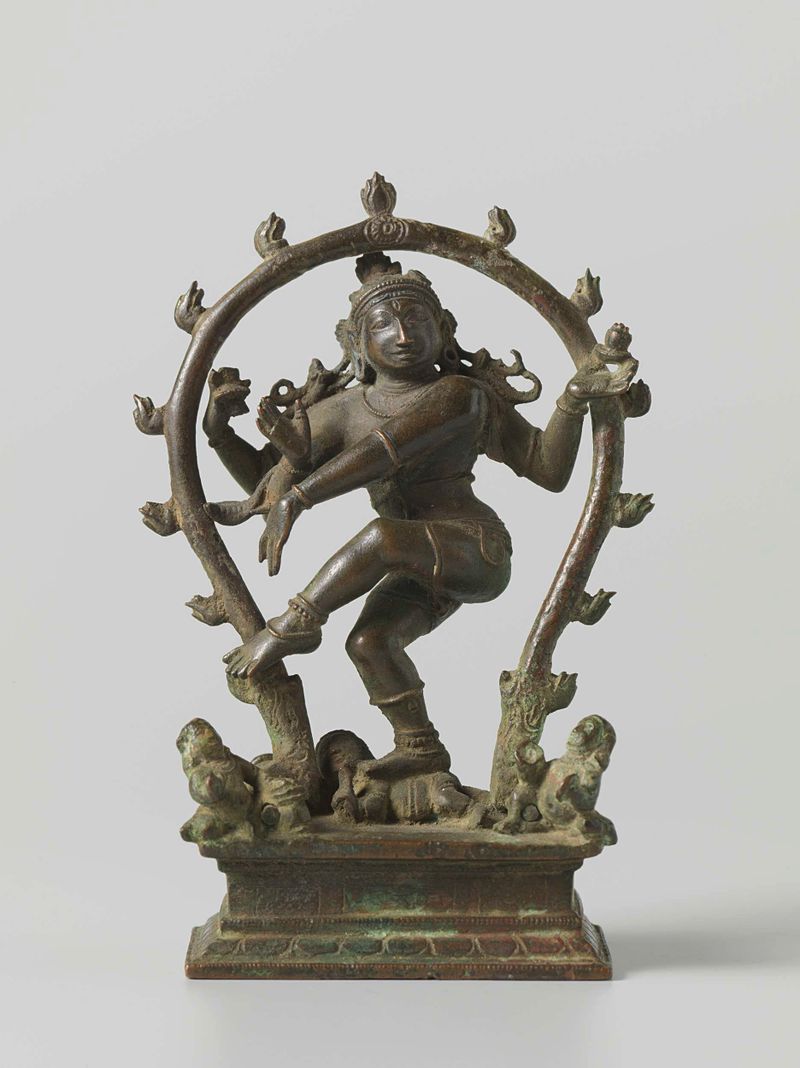
Shiva Nataraja
Unknown Artist

The Tale of Genji
Unknown Artist

The Tale of Genji
Unknown Artist
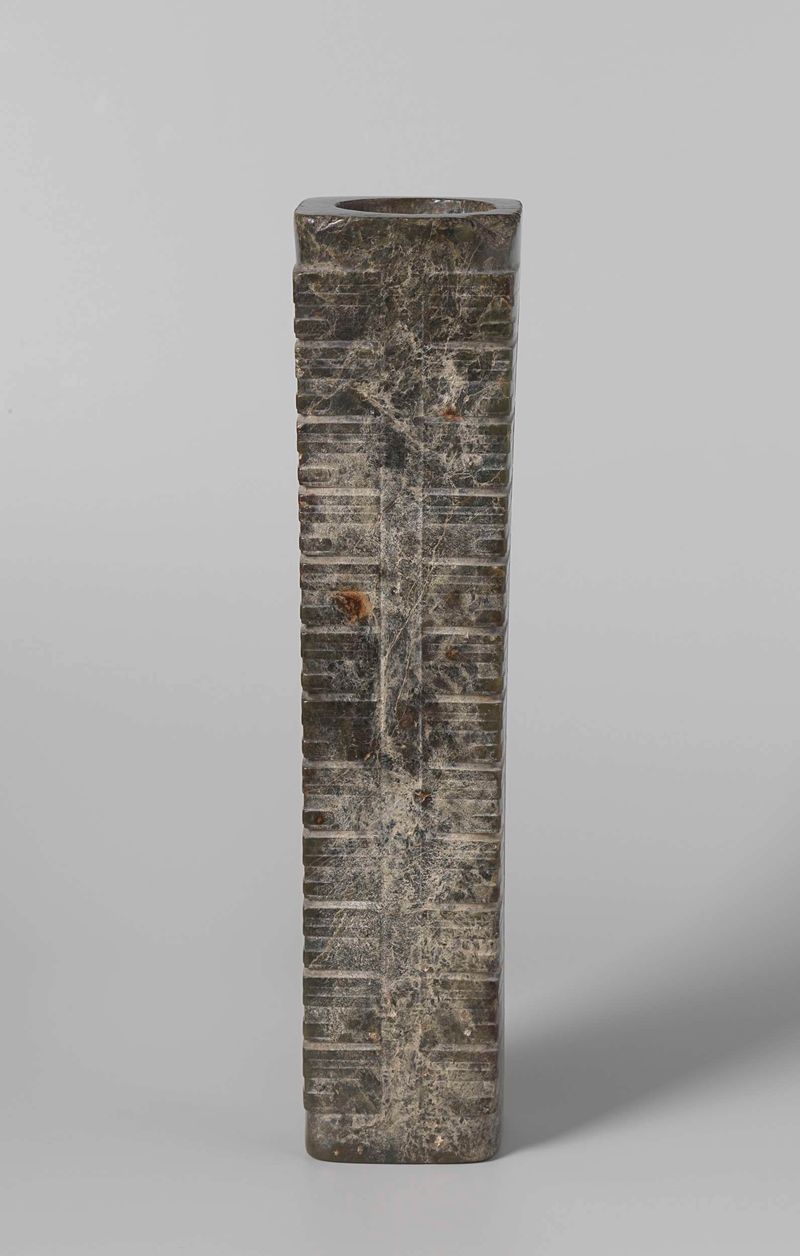
Cong
Unknown Artist
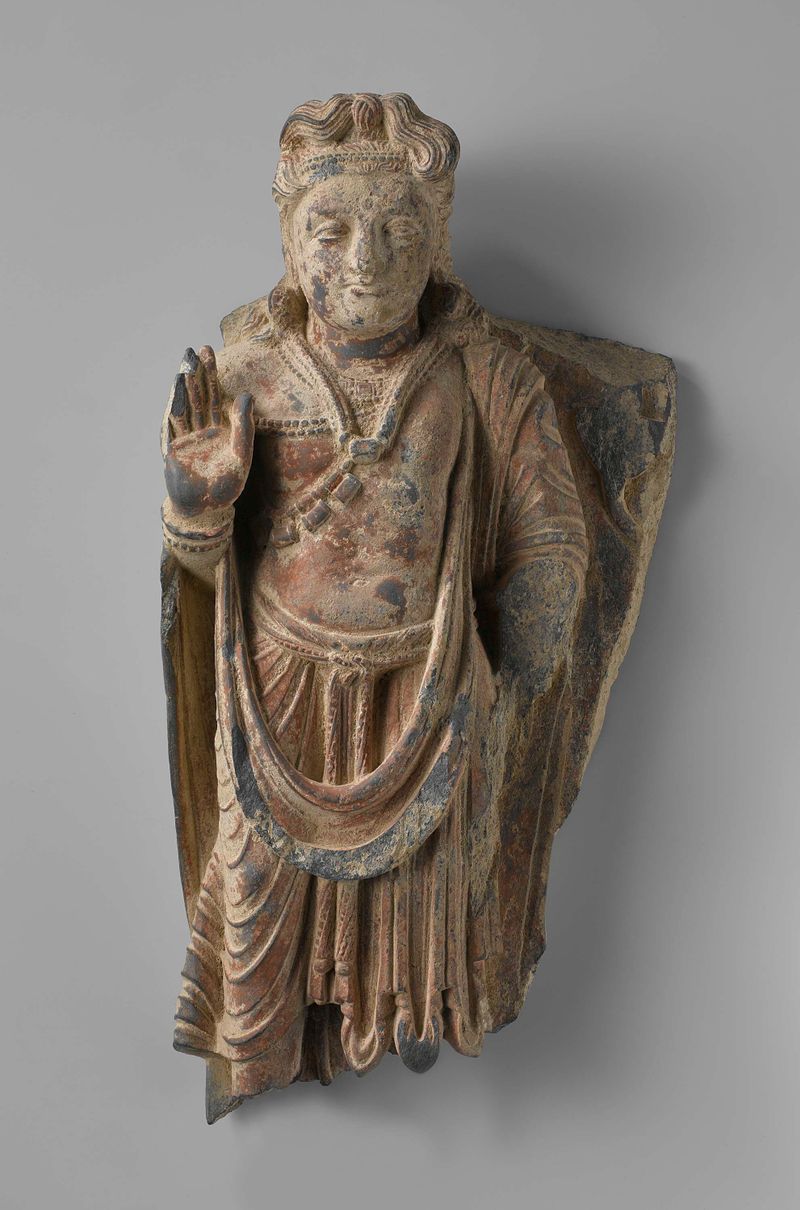
The bodhisattva Maitreya
Unknown Artist
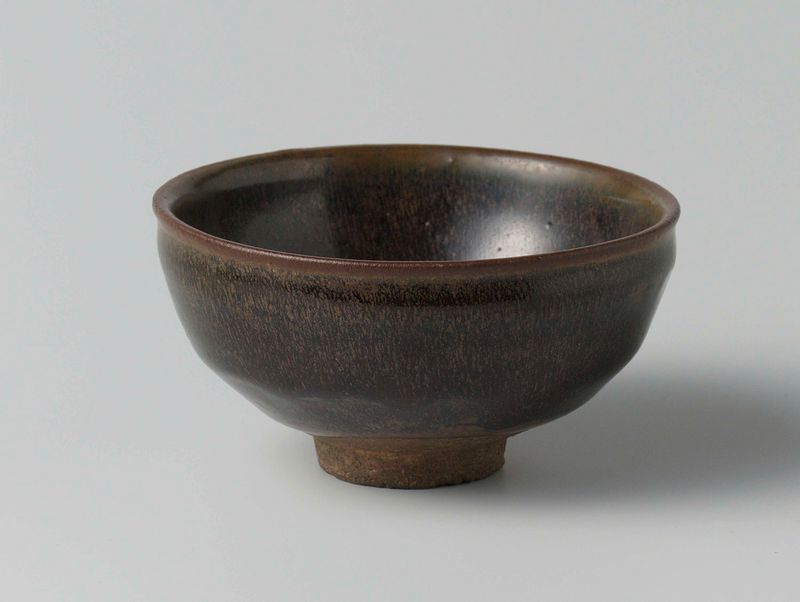
Teabowl with a 'hare's fur' glaze
Unknown Artist
More Religious Art
Browse all →
The Return of the Prodigal Son
Rembrandt van Rijn

The Garden of Earthly Delights
El Bosco

Count Orgaz’ funeral
El Greco

The Hundred Guilder Print: the central piece with Christ preaching, the plate arched
Rembrandt van Rijn

The Descent from the Cross
Rogier van der Weyden

The return of the prodigal son
Rembrandt van Rijn