
Bewening en graflegging van Christus — History & Facts
In the intricate dance of movement captured within the frame, we find an unspoken dialogue between life and death, illuminating both grief and grace. Look to the center, where the lifeless body of Christ is cradled, surrounded by mourners enveloped in varying degrees of sorrow. The artist expertly employs soft, muted tones, creating a somber atmosphere while letting the subtle play of light guide our gaze. Notice how the figures’ gestures intertwine in a tapestry of mourning; each hand reaches out in a poignant narrative that speaks volumes.
The intricate folds of their garments ripple with emotion, suggesting a shared breath of despair that resonates through the composition. Delve deeper into the interplay of light and shadow, for they reveal the emotional tension beneath the surface. The contrast between the warm glow illuminating Christ's form and the cooler hues shrouding the mourners emphasizes the juxtaposition of divine serenity against human sorrow. Further, the positioning of the figures creates a circular flow, directing the eye and heart back to the central figure, as if time momentarily stands still in this sacred act of farewell. In 1517, while residing in Amsterdam, the artist painted this profound work during a period marked by the burgeoning Northern Renaissance.
It was an era where humanism flourished, and artists began to explore themes of spirituality and emotion with renewed vigor. Van Oostsanen, integrating this zeitgeist into his practice, cultivated a rich dialogue between classical themes and the intimate, human experience, laying the groundwork for future explorations in art.
More Artworks by Jacob Cornelisz van Oostsanen
Browse all →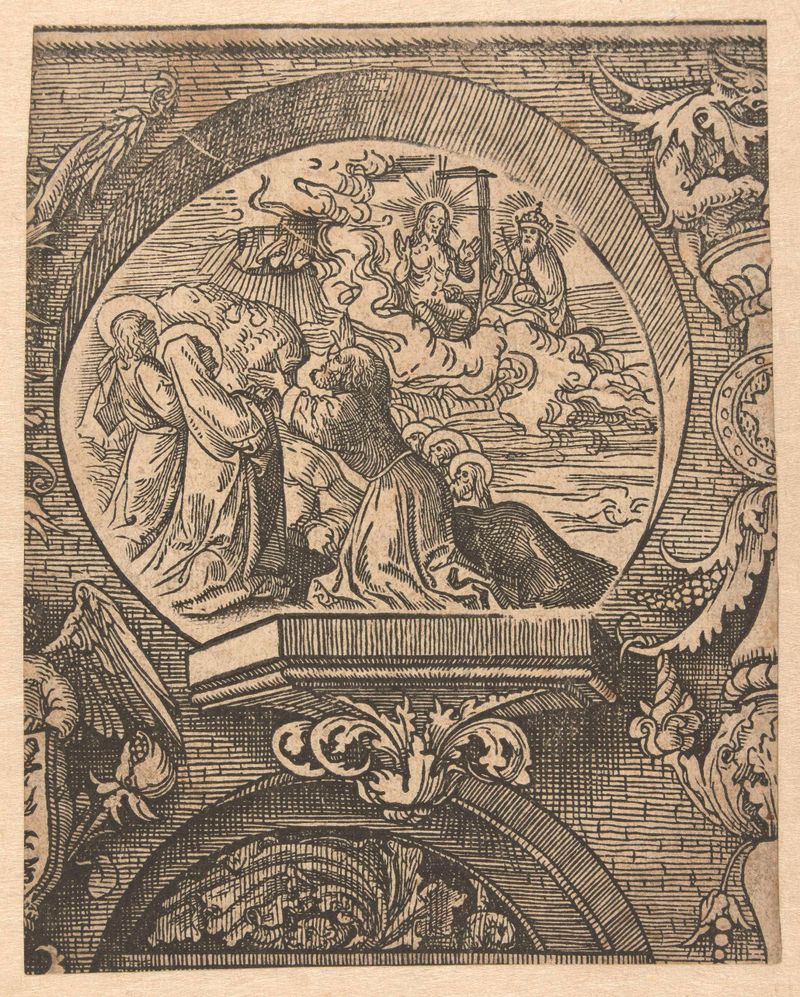
De hemelvaart en Christus voor God de Vader
Jacob Cornelisz van Oostsanen
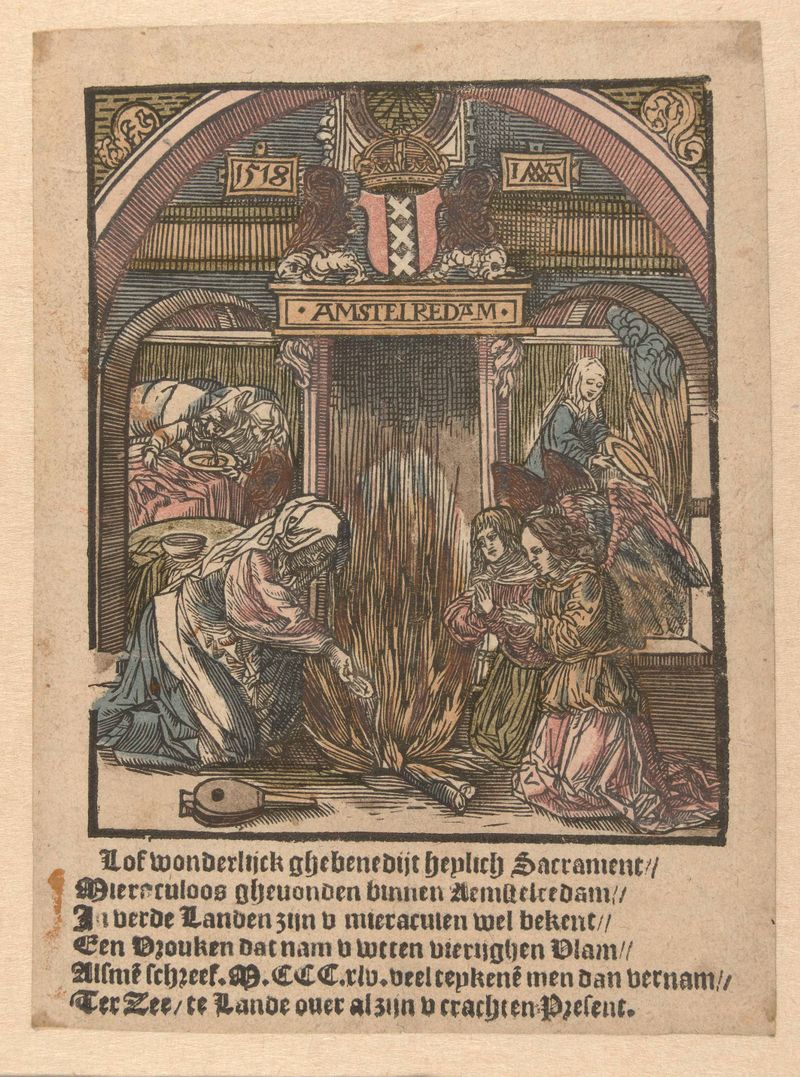
Het hostiewonder van Amsterdam
Jacob Cornelisz van Oostsanen
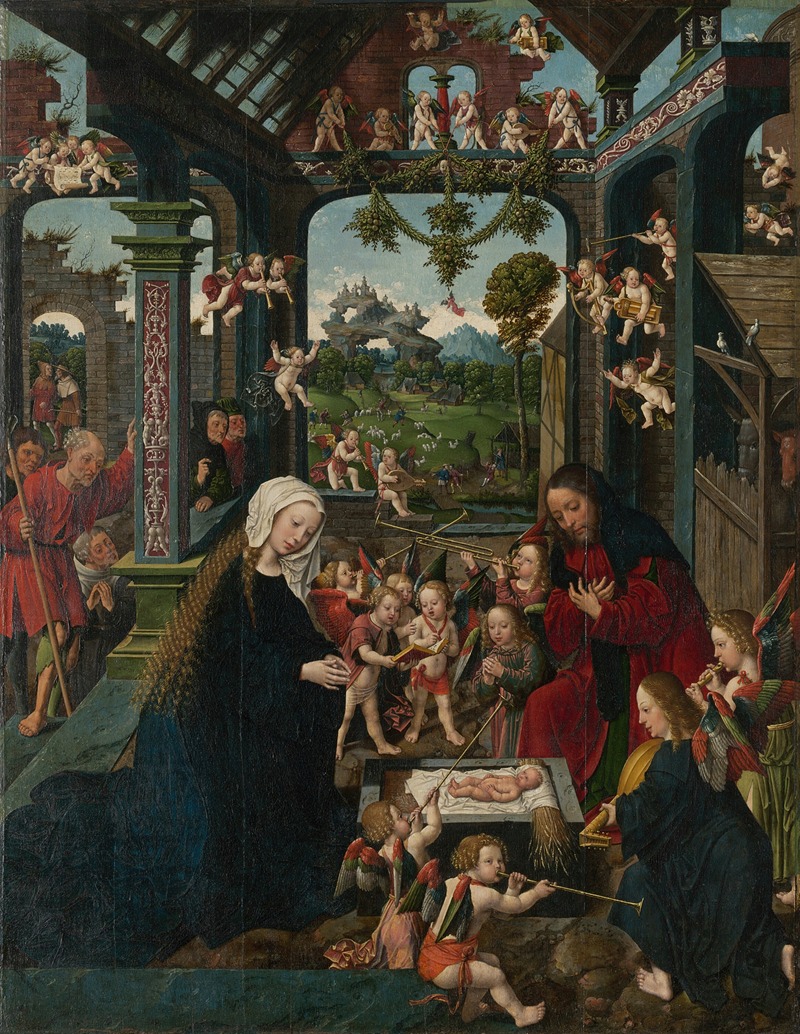
The Adoration of the Christ Child
Jacob Cornelisz van Oostsanen
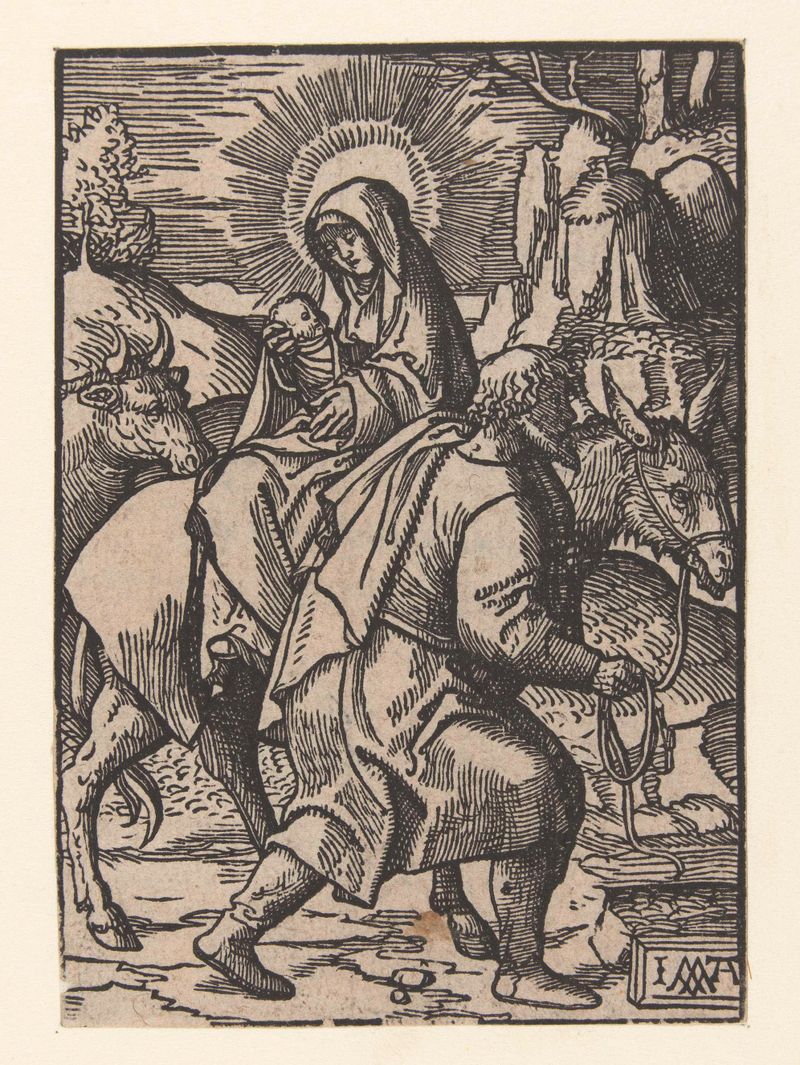
Vlucht naar Egypte
Jacob Cornelisz van Oostsanen
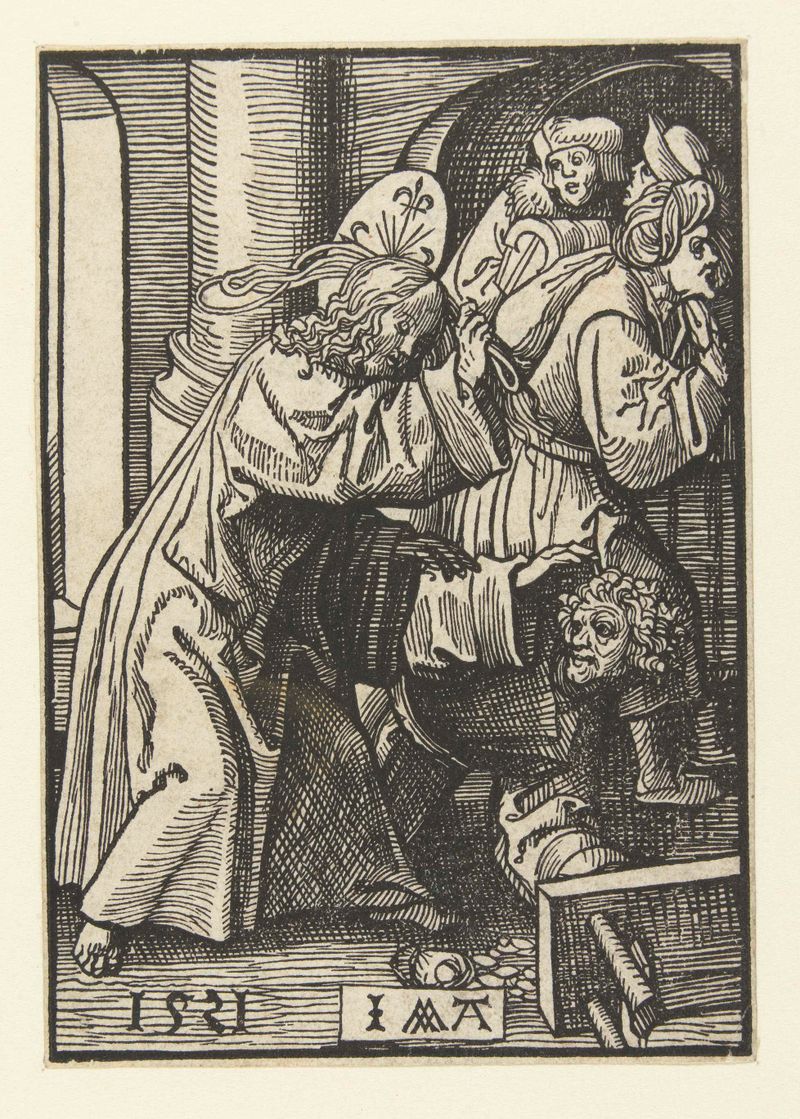
Verdrijving van de handelaren uit de tempel
Jacob Cornelisz van Oostsanen
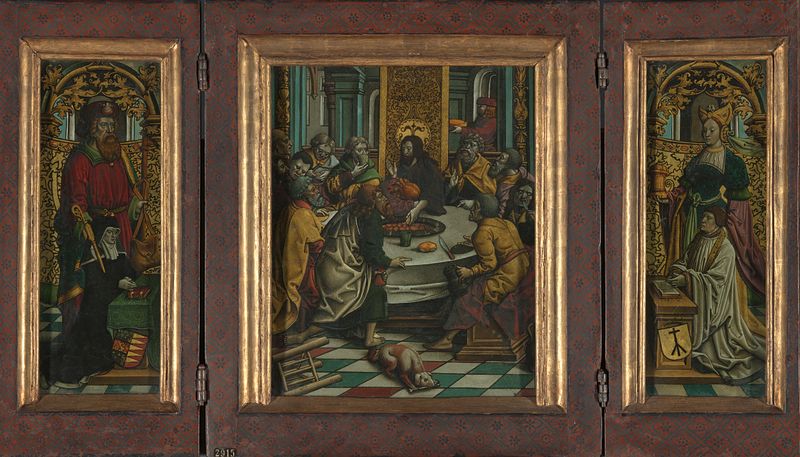
Triptych with the Last Supper and Donors
Jacob Cornelisz van Oostsanen
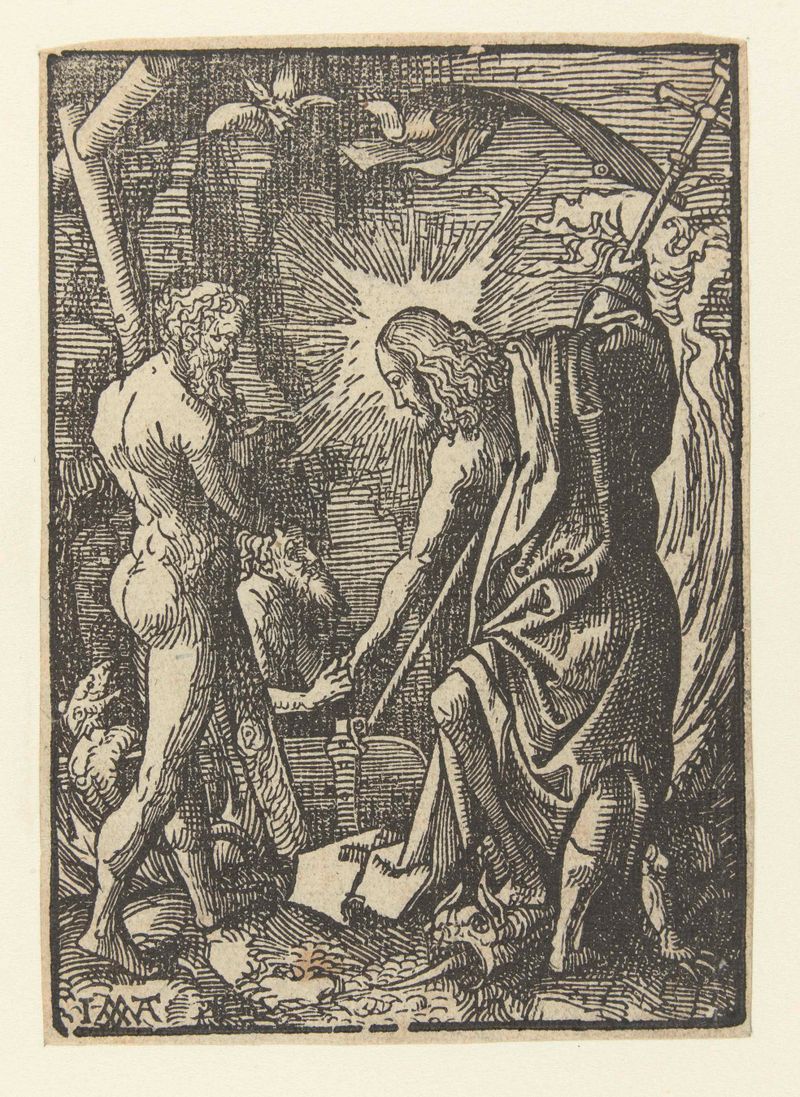
Christus in het voorgeborchte
Jacob Cornelisz van Oostsanen
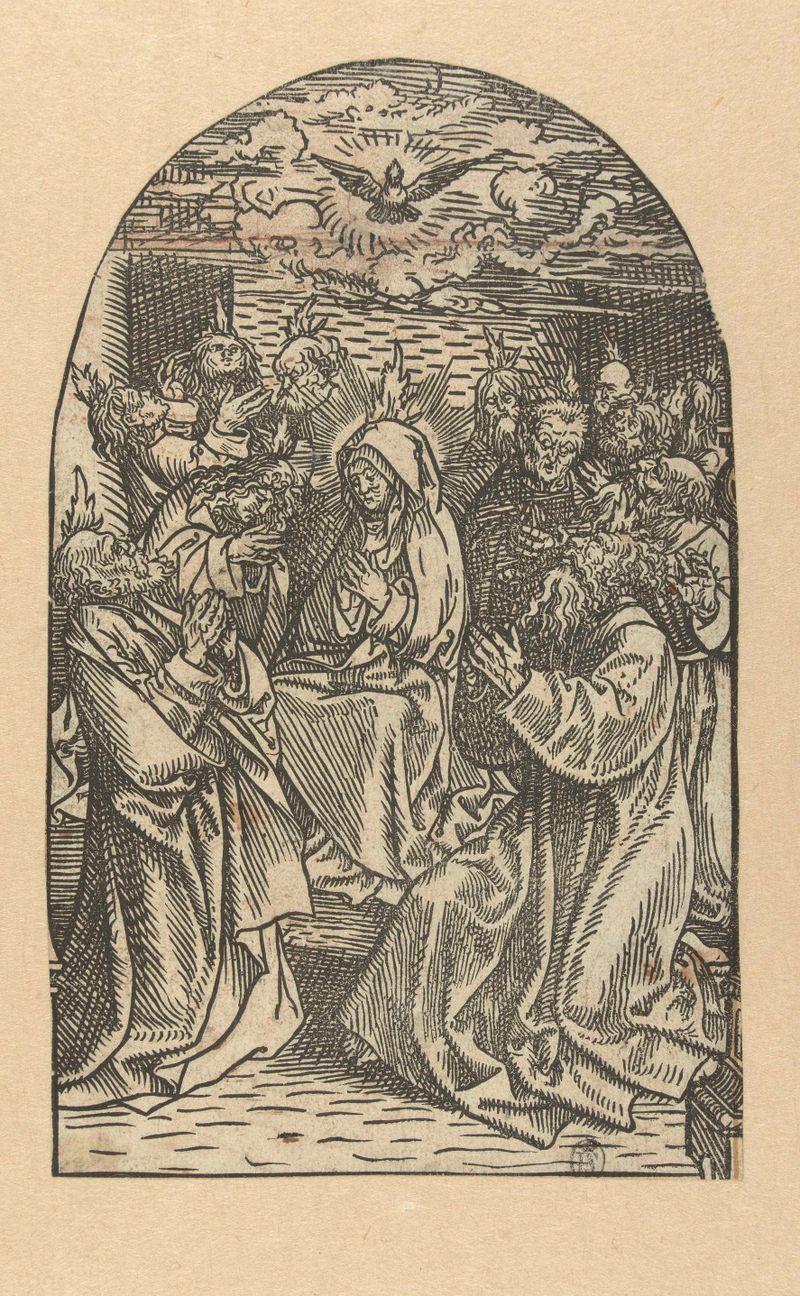
Uitstorting van de Heilige Geest
Jacob Cornelisz van Oostsanen
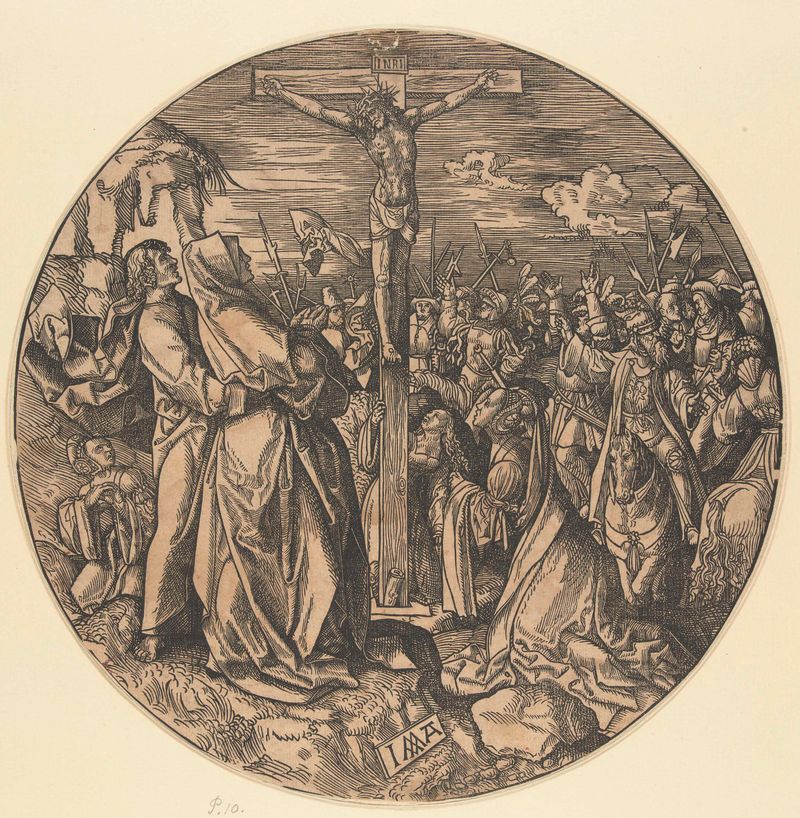
Christus aan het kruis
Jacob Cornelisz van Oostsanen

De kruisiging en de graflegging van Christus
Jacob Cornelisz van Oostsanen
More Religious Art
Browse all →
The Return of the Prodigal Son
Rembrandt van Rijn

The Garden of Earthly Delights
El Bosco

Count Orgaz’ funeral
El Greco

The Hundred Guilder Print: the central piece with Christ preaching, the plate arched
Rembrandt van Rijn

The Descent from the Cross
Rogier van der Weyden

The return of the prodigal son
Rembrandt van Rijn