
Bewening van Christus — History & Facts
Who listens when art speaks of silence? In Bewening van Christus, we find ourselves enveloped in a profound stillness, as if the world outside has paused to absorb the weight of grief and loss. Look to the center of the canvas, where the lifeless body of Christ lies draped across the lap of Mary. Notice how the soft, muted palette of browns, delicate blues, and warm whites conveys a somber atmosphere, with each brushstroke meticulously detailing the textures of fabric and skin. The dim light seems to emanate from the figures themselves, casting gentle shadows that heighten the intensity of their sorrow.
The viewer is drawn into the intimate circle of mourners, each face reflecting a different facet of despair, inviting us to share in their collective mourning. Beneath the surface lies a tension between faith and despair; the mourners' expressions are a study in contrasts. While Mary’s anguish is palpable, the presence of John the Evangelist hints at hope amidst despair, as he reaches out with a gentle touch that suggests solace. The intricate folds of drapery and the subtle interplay of light and shadow create a sense of depth, not just in space but in emotion—a testament to the complexities of human experience in the face of tragedy. Painted in 1507, this work emerged during a period of religious upheaval and reform in Europe.
Jacob Cornelisz van Oostsanen was influenced by the burgeoning Northern Renaissance, which emphasized human emotion and introspection. As Europe grappled with the implications of faith and the burgeoning movement towards Protestantism, this poignant depiction of Christ’s lamentation stands as both a reflection of the artist’s time and a timeless exploration of loss and hope.
More Artworks by Jacob Cornelisz van Oostsanen
Browse all →
De hemelvaart en Christus voor God de Vader
Jacob Cornelisz van Oostsanen
Het hostiewonder van Amsterdam
Jacob Cornelisz van Oostsanen
The Adoration of the Christ Child
Jacob Cornelisz van Oostsanen
Vlucht naar Egypte
Jacob Cornelisz van Oostsanen
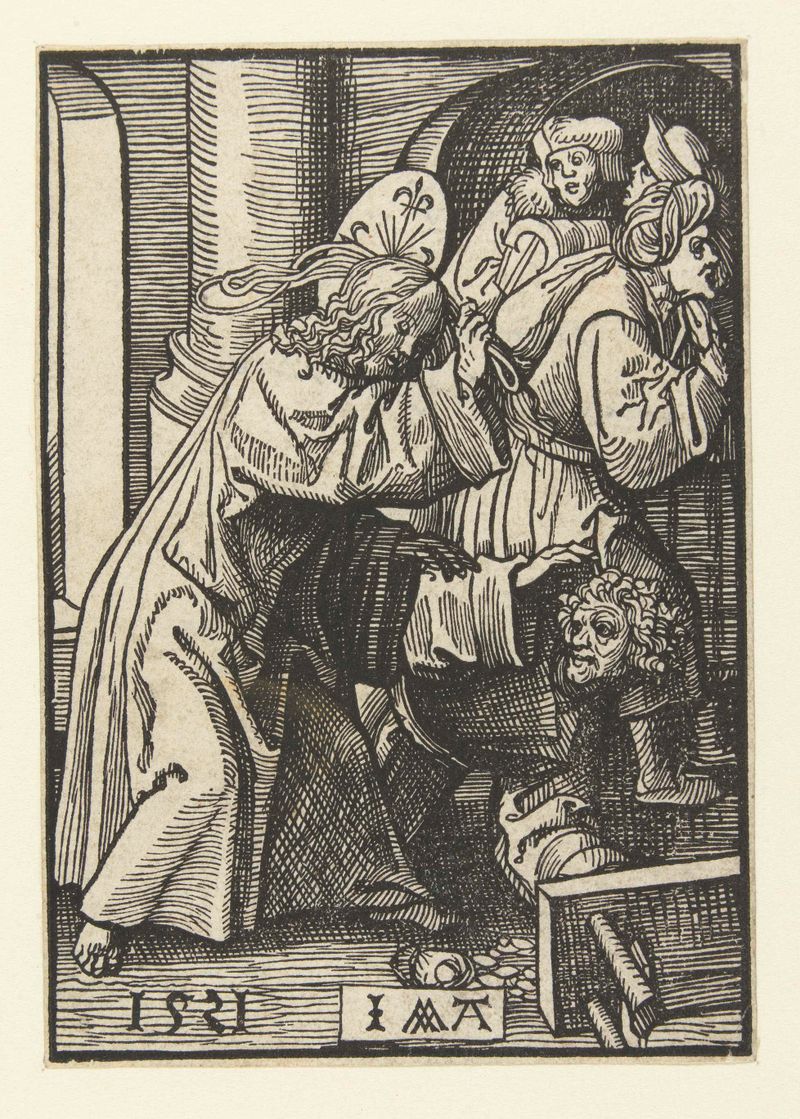
Verdrijving van de handelaren uit de tempel
Jacob Cornelisz van Oostsanen
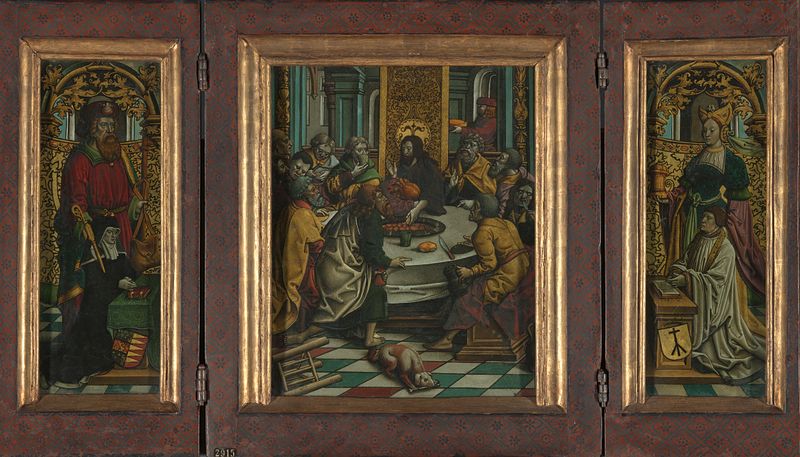
Triptych with the Last Supper and Donors
Jacob Cornelisz van Oostsanen
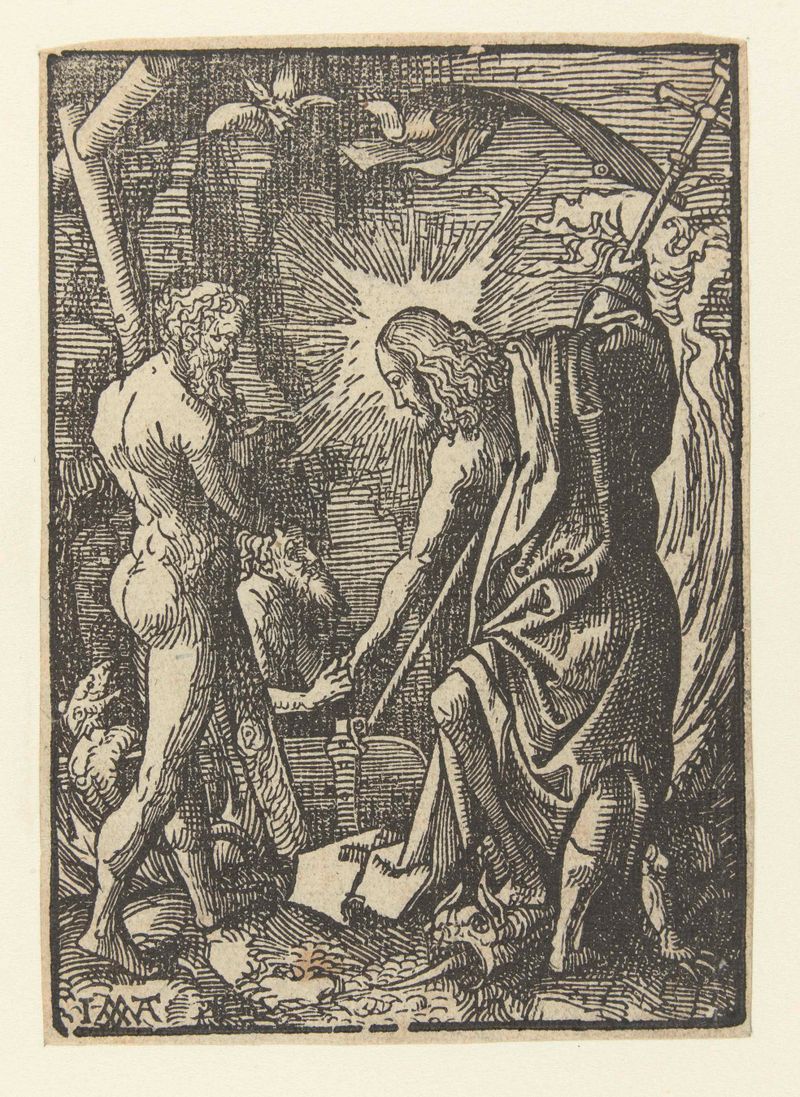
Christus in het voorgeborchte
Jacob Cornelisz van Oostsanen
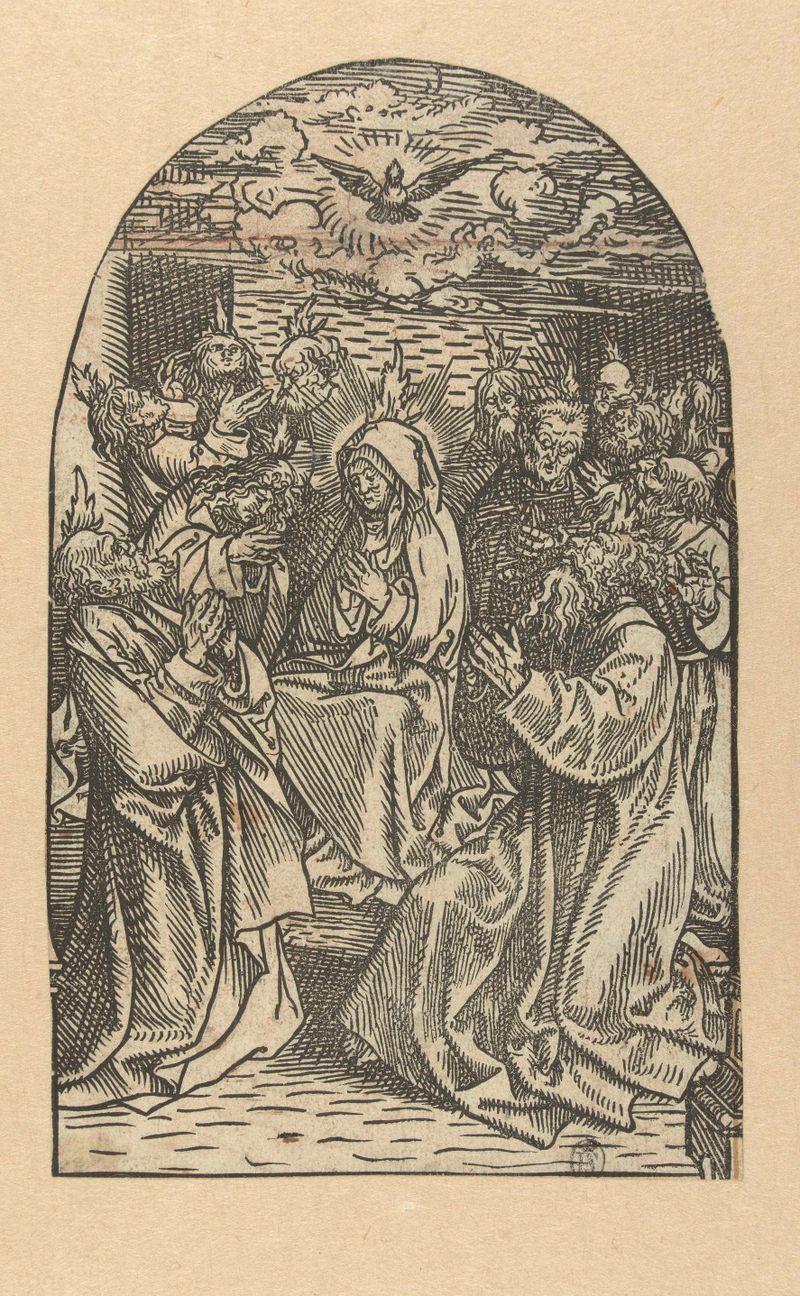
Uitstorting van de Heilige Geest
Jacob Cornelisz van Oostsanen
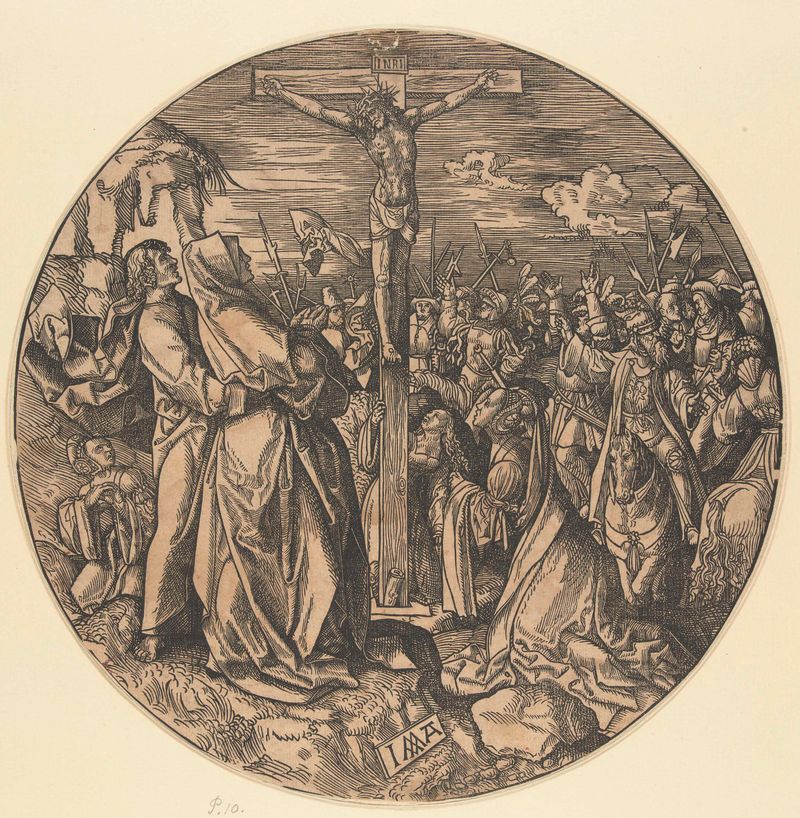
Christus aan het kruis
Jacob Cornelisz van Oostsanen

De kruisiging en de graflegging van Christus
Jacob Cornelisz van Oostsanen
More Religious Art
Browse all →
The Return of the Prodigal Son
Rembrandt van Rijn

The Garden of Earthly Delights
El Bosco

Count Orgaz’ funeral
El Greco

The Hundred Guilder Print: the central piece with Christ preaching, the plate arched
Rembrandt van Rijn

The Descent from the Cross
Rogier van der Weyden

The return of the prodigal son
Rembrandt van Rijn