
Bijgebouw te Gambar in Indonesië — History & Facts
In the quiet folds of every canvas lies a testament to faith—faith in the transformative power of art itself. Look closely at the delicate interplay of color in the foreground; shades of green and brown merge to create a tranquil scene. Notice how the gentle strokes depict the lush foliage surrounding the structure, inviting your gaze towards the modest building that nestles within it. The textured brushwork evokes a sense of life and movement, while the soft light filtering through the leaves casts an ethereal glow, imbuing the scene with a sense of serenity. Beneath this tranquil exterior, a deeper narrative unfolds.
The interplay of light and shadow captures the tension between nature and human presence, suggesting that harmony can be found amid chaos. The building, a symbol of human endeavor, stands resilient yet vulnerable against the encroaching wilderness, embodying the coexistence of faith and fragility. This juxtaposition encourages contemplation of our place within the larger tapestry of existence, as if whispering that beauty and destruction are often two sides of the same coin. Willem Witsen painted Bijgebouw te Gambar in Indonesië during a time of great exploration and cultural exchange between East and West.
Created between 1870 and 1923, this period saw Witsen deeply engaged with the Impressionist movement while living in Indonesia, where he sought to capture the essence of the landscapes and his experiences. His work reflects both a personal journey and the broader artistic dialogues occurring in the early 20th century, where Western artists began to embrace the richness of non-European cultures.
More Artworks by Willem Witsen
Browse all →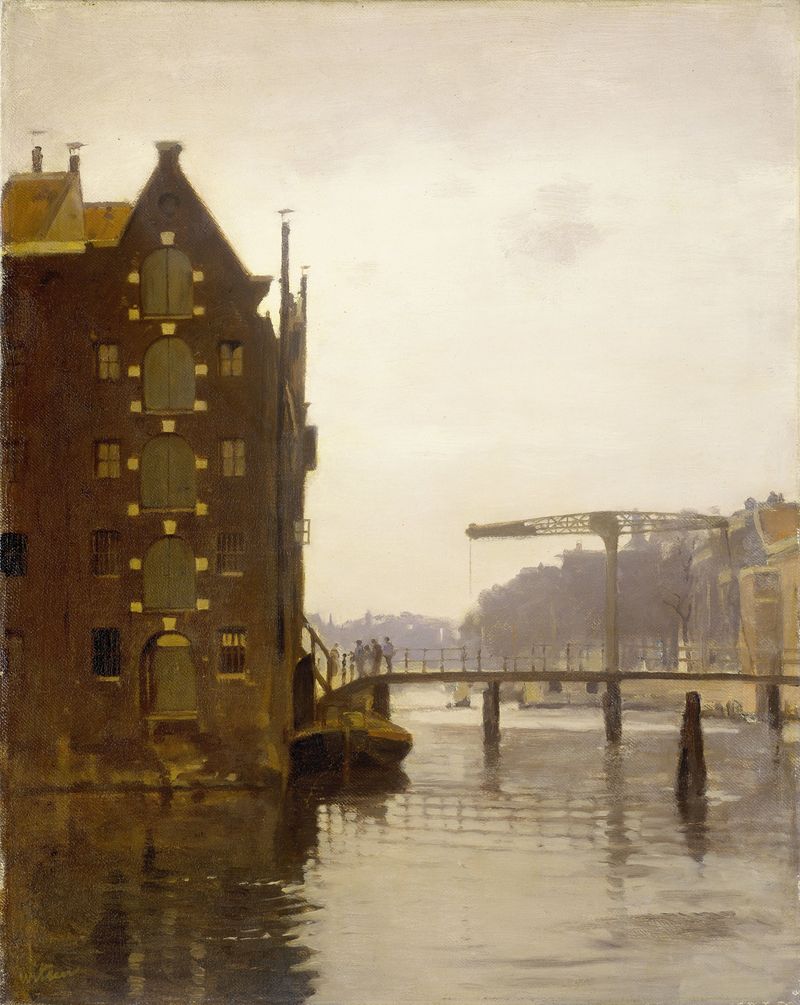
Pakhuizen aan een Amsterdamse gracht op Uilenburg
Willem Witsen

Huizen aan een gracht
Willem Witsen
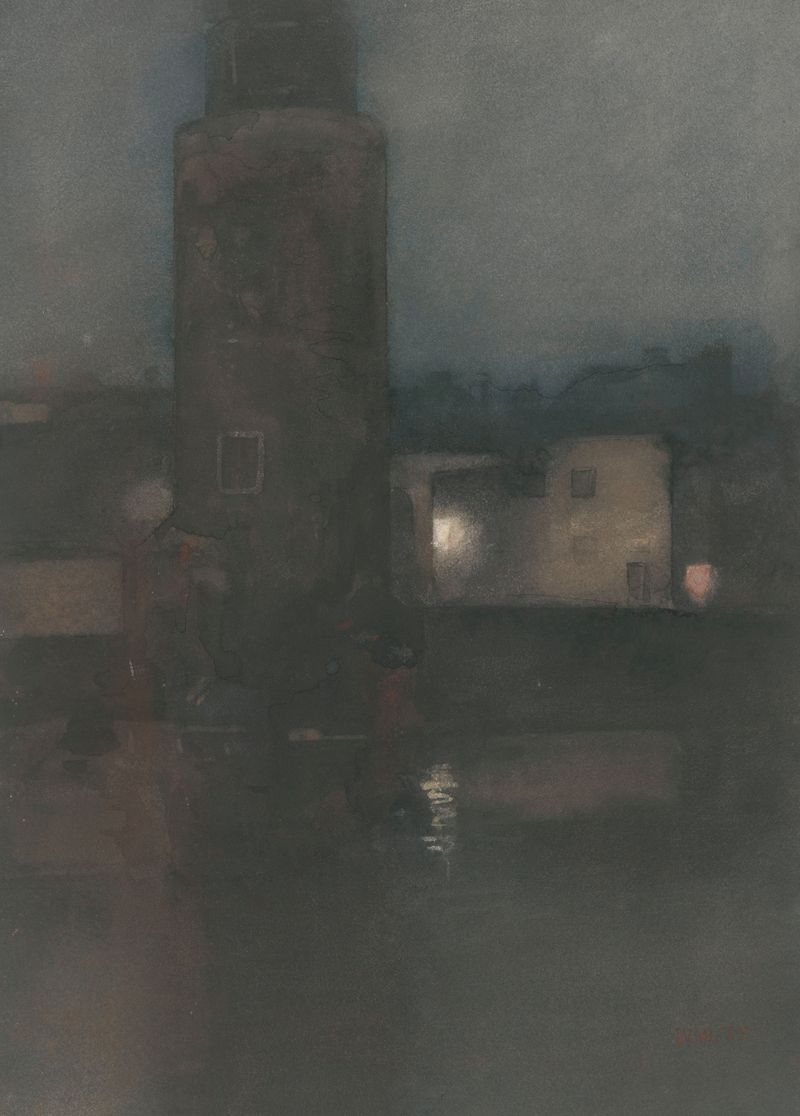
De Montelbaanstoren te Amsterdam bij nacht
Willem Witsen
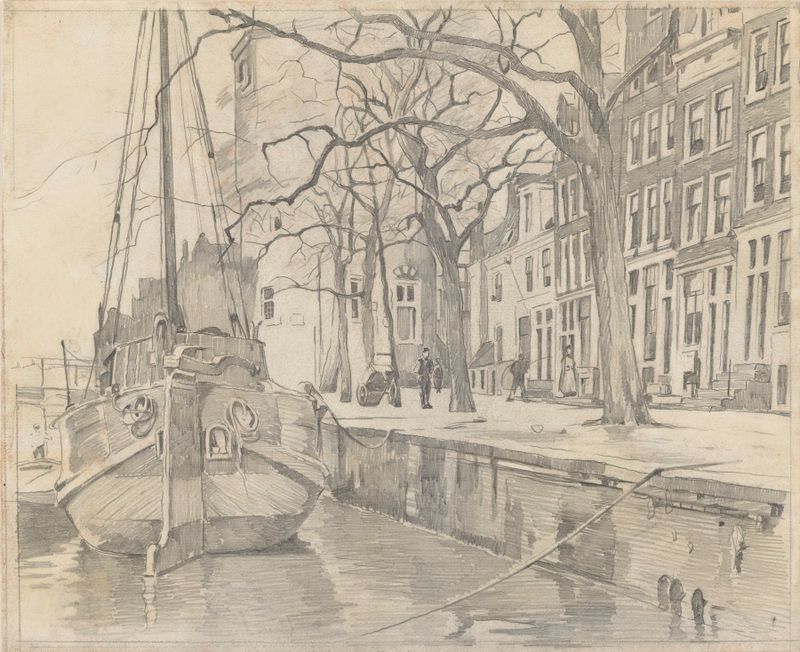
De Oude Waal te Amsterdam
Willem Witsen
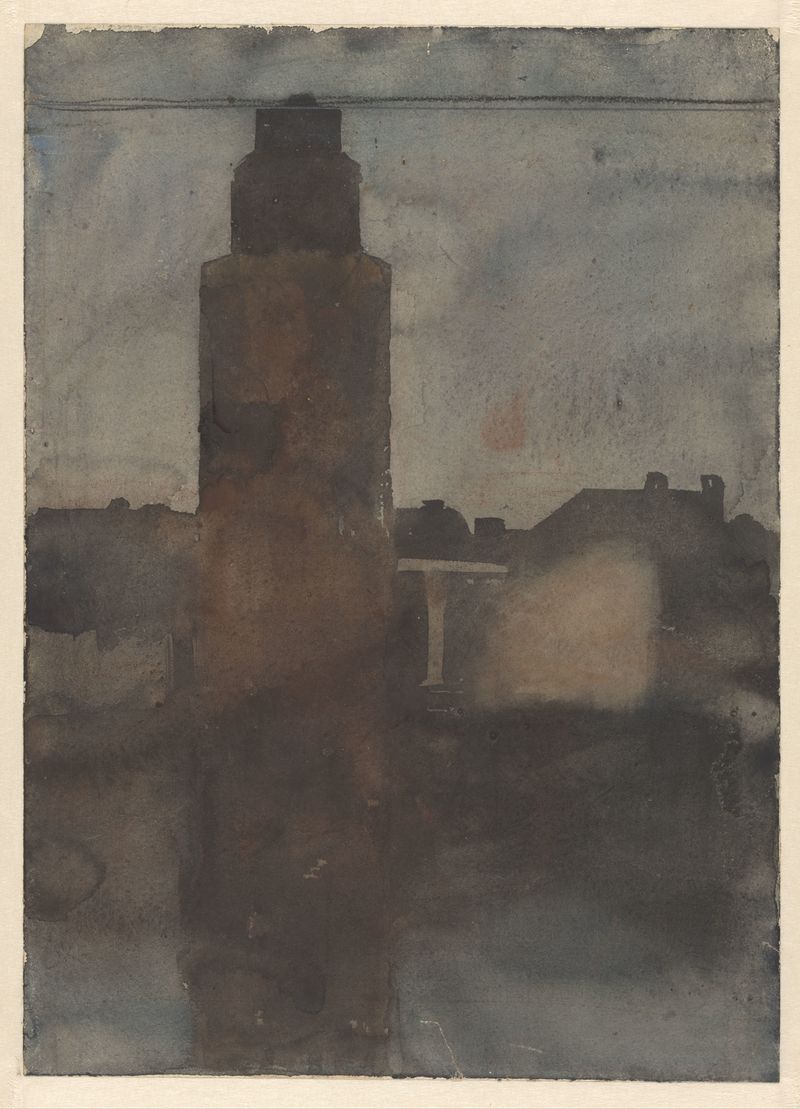
De voet van de Montelbaanstoren, bij avond
Willem Witsen

Portret van de kunstschilder Anton Mauve
Willem Witsen
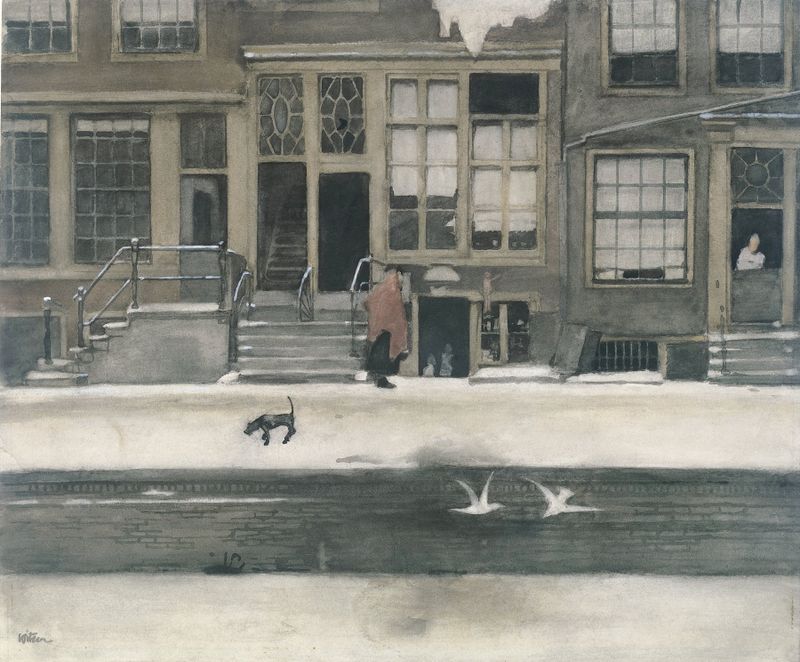
De Kromboomsloot te Amsterdam
Willem Witsen

Gezicht op de Binnen-Amstel in de nevel
Willem Witsen
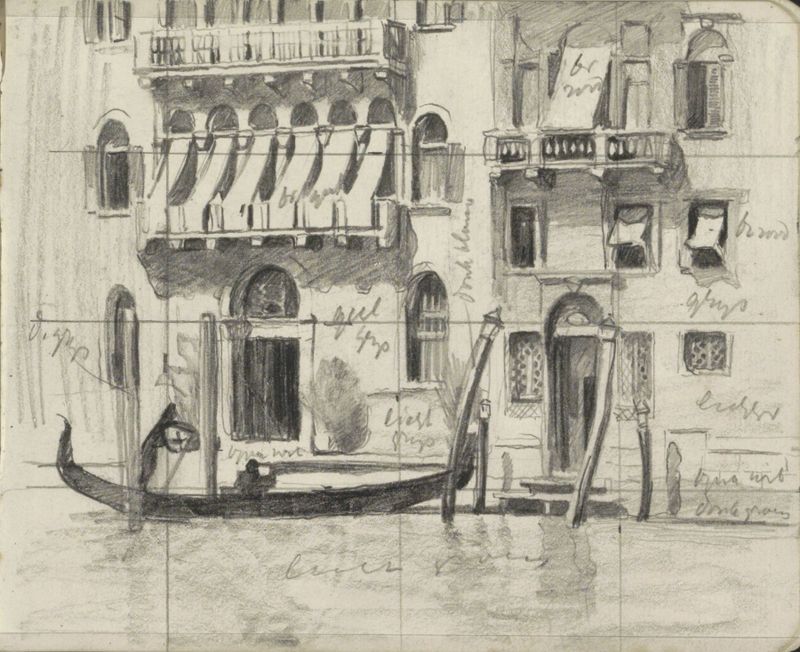
Huizen met zonwering over de balkons aan het Canal Grande te Venetië
Willem Witsen
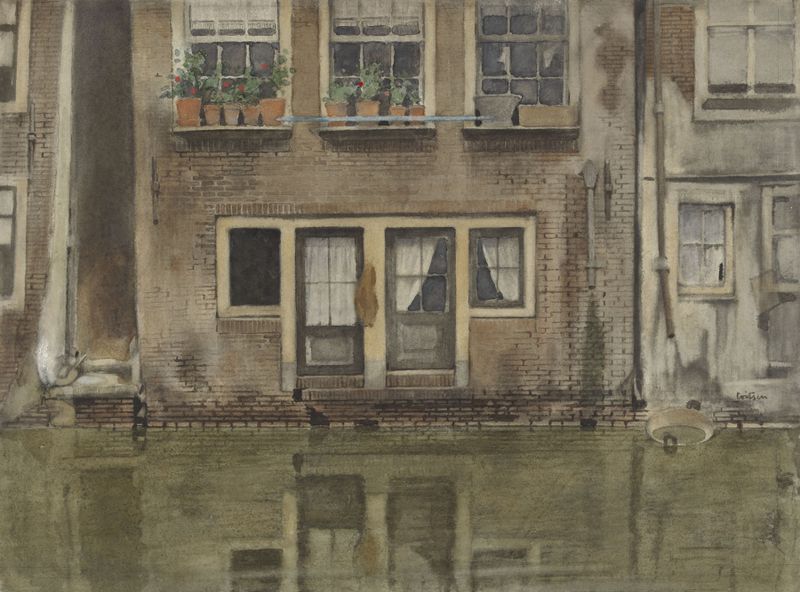
Huizen aan een gracht te Amsterdam
Willem Witsen





