
Bildnis einer jungen Dame (Marie-Madeleine Guimard ?) — History & Facts
Few portraits from the late eighteenth century have sparked as much speculation as Bildnis einer jungen Dame (Marie-Madeleine Guimard ?) by Jean-Honoré Fragonard. The sitter’s identity remains uncertain, though many believe she may be the celebrated ballerina Marie-Madeleine Guimard, muse of Parisian society and frequent subject of gossip in the 1770s. This air of mystery is heightened by the painting’s ambiguous provenance and the absence of a clear commission, leaving scholars to puzzle over both the woman’s name and the circumstances of her likeness.
Such uncertainty has only increased the painting’s allure, drawing viewers into its world of secrets and suggestion. Captured in a moment of poised contemplation, the young woman turns her gaze away from the viewer, her features softened by delicate light. The freshness of her expression, the gentle play of shadow on her skin, and the loose, informal arrangement of her hair all suggest intimacy rather than formality—a departure from the grand, stately portraits of Élisabeth Vigée Le Brun or Jean-Marc Nattier. If this is indeed Guimard, Fragonard has chosen not to depict her on stage or in costume, but instead as a private individual, lost in thought.
The absence of overt symbols—no fan, no theatrical mask—focuses attention on her personality and mood, inviting comparison with Fragonard’s own Young Girl Reading, where the sitter’s inner life seems just out of reach. The painting’s medium remains a matter of debate, as does its early history, but it is generally placed among Fragonard’s late portraits, a period when he was experimenting with looser brushwork and more intimate subjects. Unlike his famous rococo fantasies, this work is quieter, more restrained, and perhaps more personal. Its journey through collections is not well documented; it has surfaced in various exhibitions and sales, often under different titles and attributions, reflecting the ongoing uncertainty about both artist and sitter.
Today, it stands as a testament to the enduring fascination of Fragonard’s portraiture, where identity and artistry intertwine in a play of light, gesture, and enigma.
More Artworks by Jean-Honoré Fragonard

The Swing
Jean-Honoré Fragonard

The Swing
Jean-Honoré Fragonard

A Young Girl Reading
Jean-Honoré Fragonard

The Lock
Jean-Honoré Fragonard

The Triumph of Venus
Jean-Honoré Fragonard

A Game of Hot Cockles
Jean-Honoré Fragonard
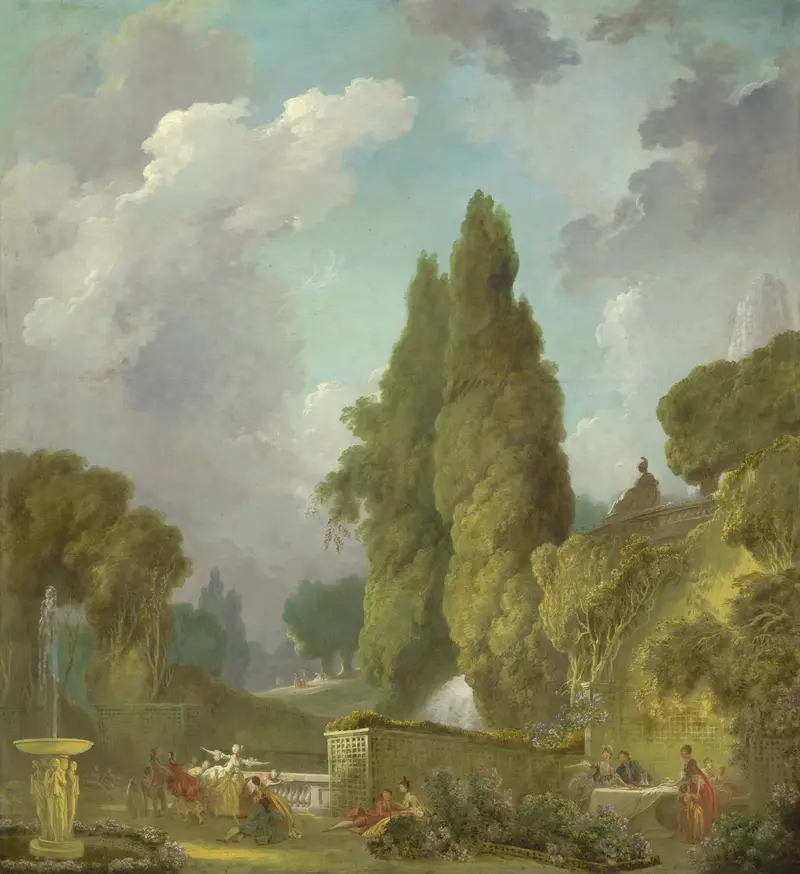
Blindman’s Buff
Jean-Honoré Fragonard
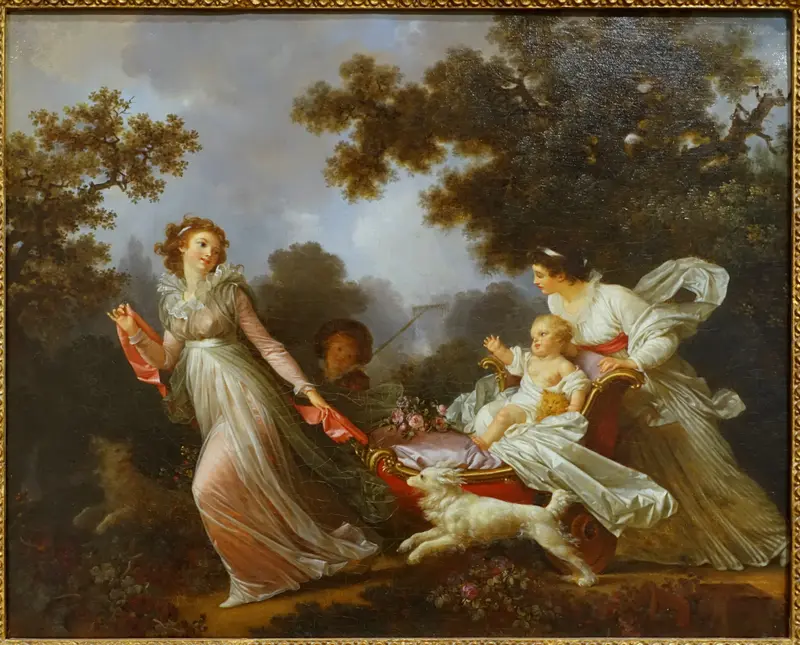
The Beloved Child
Jean-Honoré Fragonard
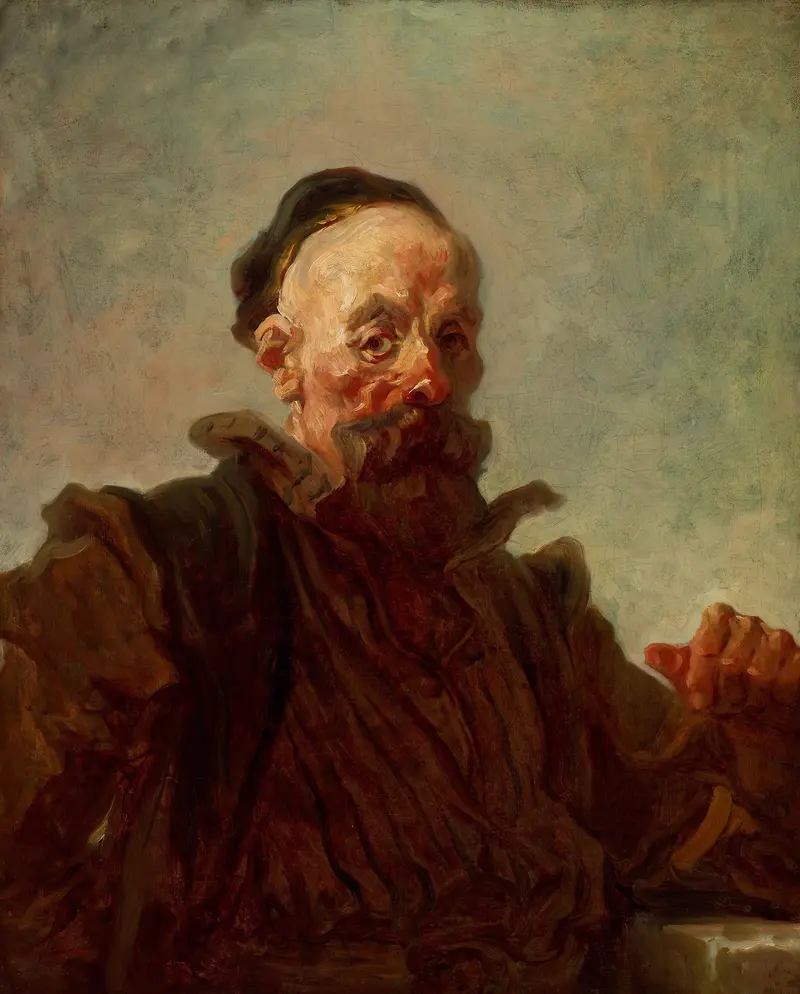
Portrait of a Man in Costume
Jean-Honoré Fragonard
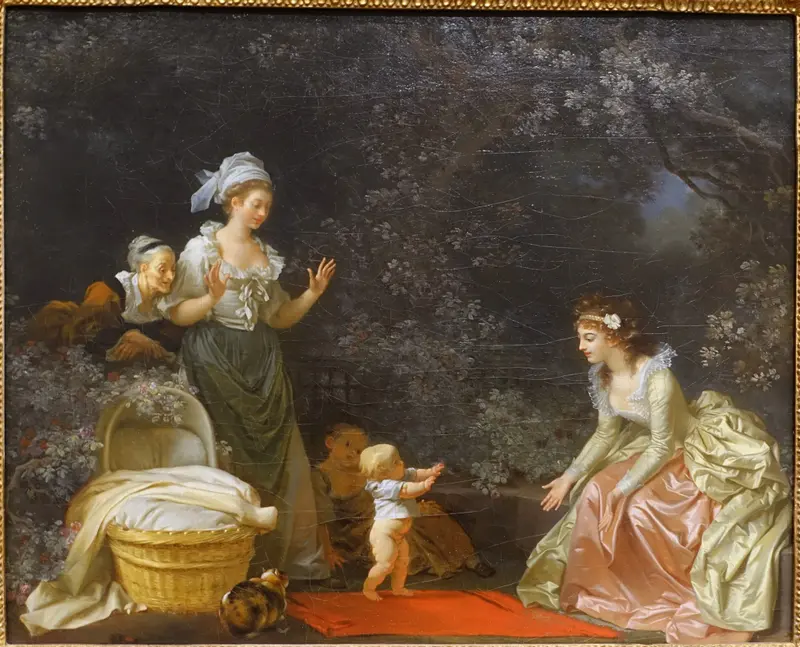
The First Steps
Jean-Honoré Fragonard





