
Billingsgate — History & Facts
Could a single brushstroke hold eternity? In Billingsgate, the delicate interplay of shadow and light captures not just a moment but an essence—a memory suspended in time. Look to the left at the vibrant hues that reflect the hustle of the bustling fish market, where merchants and customers converge in a cacophony of life. The brushwork dances across the canvas, inviting the eye to trace the fluid gestures of the figures, their forms barely defined yet imbued with purpose. Notice how the soft, muted tones contrast with occasional bursts of iridescent color, creating a rhythmic pulse that echoes the vitality of the scene.
The composition draws you in, balancing chaos and calm, as light filters through the smoky air, illuminating the intimacy of everyday labor. Yet, within the market’s façade lies a deeper narrative—one of transience and labor. The figures appear almost ghostly, as if recalling their existence rather than living it, suggesting that memory itself is both vivid and fleeting. The juxtaposition of vibrant life against the muted background reflects the tension between the mundane and the extraordinary, capturing a day in a market that reverberates with stories untold.
Each brushstroke relays the essence of a moment that, while ephemeral, resonates with the weight of memory. In 1859, Whistler created Billingsgate amid a burgeoning art scene in London, where he was influenced by the Realist movement and its focus on social themes. Struggling to establish his style, he sought to depict everyday life with a sense of beauty and poignancy. This artwork marks a significant moment in his career, showcasing his evolving technique and an early exploration of color and form that would define his later work.
More Artworks by James Abbott McNeill Whistler
Browse all →
Nocturne in Blue and Silver
James Abbott McNeill Whistler
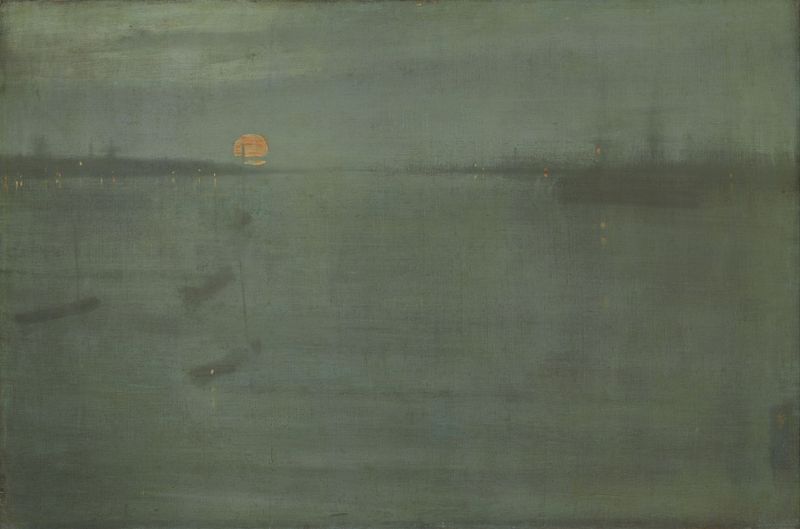
Nocturne: Blue and Gold–Southampton Water
James Abbott McNeill Whistler
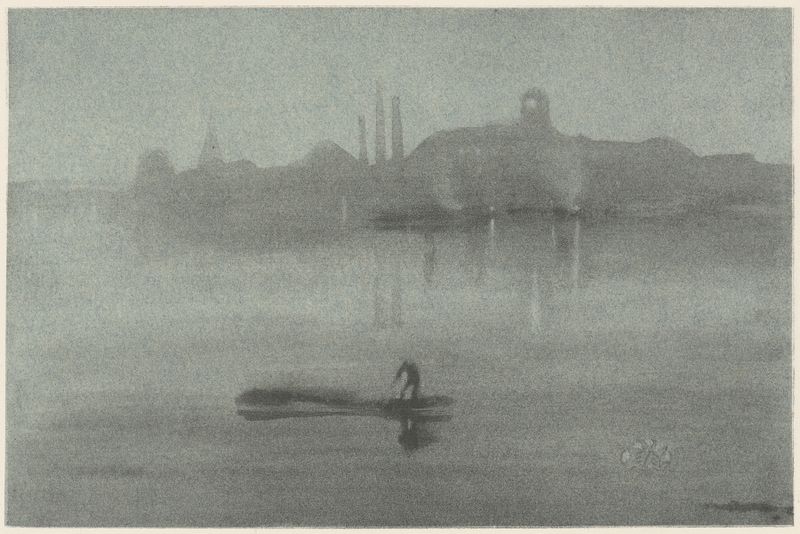
Nocturne
James Abbott McNeill Whistler
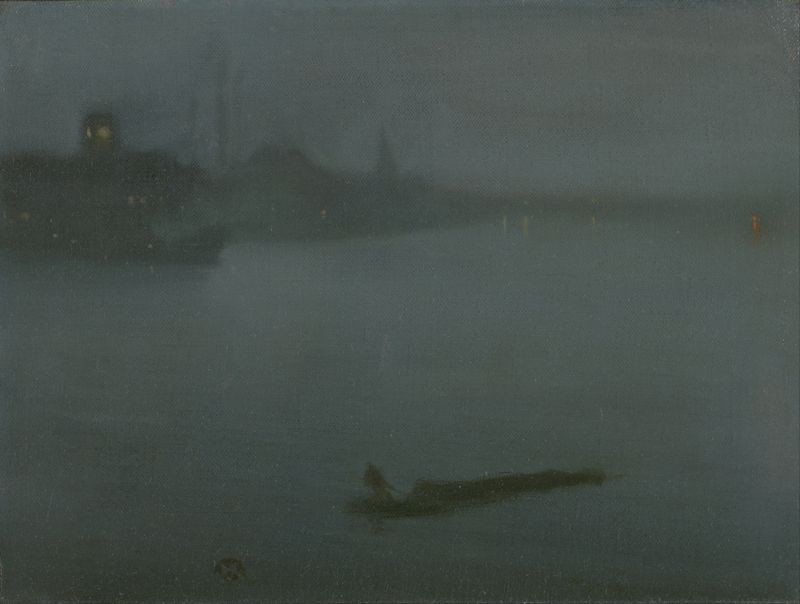
Nocturne in Blue and Silver
James Abbott McNeill Whistler
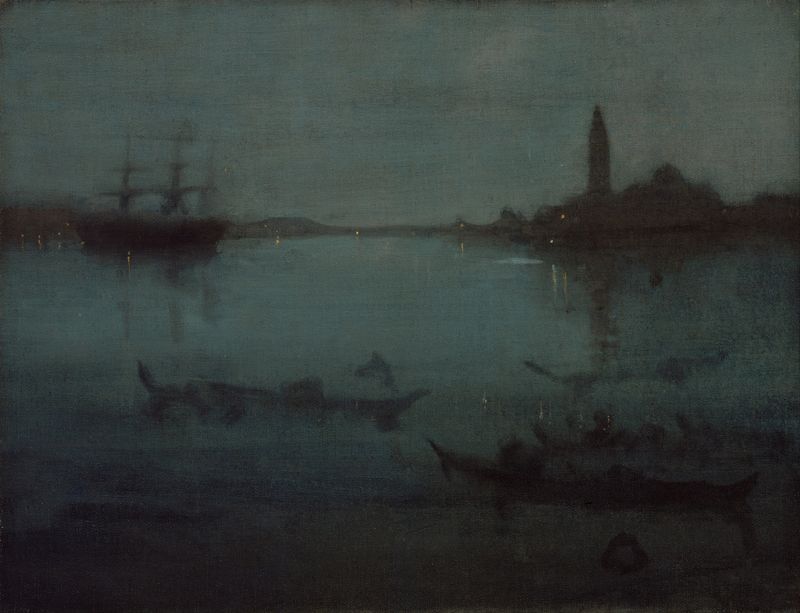
Nocturne in Blue and Silver- The Lagoon, Venice
James Abbott McNeill Whistler
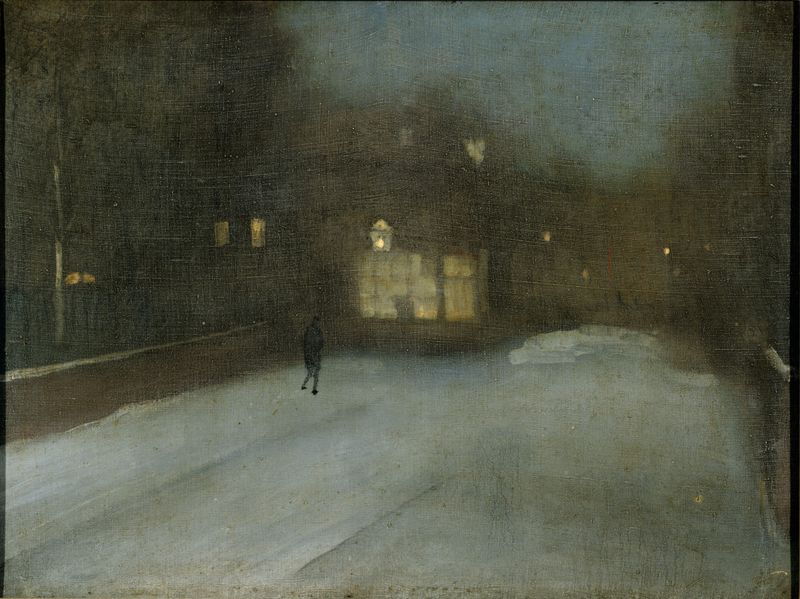
Nocturne in Grey and Gold: Chelsea Snow
James Abbott McNeill Whistler
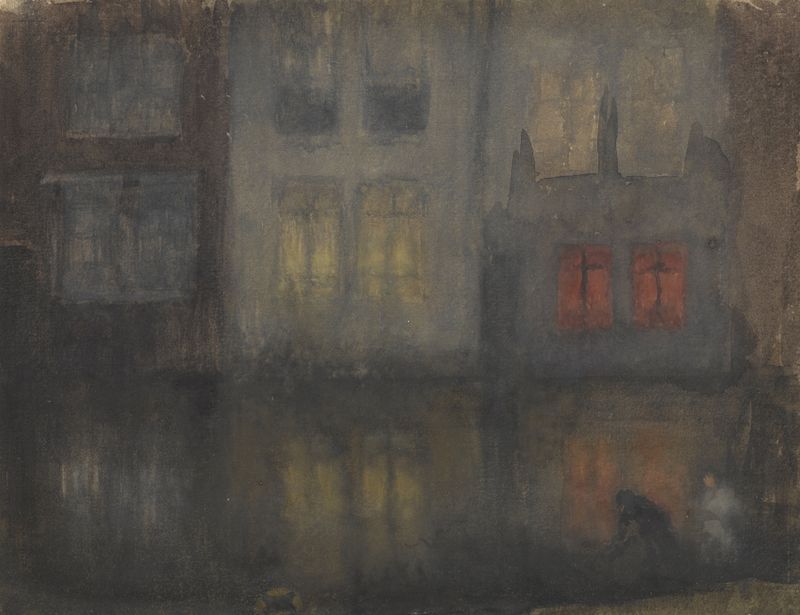
Nocturne: Black and Red—Back Canal, Holland
James Abbott McNeill Whistler
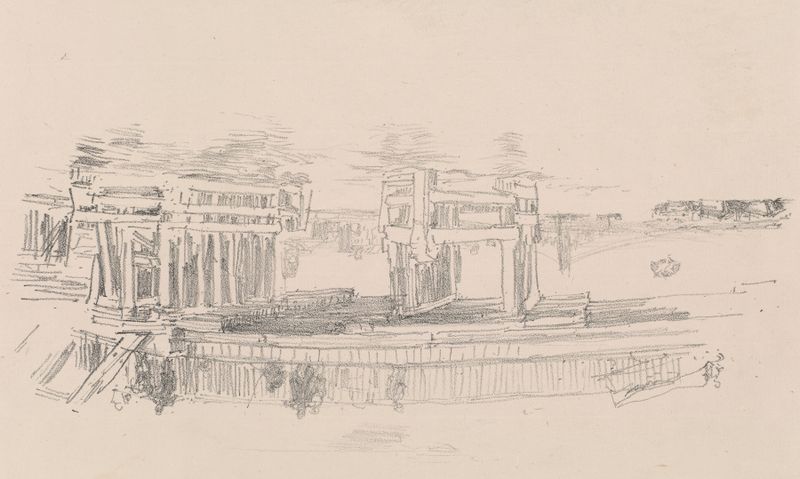
Old Battersea Bridge
James Abbott McNeill Whistler

Nocturne: Blue and Silver–Battersea Reach
James Abbott McNeill Whistler
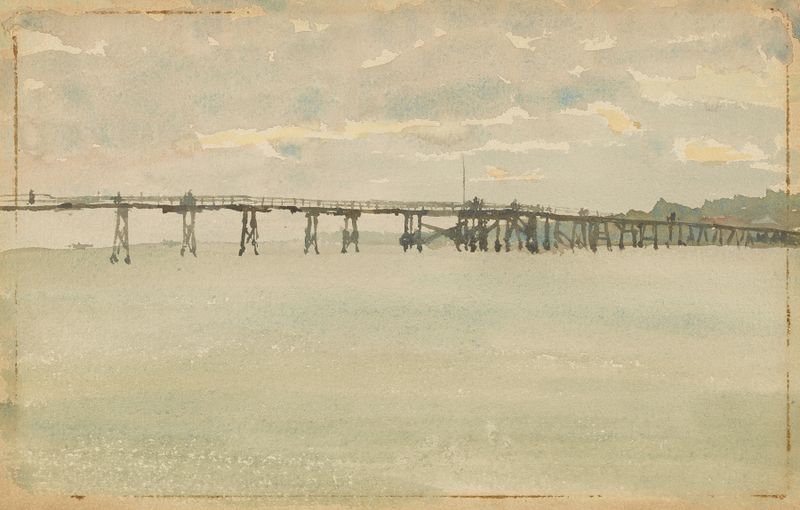
Grey and Silver–Pier, Southend
James Abbott McNeill Whistler





