
Blacksmith’s Hall — History & Facts
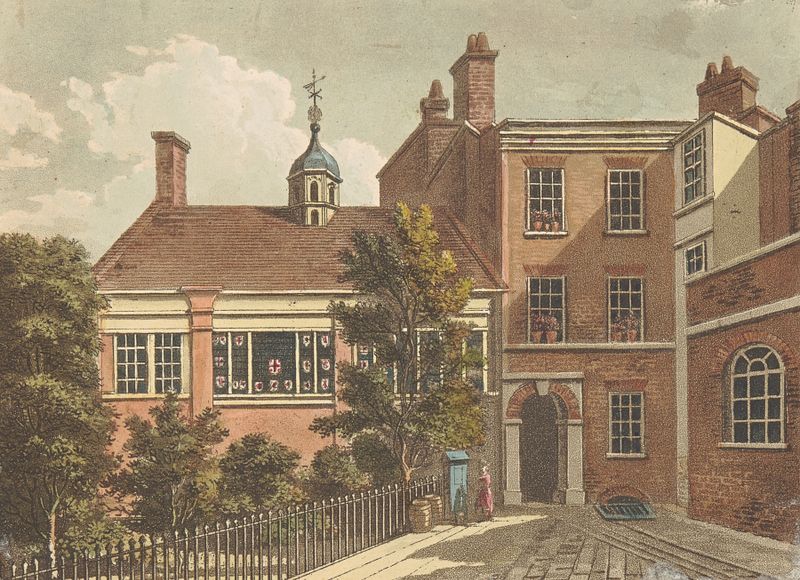
Can paint confess what words never could? In Blacksmith’s Hall, an unspoken sense of loneliness permeates the air, whispering stories of toil, quiet desperation, and unfulfilled dreams. Look to the left at the imposing stone walls that cradle the space, their rough texture contrasting sharply with the smooth, illuminated forge at the center. The warm glow of the fire draws your gaze, flickering shadows dancing across the faces of weary, laboring figures. Notice how the subtle interplay of light and dark not only highlights the skill of the blacksmith but also accentuates the isolation of the surrounding space, where the air hangs heavy with silence. Beneath the surface, the painting reveals a poignant emotional tension.
The lone blacksmith, absorbed in his craft, embodies both strength and solitude, his focus perhaps a refuge from the outside world. The gentle weariness etched into his posture hints at a deeper struggle—a desire for connection amidst the demanding nature of his work. The surrounding tools, scattered yet purposeful, evoke a sense of lost time, where each strike of the hammer resonates with the echoes of longing. Created between 1794 and 1800, Blacksmith’s Hall emerged during a period of significant change in Samuel Ireland's life and the broader artistic landscape.
Living in England, Ireland was part of the Romantic movement, which emphasized individual experience and emotion. This artwork reflects not only his own contemplation of loneliness but also the evolving perception of labor and the human condition in an increasingly industrialized society.
More Artworks by Samuel Ireland
Browse all →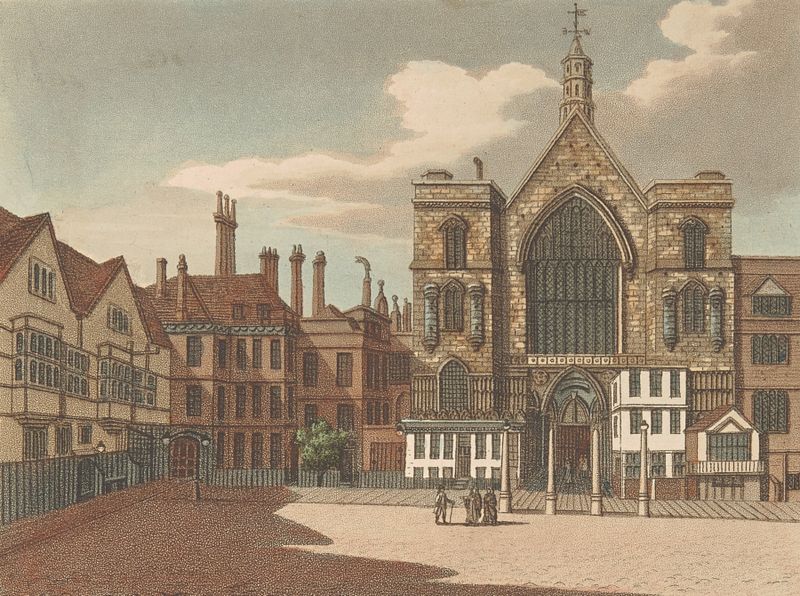
Westminster Hall
Samuel Ireland

Southwest View of Middle Temple
Samuel Ireland
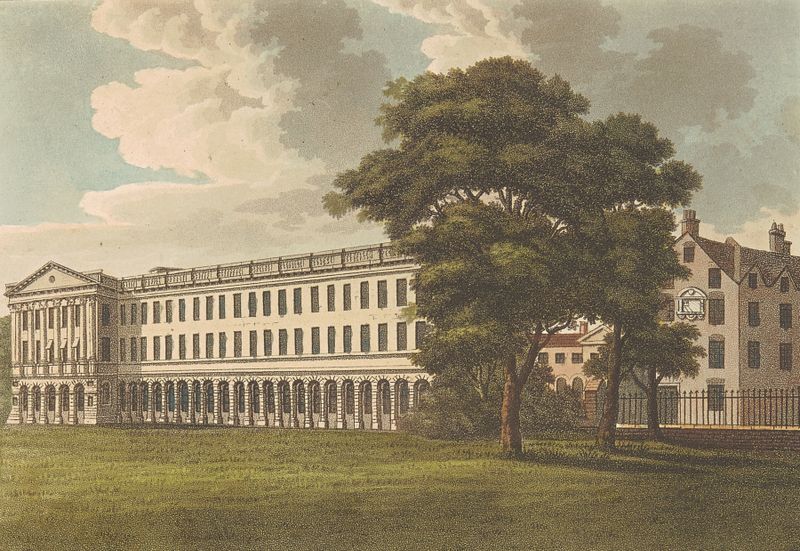
Stone Buildings, Lincoln’s Inn
Samuel Ireland
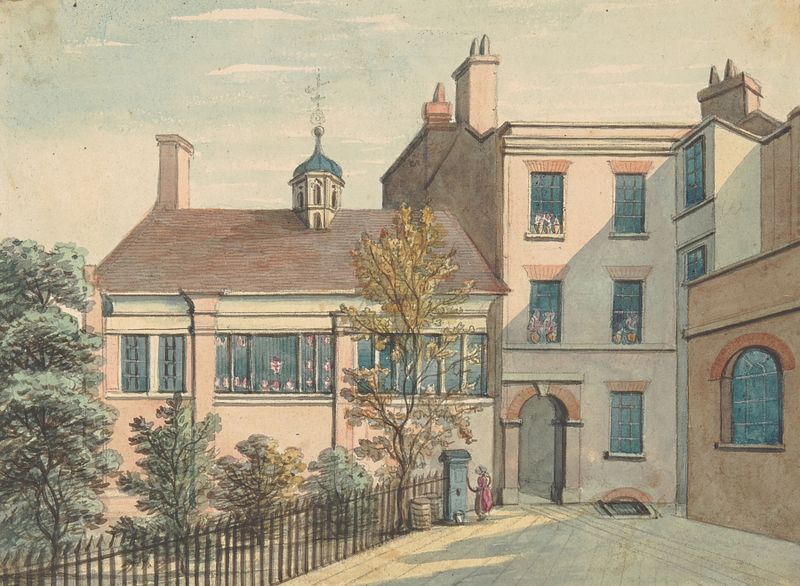
Barnard’s Inn
Samuel Ireland

Lincoln’s Inn Hall and Chapel
Samuel Ireland

Lion’s Inn
Samuel Ireland
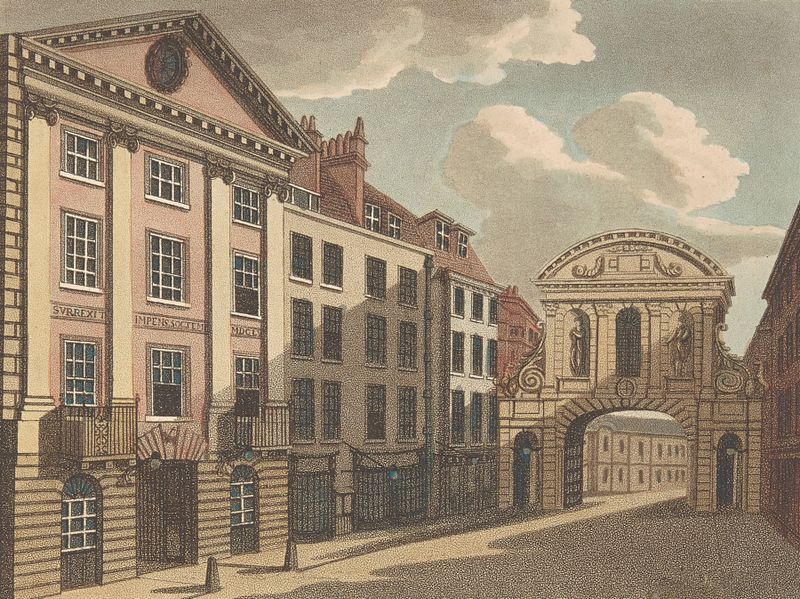
Middle Temple Gate
Samuel Ireland
Barnard’s Inn
Samuel Ireland

Westminster Hall
Samuel Ireland
Lincoln’s Inn Gate
Samuel Ireland





